
Palau: The Underwater Serenade of the Pacific
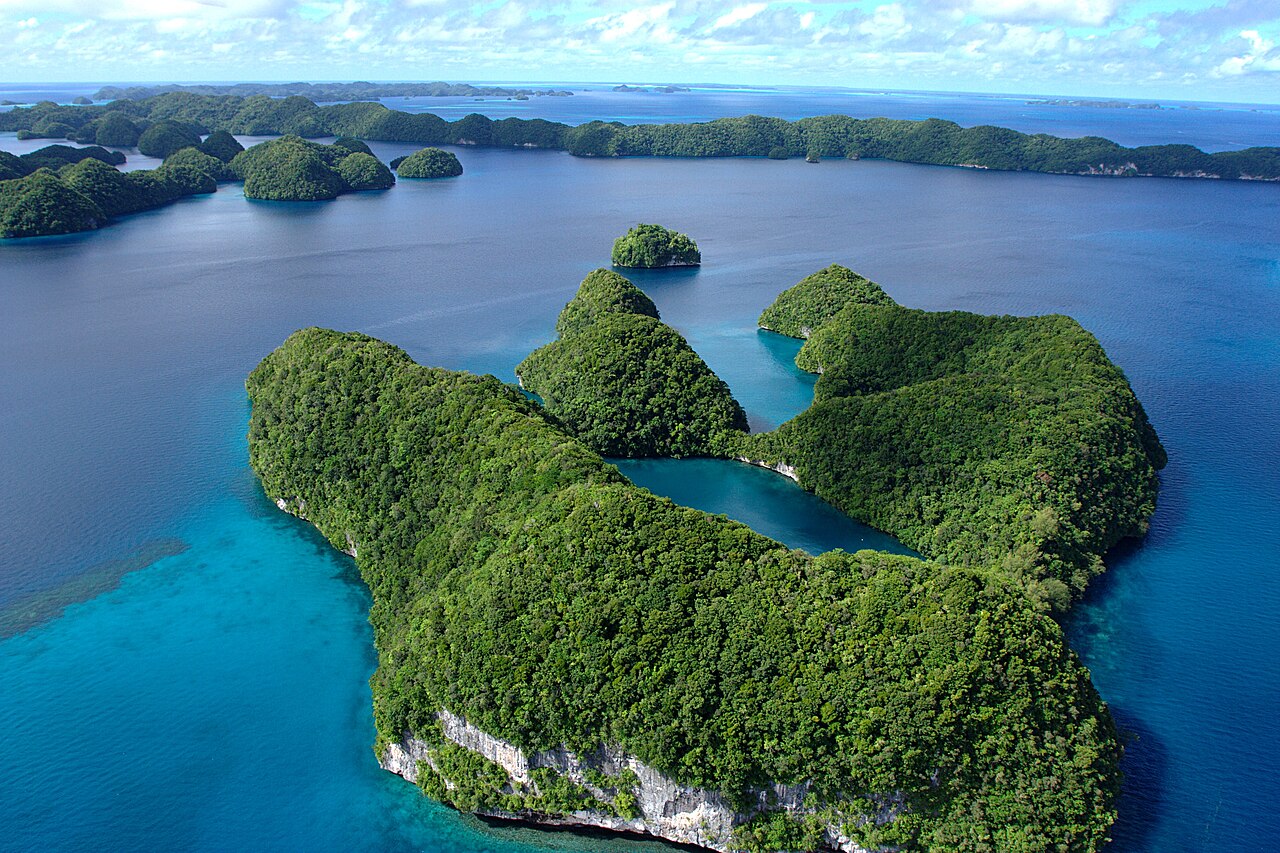
If the Earth has a crown jewel for marine biodiversity, it is almost certainly Palau. This tiny archipelago in the western Pacific is not just a destination; it is a pioneer. It was the first nation on earth to create a shark sanctuary and the first to rewrite its immigration laws for the sake of the environment.
In 2026, Palau remains a sanctuary for those who want to disconnect from the noise of the modern world and reconnect with the raw, rhythmic pulse of the ocean. Whether you are drifting through a lake filled with millions of stingless jellyfish or exploring the quiet history of a traditional bai house, Palau offers a spiritual clarity that stays with you long after the salt has dried on your skin.
1. The Rock Islands: A Limestone Labyrinth
The Rock Islands Southern Lagoon is a UNESCO World Heritage site and the defining image of Palau. These hundreds of mushroom-shaped limestone islets are covered in dense, neon-green foliage and surrounded by water so clear it looks like liquid glass.
- Jellyfish Lake (Eil Malk): This is one of the most unique biological wonders on the planet. Millions of golden jellyfish have lived in this isolated lake for millennia, eventually losing their ability to sting because they have no natural predators. Snorkeling here feels like floating through a living galaxy of pulsating soft stars.
- The Milky Way: Tucked into a hidden cove within the Rock Islands, the floor of this lagoon is covered in a thick, white volcanic mud. Legend says the mud has skin-rejuvenating properties. Travelers typically "mud up," let it dry in the sun, and then jump into the turquoise water to rinse off.
- Kayaking the Narrows: To truly feel the scale of the islands, rent a kayak. Gliding silently through narrow channels where the trees overhang the water allows you to spot rare tropical birds and see small reef sharks patrolling the shallow mangroves.
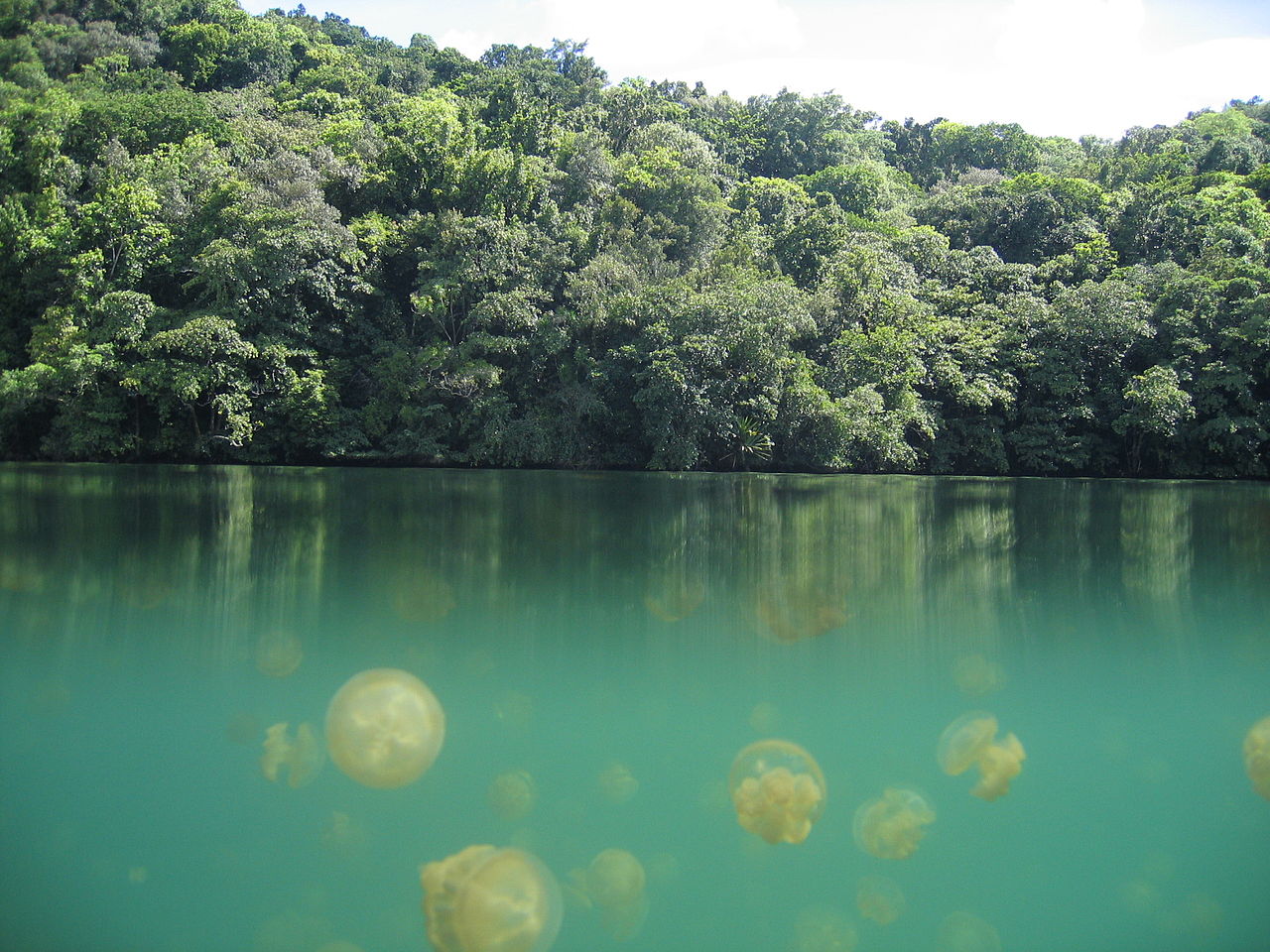
- Source- Onyo, CC BY-SA 4.0, via Wikimedia Commons
2. The Digital Compass: Why You Need an eSIM
While the goal of Palau is to "tread lightly," navigating a remote archipelago in 2026 requires a reliable digital toolkit. Because the islands are spread across a vast area and many of the best sites—like the Ngardmau Waterfall—are located deep in the jungle of Babeldaob, a stable data connection is more than a luxury; it’s a safety essential.
The Logistics Challenge
- Finding the Trailheads: Palau’s "Compact Road" on the main island of Babeldaob is excellent, but the signs for hidden waterfalls or the Badrulchau Stone Monoliths can be easy to miss. You will rely heavily on real-time GPS.
- Managing Permits: Most sites in Palau require specific state permits (like the Rock Island or Jellyfish Lake permits). In 2026, many of these have transitioned to digital QR codes. Having an active data connection ensures you can pull up your proof of purchase at any ranger checkpoint.
The Solution: The eSIM To ensure you aren’t hunting for a physical SIM card at the airport or navigating language barriers at a local kiosk, provision a Palau-compatible eSIM data plan before you fly.
- The Benefit: An eSIM connects you to the local network the moment you land at Roman Tmetuchl International Airport. It ensures your maps are live, your weather alerts are active (crucial during the rainy season), and you can coordinate with your boat captains in real-time as you move between Koror and the outer islands.
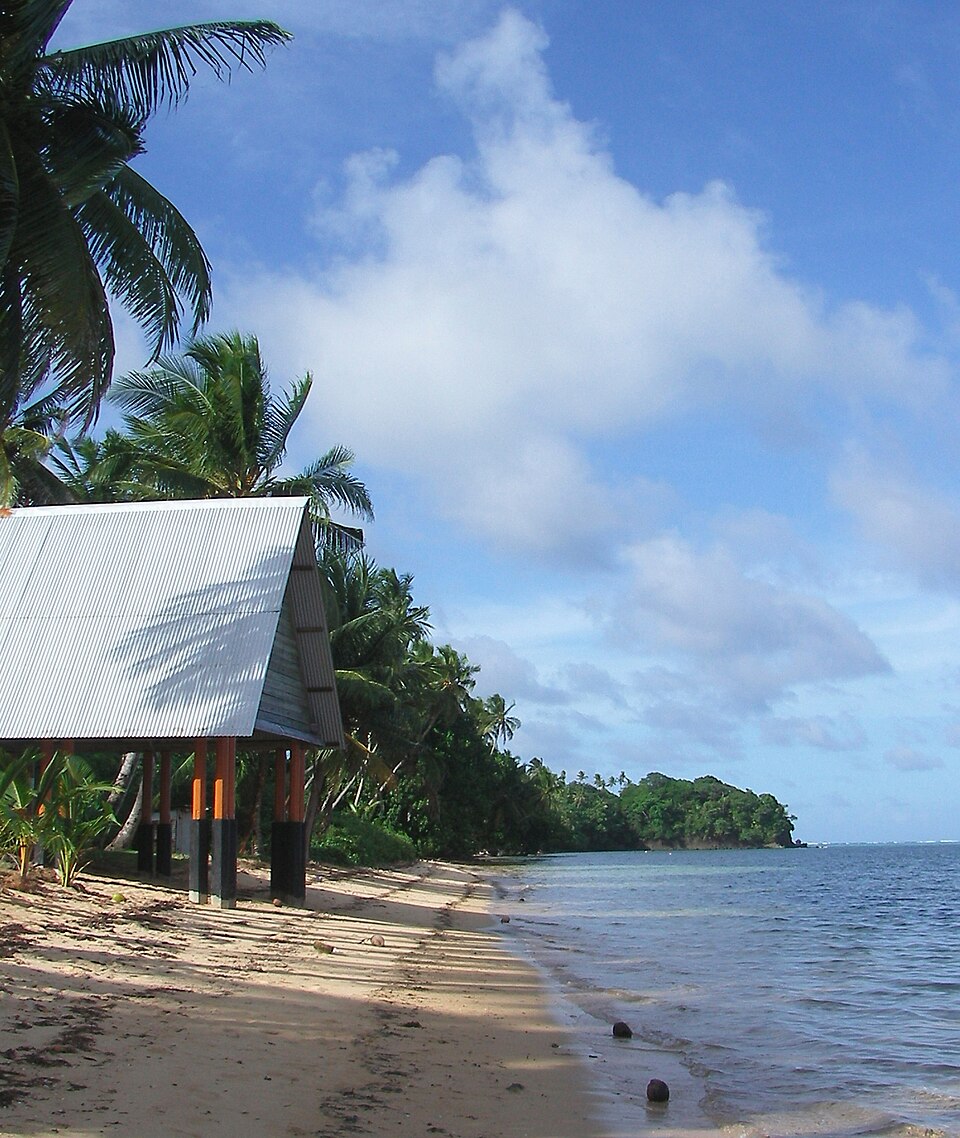
Belekok, Babeldaob. Source- By Peter R. Binter, Public Domain
3. Cultural Immersion: The Tradition of the Bai
Palau’s history is as deep as its trenches. Beyond the beaches lies a culture built on a foundation of maternal lineage and communal respect.
- Traditional Bai Houses: A bai is a traditional men’s meeting house, built with intricate wood carvings and steep thatched roofs. The Airai Bai, which is over 100 years old, is a masterpiece of indigenous architecture. The "storyboards" carved into the beams depict local legends and historical events, acting as a visual library for the community.
- Peleliu Island: For history buffs, a trip south to Peleliu offers a sobering look at one of the most intense battles of World War II. You can explore rusted tanks, hidden bunkers, and memorial sites reclaimed by the jungle. It is a powerful reminder of the resilience of both the land and its people.
4. A Taste of Palau
Palauan cuisine is a reflection of the island's self-reliance. It relies heavily on root vegetables like taro and cassava, and the incredible bounty of the Pacific.
- Ukaeb: This is a local delicacy featuring minced mangrove crab meat mixed with rich coconut cream and served back in the crab shell. It is savory, sweet, and represents the best of Palauan coastal cooking.
- Demok: A hearty, comforting soup made from taro leaves and coconut milk. It has an earthy, velvety texture and is often served as a staple with grilled reef fish.
- Fresh Sashimi: Given its proximity to world-class fishing grounds, the tuna and snapper in Palau are unparalleled. Most restaurants in Koror serve "catch of the day" sashimi that was in the ocean just hours before.
- Taro and Tropical Fruits: You’ll find taro served in various forms—boiled, fried as fritters (Rösti), or mashed. Pair it with fresh papaya, starfruit, or the local "fruit with Kool-Aid" snack for a true taste of island life.
5. The Palau Pledge: Ecological Etiquette
Upon arrival, every visitor must sign the Palau Pledge, which is stamped directly into your passport. It is a promise made to the children of Palau to act in an ecologically responsible way. To stay compliant and respectful:
- Reef-Safe Sunscreen: Many chemical sunscreens are legally banned in Palau because they bleach the coral. Only use "reef-safe" mineral sunscreens.
- Touch Nothing: Never touch the coral, and do not collect shells or sand to take home. The ecosystem is fragile, and the Palauan people are its fierce protectors.
- Reusable Containers: Palau is moving toward a zero-waste economy. Bring a reusable water bottle and avoid single-use plastics whenever possible.
Why Visit Now?
Palau is a destination for the "conscious traveler." It is a place that asks you to be more than a consumer; it asks you to be a guest and a guardian. By securing your digital connection with an eSIM for seamless navigation and respecting the ancient "Bul" (conservation) traditions of the locals, you can witness the most pristine marine environment left on our planet.