
Oman: The Soul of Arabia
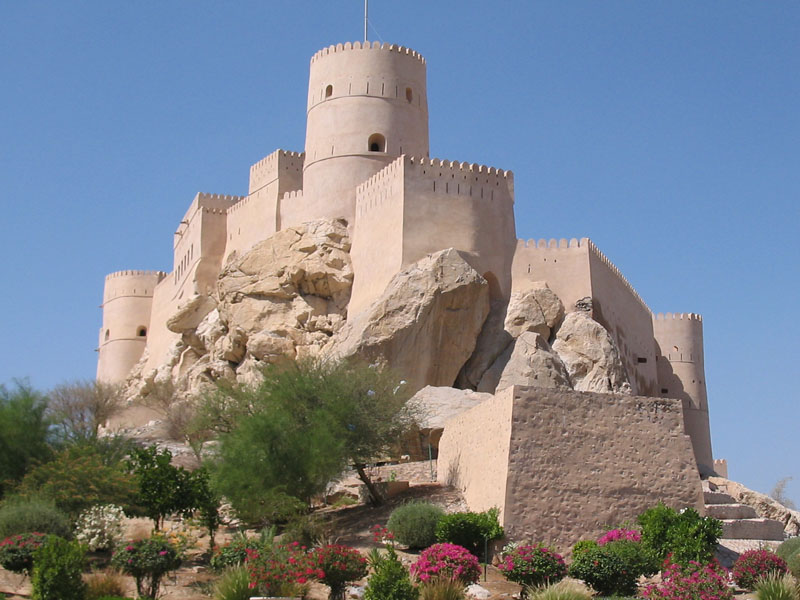
Oman is a destination that feels like a well-kept secret. While its neighbors often reach for the sky with glass and steel, the Sultanate has chosen a different path—one of low-rise white cities, preserved ancient forts, and a landscape so diverse it ranges from jagged fjords in the north to tropical waterfalls in the south.
In 2026, Oman has solidified its reputation as the "safe haven" of the Middle East, offering an authentic Arabian experience that prioritizes heritage over artifice. If you are looking for a journey that balances rugged adventure with world-class hospitality, here is your factual guide to Oman.
1. Muscat: The Elegant Entryway
Your journey begins in Muscat, a capital city that breathes tradition. There are no skyscrapers here; instead, you’ll find uniform white buildings and manicured gardens framed by the volcanic Al Hajar Mountains.
- Sultan Qaboos Grand Mosque: This is the crown jewel of Omani architecture. It houses one of the largest hand-loomed Persian carpets in the world and a massive Swarovski crystal chandelier. It is a masterpiece of marble and geometry.
- Muttrah Souq: Located along the scenic Corniche, this is one of the oldest marketplaces in the Arab world. Wander the labyrinthine alleys to find silver khanjars (traditional daggers), sandalwood, and high-quality Omani frankincense.
- The Royal Opera House: A symbol of Oman’s modern cultural sophistication, this stunning white building blends Islamic and Italianate architecture and remains a hub for international arts in 2026.
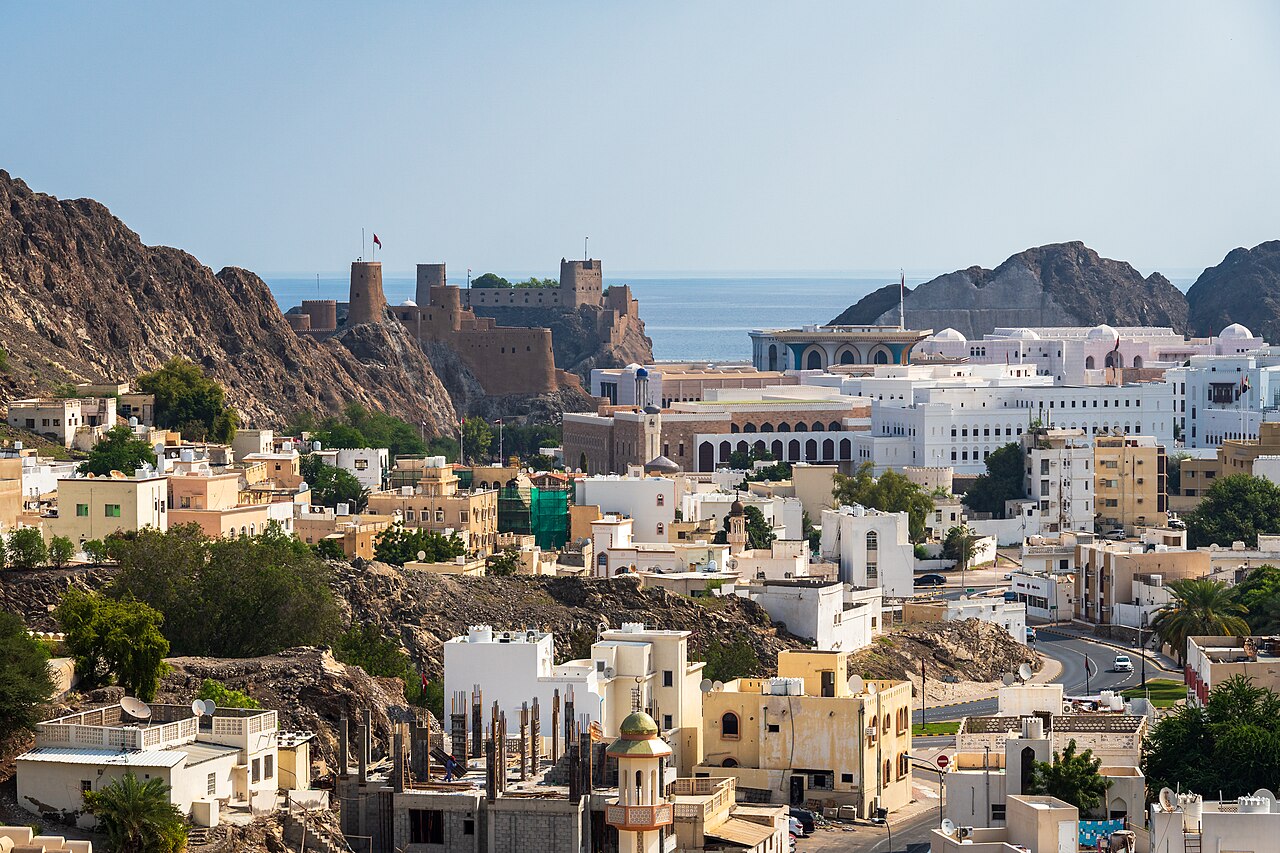
- Source- By Domenico Convertini, CC BY-SA 2.0
2. The Connectivity Reality: Why an eSIM is Non-Negotiable
Oman is a country best explored by road. Whether you are self-driving a 4x4 into the desert or navigating the winding mountain passes of Jebel Akhdar, your digital connectivity is a vital safety tool.
The Navigation Challenge
- Offline is Not Enough: While you can download maps, the reality of Omani road travel involves checking real-time weather alerts (especially for "wadi bashes" or flash floods) and locating the nearest remote petrol stations.
- Safety in the Sands: If you are heading into the Sharqiya Sands (Wahiba Sands), you need a reliable signal to coordinate with your desert camp or call for assistance if you get stuck in the dunes.
The Solution: The eSIM In 2026, the local infrastructure is highly digitized. To hit the ground running, provision an Oman-compatible eSIM before your flight.
- The Benefit: An eSIM allows you to activate a local data plan the moment you land at Muscat International Airport. It bypasses the need to hunt for a physical SIM kiosk or deal with passport photocopies at the counter. More importantly, it ensures your secure communication lines and GPS are active the second you leave the city limits.
3. Into the Wild: Mountains and Wadis
Beyond the cities, Oman’s geography is its greatest asset.
- Jebel Shams: Known as the "Grand Canyon of Arabia," this is the highest point in Oman. The Balcony Walk is an unmissable hike that clings to the edge of the canyon, offering 1,000-meter vertical views down to abandoned ancient villages.
- Wadi Shab: Reaching this paradise requires a short boat crossing followed by a 45-minute trek through a boulder-strewn valley. The reward is a series of turquoise pools where you can swim through a narrow crevice into a hidden cave with an internal waterfall.
- Sharqiya Sands: For a true desert experience, spend a night in a Bedouin-style camp. The dunes here shift between honey-gold and deep orange, and the lack of light pollution makes it one of the best stargazing spots on the planet.
4. Salalah: The Green Miracle
If you visit between June and September, you must head south to Salalah for the Khareef (monsoon) season. While the rest of the Arabian Peninsula swelters, Salalah transforms into a misty, green tropical paradise with flowing waterfalls and verdant mountains. It is the only place in the region where you can see camels grazing in lush, foggy meadows.

Source- StellarD, WikiVoyage
5. A Taste of Oman
Omani cuisine is a fragrant blend of Arabian, Indian, and African influences. It is entirely Halal and focuses on high-quality spices.
- Shuwa: This is the national celebratory dish. Meat (usually lamb or goat) is marinated in a complex spice blend, wrapped in palm leaves, and slow-cooked for up to 48 hours in an underground fire pit. The result is incredibly tender, smoky meat served over saffron rice.
- Omani Coffee (Kahwa): You will be offered this everywhere. It is a light, cardamom-scented coffee served in small handleless cups. It is traditionally accompanied by fresh dates to balance the bitterness.
- Meshkak: These are skewers of marinated beef or chicken grilled over charcoal, often found at street stalls in the evenings.
- Frankincense Tea: For something unique, try tea infused with a single tear of high-grade frankincense, known for its earthy, citrusy aroma.
Essential Cultural Etiquette
- Dress Modestly: Oman is a conservative Muslim country. Both men and women should keep shoulders and knees covered in public. When visiting mosques, women must cover their hair and wear full-length clothing.
- Respect the Peace: Public displays of affection are discouraged, and raised voices are rare. Omanis are famously polite and value a calm, respectful demeanor.
- Photography: Always ask permission before photographing locals, particularly women. Most people are happy to oblige if asked politely with a smile.
Why Go Now?
Oman in 2026 represents a rare equilibrium: it is safe, highly developed, and remarkably easy to navigate, yet it hasn't lost the "raw" feeling of an old-world frontier. By securing your digital connection with an eSIM and bringing a spirit of curiosity, you are ready to witness the most authentic soul of the Arabian Peninsula.