
North Macedonia: The Balkan Gem You Haven’t Discovered Yet
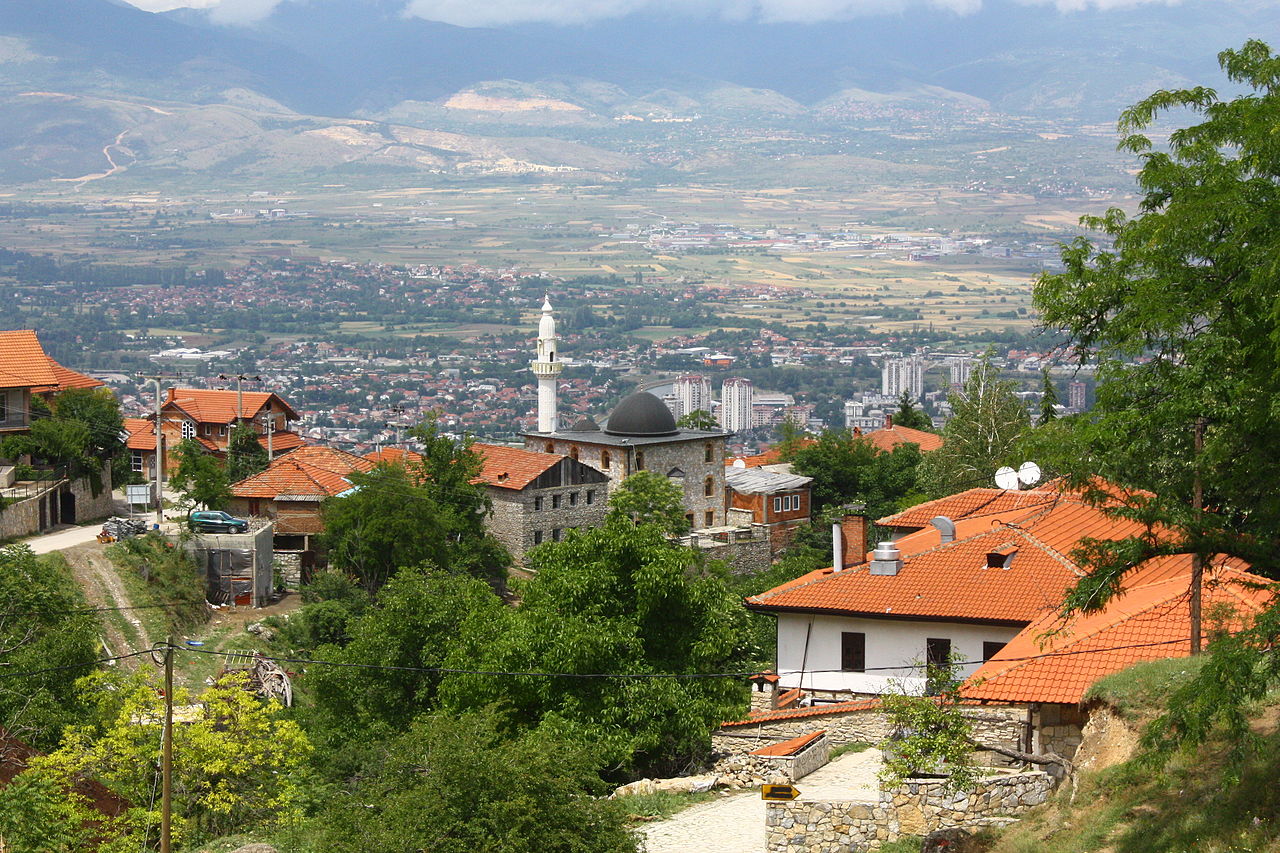
If you look at a map of the Balkans, you will find a small, landlocked nation tucked quietly between Greece, Albania, Bulgaria, Serbia, and Kosovo. For years, North Macedonia has been the "drive-through" country for travelers heading to Greek beaches, but to overlook it is a mistake.
North Macedonia is a place where history doesn't just sit in museums; it is lived in the streets. It is a land where jagged mountain peaks reflect into some of the oldest lakes on Earth, and where the aroma of fresh roasted peppers and Turkish coffee fills the air of ancient bazaars. It is affordable, safe, and profoundly beautiful.
If you are ready to explore the road less traveled, here is your factual guide to the Land of the Sun.
1. Skopje: The Capital of Contrasts
Your journey will almost certainly begin in Skopje, a capital city that defies easy description. A massive earthquake in 1963 destroyed much of the city, and the rebuilding efforts have created a unique urban tapestry where brutalist concrete meets Ottoman history and neoclassical grandeur.

Source- WikiVoyage
- The Stone Bridge: This is the symbol of the city. Built in the 15th century under the patronage of Sultan Mehmed II, this bridge connects the two distinct halves of Skopje. On one side lies the modern "Macedonia Square," filled with massive statues and grand fountains from the controversial "Skopje 2014" project. On the other side lies the soul of the city: the Old Bazaar.
- The Old Bazaar (Stara Čaršija): Crossing the bridge feels like stepping back in time. This is the largest bazaar in the Balkans outside of Istanbul. It is a maze of cobblestone streets, tea houses, and tiny shops selling filigree silver jewelry. The vibe here is slow and rhythmic. Shop owners sit outside sipping tea, and the architecture is dominated by the domes of ancient hamams and the minarets of historic mosques like the Mustafa Pasha Mosque, built in 1492.
- Mother Teresa Memorial House: Skopje is the birthplace of Mother Teresa (born Anjezë Gonxhe Bojaxhiu). On the modern side of the city, you can visit her memorial house, built on the site of the church where she was baptized. It is a quiet, moving tribute to her life of service.
2. The Connectivity Reality: Why You Need an eSIM
Here is a vital logistical fact that catches many travelers off guard. North Macedonia is not in the European Union.
The Roaming Trap If you are traveling with a SIM card from the UK, the US, or even an EU country, crossing the border into North Macedonia can trigger massive "Rest of World" roaming charges. Your standard "Europe" data plan often stops working the moment you enter the country.
The Navigation Challenge
- Winding Roads: If you plan to rent a car to drive to Ohrid or the mountains, you will be navigating winding, single-lane roads that often lack clear signage in English.
- Translation: In the Old Bazaar or rural villages, English proficiency can vary. You will frequently rely on translation apps to read menus or communicate with shopkeepers.
The Solution: The eSIM To avoid a bill shock and ensure you can navigate safely, purchase a North Macedonia-compatible eSIM data plan before you fly.
- The Benefit: An eSIM connects you to local networks (like Makedonski Telekom or A1) the moment you land. It allows you to download offline maps, use the SkopjeBus app to navigate public transport, and check the opening times of museums without hunting for Wi-Fi. It is the smartest investment you can make for your trip.
3. Matka Canyon: The Nature Escape
Just 15 kilometers (9 miles) west of Skopje lies Matka Canyon, a stunning gorge carved by the Treska River. It is the favorite weekend getaway for locals and an absolute must for visitors.
- The Boat Ride: The best way to experience the canyon is from the water. You can rent a kayak or take a small motorized boat ride down the emerald-green river. The cliffs tower high above you, dotted with medieval monasteries that seem to cling to the rock face.
- Vrelo Cave: The boat trips usually stop at Vrelo Cave, one of the deepest underwater caves in the world. While you can only walk into the first part of the cave to see the massive stalactites, divers have explored it to depths of over 200 meters, and the bottom has still not been found.
4. Ohrid: The Jewel of the Balkans
If Skopje is the head of the country, Ohrid is its heart. A three-hour drive southwest brings you to this UNESCO World Heritage site, often called the "Jerusalem of the Balkans" because it once had 365 churches—one for every day of the year.
- Lake Ohrid: This is one of the oldest and deepest lakes in Europe, dating back millions of years. The water is famously clear; on a calm day, you can see the bottom at depths of up to 20 meters.

- Source- WikiVoyage
- The Church of St. John at Kaneo: You have likely seen pictures of this church before. Perched on a cliff overlooking the vast blue lake, it is the most photographed spot in the country. The walk there takes you through the winding streets of the old town and along a scenic wooden boardwalk over the water.
- The Ancient Theatre: Built in 200 BC, this Hellenistic theatre was uncovered by accident in the 1980s. Today, it is fully restored and serves as a spectacular venue for summer concerts with a view of the lake.
5. Mavrovo National Park: The Sunken Church
For those who love the mountains, Mavrovo National Park offers pristine alpine scenery.
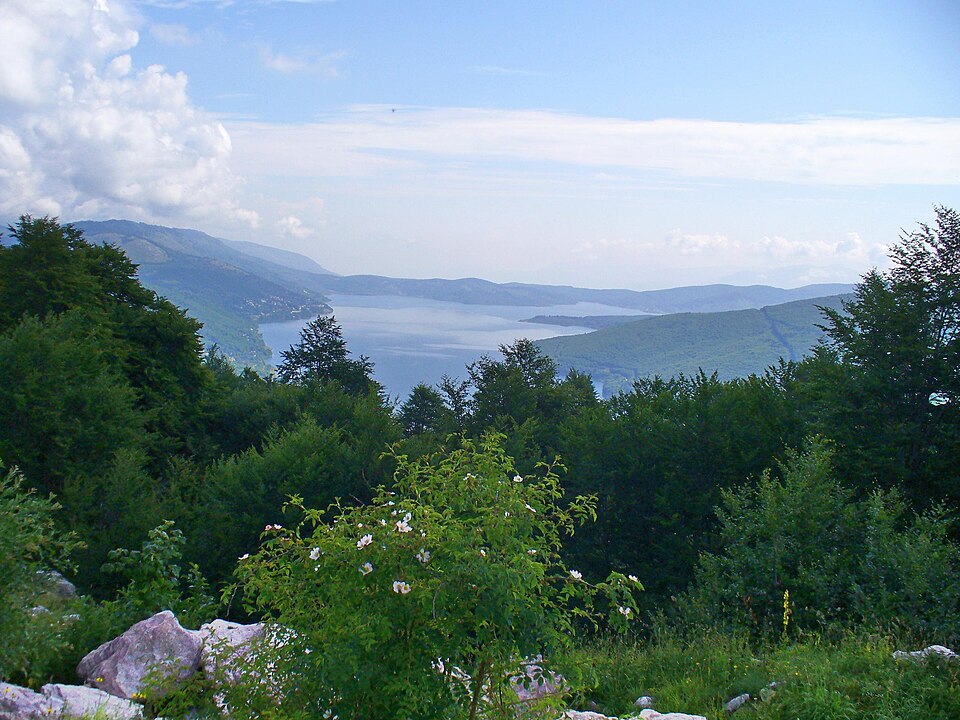
- The Sunken Church: The most iconic sight here is the Church of St. Nicholas in Mavrovo Lake. Built in 1850, it was submerged when the artificial lake was created in 1953. Today, depending on the water levels, you can see the abandoned church either half-submerged in water or sitting on a dry, cracked mud plain. It is a haunting, beautiful sight.
- Source- By Novica Nakov, CC BY-SA 2.0
6. A Taste of Macedonia
Macedonian cuisine is a bridge between the Mediterranean and the Middle East. It relies heavily on fresh vegetables, quality dairy, and slow-cooked meats.
- Tavče Gravče: This is the national dish. It consists of fresh white beans slow-cooked in a traditional earthenware pot (tava) with onions, paprika, and dried peppers. It is savory, comforting, and completely vegetarian.
- Ajvar: You cannot leave the country without trying this. Ajvar is a rich, red pepper spread made from roasted red peppers and eggplant. It is colloquially known as "Macedonian Caviar" because of the labor-intensive process required to make it. It is usually served with fresh white cheese (sirenje) and warm bread.
- Burek: The ultimate breakfast food. These are layers of thin, flaky phyllo dough filled with spinach, cheese, or minced beef. You will find burekdžilnica (burek shops) on almost every corner.
- Kebapi: In the Old Bazaar of Skopje, you will smell the smoke of the grill. Kebapi are small, skinless sausages made of minced beef, grilled over charcoal and served with flatbread, onions, and hot green peppers.
Why Go Now?
North Macedonia is currently in a "Goldilocks" zone for travel. It has the infrastructure to make travel easy, yet it lacks the overcrowding of places like Dubrovnik or Santorini. The locals are genuinely curious and welcoming, the coffee culture is vibrant, and the history is deep. By sorting your connectivity with an eSIM and bringing a good pair of walking shoes, you can discover one of Europe's last true hidden treasures.