
Niue: Discovering the "Rock of Polynesia"
Source: Britannica
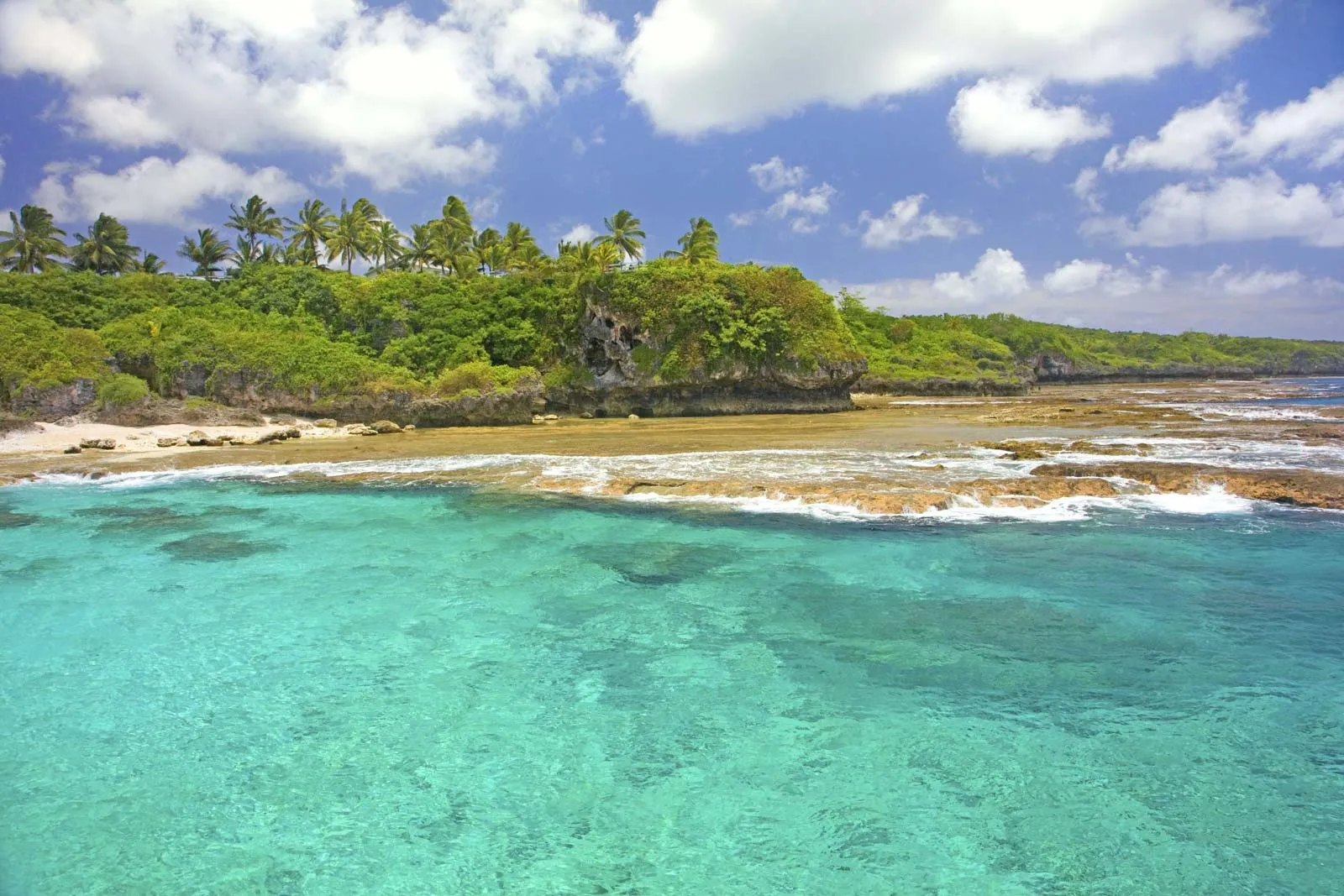
Niue is unlike any other island in the South Pacific. It is not a place of sprawling resorts or crowded white-sand beaches. Instead, this tiny nation—affectionately known as "The Rock"—is the world’s largest raised coral atoll. Here, the landscape is defined by dramatic limestone cliffs that plunge into some of the clearest waters on the planet, with underwater visibility often reaching a staggering 60 meters.
For the traveler seeking a truly detached and authentic escape, Niue offers an exclusive experience. With a population of just over 1,500 people and a weekly flight schedule that keeps visitor numbers low, you will often find yourself alone in a massive sea cave or snorkeling in a private natural pool.
1. The Geography of "The Rock"
Niue’s beauty is rugged and vertical. Because the island is a raised atoll, it doesn't have the fringing reefs and lagoons typical of its neighbors like Fiji or Samoa. Instead, the ocean floor drops off almost immediately from the shore.
- Matapa Chasm: Historically reserved as a bathing place for Niuean royalty, this spectacular chasm is a deep, narrow channel of water sheltered by towering cliffs. The mix of fresh water from inland springs and cool sea water makes it one of the most refreshing and scenic swimming spots on the island.
- Limu Pools: Imagine a massive, natural aquarium. These coral rock pools are protected from the ocean swells, creating a calm sanctuary filled with bright tropical fish and sea snakes (the local katuali). It is arguably the best snorkeling spot on the island.
- Togo Chasm: This is Niue’s most iconic adventure. After a trek through a jagged "pinnacle" forest of ancient coral, you descend a long ladder into a hidden sandy oasis tucked inside a massive limestone fissure. It feels like stepping into a prehistoric world.
2. The Adventure: Whales and Caves
Niue is a destination for the active and the curious. The island’s unique geology has created a labyrinth of caves and arches just waiting to be explored.
- Avaiki Cave: Known for its stunning limestone formations and a natural pool that glows deep blue at low tide. It is a place of immense cultural significance and breathtaking natural beauty.
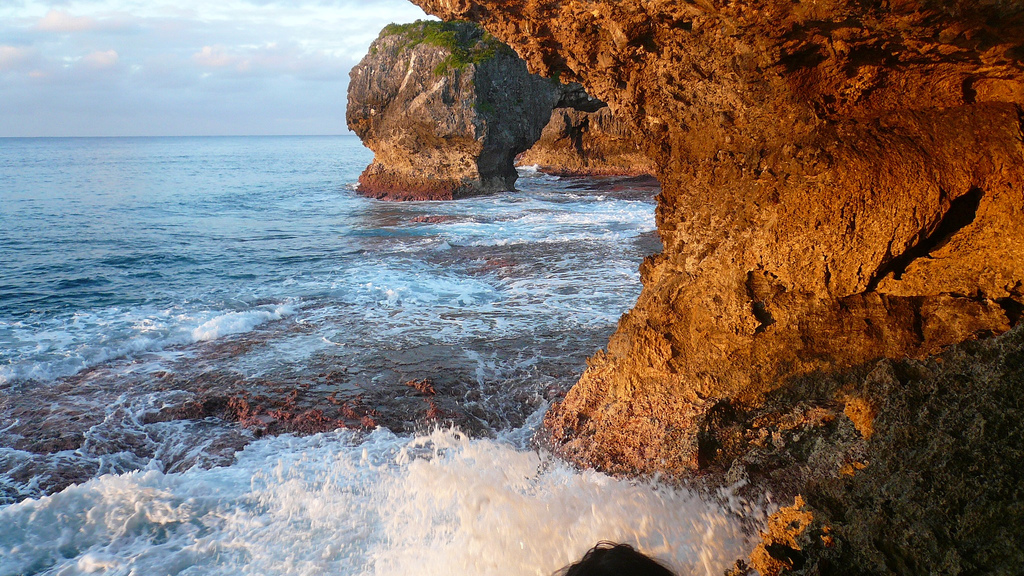
- Talava Arches: A series of massive coastal arches that stretch across the reef. Reaching them involves a jungle hike and a bit of a scramble through caves, but the sight of the Pacific crashing through the stone arches is worth every step.
- Source- vuorikari, CC BY-SA 2.0, via Wikimedia Commons
- Swimming with Whales: Between July and October, humpback whales migrate through Niue’s warm waters to nurse their calves. Because the water is so deep right at the shore, you can often see these giants breaching from the comfort of a clifftop cafe. Niue is also one of the few places in the world where you can legally enter the water with them under strict environmental guidelines.
3. The Connectivity Reality: Why an eSIM is Essential in 2026
While the goal of visiting Niue is often to "unplug," the reality of navigating a remote island in 2026 requires a reliable digital toolkit. Niue has no public transport—no buses, no trains, and no taxis on demand. To see the island, you must rent a car or a motorcycle.
The Logistics of "The Rock"
- Navigating the Sea Tracks: The island is ringed by "sea tracks"—small, often unmarked paths leading from the main road to the hidden chasms and pools. You will rely heavily on real-time GPS and digital maps to find these entrances.
- Booking Tours: Many of Niue's best experiences, like the Uga (Coconut Crab) hunting tours or guided forest hikes, are run by local families. Coordinating meeting points and times requires constant, reliable communication.
The Solution: The eSIM To stay connected without the hassle of local bureaucracy, purchase a Niue-compatible eSIM data plan before you arrive.
The Benefit: In 2026, the transition to eSIM technology has made island travel significantly easier. Instead of hunting for a physical SIM card at the small airport terminal or navigating a cash-based system for top-ups, an eSIM allows you to activate a local data plan the moment you land. It ensures you have immediate access to maps, emergency contacts, and local weather alerts—crucial for timing your visits to the caves at low tide.
4. A Taste of Niue
Niuean cuisine is a reflection of the island's self-reliance. It is hearty, fresh, and focuses on the "bounty of the land and sea." Traditional meals are often cooked in an Umu (an underground earth oven), which imparts a unique, smoky flavor to the food.
- Uga (Coconut Crab): This is Niue’s most famous delicacy. These massive land-dwelling crabs feed on coconuts, giving their meat a rich, sweet, and nutty flavor. They are a prized traditional food and a must-try for any visitor.
- Ota Ika: A refreshing Polynesian staple. Freshly caught fish is marinated in lime juice and mixed with rich coconut cream, cucumber, and onions. It is light, healthy, and perfectly suited to the tropical climate.
- Starchy Staples: Every Niuean meal is accompanied by Talo (taro), breadfruit, or cassava. These are often roasted in the Umu or turned into sweet treats like Takihi—a savory-sweet dish made of layered taro and ripe papaya baked with coconut cream.
- Nane Pia: A traditional Niuean porridge made from arrowroot and coconut. It is a comforting, warm breakfast dish that provides plenty of energy for a day of hiking the coral trails.
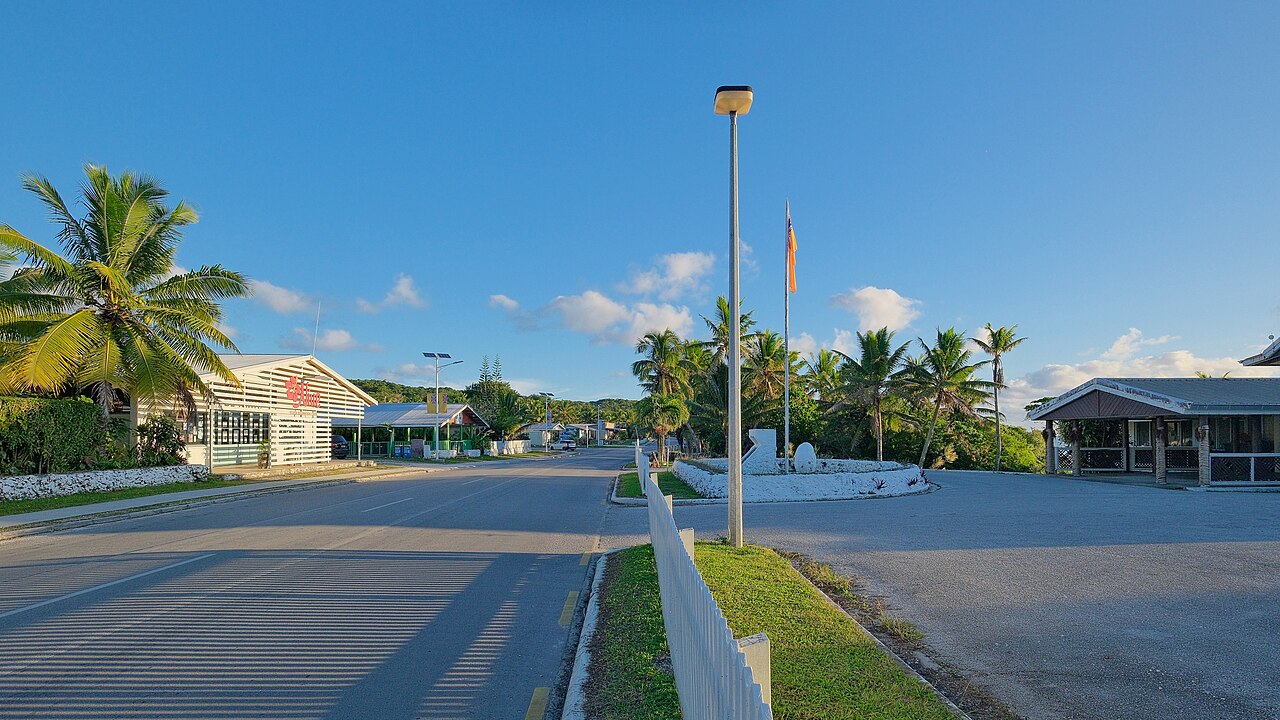
The main street in Alofi, the capital of Niue. Source- By Pseudopanax at English Wikipedia - Own work, Public Domain
5. Cultural Etiquette and Practicalities
Niue is a deeply traditional and predominantly Christian society. Visitors are welcomed with immense warmth, but it is important to respect local customs.
- Sunday is Sacred: Sunday is a day of rest and worship in Niue. Most businesses are closed, and it is expected that visitors refrain from loud activities or work. It is a beautiful time to attend a local church service to hear the powerful, harmonic singing of the Niuean people.
- Modest Dress: When walking through villages or visiting the capital of Alofi, it is respectful to keep shoulders and knees covered.
- Currency: Niue uses the New Zealand Dollar (NZD). While some larger establishments accept cards, the economy is still largely cash-based, so it is essential to have enough physical currency for local markets and small vendors.
Why Visit Niue Now?
Niue is a destination that demands presence. It is a place where you can’t just "look" at nature; you have to climb through it, swim in it, and respect its tides. It offers a rare luxury in our modern world: the chance to be the only person on a trail, the only swimmer in a pool, and the only witness to a sunset over the Pacific. By securing your car rental and setting up your eSIM for easy navigation, you are perfectly equipped to uncover the secrets of the Pacific's most remarkable "Rock."