
Nigeria: The Giant of Africa
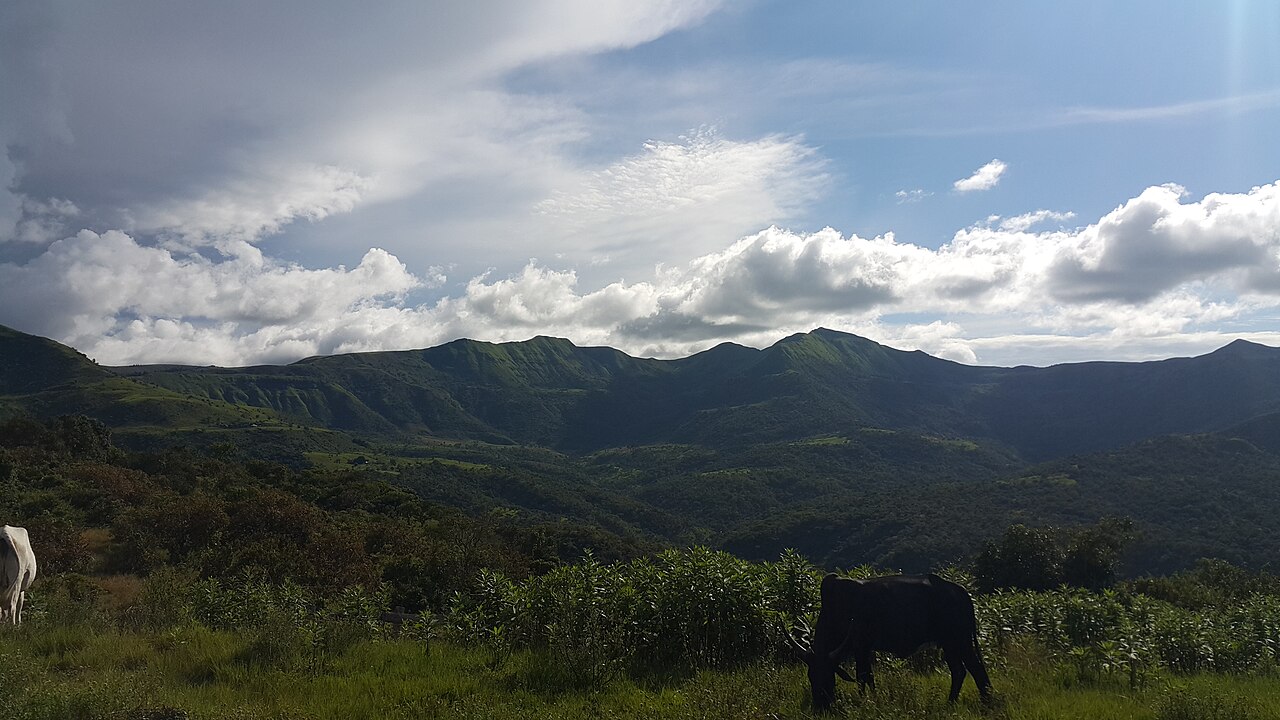
Nigeria is a destination that defies simple description. It is the most populous country in Africa, a powerhouse of culture, and a land where ancient traditions sit side-by-side with rapid modernization. From the Savannahs of the north to the rainforests of the south, Nigeria is a sensory experience that is loud, colorful, and undeniably vibrant.
Writing a travel guide for Nigeria requires honesty. It is an adventurous destination that rewards the prepared traveler. While parts of the country face significant security challenges, the established "safe corridors" of Lagos and Abuja offer incredible opportunities to witness the artistic and economic engine of the continent.
If you are ready to look beyond the headlines, here is your factual guide to exploring Nigeria.
1. Lagos: The City That Never Sleeps
Your journey will likely begin in Lagos, a sprawling metropolis that serves as the commercial nerve center of the country. It is frantic, fast, and fascinating.
- Lekki Conservation Centre: To escape the city's famous traffic, head to this 78-hectare nature reserve. It is famous for having the longest canopy walkway in Africa. suspended high above the mangrove floor. Walking amongst the monkeys and birds at treetop level is a serene contrast to the concrete jungle below.
- Nike Art Gallery: Owned by the legendary artist Nike Davies-Okundaye, this five-story gallery is arguably the most significant art destination in West Africa. It houses thousands of traditional and contemporary Nigerian artworks. You can often meet "Mama Nike" herself, who frequently offers tours and discusses the intricate adire (indigo-dyed cloth) patterns.
2. Abuja: The Planned Capital
A short flight north brings you to Abuja, the nation’s capital. Unlike the chaotic energy of Lagos, Abuja is a planned city defined by wide roads, green parks, and massive geological landmarks.
- Zuma Rock: You cannot miss this. Rising 725 meters above the surrounding landscape, this massive monolith is often called the "Gateway to Abuja." It is featured on the 100 Naira bill. Local legends say the rock possesses a human face, which you can clearly see etched into the stone on the western side.
- The National Mosque: This is one of the most stunning architectural sites in the country. Its golden dome and four towering minarets dominate the skyline. It is open to the public (outside of prayer times), and visitors are welcome to admire the intricate architecture and peaceful library grounds.
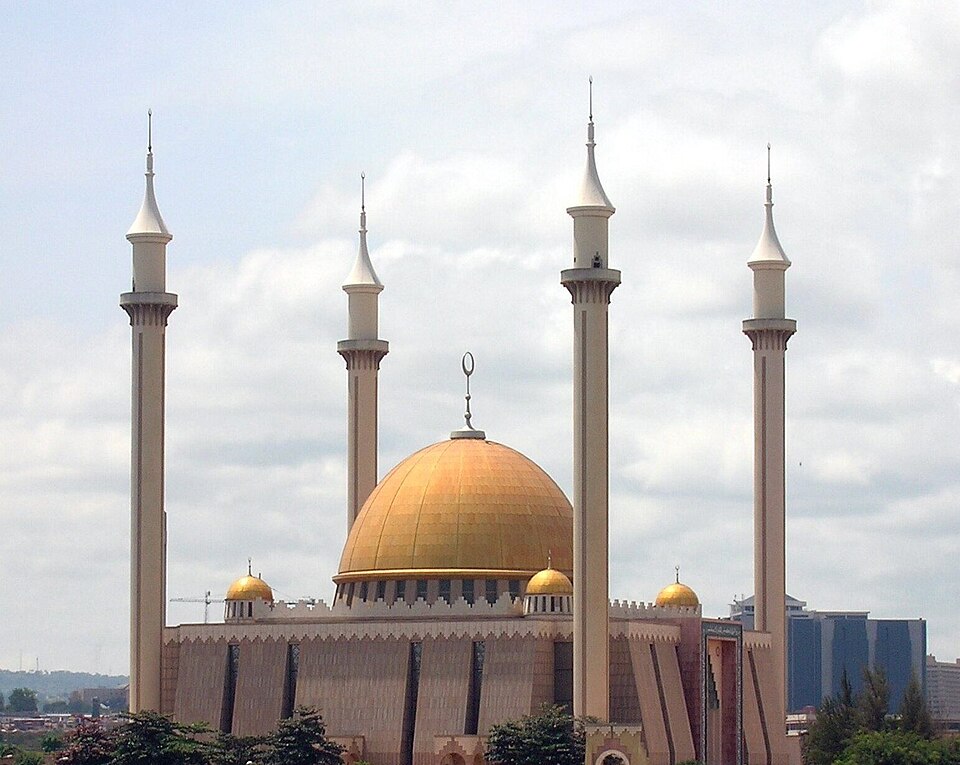
- Source- By Shiraz Chakera - Abuja's central mosque, CC BY-SA 2.0
3. The Connectivity Reality: Why You Need an eSIM
Here is a critical logistical fact for your trip. Nigeria is a digital-first society where banking, transport, and communication happen online. However, public Wi-Fi is rare and often insecure.
The Navigation & Safety Challenge
- The Traffic: In Lagos, traffic jams (known as "go-slows") are legendary. You will rely heavily on ride-hailing apps like Uber or Bolt to get around safely and efficiently. These apps require a constant data connection.
- Security Awareness: Staying updated with local news and maintaining a line of communication with your host or hotel is a vital safety practice. You do not want to be stranded without a signal.
The Solution: The eSIM To ensure you have a secure, reliable connection the moment you step off the plane, purchase a Nigeria-compatible eSIM data plan before you fly.
- The Benefit: An eSIM connects you to major local networks (like MTN or Airtel) instantly upon arrival at Murtala Muhammed International Airport. It allows you to order your secure airport pickup, share your live location with family, and load offline maps without the stress of finding a SIM vendor or registering your biometrics at a kiosk.
4. Olumo Rock: The Fortress of Abeokuta
An hour’s drive from Lagos lies the historic city of Abeokuta, home to Olumo Rock.
- The History: This massive granite rock served as a natural fortress for the Egba people during inter-tribal wars in the 19th century. "Olumo" literally means "under the rock."
- The Experience: You can climb the stairs (or take the modern elevator) to the summit. Along the way, you will see ancient shrines, caves where warriors once hid, and statues of past heroes. The view from the top offers a panoramic look at the rusty-brown tin roofs of the ancient city below.
5. A Taste of Nigeria
Nigerian cuisine is bold, spicy, and heavily communal.
- Jollof Rice: This is not just food; it is a national identity. Nigerian Jollof is a one-pot rice dish cooked in a rich, smoky tomato and pepper sauce. It is spicy, flavorful, and served at every celebration.
- Pounded Yam and Egusi: This is a "swallow"—a dense, dough-like starch made from boiled yams, meant to be eaten with your hands. It is dipped into Egusi soup, a rich, savory stew made from ground melon seeds, spinach, and chunks of beef or fish.
- Suya: The ultimate street food. Suya consists of thin strips of beef, generously coated in a spicy peanut blend (Yaji spice) and grilled over an open flame. It is usually served in newspaper with fresh onions and cabbage. Note: It is very spicy.
- Moi Moi: A delicious steamed bean pudding made from black-eyed peas, onions, and fresh ground peppers. It is protein-rich and often served as a side dish or a light main.
Cultural Etiquette for the Traveler
- Greetings Matter: In Nigeria, greeting is a sign of respect. When entering a room, always greet the people there. If you are meeting an elder, a slight bow (for men) or a courteous nod is a sign of good upbringing.
- The Right Hand: Always use your right hand to eat, shake hands, or give and receive items. Using the left hand is considered culturally rude.
- Dress Modestly: Nigeria is a conservative society. When visiting religious sites or rural areas, modest dress (covering shoulders and knees) is expected and appreciated.
Why Go Now?
Nigeria is not a "tourist" destination in the traditional sense; it is a traveler’s destination. It challenges you and rewards you with an energy that is impossible to replicate. By sticking to safe zones, using reputable transport, and securing your digital lifeline with an eSIM, you can experience the warmth, the chaos, and the undeniable greatness of the Giant of Africa.