
New Zealand: A Journey to the Edge of the World
Source: By Julius Silver, CC-BY 3.0
New Zealand (Aotearoa) is often described as the world’s ultimate movie set, and for good reason. It is a land where the scenery changes so abruptly it feels like a glitch in the simulation—shifting from emerald-green rolling hills to jagged alpine peaks, and from golden beaches to prehistoric rainforests in the span of a few hours.
For the traveler, New Zealand offers a rare combination: the raw, untamed power of nature coupled with an infrastructure that makes exploring it surprisingly accessible. Whether you are chasing the legacy of Middle-earth or looking for silence in the Southern Alps, this is a country that demands to be explored by road.
Here is your factual guide to the Land of the Long White Cloud.
1. The North Island: Geothermal Giants and Cultural Heart
Your journey will likely begin in Auckland, the "City of Sails." While the skyline is impressive, the true magic of the North Island lies south of the city.
- Rotorua: This is the geothermal epicenter of the country. The air here carries the distinct scent of sulfur, a reminder of the volcanic activity just beneath your feet. Visit Te Puia to see the Pōhutu Geyser, which erupts up to 30 meters (100 feet) into the air. Rotorua is also a vital hub for Māori culture. You can visit a living Māori village to witness a traditional haka performance and learn about the deep spiritual connection the indigenous people have with the land.
- Hobbiton: Even if you aren't a die-hard fantasy fan, the Hobbiton Movie Set in Matamata is a masterpiece of landscaping. The lush, rolling pastures of the Alexander Farm were transformed into the Shire, complete with 44 permanently reconstructed Hobbit Holes. It is a serene, beautifully maintained garden tour that feels entirely removed from the modern world.
- Waitomo Caves: Head underground to witness one of New Zealand’s most unique natural phenomena. The limestone caves here are illuminated by thousands of Arachnocampa luminosa—glowworms unique to New Zealand. Taking a silent boat ride through the "Glowworm Grotto" feels like floating through a starry night sky, buried deep underground.
2. The Connectivity Reality: Why You Need an eSIM
Here is a vital logistical reality for any New Zealand road trip. The country is long, narrow, and incredibly rugged. While the cities have excellent 5G, the most beautiful roads—like the Desert Road in the North or the Lindis Pass in the South—wind through remote, uninhabited terrain.
The Navigation Challenge
- Remote Roads: You will spend hours driving through areas where the radio fades to static. Reliable GPS is not just a convenience; it is a safety requirement.
- Safety First: New Zealand’s weather is notoriously changeable ("four seasons in one day"). If you are hiking or driving in remote areas, having a connection to check real-time weather warnings from MetService is crucial.
The Solution: The eSIM To ensure you stay connected from the tip of Cape Reinga to the bottom of Stewart Island, purchase a New Zealand-compatible eSIM data plan before you fly.
- The Benefit: An eSIM connects you to top local networks (like Spark, One NZ, or 2degrees) the moment you land. It means you can immediately load your offline maps, check road closure updates, and pull up your digital campervan bookings without hunting for a Wi-Fi signal or waiting in line at an airport kiosk.
3. The South Island: Alpine Peaks and Fjords
Crossing the Cook Strait by ferry brings you to the South Island, where the landscapes become bigger, bolder, and wilder.
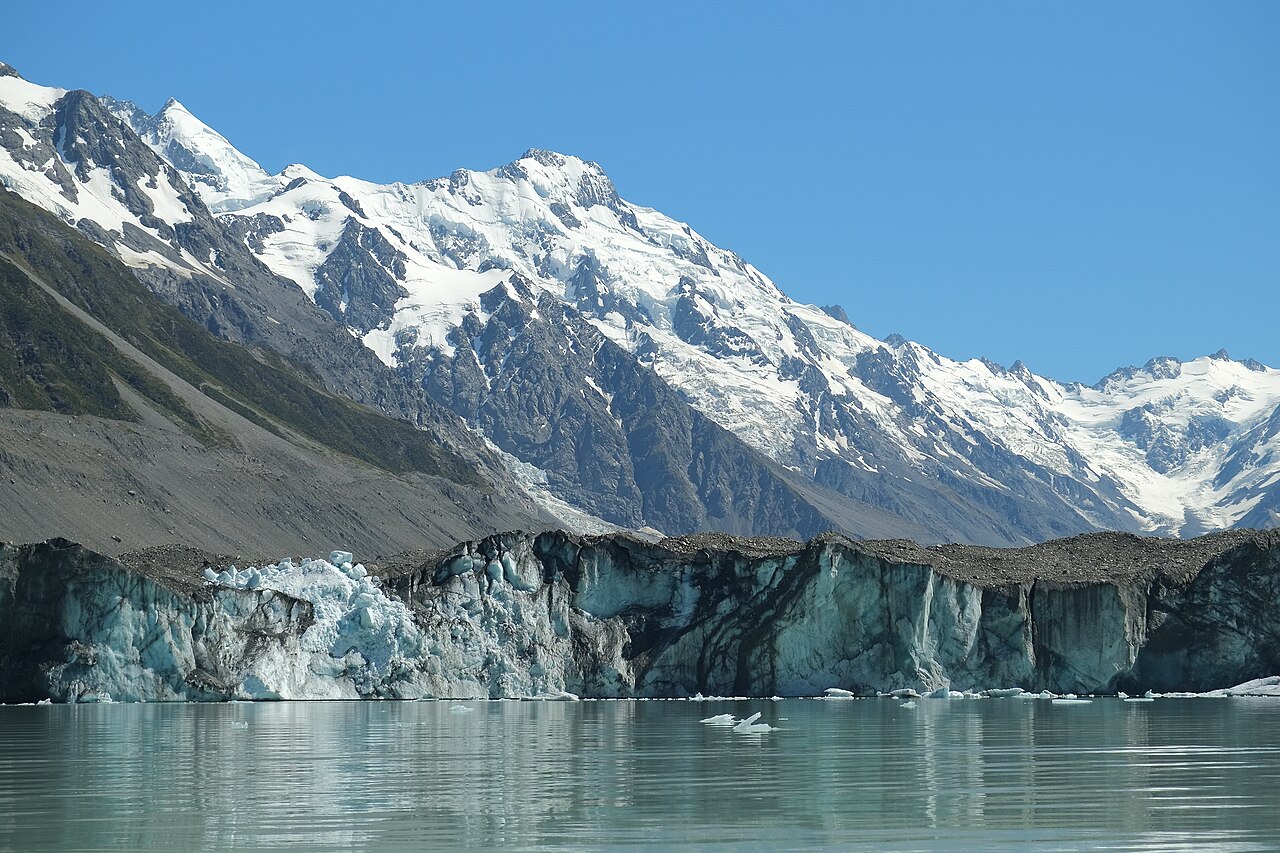
- Aoraki / Mount Cook: Driving towards New Zealand’s highest peak is a humbling experience. The road hugs the side of the turquoise Lake Pukaki, leading you straight toward the snow-capped giant. There are several accessible day hikes here, such as the Hooker Valley Track, which crosses three swing bridges and ends at a glacial lake filled with floating icebergs.
- Source- By Pseudopanax@Wikimedia, CC BY 3.0
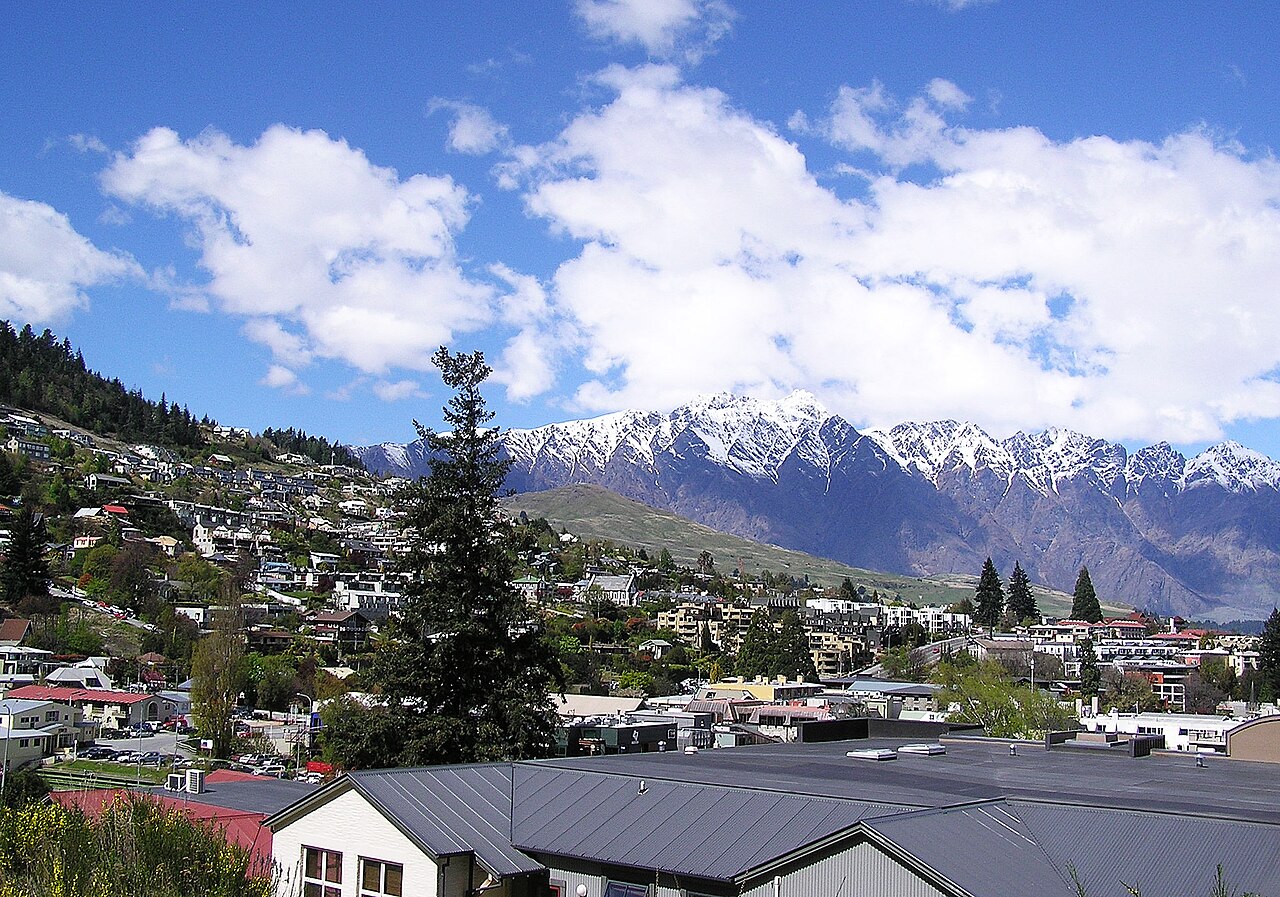
- Queenstown: Nestled on the shores of Lake Wakatipu and surrounded by the Remarkables mountain range, this is the adventure capital of the world. It is the birthplace of commercial bungy jumping, but for a calmer pace, you can take the Skyline Gondola for a panoramic view of the city or cruise the lake on the historic TSS Earnslaw steamship.
- Source- By Donaldytong - Own work, CC BY-SA 3.0
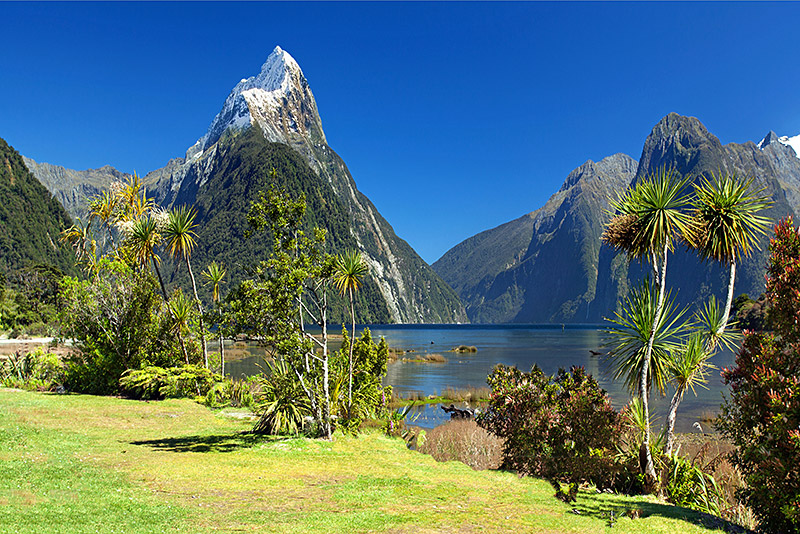
- Milford Sound (Piopiotahi): Rudyard Kipling called this the "Eighth Wonder of the World." It is a fiord carved by ancient glaciers, where sheer rock faces rise 1,200 meters vertically out of the dark water. The drive there from Te Anau is spectacular, but the cruise is the highlight. You will likely see fur seals basking on the rocks and waterfalls that crash directly onto the boat's deck. Pro tip: It rains here over 180 days a year—don't cancel your trip for rain; it only makes the temporary waterfalls more spectacular.
4. Dark Sky Sanctuaries
New Zealand is home to some of the darkest skies on Earth. The Aoraki Mackenzie International Dark Sky Reserve is a 4,300 square kilometer area strictly controlled to minimize light pollution.
- Lake Tekapo: Located within the reserve, this is one of the best places in the world for stargazing. On a clear night, you can see the Milky Way stretch across the sky with the naked eye. Visit the iconic Church of the Good Shepherd at night for a breathtaking photo opportunity against the starry backdrop.
5. A Taste of Aotearoa
New Zealand’s cuisine is a reflection of its coastline and agricultural prowess. It is fresh, unpretentious, and relies on high-quality ingredients.
- Kaimoana (Seafood): With 15,000 kilometers of coastline, seafood is a staple. Try the famous Green-lipped Mussels, which are large, plump, and unique to New Zealand waters. Crayfish (rock lobster) is a delicacy often found in coastal towns like Kaikoura.
- Roast Lamb: New Zealand lamb is world-famous for its tenderness and flavor. It is a Sunday standard across the country, typically served with roasted kumara (sweet potato), pumpkin, and mint sauce. Fish and Chips: A Friday night tradition. The fish is often shark (lemon fish), tarakihi, or snapper, battered and fried until golden. Grab a scoop of chips and eat them on the beach for the authentic Kiwi experience.
6. Essential Logistics: NZeTA and Biosecurity
- The Visa: Before you travel, almost all visitors from visa-waiver countries (including the US, UK, and Canada) must request an NZeTA (New Zealand Electronic Travel Authority). You can do this easily via the official mobile app. It costs a small fee and includes the International Visitor Conservation and Tourism Levy (IVL), which goes towards protecting the environment you are coming to see.
- Biosecurity: New Zealand takes its biosecurity incredibly seriously to protect its unique ecosystem. You must declare all hiking boots, camping gear, and food items upon arrival. Dirty hiking boots with soil on them can be confiscated or require expensive cleaning, so scrub your gear thoroughly before you pack.
Why Go Now?
New Zealand is a place that recalibrates your sense of scale. It is a country where you can feel small in the best possible way—standing beneath a towering kauri tree or looking out over a silent, mist-covered fjord. By preparing your NZeTA early and securing your digital connection with an eSIM, you are ready to explore one of the last great wildernesses on the planet.