
Nepal: Where the Earth Touches the Sky
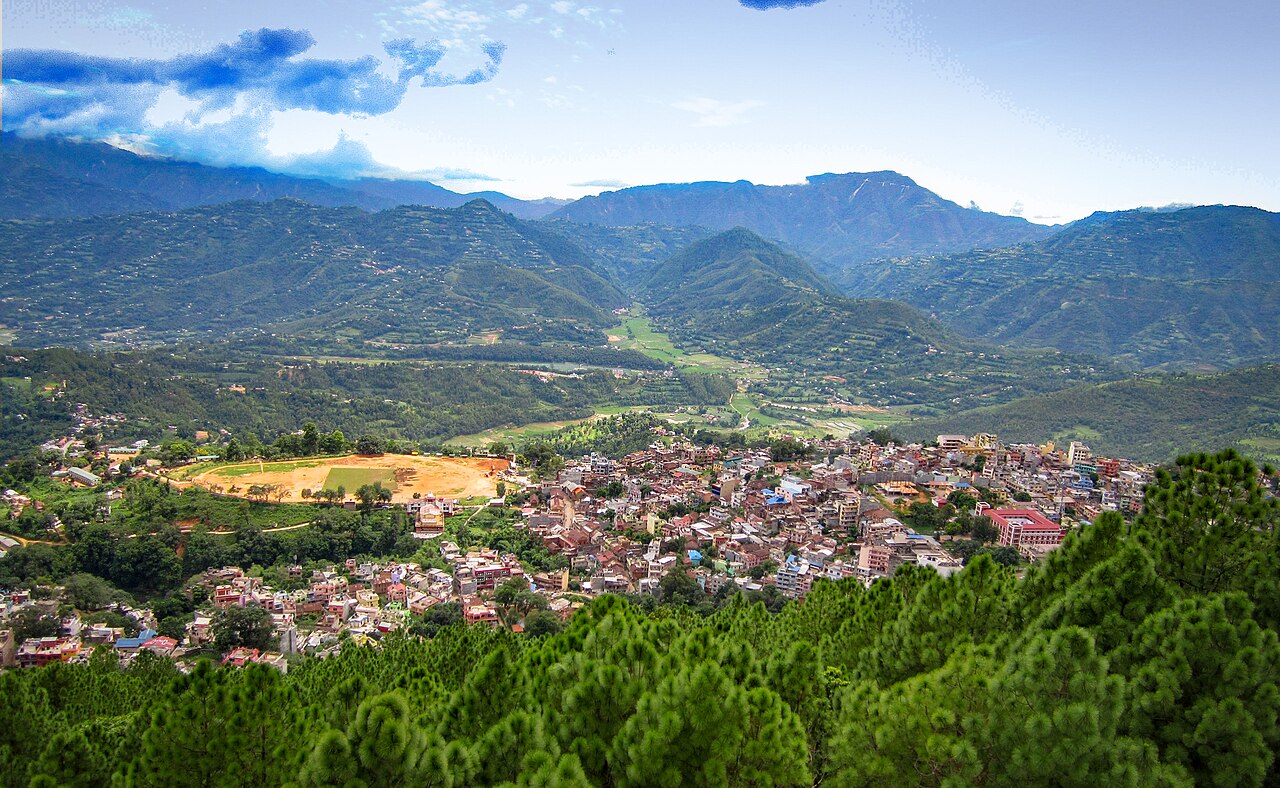
Nepal is not just a destination; it is a spiritual geography. It is a land where the air is thinner, the colors are brighter, and the mountains are so tall they seem to scrape the very edge of the atmosphere.
Sandwiched between the giants of India and China, this Himalayan nation offers a travel experience that is equal parts chaotic energy and profound peace. From the sensory overload of Kathmandu’s medieval streets to the silence of the Annapurna trails, Nepal changes you.
If you are ready to trek, pray, and eat your way through the roof of the world, here is your factual guide to Nepal.
1. Kathmandu: The Dust and the Divine
Your journey begins in Kathmandu, a city that assaults the senses in the best way possible. It is a living museum where ancient heritage sites sit casually amidst bustling traffic and vibrant markets.
- Swayambhunath (The Monkey Temple): Perched atop a hill overlooking the valley, this ancient stupa is an icon of the city. As you climb the 365 stone steps, you will likely be escorted by the resident macaque monkeys. The view from the top—a sea of terracotta roofs under the watchful painted eyes of the Buddha—is the perfect introduction to the country.
- Boudhanath Stupa: In contrast to the hilltop isolation of Swayambhunath, Boudhanath sits in the heart of the city. It is one of the largest spherical stupas in the world and the center of Tibetan Buddhism in Nepal. Visit at dusk to join hundreds of monks and locals circumambulating the dome, lighting butter lamps as the sun sets.
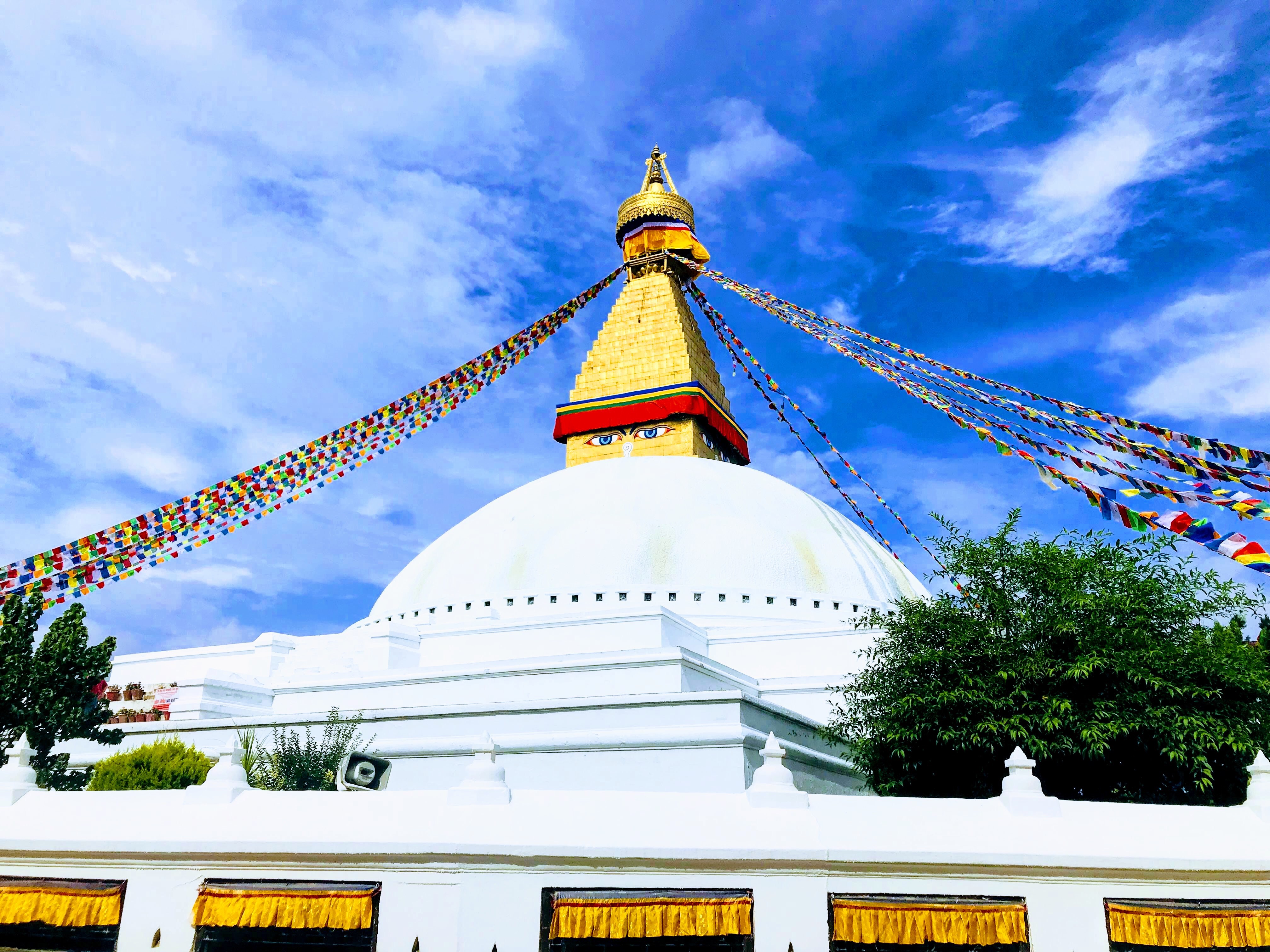
- Source- By Sumitbhatt222 - Own work, CC BY-SA 4.0
- Thamel: This is the traveler's hub—a maze of narrow alleys packed with trekking gear shops, pashmina stalls, and bakeries. It is the perfect place to gear up before heading into the mountains.
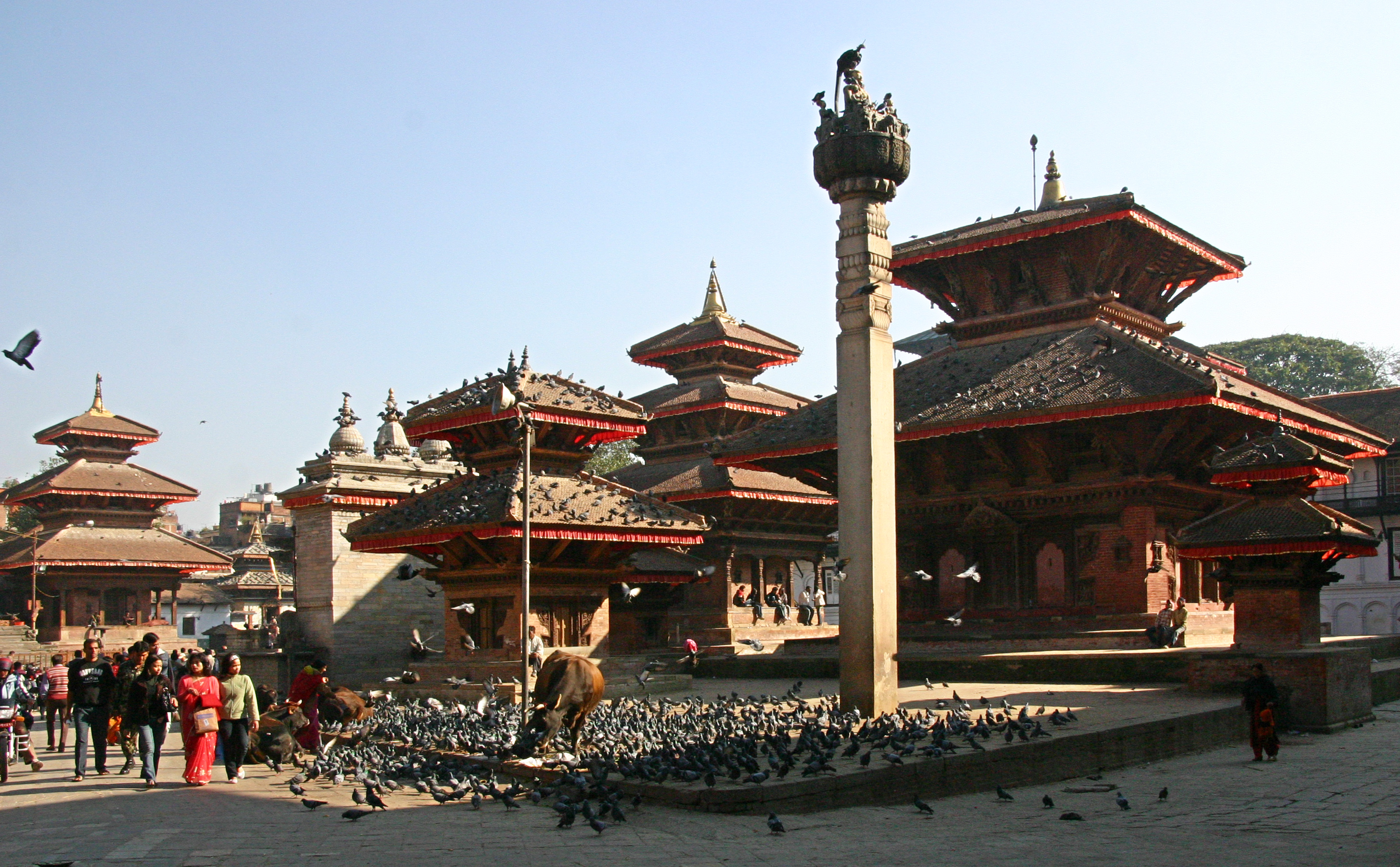
- Durbar Square, Kathmandu. Source- Gerd Eichmann, CC BY-SA 4.0, via Wikimedia Commons
2. The Connectivity Reality: Why You Need an eSIM
Here is a critical logistical fact for your trip. Whether you are navigating the labyrinth of Thamel or trekking between tea houses in the mountains, a reliable connection is your lifeline.
The Navigation & Safety Challenge
- The Paperwork: Buying a physical SIM card (like Ncell or Nepal Telecom) in Nepal is surprisingly bureaucratic. It often requires filling out paper forms, providing a passport-sized photo, and giving a photocopy of your passport visa page.
- Trekking Safety: If you plan on hiking, weather conditions can change in an instant. Having data allows you to check mountain weather forecasts, contact your guide, or download offline maps for the trail.
The Solution: The eSIM To skip the paperwork and the airport queues, purchase a Nepal-compatible eSIM data plan before you fly.
- The Benefit: An eSIM connects you to local networks the moment you land at Tribhuvan International Airport. It ensures you have immediate access to ride-sharing apps (like Pathao) to get to your hotel safely without negotiating with taxi drivers in a new currency.
3. Pokhara: The Gateway to the Annapurnas
A short 30-minute flight (or a bumpy 7-hour bus ride) west of the capital brings you to Pokhara. If Kathmandu is the chaotic head of Nepal, Pokhara is its chilled-out heart.
- Phewa Lake: The city is built around this massive, calm lake. On a clear day, the snow-capped peak of Machhapuchhre (Fishtail Mountain) is perfectly reflected in the water. Rent a colorful wooden boat (doonga) and paddle out to the Tal Barahi Temple located on a tiny island in the middle of the lake.
- World Peace Pagoda: For the best view, hike up to this brilliant white stupa perched on a ridge above the lake. The silence here is commanding, and the panoramic view of the Annapurna range is one of the best in the country.
4. Chitwan National Park: The Jungle Lowlands
Most people think of snow when they think of Nepal, but the southern strip of the country, known as the Terai, is a steaming, subtropical jungle.
- The Wildlife: Chitwan National Park is a massive success story in conservation. It is one of the best places in Asia to see the one-horned rhinoceros in the wild.
- The Safari: Take a jeep safari or a canoe ride down the Rapti River to spot rhinos, gharial crocodiles, and, if you are incredibly lucky, the elusive Royal Bengal tiger.
5. A Taste of the Himalayas
Nepali food is fuel. It is designed to keep you going up steep hills and through cold nights. It is heavily vegetarian-friendly and relies on fresh spices and lentils.
- Dal Bhat: There is a local saying: "Dal Bhat power, 24 hour." This is the national dish, eaten by locals twice a day. It is a platter consisting of steamed rice (bhat) and lentil soup (dal), served with vegetable curry (tarkari), spicy pickles (achar), and crisp papadum. It is traditionally all-you-can-eat; once your plate is empty, the host will come around to refill your rice and lentils until you signal you are full.
- Momos: These are the unofficial national snack. Momos are steamed dumplings filled with minced vegetables, chicken, or water buffalo (buff). They are served with a spicy, tomato-based dipping sauce. You will find them everywhere, from street stalls to high-end restaurants.
- Sel Roti: A traditional homemade ring-shaped rice bread which is sweet and deep-fried. It is crispy on the outside and soft on the inside, often eaten during festivals or as a breakfast treat with tea.
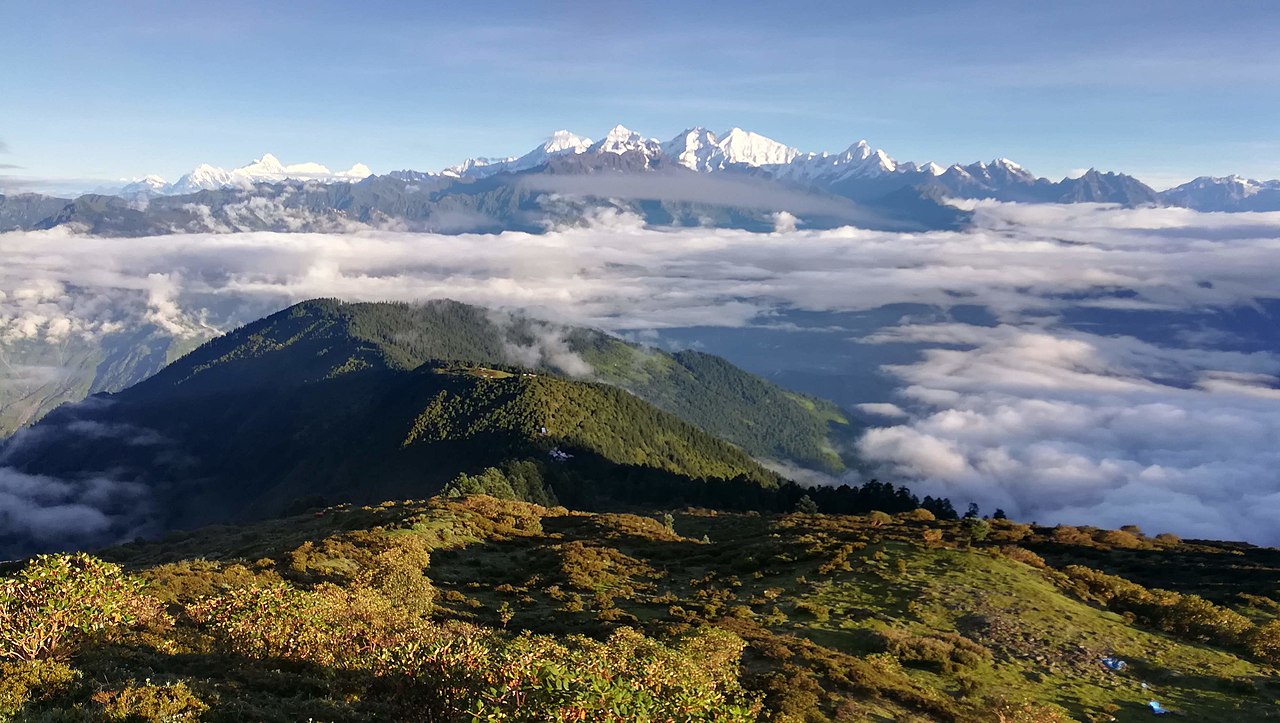
Source- PrashantKhanal09, CC BY-SA 4.0, via Wikimedia Commons
Why Go Now?
Nepal is a country that stays with you long after you leave. It is in the smile of the tea house owner, the flutter of prayer flags in the wind, and the first sight of Everest breaking through the clouds. By sorting your digital connectivity with an eSIM and packing your sense of adventure, you are ready to walk the paths of the ancients.