
Nauru: A 5-Minute Guide to the World’s Smallest Island Nation
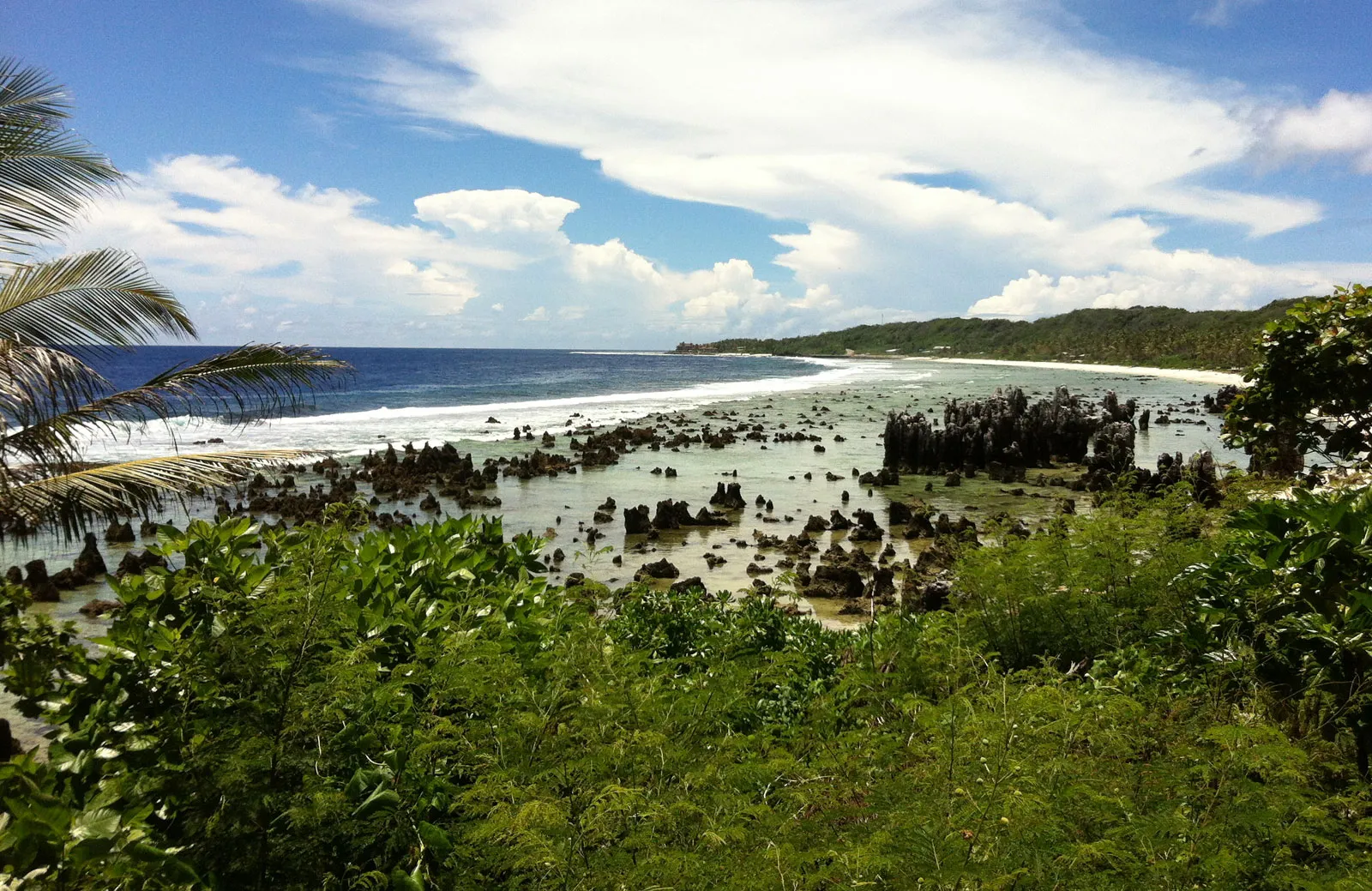
Source: Britannica
If you are looking for a destination that truly defines "off the beaten path," Nauru is it. Known as the "Pleasant Island," this tiny Micronesian nation is the smallest republic in the world—so small you can drive around the entire country in about 30 minutes.
Nauru is not your typical resort destination. There are no fancy overwater bungalows or crowded tour buses here. Instead, you will find a raw, fascinating landscape of phosphate pinnacles, deep historical roots from WWII, and a warm, tight-knit community that welcomes the few travelers who make the journey.
If you are ready for a unique adventure in the heart of the Pacific, here is your factual guide to Nauru.
1. Anibare Bay: The Tropical Escape
While much of Nauru’s coast is rocky, Anibare Bay is the exception. Tucked into the eastern side of the island, this sweeping arc of white sand is framed by dramatic coral pinnacles rising out of the water.
- The Experience: It is the best spot on the island for swimming and relaxing. The water is a brilliant turquoise, and the currents here are generally calmer than on the rest of the wild oceanic coast.
- Anibare Boat Harbour: Just nearby, this is a hub of local activity. You can watch local fishermen bring in their daily catch of yellowfin tuna or marlin, often using traditional methods passed down through generations.
2. Command Ridge: A Walk Through History
For history buffs, Nauru is a living museum. During World War II, the island was occupied by Japanese forces, and remnants of this era are still visible today.
- The Climb: Head to Command Ridge, the island’s highest point (though still a modest 65 meters above sea level). The hike is accessible and offers the best panoramic views of the entire island and the surrounding ocean.
- The Relics: Hidden among the tropical vegetation, you will find rusted WWII relics, including two rotating six-barrel Japanese guns and the remains of a communications bunker. It is a quiet, eerie reminder of the global conflict that once touched this remote shore.
3. The Connectivity Reality: Why You Need an eSIM
Here is a critical logistical tip for your trip. Nauru is remote—located just 42 kilometers south of the equator—and digital infrastructure is still developing. Public Wi-Fi is rare outside of the main hotel in Meneng.
The Navigation Challenge
- Finding Your Way: While there is only one main ring road, finding specific spots like the Buada Lagoon or hidden WWII trails often requires live GPS. Signage is sparse.
- Stay Connected: Whether it is checking flight updates from Nauru Airlines or translating local phrases, having a connection is a safety net you shouldn't travel without.
The Solution: The eSIM To avoid high roaming charges or the difficulty of finding a physical SIM card vendor, purchase a Nauru-compatible eSIM data plan before you fly.
- The Benefit: An eSIM connects you to the local network (Digicel Nauru) the moment you land. It ensures you have immediate internet access to pull up your hotel reservation and keep in touch with family without missing a beat.
4. Buada Lagoon: The Inland Oasis
In the center of the island, away from the salty coast, lies Buada Lagoon.
- The Landscape: This is the only body of fresh water on the island. It is a landlocked, slightly brackish lake surrounded by dense green vegetation and palm trees. It feels like a completely different world compared to the rugged coast.
- The Vibe: The lagoon is a favorite spot for locals to relax. It offers a peaceful atmosphere where you can walk the perimeter road and observe the local birdlife in the shade of the palms.
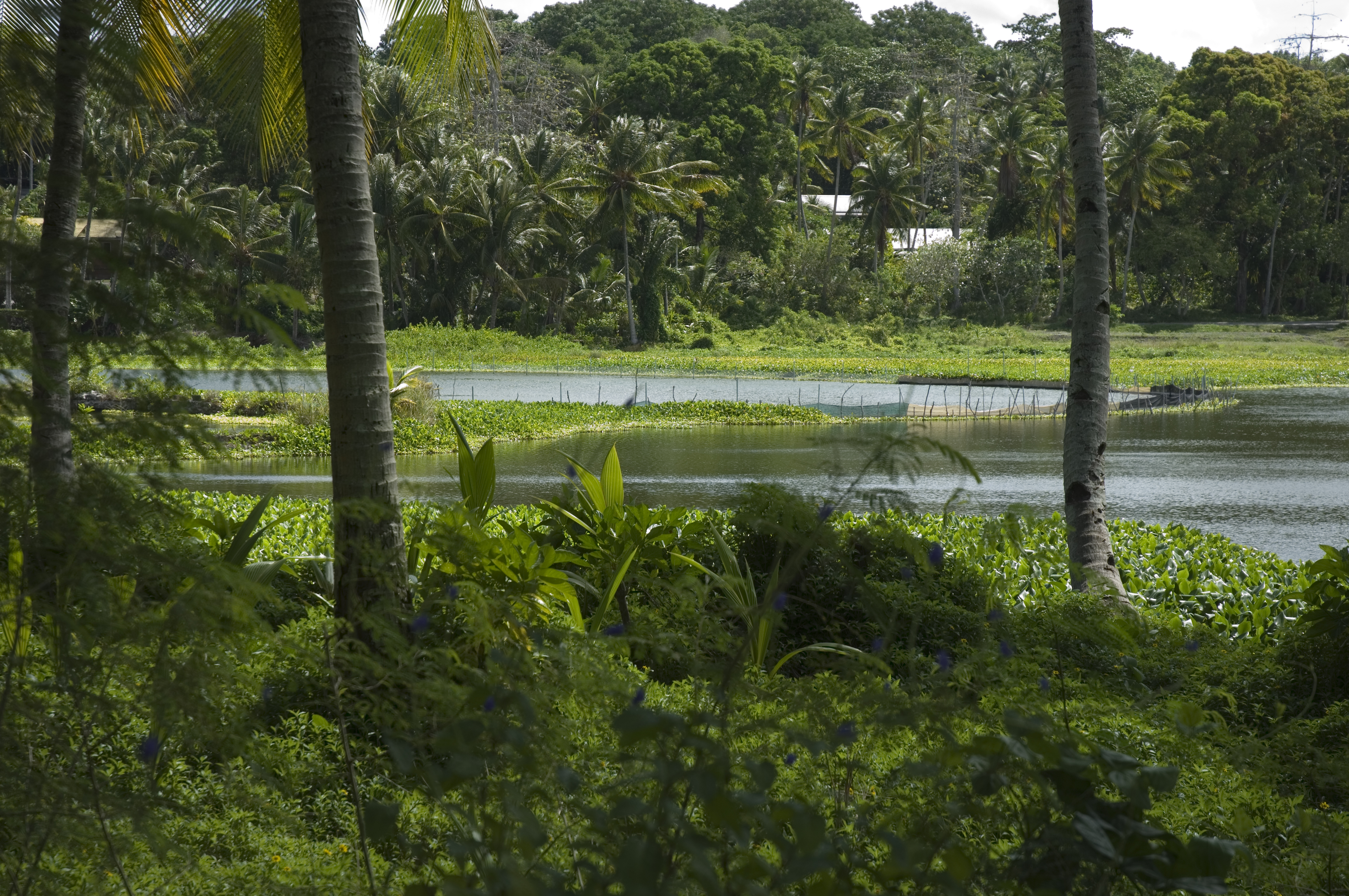
- Source- By Lorrie Graham/AusAID, CC BY 2.0
5. A Taste of Nauru: Fresh and Ocean-To-Table
Nauruan cuisine is simple, hearty, and heavily reliant on what can be caught in the ocean or grown in the tropical climate.
- Coconut Crusted Fish: This is the national dish and a must-try. Freshly caught white fish (often tuna or snapper) is marinated in lime juice, coated in grated coconut, and fried until golden and crispy. It is fresh, flavorful, and perfectly captures the island's resources.
- Seafood Staples: You will find an abundance of fresh seafood, from grilled lobster to yellowfin tuna steaks.
- Pandanus Fruit: Keep an eye out for this indigenous fruit. It is often used in desserts or eaten fresh, with a sweet, pine-nut-like flavor.
- Coconut Mousse: For a sweet treat, try this light, airy dessert made from rich coconut cream, often chilled to offer relief from the equatorial heat.
Logistics: Getting There and Around
- The Flight: Access is almost exclusively via Nauru Airlines, which operates an "Island Hopper" service connecting Brisbane, Nadi (Fiji), and Tarawa (Kiribati).
- The Visa: Be aware that almost all visitors require a visa. You must apply well in advance, and part of the requirement is usually a confirmed hotel booking (often at the Menen Hotel or the OD-N-Aiwo Hotel).
- Currency: The official currency is the Australian Dollar (AUD). Cash is king here; credit cards are rarely accepted, so bring sufficient cash for your entire stay.
Why Go Now?
Nauru is a destination for the traveler who wants to disconnect from the commercial world and see a way of life that is rare in the 21st century. It is a place of resilience, history, and stark natural beauty. By securing your visa early and setting up your eSIM for peace of mind, you are ready to explore one of the most unique nations on the planet.