
Myanmar in 2026: Navigating the Golden Land with Care and Respect
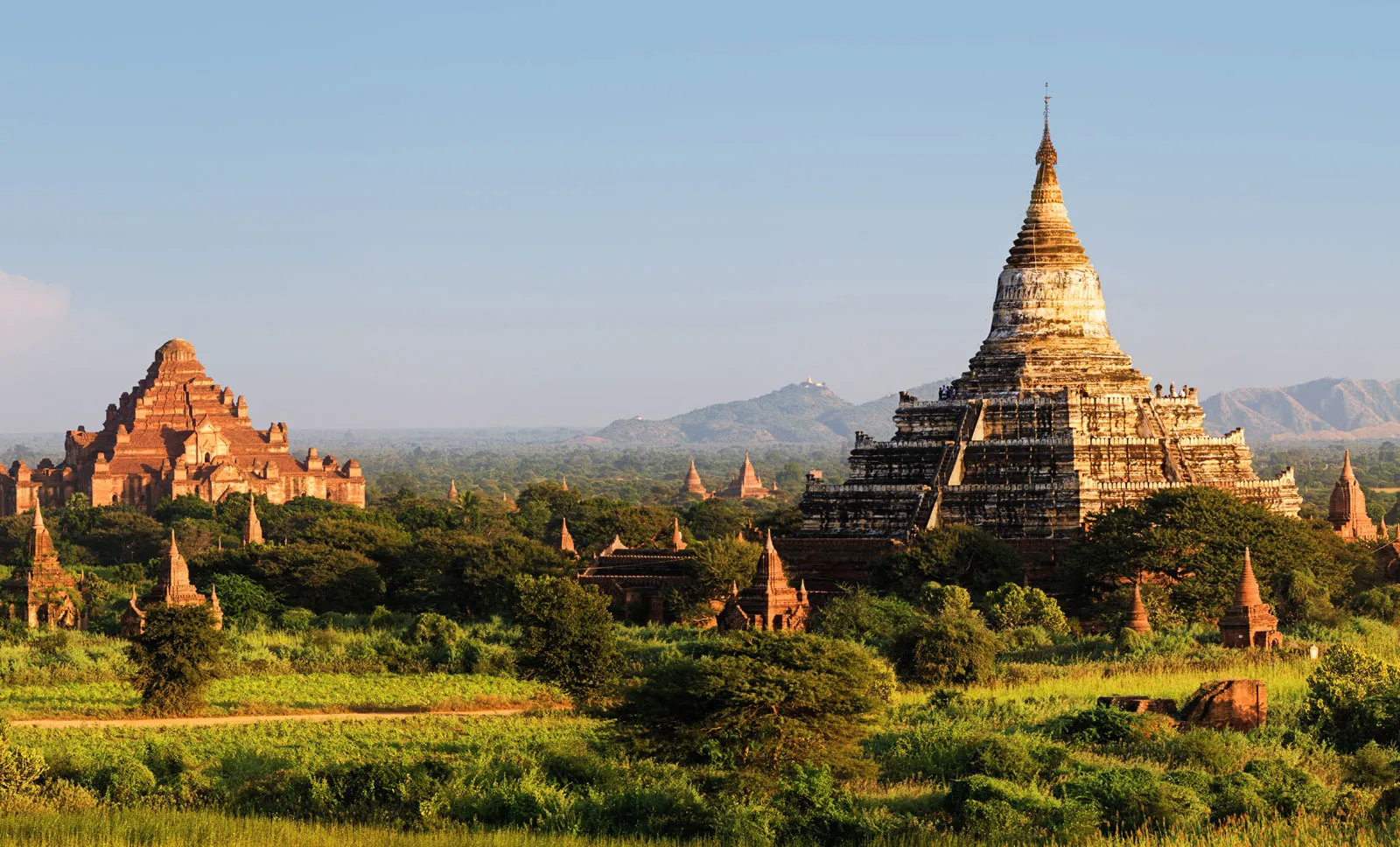
Source: Britannica
Myanmar (formerly Burma) is a country that leaves a profound mark on anyone who visits. It is a land of staggering ancient architecture, mist-covered mountains, and some of the most genuinely hospitable people on Earth.
However, writing a factual travel guide about Myanmar today requires absolute candor. Following the military takeover in 2021, the country has experienced ongoing civil unrest and conflict. Most Western governments currently maintain strict "Do Not Travel" advisories for the majority of the country.
Tourism has drastically reduced, but the resilient local communities who rely on the hospitality industry still welcome visitors with open arms. If you choose to visit, it requires rigorous preparation, a deep respect for the local situation, and strict adherence to the established "Tourist Kite" (the safer, central corridor of Yangon, Bagan, Mandalay, and Inle Lake).
Here is your factual guide to experiencing the cultural heart of Myanmar safely and respectfully.
1. The Current Travel Reality
Before you pack your bags, it is vital to understand the logistical landscape of Myanmar in 2026.
- The "Tourist Kite": Travel outside the main central corridor is highly restricted and often dangerous due to regional conflicts. You should fly into Yangon or Mandalay and avoid overland border crossings entirely.
- Domestic Transit: Air travel is currently the safest and most reliable way to move between cities like Yangon, Bagan, and Mandalay. Overland buses can be subject to delays, poor road conditions, and unexpected military checkpoints.
- Curfews & Restrictions: Many cities still observe nightly curfews (often from midnight to 4:00 AM). It is essential to plan your days accordingly and follow all local directives without question.
2. Yangon: The Spiritual Capital
Your journey will likely begin in Yangon, the bustling former capital that perfectly blends colonial-era architecture with deep Buddhist traditions.
- Shwedagon Pagoda: This is the undisputed spiritual heart of Myanmar. It is a massive, 99-meter-tall stupa covered in genuine gold plates and crowned with thousands of diamonds. Visiting at dusk, when the golden glow of the pagoda illuminates the darkening sky and locals gather to light candles, is a breathtaking experience.
- The Vibe: Yangon is a sensory experience. Walk the grid-like streets of downtown to see vibrant street stalls, historic mosques, and hidden tea shops tucked between fading heritage buildings.
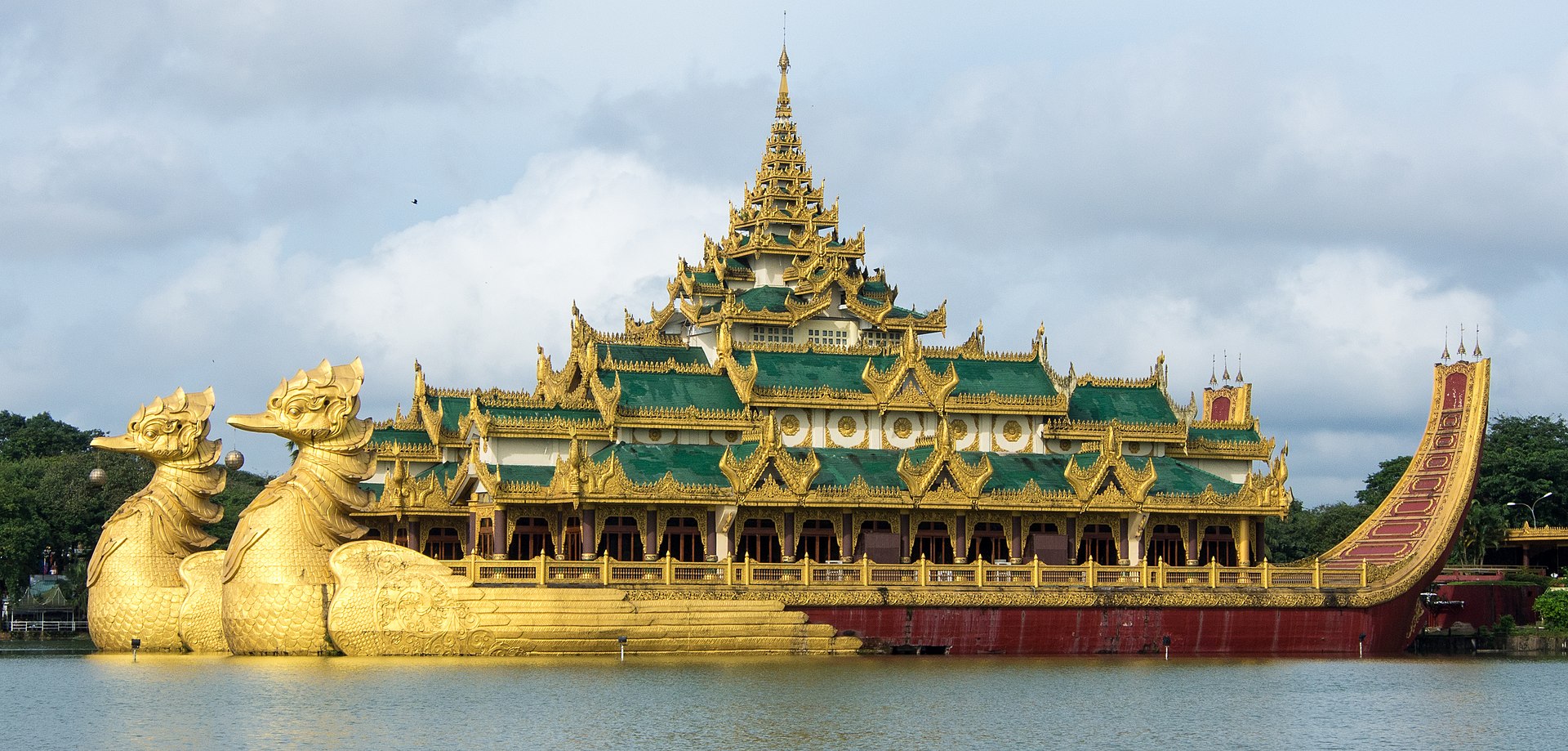
- Source- By ReflectedSerendipity - CC BY-SA 2.0
3. The Connectivity Reality: Why an eSIM is a Strategic Necessity
When navigating a complex environment like Myanmar, your digital connectivity is your most critical safety and logistical tool.
The Infrastructure Challenge
- Spotty Wi-Fi: Due to frequent, rolling power outages (brownouts) across the country, relying on hotel or cafe Wi-Fi is incredibly risky.
- Digital Restrictions: The government restricts access to certain social media platforms and websites, meaning you will need a reliable cellular connection to route your traffic securely (often requiring a pre-installed VPN).
The Solution: The eSIM To bypass legacy hardware constraints and secure your communication pipeline, provision a Myanmar-compatible eSIM data plan before your flight.
- The Benefit: An eSIM provides a seamless digital handover to local networks the moment your device connects to cell towers at Yangon International Airport. It guarantees you have immediate, secure bandwidth to load your offline maps, receive real-time updates from your embassy, and coordinate with your local guides without ever handing over physical documents at an airport kiosk.
4. Bagan: The Sea of Temples
A short flight north brings you to Bagan, one of the world’s greatest archaeological sites.
- The Landscape: Spread across a lush, green plain on the banks of the Irrawaddy River are the remains of over 2,000 ancient Buddhist temples, pagodas, and monasteries built between the 11th and 13th centuries.
- The Experience: Rent a silent e-bike (electric scooter) to navigate the sandy, interconnected paths between the temples. Watching the sunrise burn off the morning mist from the terrace of an ancient pagoda is a surreal, timeless moment.
5. A Taste of Myanmar
Myanmar’s cuisine reflects its geography, situated squarely between India, China, and Thailand. It is deeply flavorful, reliant on fresh herbs, and offers excellent poultry and vegetarian options.
- Mohinga: The national dish of Myanmar, usually eaten for breakfast. It is a comforting, savory fish broth flavored with lemongrass and turmeric, served over thin rice noodles and topped with crispy split-pea fritters and a squeeze of lime.
- Lahpet Thoke (Tea Leaf Salad): This is a culinary masterpiece unique to Myanmar. It features fermented, slightly tart green tea leaves mixed with a crunchy assortment of roasted peanuts, sesame seeds, fried garlic, and tomatoes.
- Shan Noodles: Originating from the Shan State, this dish consists of thick, sticky rice noodles bathed in a savory, tomato-based chicken broth, often garnished with pickled mustard greens.
6. Essential Etiquette and Logistics
- Cash is King: ATMs can be unreliable, and credit cards are rarely accepted outside luxury hotels. Bring pristine, uncreased, unmarked US Dollars to exchange at official counters in the cities.
- Dress Modestly: Myanmar is deeply conservative. When visiting pagodas, both men and women must cover their shoulders and knees. Furthermore, you must remove your shoes and socks before stepping onto any sacred ground.
- Keep a Low Profile: Avoid all political discussions with locals, as it can unwittingly put them at risk. Never photograph military personnel, installations, or protests.
Looking Forward
Traveling to Myanmar today requires a conscious, respectful approach. It is not a casual holiday destination, but for those who travel smartly, support local businesses, and stay aware of their surroundings, it offers a glimpse into a breathtaking culture that endures despite its challenges.