
Morocco: The Gateway to Africa
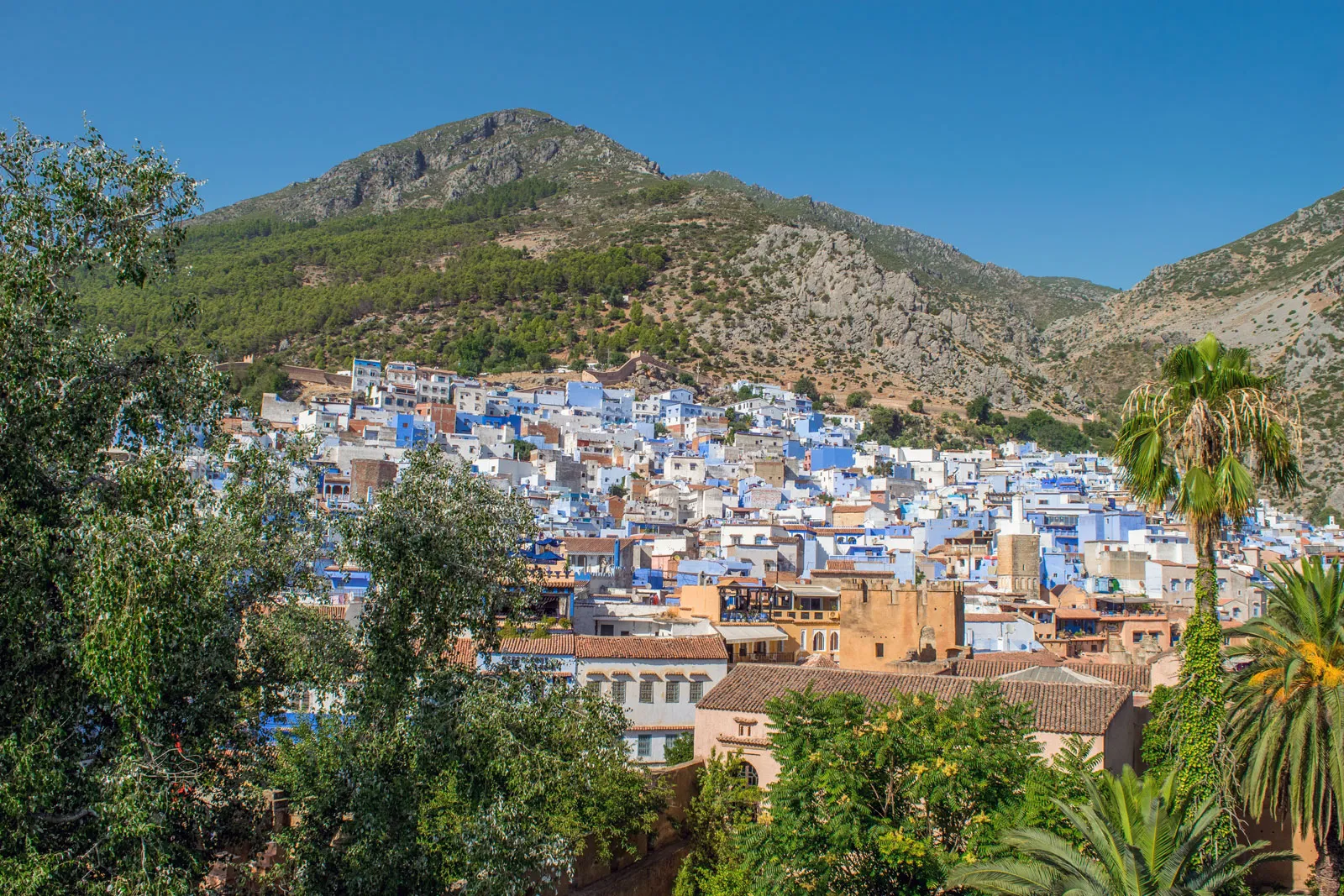
Source: Britannica
Morocco is a country of brilliant contrasts and sensory overload. Located at the crossroads of Europe and Africa, it is a place where you can wander through centuries-old walled cities in the morning, hike the snow-capped Atlas Mountains by noon, and sleep under a canopy of stars in the Sahara Desert by night.
Whether you are navigating the spice-scented souks or sipping sweet mint tea on a rooftop, Morocco demands your full attention. If you are ready for a profoundly vibrant and culturally rich adventure, here is your factual guide to experiencing the magic of this North African jewel.
1. The Magic of the Medinas: Marrakech and Fes
The heart of any major Moroccan city is its medina—the historic, walled old town. These are car-free zones made of twisting, narrow, maze-like alleyways.
- Marrakech: Known as the "Red City," its medina is centered around the famous Jemaa el-Fnaa square. By day, it is a bustling market; by dusk, it transforms into a massive open-air dining area filled with storytellers and musicians. Don't miss the stunning tilework at the Bahia Palace or the tranquil, botanical beauty of the Jardin Majorelle.
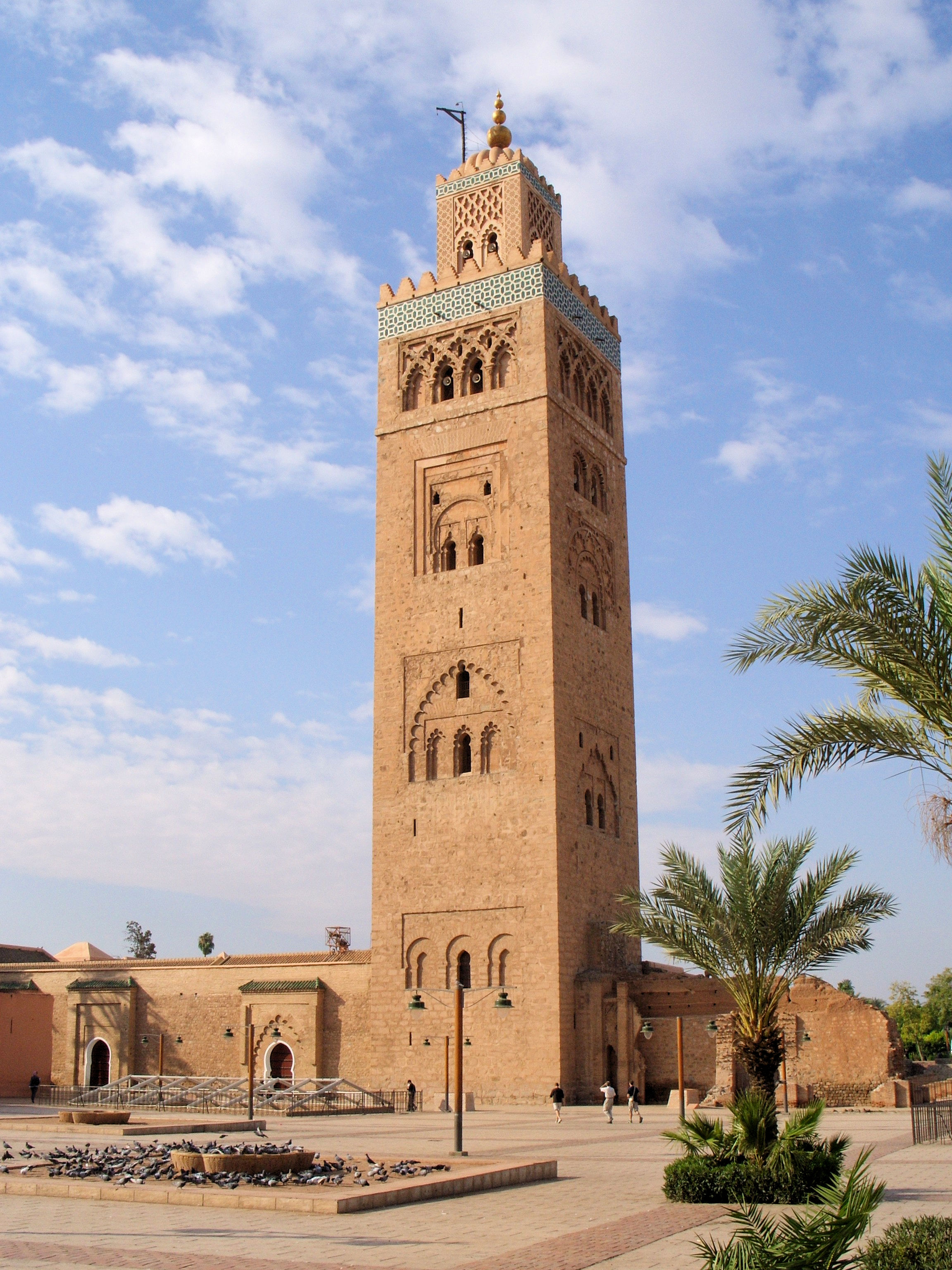
- Source- By Rol1000 - File:Marokko0112.jpg, CC BY-SA 4.0
- Fes: If Marrakech is the lively younger sibling, Fes is the ancient, intellectual core. The Fes el-Bali medina is a UNESCO World Heritage site and is home to over 9,000 alleyways. It houses the University of Al Quaraouiyine, recognized as the oldest continuously operating university in the world, and the famous Chouara Tanneries, where leather is still dyed by hand using medieval techniques.
2. The Connectivity Reality: Why You Need an eSIM
Here is a critical logistical tip that will save you immense frustration. The medinas of Morocco are famously difficult to navigate; GPS maps are essential, but the high, dense stone walls often block weak cellular signals.
The Navigation Challenge
- Getting Lost: You will get lost in the souks. It is part of the experience, but eventually, you will need reliable data to find your way back to your riad (traditional guesthouse) or use translation apps to communicate with local artisans.
- The Roaming Trap: Relying on your home carrier’s international roaming plan can result in massive daily fees, and finding a local telecom shop to buy a physical SIM card can be overwhelming on your first day amidst the chaos of the city.
The Solution: The eSIM To ensure you hit the ground running safely, purchase a Morocco-compatible eSIM data plan before you fly.
- The Benefit: An eSIM connects you instantly to local networks (like Maroc Telecom or Inwi) the moment you land at the airport. It ensures you have immediate, secure internet to load your offline maps, call a verified ride-hailing car, and share photos of the intricate architecture without skipping a beat.
3. The Sahara Desert: A Sea of Golden Sand
No trip to Morocco is complete without venturing into the Sahara.
- Merzouga and Erg Chebbi: This is the most popular gateway to the desert. The Erg Chebbi dunes are massive, wind-swept mountains of golden sand that change color dramatically at sunrise and sunset.
- The Experience: You can ride a camel into the dunes and spend the night at a traditional Berber desert camp. Because there is virtually no light pollution or moisture in the air, the night sky here offers some of the clearest stargazing on Earth. Note: The desert gets surprisingly cold at night, so packing layers is essential.
4. Chefchaouen: The Blue Pearl
Tucked away in the Rif Mountains of northern Morocco, Chefchaouen is one of the most photogenic towns in the world.
- The Aesthetic: Almost every building, door, and alleyway in the old town is painted in brilliant shades of blue. It was traditionally painted by Jewish refugees in the 1930s, as blue represents the sky and heaven.
- The Vibe: It is significantly calmer and slower-paced than the major imperial cities, making it the perfect place to relax, shop for woven blankets, and hike the surrounding mountain trails.
5. A Taste of Morocco
Moroccan cuisine is a world-class fusion of Berber, Arabic, and Mediterranean flavors.
- Tagine: Named after the conical clay pot it is cooked in, a tagine is a slow-simmered, tender stew. The classic combinations include chicken with preserved lemons and green olives, or beef with sweet prunes and roasted almonds.
- Couscous: Traditionally eaten on Fridays (the holy day), this consists of fine wheat semolina steamed until fluffy, topped with a towering pile of tender root vegetables and meat, smothered in a savory broth.
- Mint Tea: The absolute cornerstone of Moroccan hospitality. This sweet green tea brewed with fresh spearmint leaves is served everywhere, ceremoniously poured from high above the glass to create a frothy top.
- Pastilla (B'stilla): A unique, sweet-and-savory pie made of tissue-thin phyllo dough stuffed with spiced poultry (traditionally pigeon, but often chicken today) and crushed almonds, dusted with powdered sugar and cinnamon.
Essential Cultural Etiquette
- Dress Modestly: Morocco is a conservative Muslim country. To show respect and avoid unwanted attention, both men and women should aim to keep their shoulders and knees covered, especially in rural areas and medinas.
- Cash is King: While modern hotels accept cards, you will need Moroccan Dirhams (MAD) for the markets, street food, and tipping (which is highly expected for all services).
- Haggle: Bargaining is not an insult; it is a cultural game in the souks. Start by offering half the asking price and negotiate with a smile.
Morocco is an unforgettable destination that rewards the curious and the adaptable. By dressing respectfully, embracing the local cuisine, and setting up your eSIM to navigate the maze-like cities, you are ready for the adventure of a lifetime.