
Monaco Beyond the Glitz: A 5-Minute Guide to Royal History, Marine Wonders, and Seamless Travel
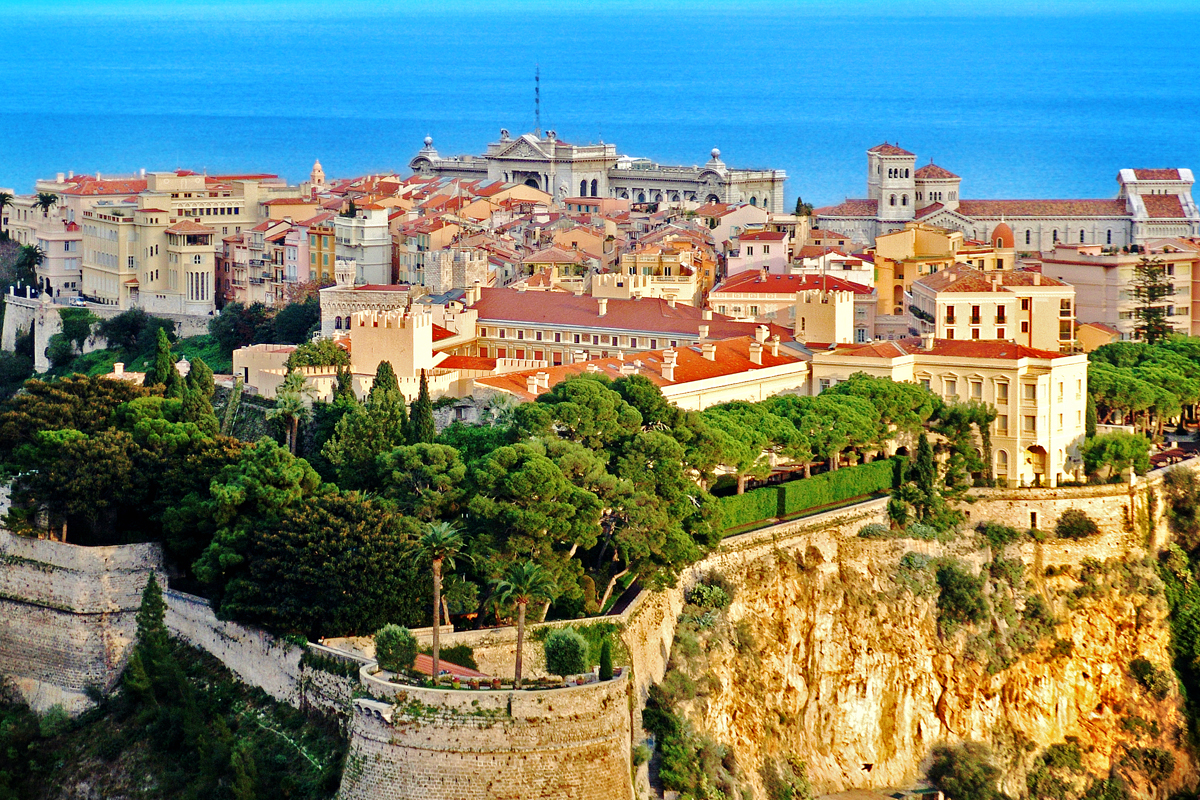
Source: By Zazu-srb at German Wikipedia - Author's own work, transferred from Wikipedia, CC BY-SA 2.0
When most people think of Monaco, they picture a playground of mega-yachts and endless wealth squeezed into two square kilometers of the Mediterranean coast. While the sheer opulence of the Principality is undeniably fascinating, there is a deeply historic, culturally rich side to this microstate that often gets overshadowed by its flashy reputation.
From 13th-century fortresses clinging to sheer cliffs to world-class marine science institutions, Monaco offers a spectacular, sun-drenched escape. If you are ready to explore the true essence of the Riviera, here is your factual guide to Monaco.
1. Monaco-Ville: The Rock (Le Rocher)
Your journey should begin high above the harbor in Monaco-Ville, the oldest part of the Principality. Affectionately known as "The Rock," this medieval village sits on a towering monolith overlooking the sea.
- The Prince's Palace (Palais Princier): Originally built as a Genoese fortress in 1191, this is the official residence of the ruling Grimaldi family. If you visit during the warmer months, you can tour the lavish State Apartments. Don't miss the traditional Changing of the Guard ceremony, which takes place meticulously every day at 11:55 AM in the square outside.
- Monaco Cathedral: Just a short walk through the narrow, immaculate streets brings you to this stunning 19th-century Romanesque-Byzantine church. It is a place of quiet reflection and serves as the final resting place for many members of the royal family, including Princess Grace.
2. The Oceanographic Museum: The Temple of the Sea
Built directly into the side of the cliff, dropping 85 meters down to the crashing waves below, the Oceanographic Museum is an absolute masterpiece of architecture and science.
- The History: Founded in 1910 by Prince Albert I (known as the "Navigator Prince") and later directed by the legendary explorer Jacques Cousteau, it has been at the forefront of marine conservation for over a century.
- The Experience: It is far more than an aquarium. While the massive, 6-meter-deep shark lagoon and the tropical coral reefs are mesmerizing, the upper floors house an incredible collection of historical oceanographic instruments, whale skeletons, and interactive exhibits dedicated to protecting global biodiversity.
3. The Connectivity Reality: Why You Need an eSIM
Here is a critical logistical fact that catches many travelers off guard. Monaco is an independent microstate and is not part of the European Union.
The Cross-Border & Security Challenge
- The Roaming Trap: Depending on your home carrier, crossing the invisible border from France into Monaco can suddenly disconnect you or trigger exorbitant "Rest of World" roaming charges.
- Cybersecurity on the Go: While you might be tempted to jump onto open public Wi-Fi networks in busy tourist areas like Port Hercule, doing so exposes your devices to unnecessary vulnerabilities and data interception.
The Solution: The eSIM To guarantee seamless, encrypted data as you move along the Riviera, purchase a Monaco-compatible eSIM data plan before you travel.
The Benefit: Instead of hunting down a physical telecom store, you can simply use a modern electronic SIM purchasing website to download a profile instantly. It ensures that your digital maps, transit apps, and secure communication lines stay online the moment you step off the train, providing peace of mind and impenetrable connectivity.
4. Port Hercule and Fontvieille
To grasp the modern scale of Monaco, take the public elevators down from The Rock to the water level.
- Port Hercule: This is the deep-water harbor that acts as the stage for some of the largest yachts on Earth. Walking the promenade here offers a fantastic perspective of how the city is built in steep, amphitheater-like tiers up the mountainside.
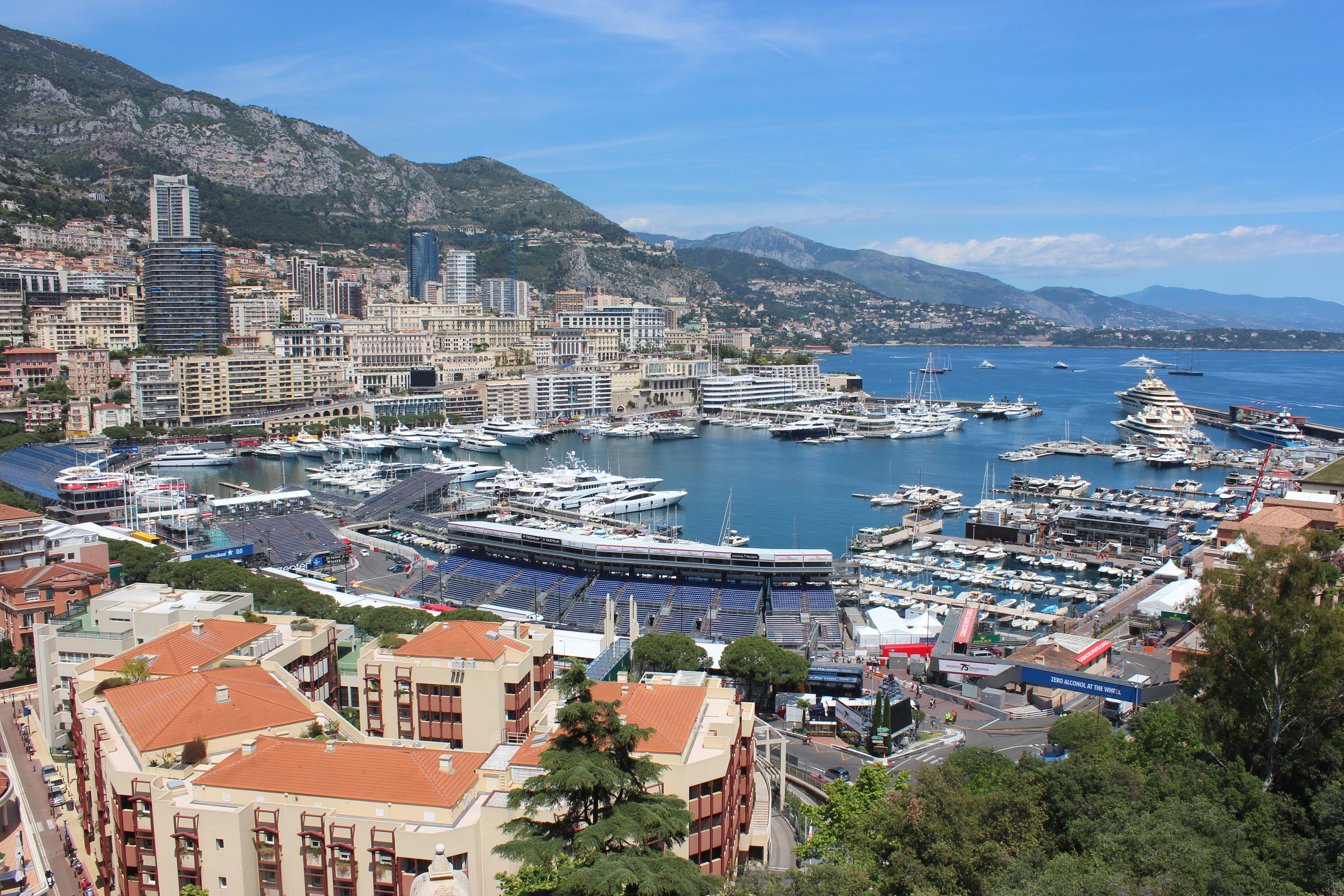
- Source- By Uhooep - Own work, CC BY-SA 4.0
- Fontvieille Park & Princess Grace Rose Garden: Head west to the district of Fontvieille (which was actually reclaimed from the sea). Here you will find a remarkably peaceful, four-hectare park. The Rose Garden, created by Prince Rainier III in memory of his wife, features over 300 varieties of roses and offers a tranquil, fragrant retreat from the bustling city streets.
5. A Taste of the Principality
Monegasque cuisine is a beautiful, rustic blend of Southern French and Northern Italian influences. It relies heavily on fresh vegetables, olive oil, and herbs.
- Barbajuan: This is the undisputed national dish of Monaco. It is a bite-sized, deep-fried pastry fritter traditionally stuffed with a savory mixture of Swiss chard, spinach, leeks, oregano, and ricotta cheese. It is comforting, rich in flavor, and makes the perfect afternoon snack alongside a fresh espresso.
- Socca: A wildly popular street food shared with neighboring Nice. It is a naturally gluten-free crepe made entirely from chickpea flour, water, and olive oil, baked in a wood-fired oven until it is charred and crispy on the edges but soft in the center.
- Fougasse: For a sweet treat, try the local Monegasque version of this bread. It is typically flavored with orange blossom water and decorated with nuts and aniseed.
Why Go Now?
Monaco proves that you do not need a massive footprint to leave a lasting impression. It is exceptionally safe, impeccably clean, and deeply committed to environmental preservation. By utilizing the excellent public bus system (or the solar-electric boat bus across the harbor) and securing your digital connection with an eSIM, you can effortlessly navigate the steep cliffs and sweeping bays of this incredible microstate.