
Moldova: Cave Monasteries, Green Capital Cities, and Authentic Travel
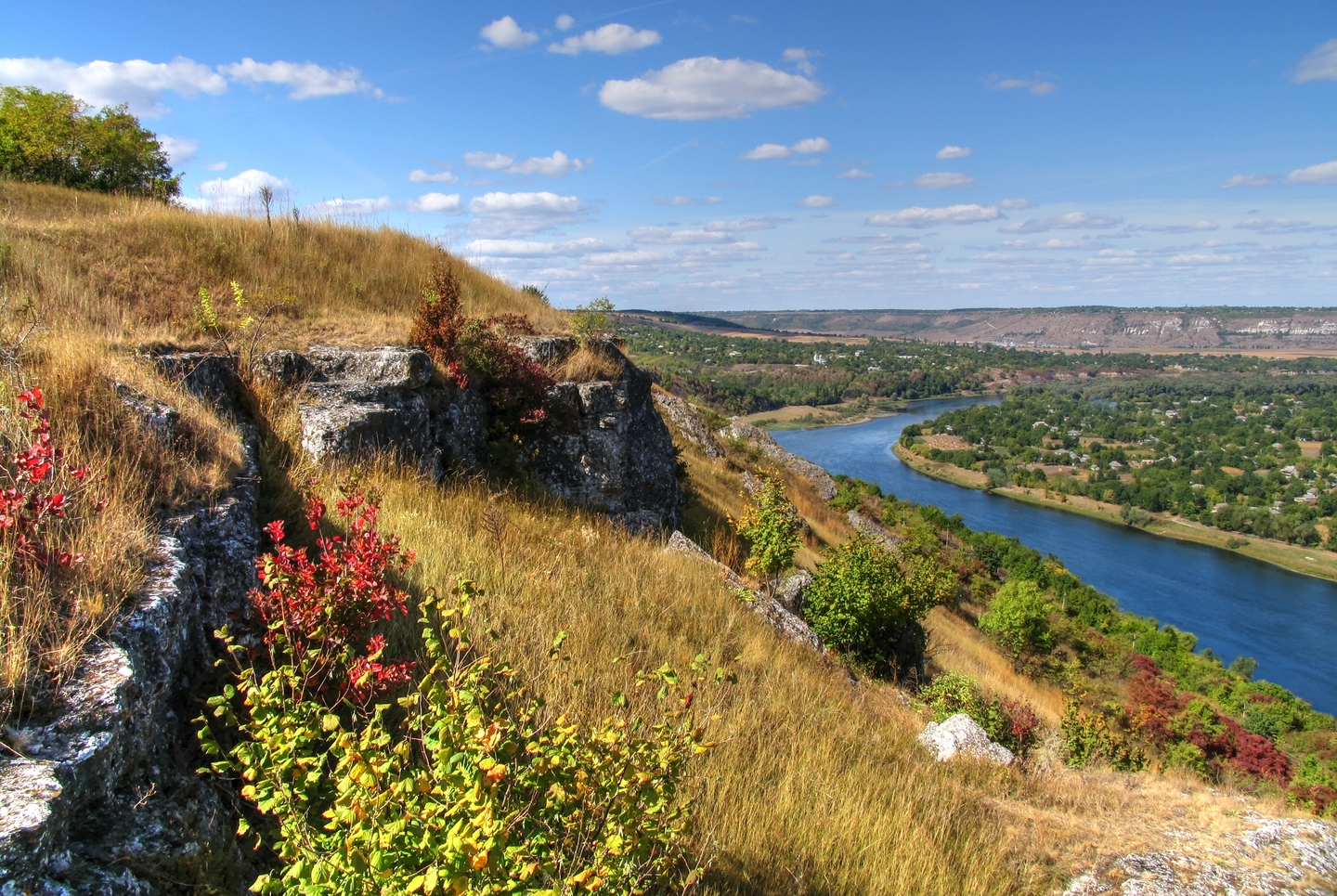
Tucked quietly between Romania and Ukraine, Moldova is often cited as one of the least visited countries in Europe. For the adventurous traveler, this is exactly its appeal. Far removed from the manufactured tourist traps of Western Europe, Moldova offers an incredibly authentic, deeply historic, and budget-friendly experience.
It is a land of rolling emerald hills, brutalist architecture meeting serene Orthodox churches, and a slow-paced village life that feels frozen in time. If you are ready to explore the road less traveled, here is your factual guide to Moldova.
1. Chișinău: The Green Capital
Your journey will begin in the capital, Chișinău (pronounced Kee-shee-now). It is famously one of the greenest cities in Europe, characterized by wide, tree-lined boulevards and expansive parks.
- Valea Morilor Park: This is the crown jewel of the city’s green spaces. At its center lies a massive lake, but the highlight is the Cascade Stairs—a beautiful, sweeping water feature and staircase that offers excellent views of the surrounding hills.
- The Heart of the City: Walk down Bulevardul Ștefan cel Mare to find the Nativity Cathedral, a stunning 19th-century Orthodox church topped with a black dome. Directly across from it stands Moldova's own Triumphal Arch, built in 1840 to commemorate the Russian victory over the Ottoman Empire.
- The Architecture: Chișinău is a fascinating visual mix. You will see 19th-century neoclassical mansions sitting right next to imposing, utilitarian Soviet-era block housing, creating a unique urban landscape.
2. Orheiul Vechi: A Journey Through Time
Just an hour's drive north of the capital lies Moldova’s most spectacular sight: Orheiul Vechi (Old Orhei).
- The Landscape: The Răut River has carved a dramatic, winding gorge through the limestone bedrock here, creating towering, hemispherical cliffs.
- The Cave Monastery: Carved directly into the side of a sheer 13th-century cliff face is an Orthodox monastery. You access it by walking down a dark stone tunnel that opens up into a small, candlelit chapel overlooking the valley. Incredibly, after being closed during the Soviet era, monks have returned and it is once again an active place of worship.
- The Villages: The surrounding villages of Butuceni and Trebujeni are part of the protected reserve. Walking through them offers a glimpse into traditional rural Moldovan life, complete with brightly painted wooden fences and horse-drawn carts.
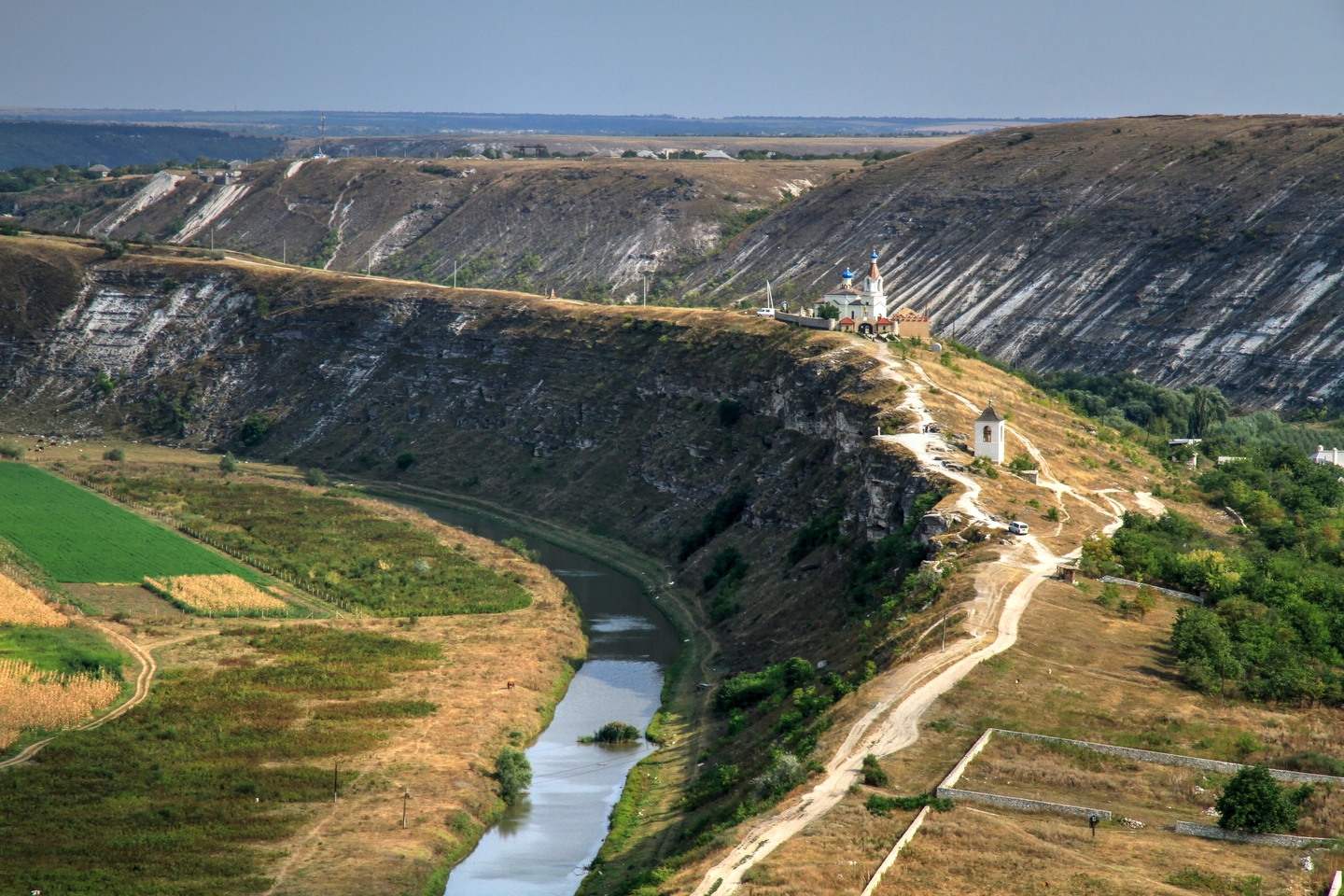
- Source- By Alex Prodan md - Own work, CC BY-SA 4.0
3. The Connectivity Reality: Why You Need an eSIM
Here is a vital logistical tip for traveling in Moldova. While the capital is modernifying rapidly, navigating the country effectively requires constant digital connectivity.
The Transit Challenge
- Getting Around: To navigate Chișinău securely and affordably, you will need to use local ride-hailing apps like Yandex, as Uber does not operate here.
- Language Barriers: English is not widely spoken outside the younger generations in the capital. You will rely heavily on translation apps to read signs in Romanian (the official language) or Russian.
The Solution: The eSIM To ensure a frictionless arrival, purchase a Moldova-compatible eSIM data plan through a digital platform before you fly.
- The Benefit: Instead of hunting for a physical telecom kiosk at Chișinău International Airport and dealing with language barriers at the counter, an eSIM allows you to connect instantly to local networks (like Moldcell or Orange) the moment you land. It provides the immediate bandwidth necessary to hail your first ride and pull up your hotel map without skipping a beat.
4. Budget Travel: The Mighty Marshrutka
Moldova is incredibly affordable, and the best way to travel between cities on a budget is by using the local public transport network.
- What is it? The country runs on marshrutkas—shared minibuses that operate on set routes between almost every town and village.
- How it works: They are very cheap, but they often leave when they are full rather than adhering to a strict, minute-by-minute timetable. You head to the local bus station (Gara de Nord or Gara de Sud in Chișinău), find the minibus with your destination on the dashboard, grab a seat, and pay the driver directly in cash (Moldovan Leu).
5. A Taste of Moldova
Moldovan cuisine is deeply comforting, agrarian, and heavily influenced by its Romanian, Ukrainian, and Ottoman history. It relies heavily on dairy, root vegetables, and grains.
- Mămăligă: The undisputed staple of the Moldovan table. It is a dense, bright yellow cornmeal porridge (similar to polenta). It is traditionally cut with a wooden knife or a piece of thread and served steaming hot alongside a generous dollop of sour cream and salty sheep's milk cheese (brânză).
- Plăcintă: You will eat these every day. They are savory, pan-fried, or baked stuffed pastries. The most traditional fillings are fresh cow's cheese and dill, shredded cabbage, or mashed potatoes. They are the ultimate cheap, filling street food.
- Zeamă: A beloved, comforting chicken noodle soup. It features a clear, flavorful broth made with homemade egg noodles, shredded chicken, carrots, and a healthy dose of parsley and dill. It is almost always served with a side of fresh bread.
- Sarmale: Stuffed cabbage or vine leaves. While they can contain meat, you can easily find vegetarian versions stuffed tightly with seasoned rice, carrots, and onions, slow-cooked in a clay pot and served with sour cream.
Why Go Now?
Moldova is an unfiltered destination. It does not put on a show for tourists; it simply invites you in. It is a place where you can experience genuine hospitality, striking history, and pristine nature for a fraction of the cost of Western Europe. By sorting your digital connectivity beforehand and bringing an appetite for hearty food, you can uncover one of Europe's last true hidden gems.