
Mauritius: The Jewel of the Indian Ocean
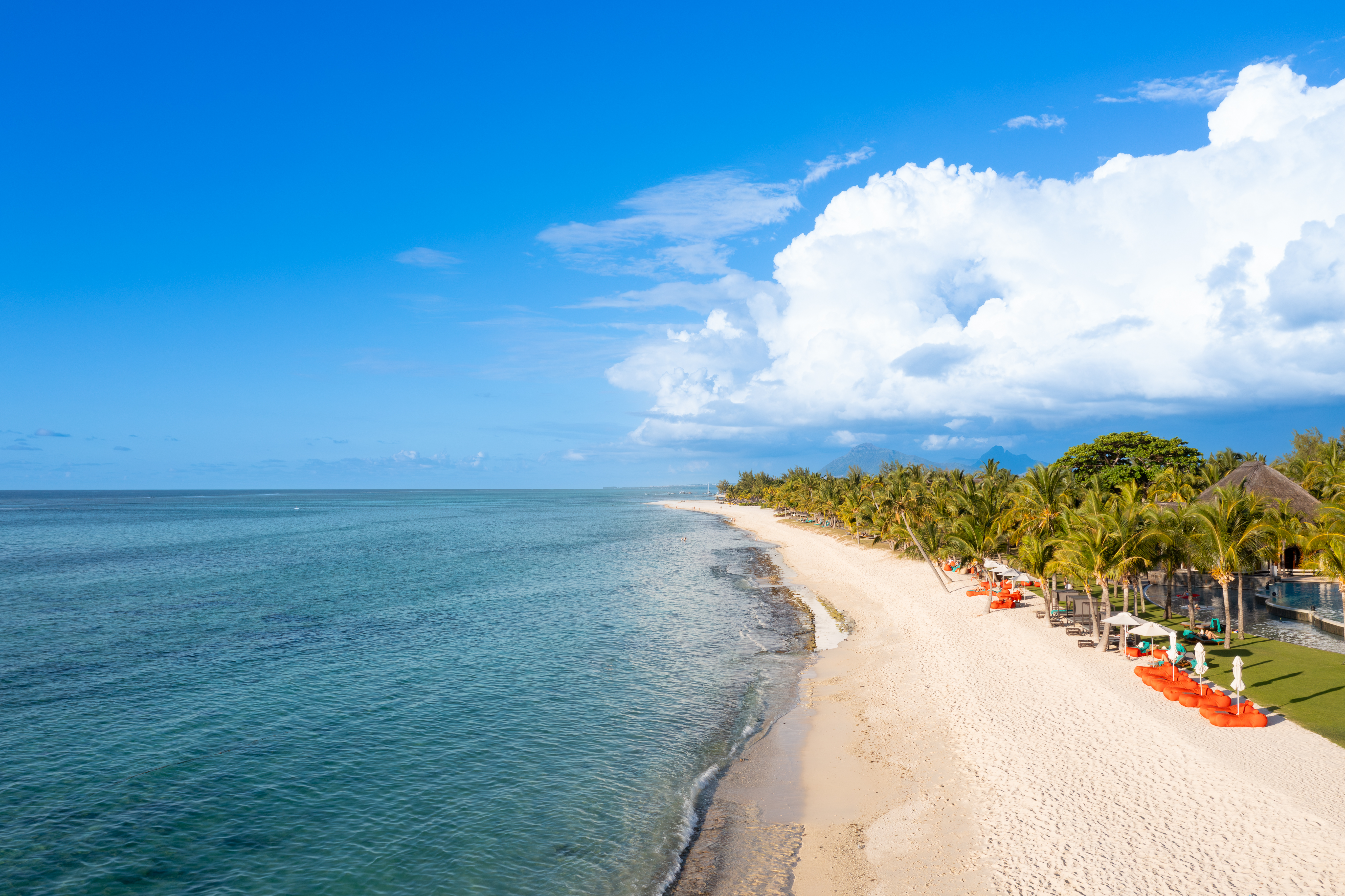
Mark Twain once wrote, "Mauritius was made first, and then heaven, and that heaven was copied after Mauritius." For most travelers, the island immediately brings to mind visions of exclusive luxury resorts and pristine white-sand beaches. While those certainly exist, the true magic of this East African island lies far beyond the hotel loungers.
Mauritius is a breathtaking collision of volcanic landscapes, dense rainforests, and a vibrant cultural tapestry woven from Indian, African, Chinese, and European influences. If you are ready to explore the authentic heart of the island, here is your factual guide to Mauritius.
1. Le Morne Brabant & The Ocean Illusion
Located on the extreme southwestern tip of the island, Le Morne Brabant is a rugged, striking mountain that juts 556 meters into the sky. It is a UNESCO World Heritage site with a profound history, having served as a refuge for runaway slaves in the 18th and 19th centuries.
While hiking to the top offers spectacular views, the area is most famous for a visual trick of nature visible from above: The Underwater Waterfall.
- The Illusion: It looks as though the ocean is pouring down a massive abyss right off the coast. In reality, it is not a waterfall at all, but rather the runoff of sand and silt being pushed off the underwater coastal shelf by ocean currents. The contrast of the deep blue drop-off against the turquoise lagoon creates one of the most mesmerizing natural optical illusions on Earth.
2. Chamarel: The Seven Coloured Earths
A short drive inland into the hills brings you to the village of Chamarel, home to a geological oddity that has baffled scientists and delighted visitors for decades.
- The Phenomenon: The Seven Coloured Earth Geopark consists of rolling sand dunes that naturally separate into seven distinct colors: red, brown, violet, green, blue, purple, and yellow.
- The Science: The colors are the result of volcanic rock (basalt) cooling at different temperatures millions of years ago, combined with the tropical climate washing away certain elements and leaving behind iron and aluminum oxides. Incredibly, even if you take a handful of the sand and mix it together, the particles will eventually separate and settle back into their distinct color bands.
3. The Connectivity Reality: Why You Need an eSIM
Here is a vital logistical tip for your trip. While Mauritius is small (only 65 kilometers long), getting between the beautiful coastal towns and the mountainous interior takes time, and you will need reliable navigation.
The Transit Challenge
- Navigating the Roads: If you rent a car (the best way to see the island), you will find that the roads can be narrow, winding, and sometimes poorly signed once you leave the main highway. You will rely heavily on live GPS.
- Public Buses: The local buses are a cheap and culturally immersive way to travel, but schedules can be unpredictable. You need internet access to cross-reference routes and book local ride-hailing apps like Yugo.
The Solution: The eSIM To avoid exorbitant international roaming fees, purchase a Mauritius-compatible eSIM data plan before you fly.
- The Benefit: An eSIM connects you to local networks (like Emtel or My.t) the moment you land at Sir Seewoosagur Ramgoolam International Airport. It ensures you have instant, secure internet to load your maps, translate Creole or French phrases, and coordinate with tour guides without ever having to wait in line for a physical SIM card at the terminal.
4. Black River Gorges National Park
To experience the island's wild interior, head to Black River Gorges National Park, which protects most of the island's remaining indigenous rainforest.
- The Trails: The park offers over 60 kilometers of hiking trails that lead to spectacular viewpoints, like the Alexandra Falls.
- The Wildlife: Keep your eyes on the canopy. This park is the final refuge for several highly endangered, endemic bird species, including the Mauritius kestrel, the echo parakeet, and the famous pink pigeon.
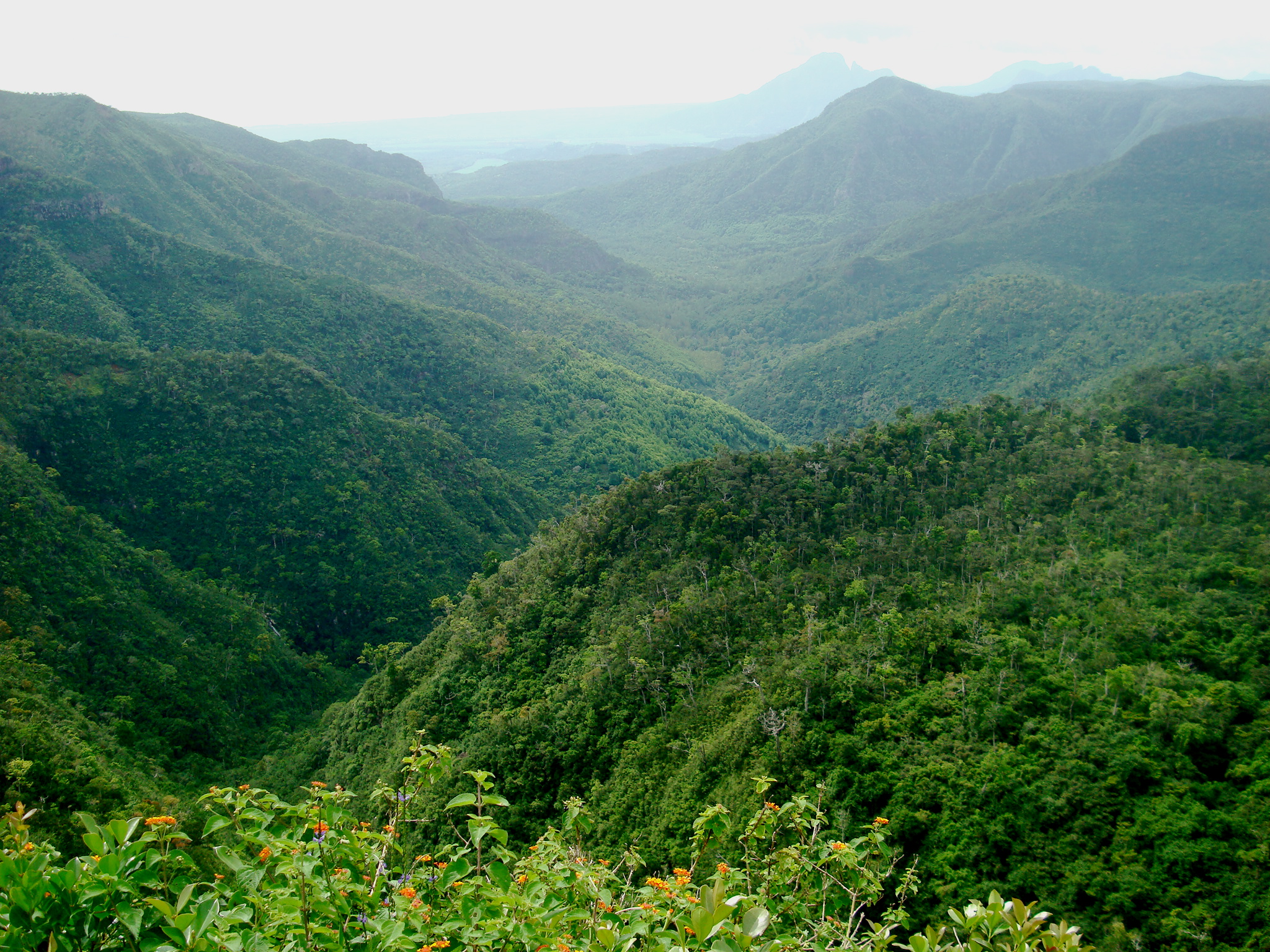
- Source- By Adamina - Flickr: DSC01061, CC BY 2.0
5. A Taste of Mauritius
Mauritian cuisine is a spectacular, deeply flavorful fusion of Indian, Creole, and Chinese culinary traditions. It relies heavily on fresh vegetables, warm spices, and daily catches from the Indian Ocean.
- Dholl Puri: This is the undisputed, unofficial national dish of Mauritius. It is a soft, thin flatbread stuffed with ground yellow split peas and turmeric. It is traditionally served hot from a street vendor, folded around a scoop of bean curry, rougaille (a rich tomato and onion sauce), and a dash of chili paste.
- Gateau Piment: Literally translating to "chili cakes," these are the Mauritian equivalent of falafel. Made from soaked split peas mixed with spring onions, coriander, and green chilies, these deep-fried fritters are crispy on the outside and soft on the inside.
- Boulettes: A legacy of the island's Sino-Mauritian population, these are delicate, steamed dumplings usually filled with fish, shrimp, or chayote squash, served steaming in a fragrant, clear broth.
- Fresh Seafood: Given its location, the seafood is exceptional. Look for grilled Marlin, octopus salad, or fish vindaye—a tangy, mustard-and-turmeric-based curry that is completely unique to the island.
Why Go Now?
Mauritius is far more than a honeymoon destination; it is an island of rich history, staggering biodiversity, and culinary brilliance. By renting a car, packing your hiking boots, and setting up an eSIM to navigate the winding coastal roads, you can experience the true, unfiltered beauty of the Indian Ocean.