
Mauritania: The Sahara’s Best-Kept Secret
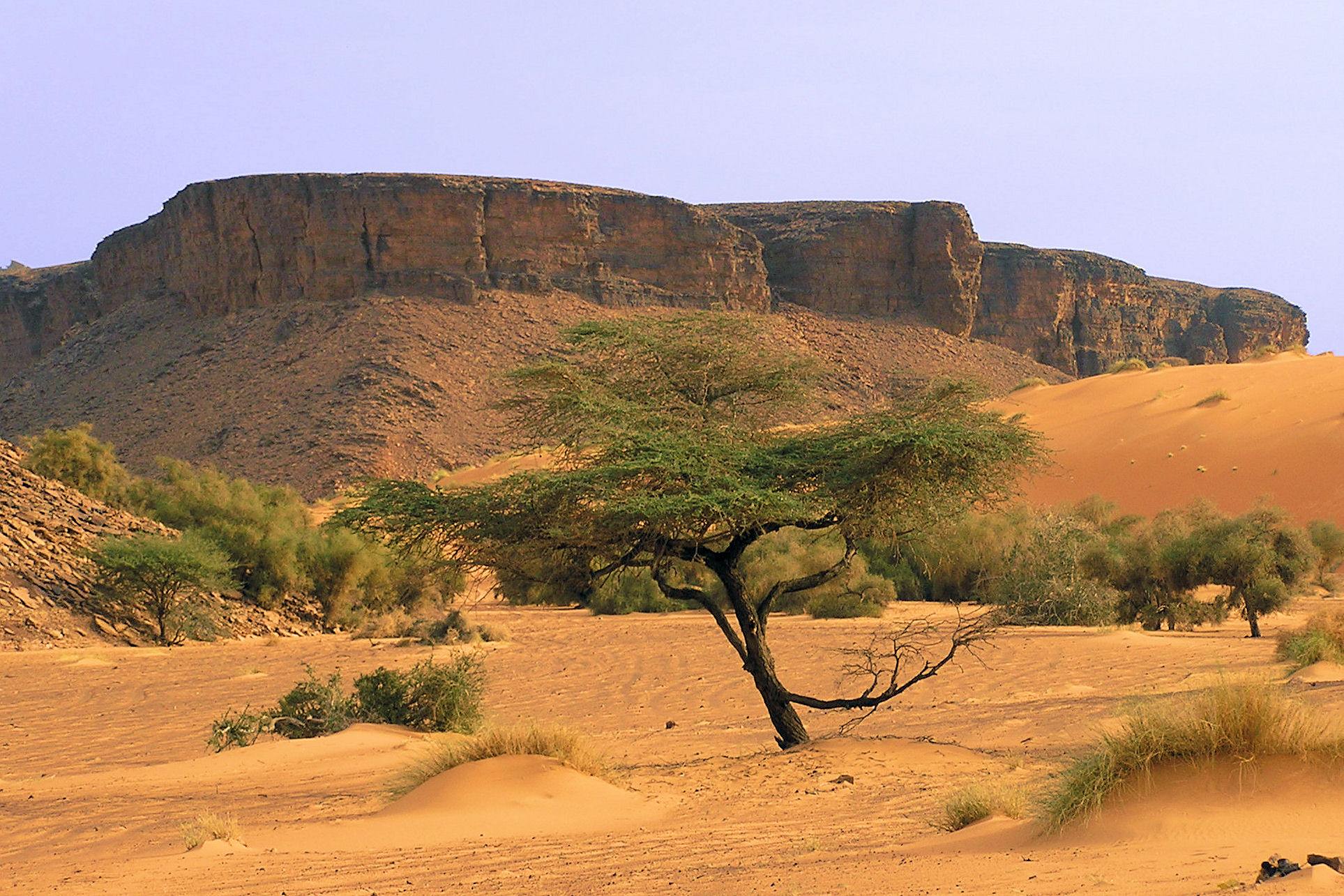
Mauritania is not a standard holiday destination. It is a land of endless, shifting dunes, ancient nomadic traditions, and raw, unfiltered Saharan beauty. Bridging the gap between the Maghreb and West Africa, it is a country that rewards the intrepid traveler willing to trade luxury for profound authenticity.
From the quiet, sand-swept alleys of ancient caravan towns to the rhythmic clanking of the world’s longest train, Mauritania offers an experience that feels like stepping back in time. If you are ready for a genuine desert expedition, here is your factual guide to exploring West Africa's vast frontier.
1. Chinguetti: The Seventh City of Islam
Rising from the Adrar plateau, Chinguetti is an ancient desert city that once stood as a vital hub for scholars and pilgrims en route to Mecca.
- The Architecture: This UNESCO World Heritage site is famous for its striking, sand-colored stone buildings and the square, unadorned minaret of its Friday Mosque, which dates back to the 13th century.
- The Desert Libraries: Chinguetti's true treasure lies behind heavy wooden doors. Local families act as the custodians of ancient desert libraries, preserving thousands of centuries-old Islamic manuscripts covering astronomy, mathematics, and law. Watching the librarians gently handle these fragile texts as the Saharan sand creeps into the courtyards is an unforgettable experience.
2. The Iron Ore Train (Train du Désert)
For extreme adventurers, Mauritania offers one of the most grueling and iconic transport experiences on Earth.
- The Scale: The Mauritania Railway operates a train that stretches up to 3 kilometers long, hauling heavy iron ore from the deep desert mines of Zouérat to the coastal port of Nouadhibou.
- The Ride: While there is a single, basic passenger car, many locals and bold travelers choose to ride free of charge directly on top of the open iron ore wagons. It is a punishing, 18-hour journey through blistering daytime heat and freezing desert nights, completely exposed to the elements and metallic dust. It is not for the faint of heart, but it is a legendary badge of honor for overland travelers.
3. The Connectivity Reality: Why You Need an eSIM
Here is a critical logistical fact. Mauritania is vast—nearly twice the size of France—and the digital infrastructure outside the capital is highly limited.
The Navigation & Safety Challenge
- Remote Routes: When traveling between desert outposts, paved roads quickly give way to tire tracks in the sand. You will rely heavily on offline GPS and maintaining communication with your local guides.
- The Bureaucracy: Securing a physical local SIM card at Nouakchott–Oumtounsy International Airport can involve language barriers, physical passport photocopies, and activation delays.
The Solution: The eSIM To ensure you have a digital lifeline the moment you arrive, purchase a Mauritania-compatible eSIM data plan before your flight.
- The Benefit: An eSIM provides a seamless digital handover to local cell towers the moment you land. It guarantees you have immediate bandwidth to load your offline maps, use translation apps for French or Hassaniya Arabic, and coordinate securely with your tour operator without ever hunting for a physical vendor in the capital.
4. Terjit Oasis and the Coast
To break up the arid intensity of the desert, Mauritania offers pockets of incredible natural contrast.
- Terjit Oasis: Tucked into a gorge in the Adrar region, this lush oasis features dense groves of towering palm trees and natural thermal springs. After days of traveling through the dry Sahara, soaking in the cool, shaded pools of Terjit feels like discovering a literal mirage.
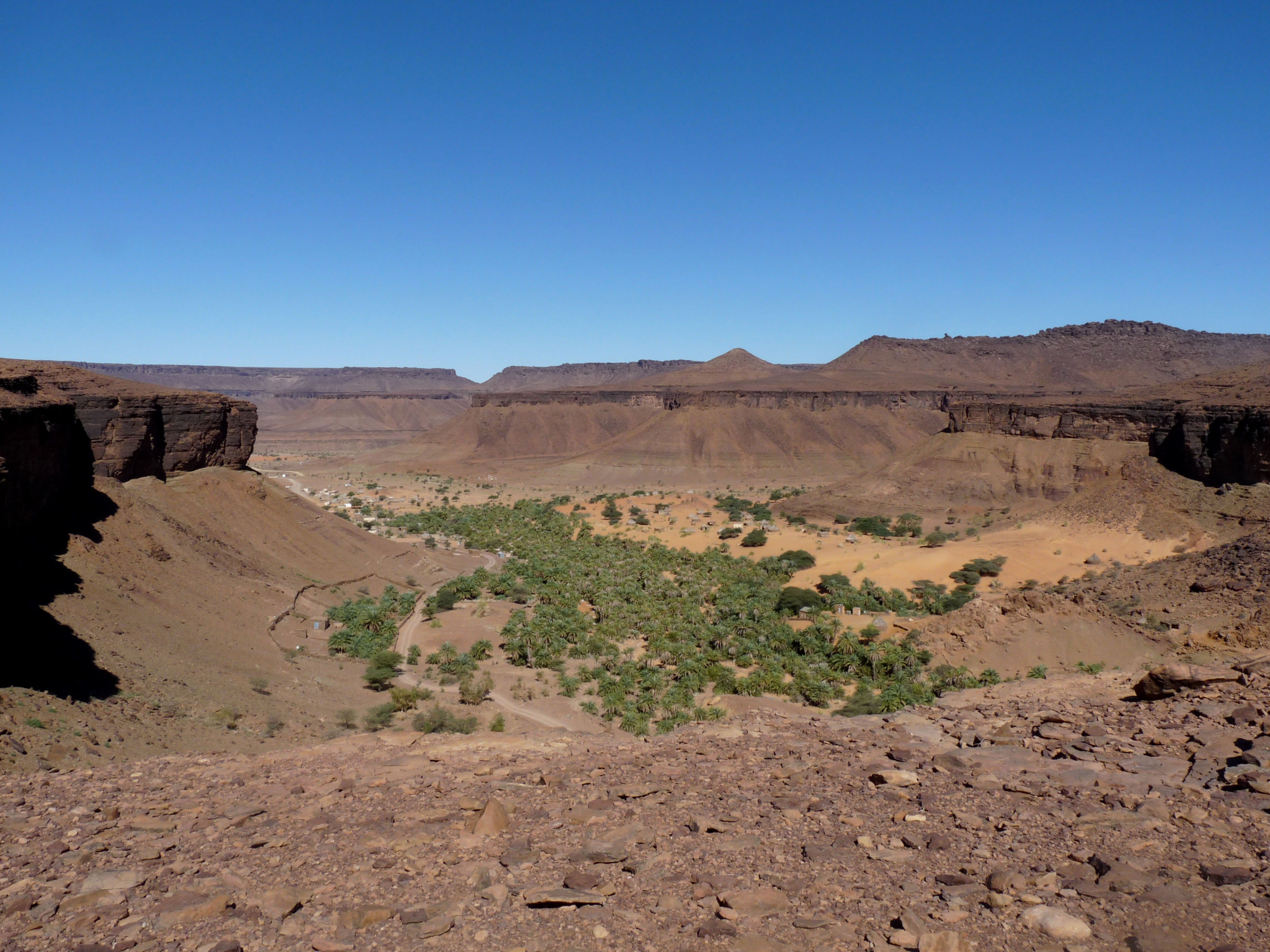
- Source- By Ji-Elle - Own work, CC BY-SA 3.0
- Banc d'Arguin National Park: On the Atlantic coast, this massive, UNESCO-protected marine zone is a crucial wintering site for millions of migratory birds, including massive flocks of bright pink flamingos. It is a stark, beautiful collision where the Sahara Desert drops directly into the ocean.
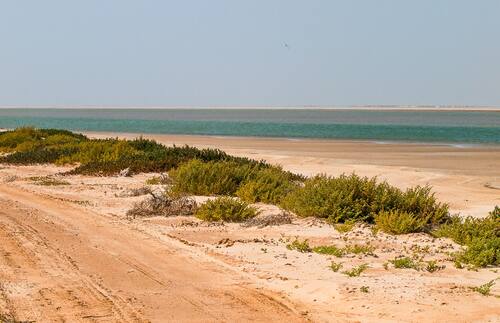
- Source- UNESCO World Heritage Centre
5. A Taste of the Desert
Mauritanian cuisine is built for survival in a harsh climate. It is entirely Halal, highly communal, and designed to provide lasting energy for nomadic life.
- Thieboudienne (Cheb-u-jin): Considered the national dish, this is a flavorful coastal meal of rice cooked in a rich, tangy tomato sauce alongside fresh fish, carrots, and cassava.
- Mechoui: A staple for gatherings and celebrations, this consists of a whole lamb or goat slow-roasted over an open flame or buried in hot embers until the meat is incredibly tender and falls off the bone.
- The Tea Ritual (Ataya): Tea in Mauritania is an art form. It is traditionally served in a strict three-round process. The tea is poured from high above into small glasses to create a thick foam. As the local saying goes: the first glass is bitter like life, the second is sweet like love, and the third is gentle like death.
The Reality of Frontier Travel
It is vital to acknowledge that Mauritania requires serious preparation. Due to regional security concerns in the Sahel, independent overland travel is heavily discouraged by most foreign advisories. You must travel with a reputable, government-approved local guide or tour operator. Dress codes are strictly conservative (shoulders and knees must be covered), and military checkpoints are frequent.
However, if you respect the rules of the desert and travel smartly, the Mauritanian people will welcome you with a profound, quiet hospitality that is unmatched anywhere else in the world.