
Martinique: The Isle of Flowers and Fire
Source: franceguide.info
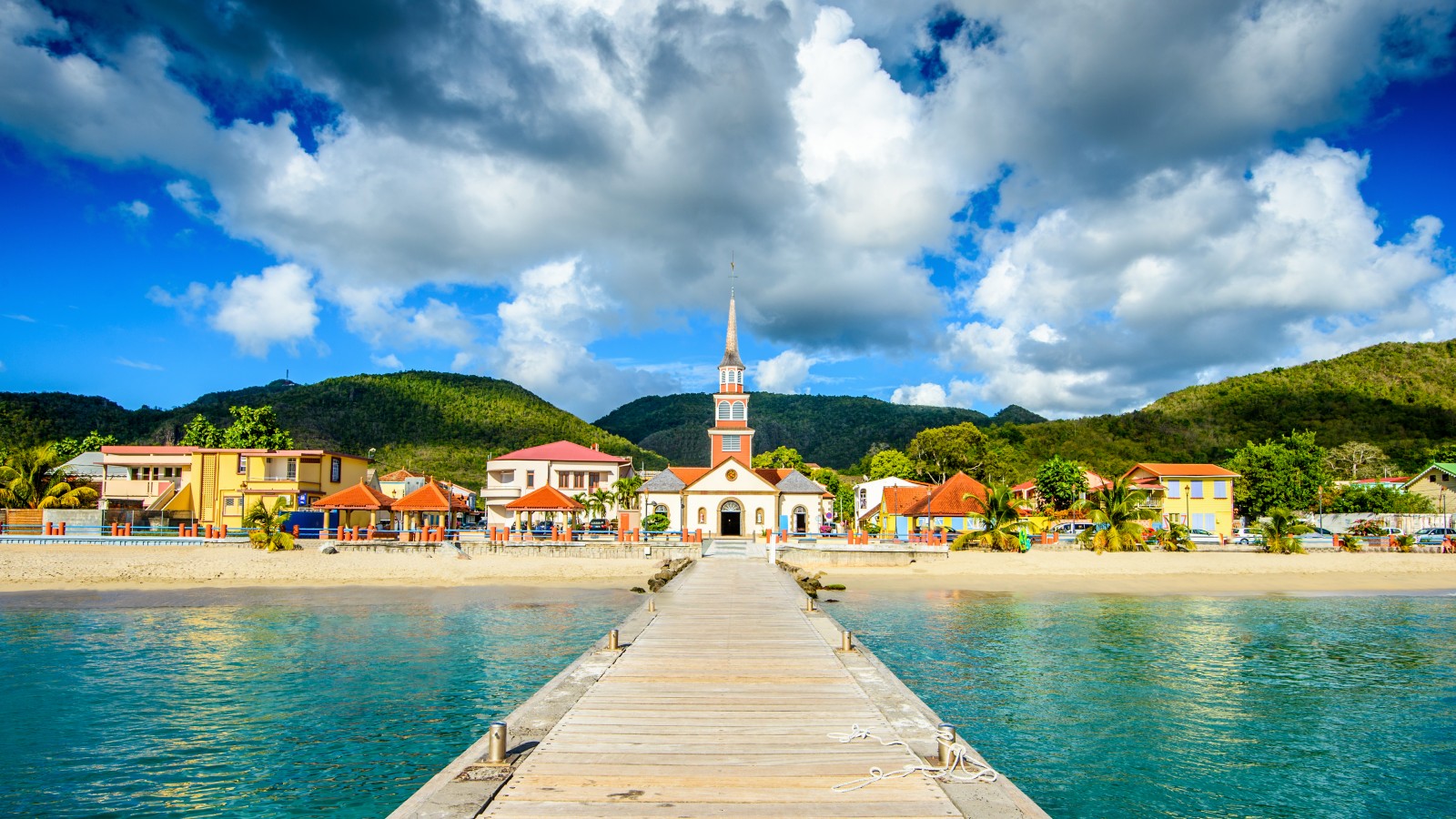
Welcome to Martinique. Nestled in the heart of the Lesser Antilles, this French overseas territory seamlessly blends European infrastructure with untamed Caribbean beauty. Crowned as a UNESCO World Biosphere Reserve in 2021, Martinique is a destination where lush rainforests cascade down into turquoise bays, and where history is etched into the very landscape.
Whether you are hiking up an active volcano or wandering through a vibrant Creole market in Fort-de-France, Martinique offers an authentic, profound escape. Here is your factual guide to discovering the magic of the "Isle of Flowers."
1. Mount Pelée and the Ruins of St. Pierre
The northern half of the island is dominated by the majestic Mount Pelée, an active volcano that shaped the island's modern history.
- The Climb: Peaking at 1,397 meters, the volcano is a premier destination for hikers. The most popular trail, l'Aileron, offers a steep and rewarding climb. On a clear day, the summit provides breathtaking 360-degree panoramic views of the island and the neighboring shores of Dominica.
- St. Pierre: At the foot of the mountain lies the coastal town of St. Pierre. Once known as the "Paris of the Caribbean," it was tragically destroyed by Mount Pelée’s sudden eruption in May 1902. Today, you can wander through the preserved stone ruins—including the old theatre and the prison cell of the famous survivor Cyparis—which serve as a poignant reminder of nature's formidable power.
2. The Connectivity Reality: Why You Need an eSIM
Here is a vital logistical tip. While Martinique boasts well-maintained roads (complete with standard European highway signs), the terrain is highly mountainous. The winding, scenic routes—like the famous Route de la Trace—require careful and accurate navigation.
The Navigation Challenge
- Getting Around: While there are shared taxis (Taxi Collectif) and buses, exploring the island's hidden waterfalls and secluded trailheads practically requires renting a car. You will rely heavily on live digital maps to navigate the steep topography safely.
- The Language Barrier: French is the official language, and English is not universally spoken outside major hotels. You will frequently need translation apps to read local signs and menus.
The Solution: The eSIM Because Martinique is a French territory, non-EU travelers often face steep international roaming charges. To avoid this, purchase a Martinique-compatible eSIM data plan before you fly.
- The Benefit: An eSIM connects you instantly to local networks (like Orange) the moment you land at Martinique Aimé Césaire International Airport. It ensures you have secure, immediate data for your GPS and real-time weather updates without the hassle of tracking down a physical SIM card vendor in a new city.
3. Jardin de Balata: A Botanical Marvel
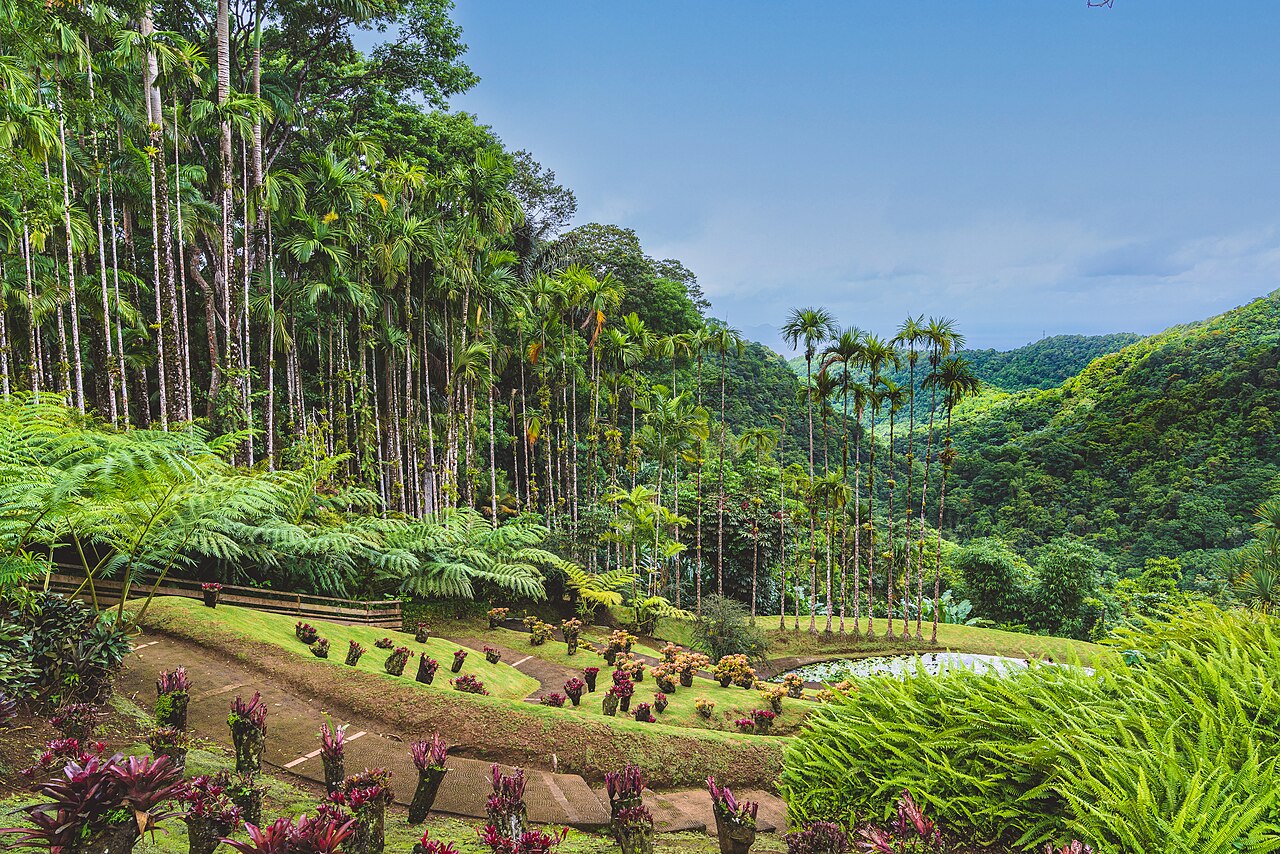
Just a short drive into the hills from the capital, Fort-de-France, lies the Jardin de Balata.
- The Flora: Created by a passionate horticulturist in 1982, this botanical garden is a sensory masterpiece. It features thousands of exotic tropical plants, towering royal palms, and vibrant bamboo groves laid out in meticulous terraces.
- The Canopy Walk: The highlight of the garden is a series of wooden suspension bridges strung high up in the mahogany canopy. Walking 15 meters above the ground gives you a spectacular bird’s-eye view of the lush gardens and the distant bay of Fort-de-France. Keep an eye out for the dozens of wild hummingbirds that dart around the tropical blossoms.
- Source- IngridDb, CC BY-SA 4.0, via Wikimedia Commons
4. Southern Shores and Diamond Rock
If the north is defined by its green mountains, the south is defined by its spectacular, sun-drenched coastline.
- Les Salines: Widely considered one of the most beautiful beaches in the Caribbean, Plage des Salines offers a long, sweeping stretch of golden sand backed by leaning coconut palms. The calm, clear waters make it an idyllic spot for a relaxing afternoon swim.
- Diamond Rock (Le Rocher du Diamant): Rising sharply out of the ocean off the southern coast, this uninhabited, 175-meter-high basalt rock is a striking landmark. During the Napoleonic Wars, the British actually fortified and commissioned the rock as a warship ("HMS Diamond Rock"). Today, the surrounding waters boast a rich marine ecosystem, making it a premier spot for scuba diving and snorkeling.
5. A Taste of Creole Culture
Martinican cuisine is a brilliant fusion of French culinary techniques and rich Caribbean ingredients. It relies heavily on fresh seafood, tropical fruit, and fragrant spices.
- Accras de Morue: The ultimate island appetizer. These are crispy, bite-sized fritters made from salted cod and fresh herbs. They are golden, savory, and highly addictive.
- Poulet Colombo: A comforting, hearty chicken stew slowly simmered in a unique local blend of turmeric, coriander, cumin, and mustard seeds. It is often served with local root vegetables like yams and plantains.
- Blancmange: To satisfy your sweet tooth, try this traditional, creamy, delicate dessert made from rich coconut milk.
- Didier Mineral Water: For a truly local refreshment, ask for Didier. It is a naturally carbonated mineral water sourced directly from the island’s rainforests since 1833, offering a crisp, bubbly complement to the spiced cuisine.
Why Go Now?
Martinique is a destination that invites you to slow down and savor the environment. It is exceptionally safe, deeply historic, and ecologically stunning. By renting a car, packing your hiking boots, and setting up an eSIM to keep your maps online, you are perfectly equipped to explore the vibrant heart of the French Caribbean.