
Malta: The Mediterranean’s Sun-Drenched Time Capsule
Source: visitcominoisland.com
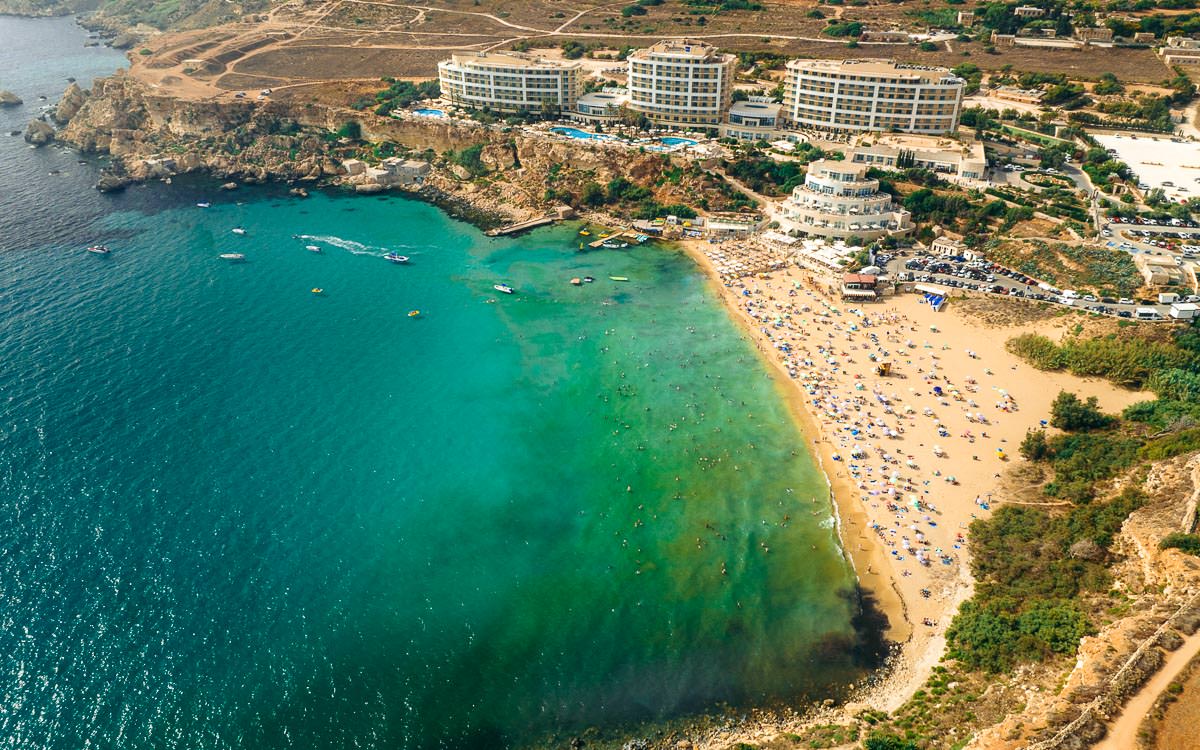
Floating in the heart of the Mediterranean Sea between Sicily and the North African coast, the Maltese archipelago is one of the smallest countries in the world. Yet, what it lacks in size, it makes up for with a staggering density of history, culture, and natural beauty.
Malta is a place where you can explore prehistoric temples older than the Pyramids of Giza in the morning, and swim in crystal-clear lagoons in the afternoon. With its honey-colored limestone buildings, year-round sunshine, and a fascinating blend of European and Arabic influences, it is an island that captures the imagination.
If you are ready to explore this historical jewel, here is your factual guide to Malta.
1. Valletta: The Fortress Capital
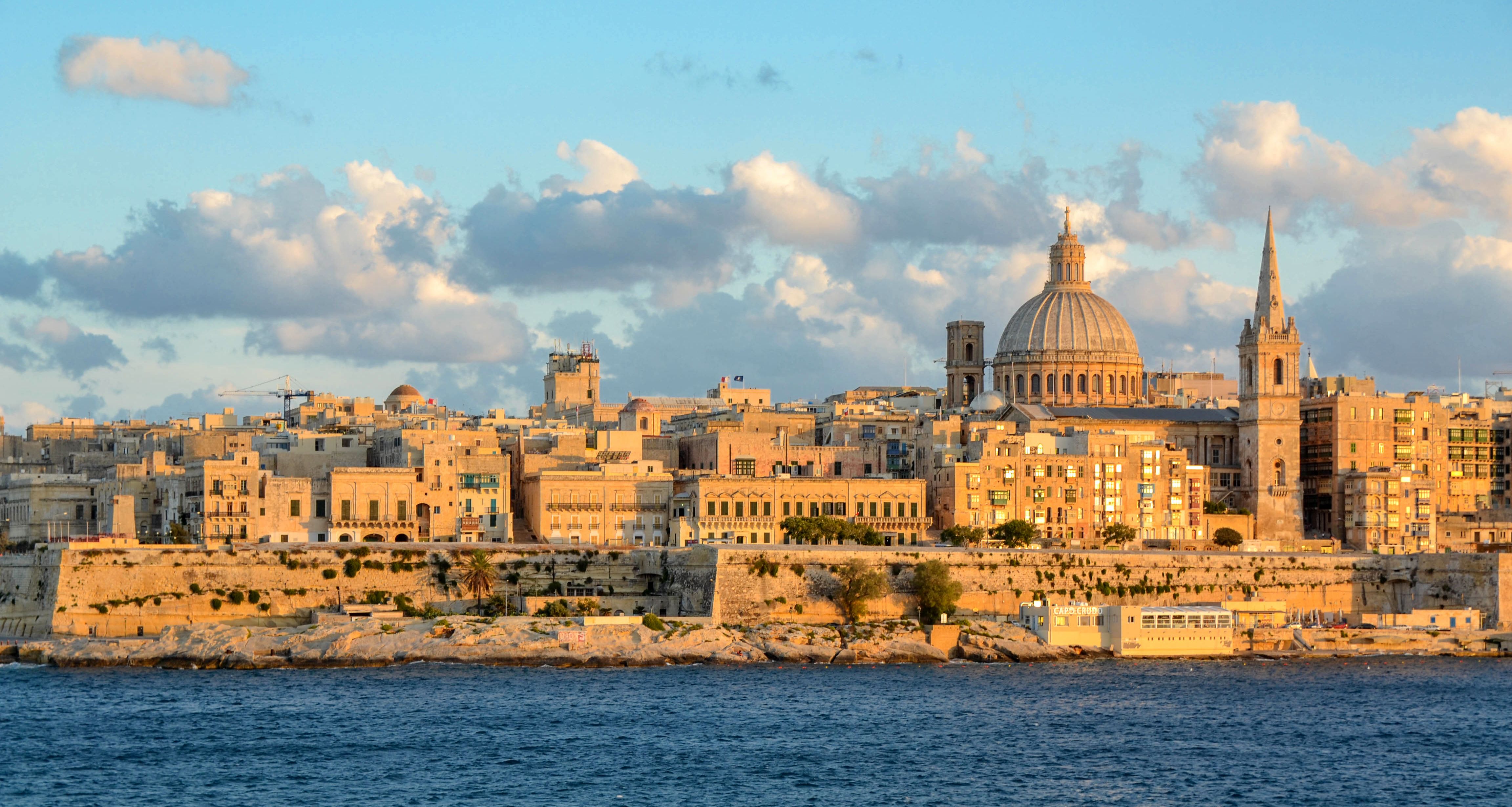
Your journey will begin in Valletta, a city built "by gentlemen for gentlemen" by the Knights of St. John in the 16th century. It is a UNESCO World Heritage site and feels like an open-air museum.
- The Architecture: Valletta is famous for its grid-like streets and the colorful, enclosed wooden balconies (gallariji) that jut out from the Baroque limestone facades.
- St. John’s Co-Cathedral: Do not let the plain exterior fool you. Inside, it boasts one of the most lavishly decorated Baroque interiors in Europe, completely covered in gold leaf, marble, and intricate frescoes.
- Upper Barrakka Gardens: Head here at sunset for an unbeatable, panoramic view of the Grand Harbour and the neighboring "Three Cities."
- Source- By Mandyy88 - Own work, CC BY-SA 4.0
2. Mdina: The Silent City
Before Valletta was built, Mdina was the island's capital. Situated on a hill in the center of the island, this medieval walled city is a stark contrast to the bustling coast.
- The Atmosphere: It earns its nickname, "The Silent City," because very few cars are permitted inside its gates. Strolling through its narrow, winding, shadow-filled, cobblestone streets is incredibly peaceful.
- The Views: Walk to the bastions at the very back of the city for a sweeping view that stretches all the way across the island to the Mediterranean Sea.
3. The Connectivity Reality: Why You Need an eSIM
Here is a vital logistical tip for your trip. Unless you plan to brave the narrow, left-hand driving roads in a rental car, you will be relying on Malta Public Transport (the Tallinja bus network) to get around.
The Transit Challenge
- Real-Time Tracking: While the bus network covers the entire island, schedules can be heavily impacted by traffic. You absolutely need the Tallinja App to check live arrival times, locate the nearest bus stops, and avoid long waits in the sun.
- The Roaming Trap: Relying on international roaming outside of an EU plan can lead to hefty fees, and relying solely on hotel Wi-Fi means you are flying blind while out exploring.
The Solution: The eSIM To navigate the island efficiently, purchase a Malta-compatible eSIM data plan before you fly.
- The Benefit: An eSIM connects you to top local networks (like Epic or GO) the moment you land at Malta International Airport. It ensures you have instant, secure internet to load your transit apps, buy digital bus tickets, and pull up Google Maps without ever having to queue for a physical SIM card.
4. Gozo and the Ancient Megaliths
A short, scenic ferry ride north takes you to Gozo, Malta’s smaller, greener, and more rural sister island.
- Ġgantija Temples: Gozo is home to one of the most important archaeological sites in the world. Dating back to 3600 BC, these massive megalithic temples are the oldest free-standing structures on Earth. The name translates roughly to "Giant's Tower," as local folklore claimed only giants could have moved the massive limestone blocks.
- Victoria (Rabat): The capital of Gozo features a beautifully restored Citadel that towers over the island, offering fantastic views and a deep dive into the region's defensive history.
5. A Taste of Malta
Maltese cuisine is a rustic, comforting reflection of its geography, blending Sicilian and Middle Eastern flavors. The street food is legendary and incredibly affordable.
- Pastizzi: You cannot visit Malta without eating these. They are diamond-shaped, incredibly flaky pastries traditionally filled with either fresh ricotta cheese (pastizzi tal-irkotta) or savory mushy peas (pastizzi tal-piżelli). They are best eaten hot from a local pastizzeria.
- Ftira: This is a traditional, ring-shaped sourdough bread. It is most commonly served as a hearty sandwich spread with kunserva (sweet tomato paste) and stuffed with tuna, capers, olives, and fresh mint. It is the ultimate beach lunch.
- Bigilla: A staple on any Maltese appetizer platter, this is a thick, dark dip made from mashed broad beans (fava beans), garlic, and parsley. It is typically served with a drizzle of olive oil and local water crackers known as galletti.
Why Go Now?
Malta is a destination that delivers an outsized travel experience. It is a place where history is etched into every stone, the Mediterranean Sea is never more than a few minutes away, and the local pastries are always warm. By downloading your transit app and securing your connectivity with an eSIM, you can effortlessly explore the secrets of this remarkable archipelago.