
Mali: Ancient Empires, Mudbrick Marvels, and the Reality of Frontier Travel
Source: Britannica
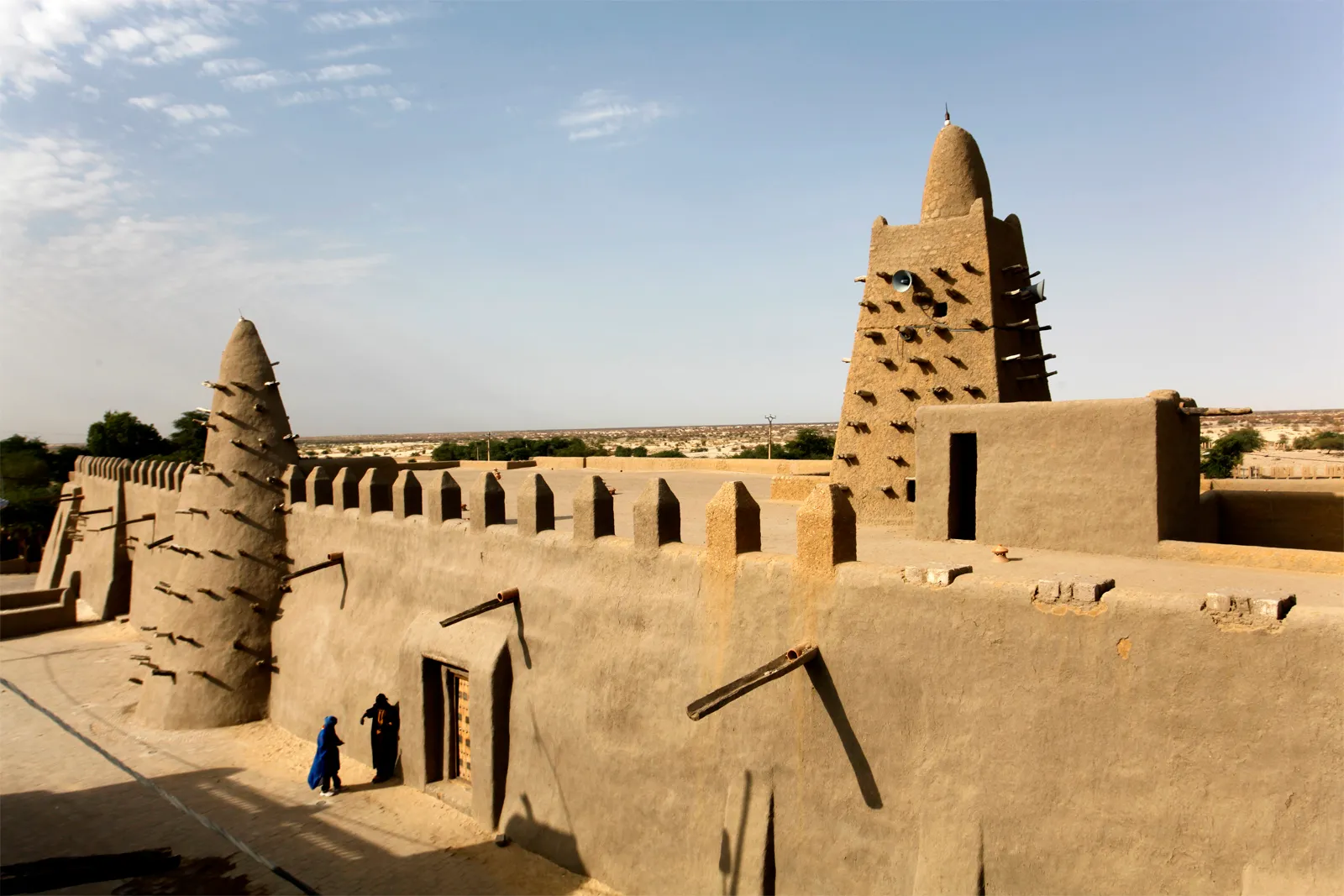
Mali is a nation of profound historical weight. For centuries, it was the epicenter of the trans-Saharan gold and salt trade, birthing empires of unimaginable wealth and intellectual brilliance. It is a land where the Niger River cuts through the Sahel, sustaining ancient cities built entirely of earth.
However, to write a factual travel guide about Mali today requires absolute candor. Currently, Mali is under severe international "Do Not Travel" advisories due to regional conflict, terrorism, and political instability. Traveling here is not a standard holiday; it requires rigorous professional security escorts, deep preparation, and a healthy respect for the risks involved.
For the intrepid few who must travel there—or for those building their aspirational itineraries for a time when peace returns—here is your factual guide to the cultural giants of Mali.
1. The Current Travel Reality
Before packing a bag, it is vital to understand the logistical landscape.
- The Security Climate: A state of emergency remains in effect across much of the country. Northern and central regions are highly volatile. Most government travel advisories strongly urge citizens to avoid all travel outside the capital, Bamako, without specialized security protocols.
- The Infrastructure: Outside of major hubs, road conditions are poor and fuel shortages can happen unpredictably. Preparation and self-reliance are non-negotiable.
2. Bamako: The Rhythmic Capital
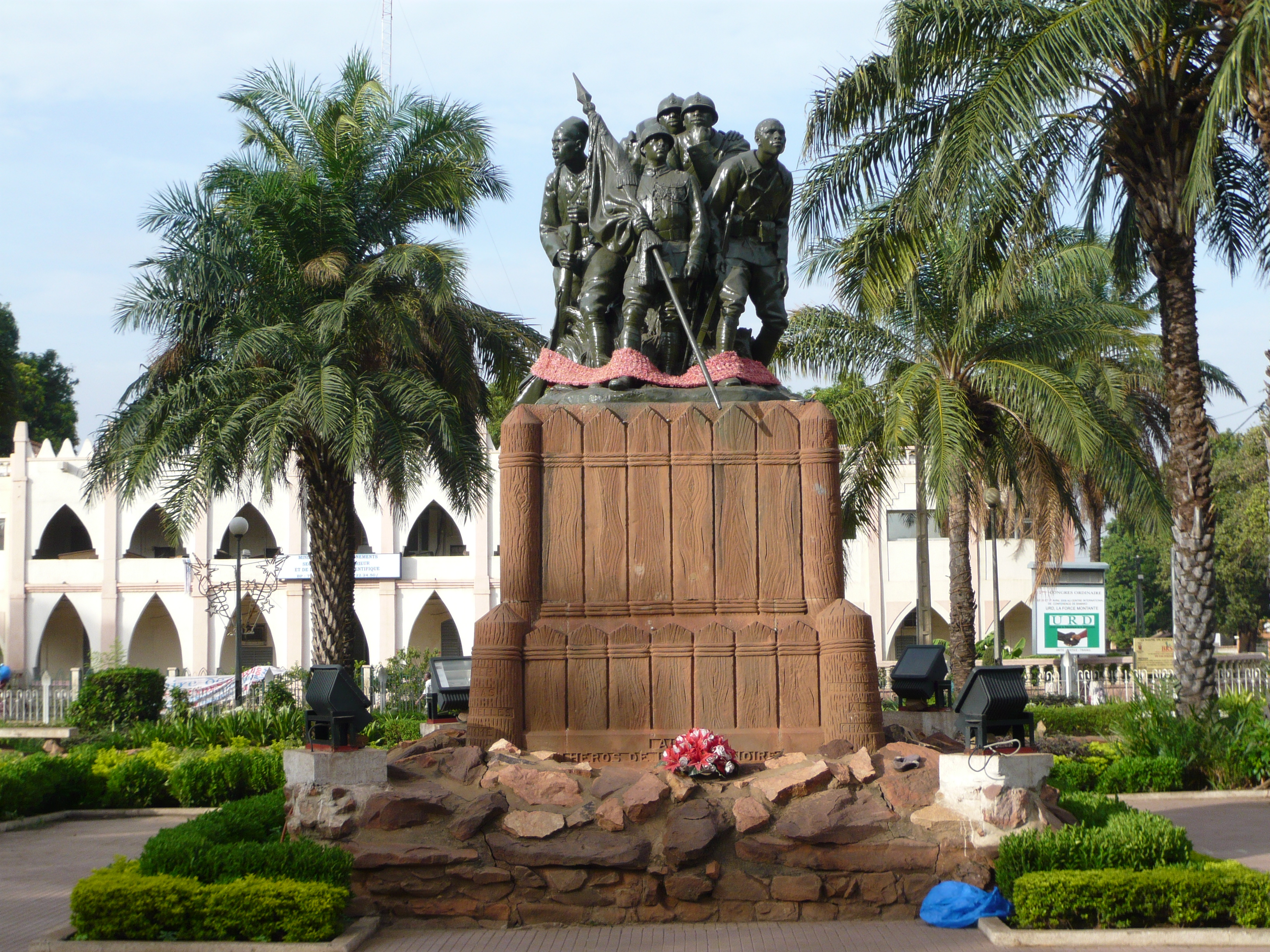
If you travel to Mali, your journey will begin in Bamako, the sprawling capital situated on the banks of the Niger River.
- National Museum of Mali: This is widely considered one of the best anthropological museums in West Africa. It houses a staggering collection of ancient textiles, ritual masks, and archaeological artifacts from the Dogon, Bambara, and Tuareg cultures.
- The Markets: The city is famous for its vibrant, bustling outdoor markets. It is the economic heartbeat of the nation, where you can find everything from intricate silver jewelry to brilliantly dyed indigo fabrics.
- Source- By Rgaudin - Own work, Public Domain
3. The Connectivity Reality: Why an eSIM is a Strategic Necessity
When navigating a high-stakes, unpredictable environment like Mali, your digital connectivity is not just a convenience—it is your primary security tool.
The Legacy Telecom Vulnerability
- The Bureaucracy: Securing a physical local SIM card often involves dealing with legacy infrastructure, handing over physical passport copies to vendors, and waiting out unpredictable activation delays.
- The Security Risk: Relying on unverified, open Wi-Fi networks in hotels or cafes exposes your device to unnecessary cybersecurity vulnerabilities.
The Solution: The eSIM
To bypass hardware constraints and secure your data pipeline, provision a Mali-compatible eSIM data plan before your flight.
- The Benefit: An eSIM provides a seamless digital handover the moment your device connects to local cell towers (like Orange Mali) at Modibo Keïta International Airport. It guarantees you have immediate, encrypted bandwidth to load offline GPS routes, receive real-time security alerts, and maintain secure communication with your local contacts from minute one.
4. Djenné: The Masterpiece of Mudbrick
Located in the inland delta of the Niger River, Djenné is one of the oldest inhabited cities in sub-Saharan Africa.
- The Great Mosque: This UNESCO World Heritage site is the largest mudbrick building on Earth. It is an architectural marvel of the Sudano-Sahelian style, featuring massive earthen pillars laced with protruding wooden scaffolding (toron).
- The Maintenance: Because it is made of sun-baked earth, the mosque melts slightly during the rainy season. Every year, the entire community gathers for a spectacular festival to replaster the building by hand, preserving it for the next generation.
5. Timbuktu: The City of Scholars
The very name Timbuktu is synonymous with the edge of the world, but in the 15th and 16th centuries, it was the intellectual capital of Africa.
- Sankore University: At its peak, this ancient Islamic university housed 25,000 students and a library of hundreds of thousands of handwritten manuscripts detailing astronomy, mathematics, and law.
- The Preservation: Today, the city is heavily guarded, and an incredible international effort is underway to digitize and protect these fragile, ancient manuscripts from both the harsh desert environment and regional conflict.
6. A Taste of the Sahel- Rich, Earthy, and Halal
Malian cuisine is heavily agrarian and deeply comforting. It relies on grains like millet and rice, paired with rich, slow-cooked sauces.
- Maafe (Tigadegena): This is the undisputed national dish of Mali. It is a thick, savory peanut butter stew, slow-cooked with tomatoes, sweet potatoes, carrots, and beef or chicken. The peanut base gives it an incredible depth of flavor that is both nutty and deeply spiced.
- Poulet Yassa: A favorite across West Africa, this dish features chicken marinated in a sharp, tangy mixture of lemon juice, caramelized onions, and mustard, then braised until fall-apart tender.
- Capitaine Fish: Sourced directly from the Niger River, Nile perch (known locally as Capitaine) is often served simply grilled or fried, accompanied by fiery scotch bonnet pepper sauces.
Looking Forward
Mali is a country that guards the ancient history of a continent. While current realities make it a destination only for highly experienced or professionally escorted travelers, its cultural contributions to the world remain undeniable. By maintaining clear-eyed situational awareness and securing a reliable digital lifeline via an eSIM, one can appreciate the resilience and profound heritage of the Malian people.