
Madagascar: A 5-Minute Guide to Lemurs, Ancient Baobabs, and Untamed Beauty
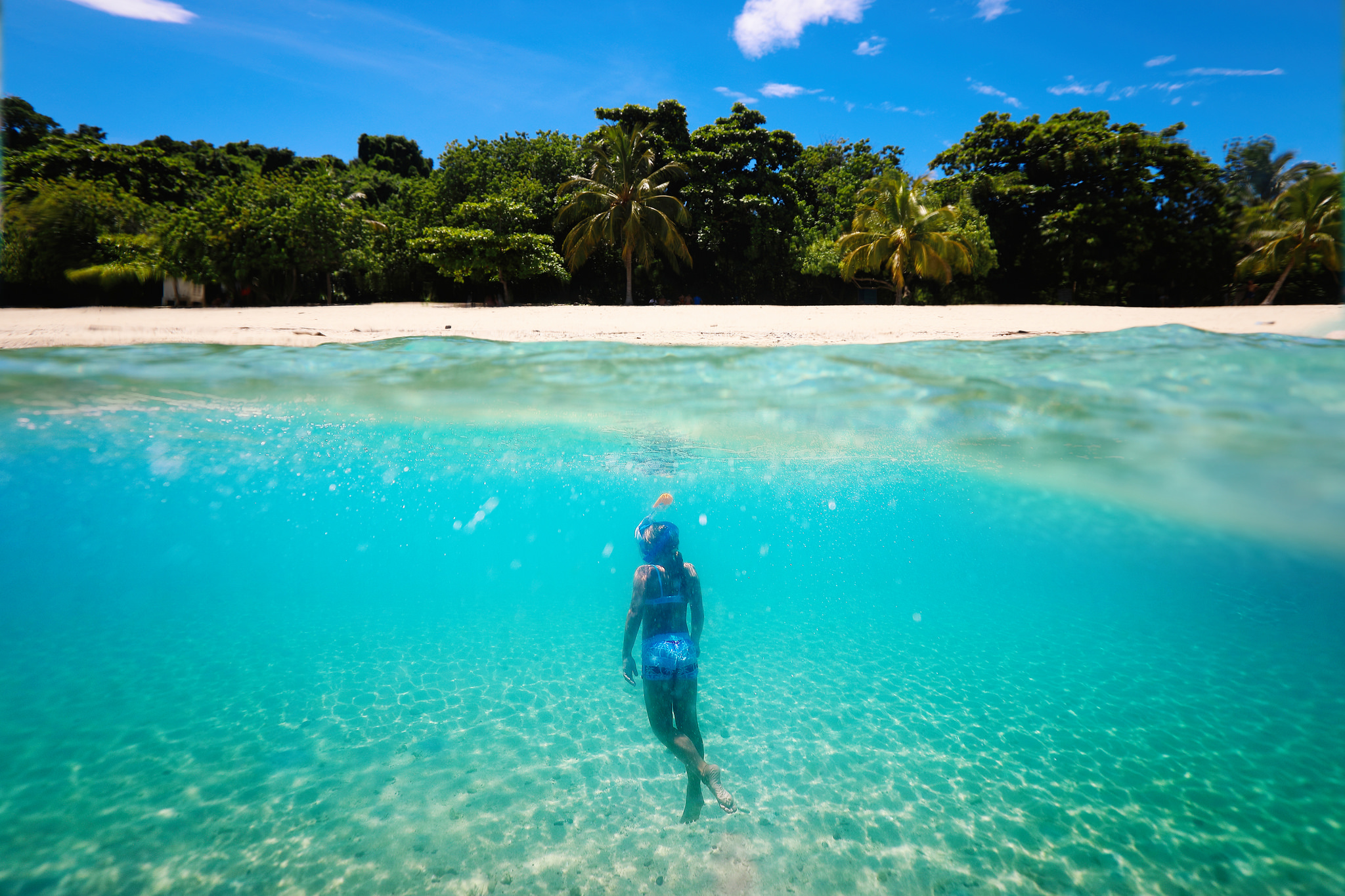
Source: Madagascar Tourisme
If you are looking for a destination that feels entirely different from the rest of the world, Madagascar is your answer. Floating in the Indian Ocean off the southeastern coast of Africa, it is the fourth-largest island in the world. But what makes it truly special is its isolation: over 80% of Madagascar's flora and fauna can be found nowhere else on Earth.
Traveling here is an adventure in the truest sense. It is a land of red earth, dense rainforests, and bizarre geological formations. If you are ready to step into a real-life nature documentary, here is your factual guide to the wonders of Madagascar.
1. The Avenue of the Baobabs: Giants of the Earth
Located in the west, near the town of Morondava, the Avenue of the Baobabs is the most iconic landscape in the country.
- The Trees: These massive Adansonia grandidieri trees are up to 800 years old and can reach 30 meters in height. They stand like silent sentinels along a dusty dirt road, remnants of a dense tropical forest that once covered the area.
- The Best Time to Visit: Sunset is the most popular time to visit, as the sky turns brilliant shades of orange and purple behind the striking silhouettes of the trees. If you prefer to avoid the crowds, arrive at dawn. Watching the sunrise touch the baobabs while the avenue is quiet is a magical experience.
2. Andasibe-Mantadia National Park: The Call of the Indri
To experience Madagascar’s famous wildlife, head east from the capital to the lush rainforests of Andasibe-Mantadia National Park.
- The Indri: This park is the best place to see the Indri, the largest living species of lemur. They look a bit like a cross between a panda and a teddy bear, but what you will notice first is their sound. The Indri communicate with haunting, whale-like calls that echo through the misty canopy for miles.
- The Night Walks: You can arrange guided night walks along the perimeter of the park to spot incredibly rare nocturnal creatures, including tiny mouse lemurs and uniquely adapted chameleons.
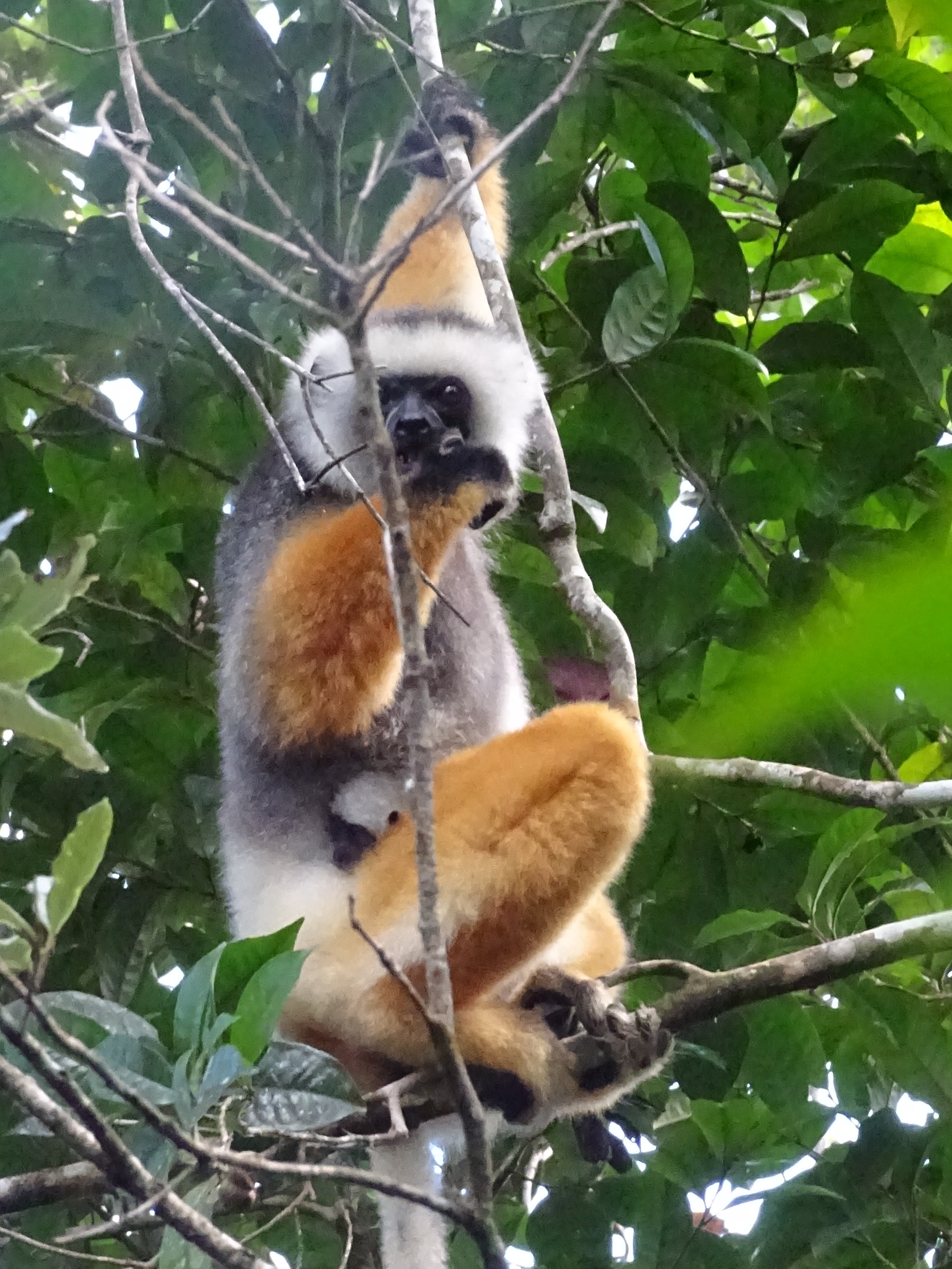
- Source- By SurreyJohn - Own work, CC BY-SA 4.0
3. The Connectivity Reality: Why You Need an eSIM
Here is a critical logistical fact for traveling in Madagascar. The country is vast, and outside of the main cities, the infrastructure can be incredibly rugged and remote.
The Navigation & Safety Challenge
- The Roads: Traveling between major sites often involves navigating long, unpaved dirt roads (like the RN8 to the Baobabs). Signage is sparse, and you will rely heavily on offline GPS to ensure your driver is on the right track.
- The Language: Malagasy and French are the official languages. English is not widely spoken outside of major tourist hotels. You will constantly need translation apps to communicate with local guides or shop owners.
The Solution: The eSIM To ensure you are connected the moment you arrive, purchase a Madagascar-compatible eSIM data plan before you fly.
- The Benefit: An eSIM connects you instantly to local networks (like Orange) when you land at Ivato International Airport in Antananarivo. It saves you the stress of finding a physical SIM card shop in a bustling, unfamiliar city and guarantees you have emergency data during long drives through the countryside.
4. Tsingy de Bemaraha: The Stone Forest
In the western part of the island lies one of the most bizarre geological formations on the planet: Tsingy de Bemaraha National Park.
- The Landscape: "Tsingy" translates roughly to "where one cannot walk barefoot." It is a massive, impenetrable labyrinth of razor-sharp limestone pinnacles created by centuries of groundwater erosion.
- The Adventure: Exploring the Tsingy involves wearing a climbing harness, clipping into steel cables, and navigating suspension bridges that hang precariously over deep canyons. It is thrilling, physically demanding, and visually spectacular.
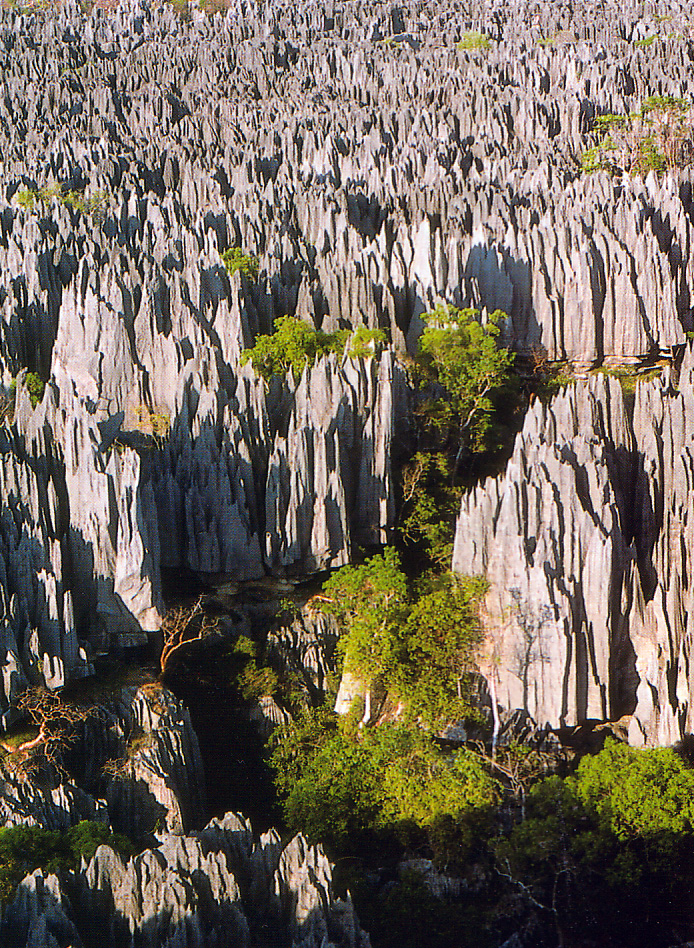
- Source- CC BY-SA 3.0, via Wikimedia Commons
5. A Taste of Madagascar- Earthy and Tropical
Malagasy cuisine reflects its history as a crossroads of African, Asian, and European trade. It is hearty, simple, and completely relies on fresh, local ingredients.
- Rice (Vary): Rice is the absolute cornerstone of the Malagasy diet. It is eaten at almost every meal, often served in massive portions alongside a smaller side dish (laoka).
- Romazava: This is considered the national dish. It is a rich, comforting meat stew usually made with Zebu (the local humped cattle), simmered with a mix of leafy greens. One specific green used, brèdes mafana, gives the broth a unique, slightly tingling sensation on the tongue.
- Coastal Seafood: If you travel to the coasts or the island of Nosy Be, the seafood is exceptional. Look for fresh prawns or fish simmered in rich coconut milk, ginger, and garlic.
- Mofo Gasy: For breakfast, try these traditional Malagasy street-food pancakes. Made from sweetened rice flour and cooked in a special circular mold over charcoal, they are crispy on the outside, fluffy on the inside, and pair perfectly with local coffee.
Why Go Now?
Madagascar is not a manufactured tourist resort; it is a raw, demanding, and immensely rewarding frontier. It forces you to slow down, disconnect from the rush of modern life, and marvel at a natural world that exists completely on its own terms. With a spirit of adventure and an eSIM to keep you safely on the map, the Eighth Continent is waiting to be explored.