
Macau Beyond the Glitz: A 5-Minute Guide to Heritage, Fusion, and Seamless Travel
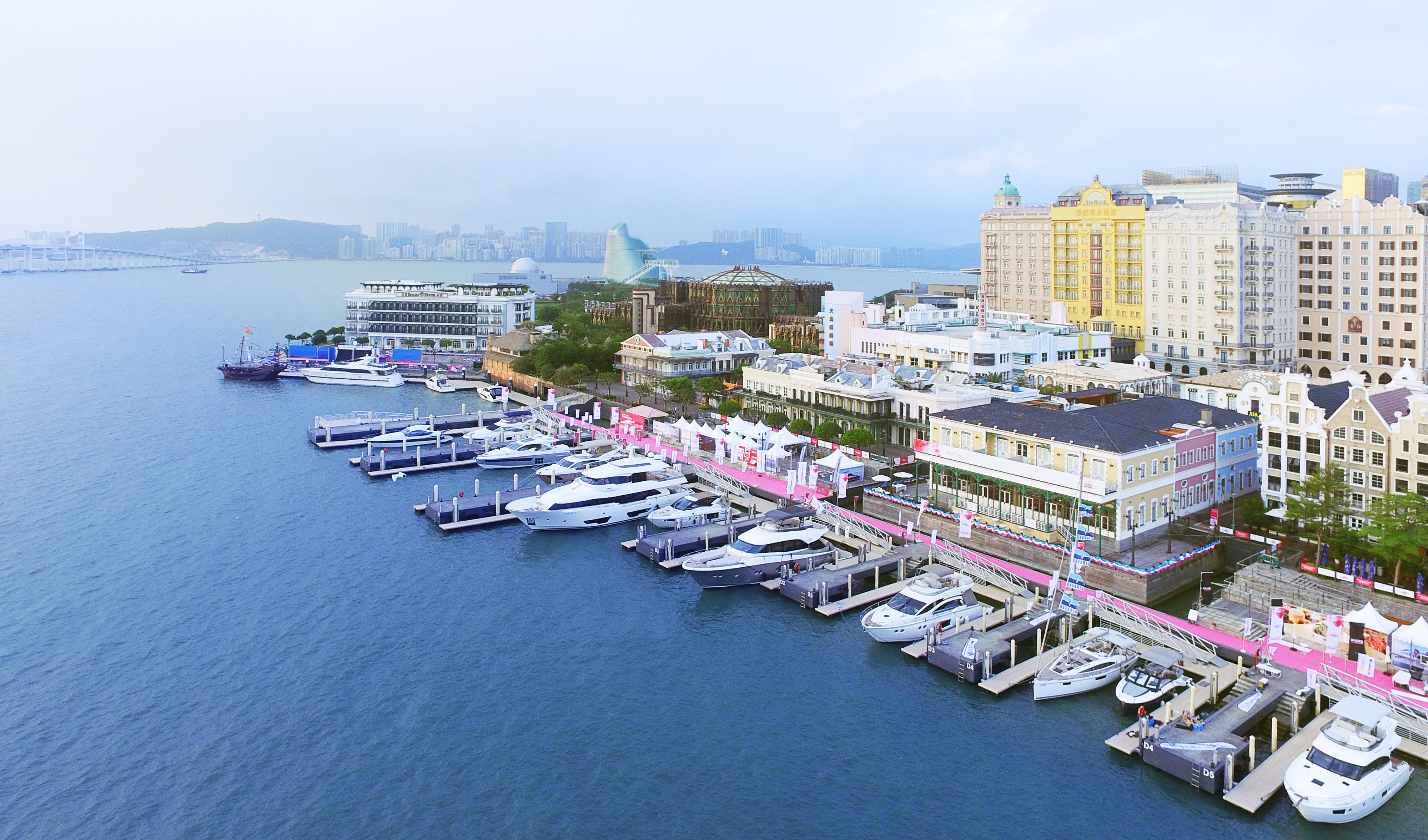
When you look at a map of the South China Sea, Macau sits as a tiny, brilliant anomaly. As the first and last European colony in Asia, it is a place where 16th-century Portuguese architecture seamlessly blends with ancient Chinese traditions.
Far beyond its modern, neon-lit skyline, the true heartbeat of Macau is found in its UNESCO-protected plazas, its incense-filled temples, and its unique fusion cuisine. If you are ready to explore a city where East and West have coexisted for over 400 years, here is your factual guide to Macau.
1. The Historic Centre: A UNESCO Masterpiece
The Macau Peninsula is densely packed with history. The best way to experience it is entirely on foot.
- Senado Square (Largo do Senado): Your journey should begin at this central plaza. Paved with a striking black-and-white wave-patterned mosaic brought over by Portuguese experts, the square is surrounded by pastel neo-classical buildings.
- Ruins of St. Paul's: Just a short walk from the square stands Macau’s most famous landmark. Originally a massive 17th-century Catholic church built by Japanese Christian exiles and Chinese craftsmen, only the intricately carved stone facade remains today following a fire in 1835.
- A-Ma Temple: Predating the Portuguese arrival, this is the oldest temple in the city, built in 1488. Dedicated to Mazu, the sacred goddess of the sea, the temple is built into the side of a hill and is constantly shrouded in the fragrant smoke of spiral incense coils.
- Mount Fortress (Fortaleza do Monte): Hike up to this 17th-century fort sitting right next to the Ruins of St. Paul's. The ancient cannons still point out over the city, offering a spectacular panoramic view of Macau’s historic and modern skylines.
2. The Connectivity Reality: Why an eSIM is Your Best Tool
Here is a logistical reality check. While Macau is incredibly walkable, its winding, narrow streets and dual-language signage (Traditional Chinese and Portuguese) can be highly disorienting.
The Navigation & Security Challenge
- Finding Your Way: You will rely heavily on digital maps to navigate the labyrinth of the Historic Centre and real-time transit apps to catch the local buses or the Light Rapid Transit (LRT) system.
- The Wi-Fi Risk: Relying on open, unverified public Wi-Fi networks in busy tourist hubs exposes your devices to unnecessary cybersecurity risks.
The Solution: The eSIM For the modern traveler who values seamless digital infrastructure and data security, purchasing a Macau-compatible eSIM data plan before you fly is essential.
- The Benefit: An eSIM connects you instantly to local networks (like CTM or 3Macau) the moment you arrive via the ferry terminal or the airport. It delivers immediate, encrypted data directly to your device without the friction of queuing for a physical SIM card, allowing you to use your transit apps and maps securely from minute one.
3. Taipa Village: The Quieter Side of Macau
Cross the harbor to the island of Taipa to experience a completely different pace of life.
- Colonial Charm: Taipa Village is a maze of narrow, pedestrian-friendly streets flanked by pastel-hued colonial buildings and hanging banyan trees.
- Taipa Houses-Museum: Along the edge of a serene wetland, you will find five distinctive mint-green Macanese villas built in 1921. They have been beautifully preserved to showcase how affluent families lived during the colonial era.
- Rua do Cunha: This bustling, narrow pedestrian street is the epicenter of Macau's street snack culture. It is loud, vibrant, and smells absolutely incredible.
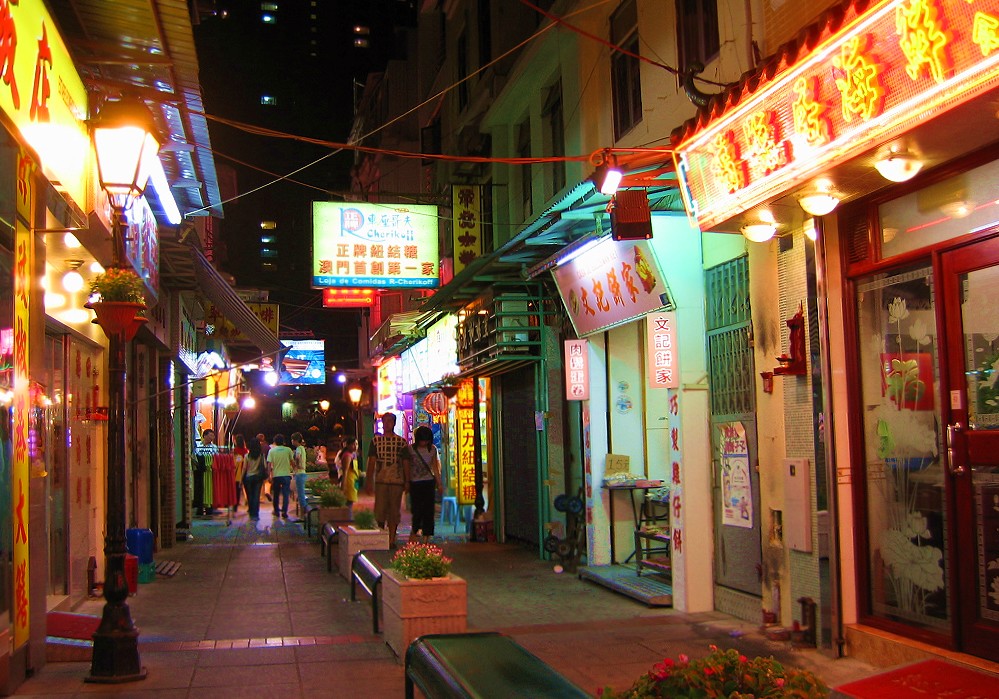
- Source- By I, Iidxplus, CC BY-SA 3.0
4. A Taste of Macanese Fusion
Macanese food is widely considered to be the world's first fusion cuisine, blending Portuguese cooking techniques with spices brought from Africa, India, and Southeast Asia.
- Beef Minchi: The ultimate Macanese comfort food. It consists of minced beef seasoned with dark soy sauce, molasses, and a hint of cumin, stir-fried with tiny cubes of crispy fried potatoes. It is traditionally served over white rice and topped with a sunny-side-up egg.
- Portuguese Egg Tarts (Pastéis de Nata): You cannot leave Macau without eating one (or five) of these. The Macanese version features a blistered, caramelized custard top sitting inside a warm, flaky, buttery pastry shell.
- Almond Cookies: As you walk down Rua do Cunha, you will see vendors pressing almond flour into traditional wooden molds and baking them fresh. They are crumbly, nutty, and pair perfectly with a hot cup of tea.
Why Go Now?
Macau is an architectural and cultural marvel that punches far above its weight. It is a place where you can wander through a serene Taoist temple in the morning and eat a world-class Portuguese tart by the sea in the afternoon. By securing your digital connectivity with an eSIM and bringing a healthy appetite, you are ready to uncover the rich, historic soul of this incredible peninsula.