
Lithuania: Fairy-Tale Castles, Pink Soup, and Pristine Forests
Source: Lithuania Travel
Tucked away in Northern Europe, Lithuania is a country that feels like it was pulled straight from the pages of a storybook. It is a land where dense, emerald-green pine forests cover a third of the country, medieval castles sit on tranquil lakes, and the cities hum with a vibrant, modern energy.
Despite its beauty, Lithuania remains blissfully off the radar for mass tourism. It offers the rich history and architecture of Western Europe alongside incredible affordability and authentic charm. If you are ready to explore the heart of the Baltics, here is your factual guide to Lithuania.
1. Vilnius: The City of Spires
Your adventure will almost certainly begin in the capital, Vilnius.
- The Old Town (Vilniaus Senamiestis): This UNESCO World Heritage site is one of the largest surviving medieval old towns in Northern Europe. It is a maze of cobblestone streets lined with pastel-colored Baroque buildings and towering Gothic churches, like the stunning red-brick St. Anne’s Church.
- Gediminas Castle Tower: For the best view of the city, take a short, steep walk up to this iconic red-brick tower. It is the last remaining vestige of the Upper Castle, offering a panoramic view where the terracotta rooftops of the Old Town meet the glass skyscrapers of the modern financial district.
2. Trakai: The Island Fortress
Just a 30-minute bus or train ride from Vilnius lies the historic town of Trakai.
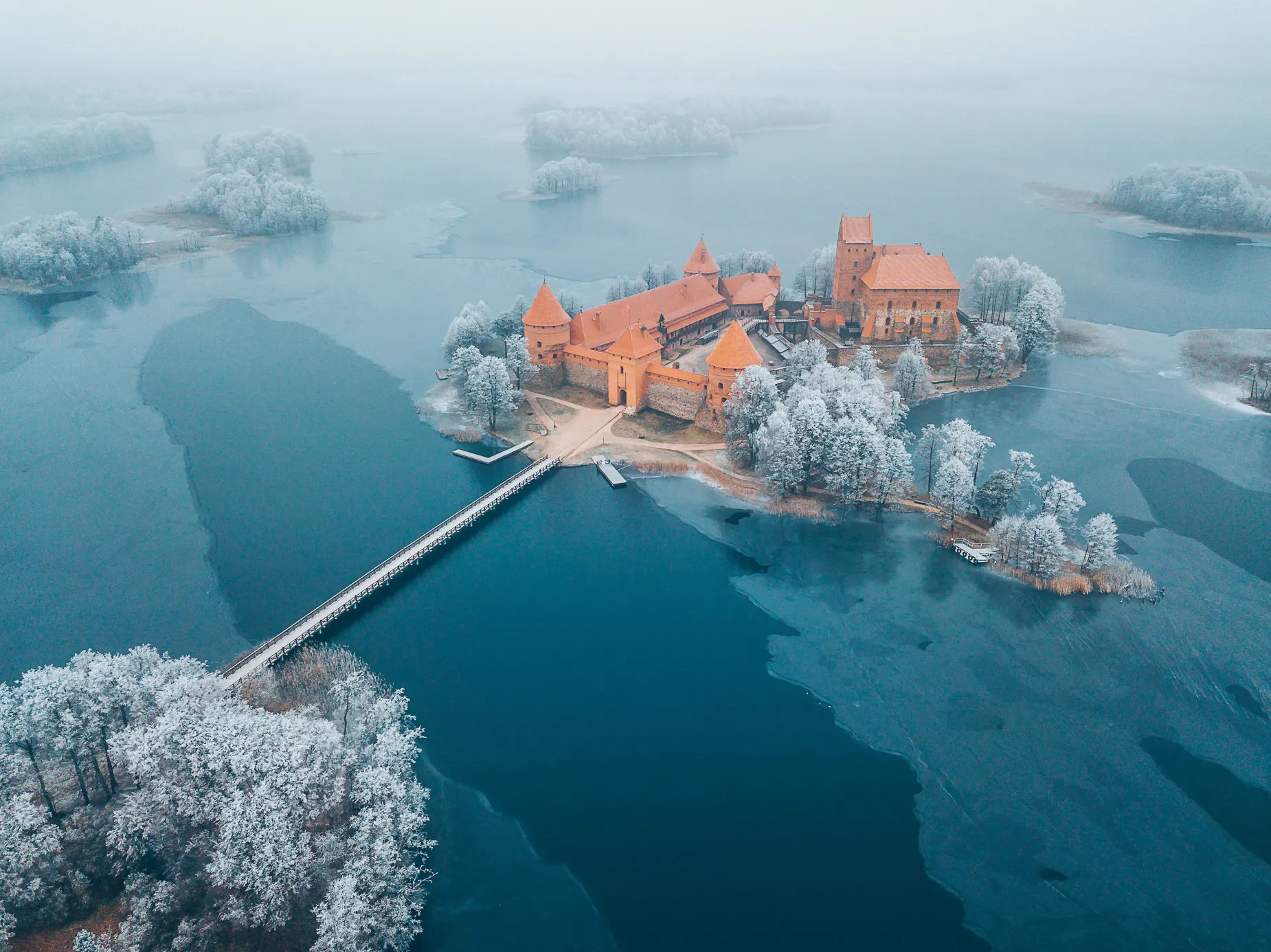
- Trakai Island Castle: This is the postcard image of Lithuania. Built in the 14th century, this magnificent red-brick fortress sits on its own small island in the middle of Lake Galvė. You can reach it via a long wooden footbridge.
- The Experience: To see the castle from the best angle, rent a pedalo or a rowboat and cruise around the island. The reflection of the fortress in the calm, blue water is spectacular.
3. The Connectivity Reality: Why You Need an eSIM
Here is a vital logistical tip for your trip. Lithuania has exceptionally fast internet and a highly digitized public transport system, meaning your smartphone is your best travel companion.
The Digital Transit Challenge
- Getting Around: To navigate the cities, locals rely on apps like Trafi for real-time bus and trolleybus schedules, and the m.Ticket or JUDU apps to instantly purchase digital transit tickets.
- Intercity Travel: If you want to take the modern LTG Link trains between Vilnius, Kaunas, and the coast, you will need to book and display your tickets digitally.
The Solution: The eSIM To avoid steep international roaming charges while navigating, purchase a Lithuania-compatible eSIM data plan before you fly.
- The Benefit: An eSIM connects you to reliable local networks (like Tele2 or Telia) the moment you land. It allows you to buy your bus tickets on the go, translate Lithuanian signs, and use GPS without endlessly searching for a public Wi-Fi hotspot.
4. The Hill of Crosses: An Eerie Wonder
Located in northern Lithuania near the city of Šiauliai, the Hill of Crosses (Kryžių Kalnas) is one of the most unique pilgrimage sites in the world.
- The Sight: It is a small mound completely covered in over 100,000 crosses of every size, made from wood, metal, and glass.
- The History: It began as a site of peaceful resistance during the 19th century and endured through the Soviet era when the hill was repeatedly bulldozed, only for locals to secretly rebuild it overnight. It is a powerful, hauntingly beautiful symbol of endurance.
5. The Curonian Spit: Sand Dunes and Sea Breeze
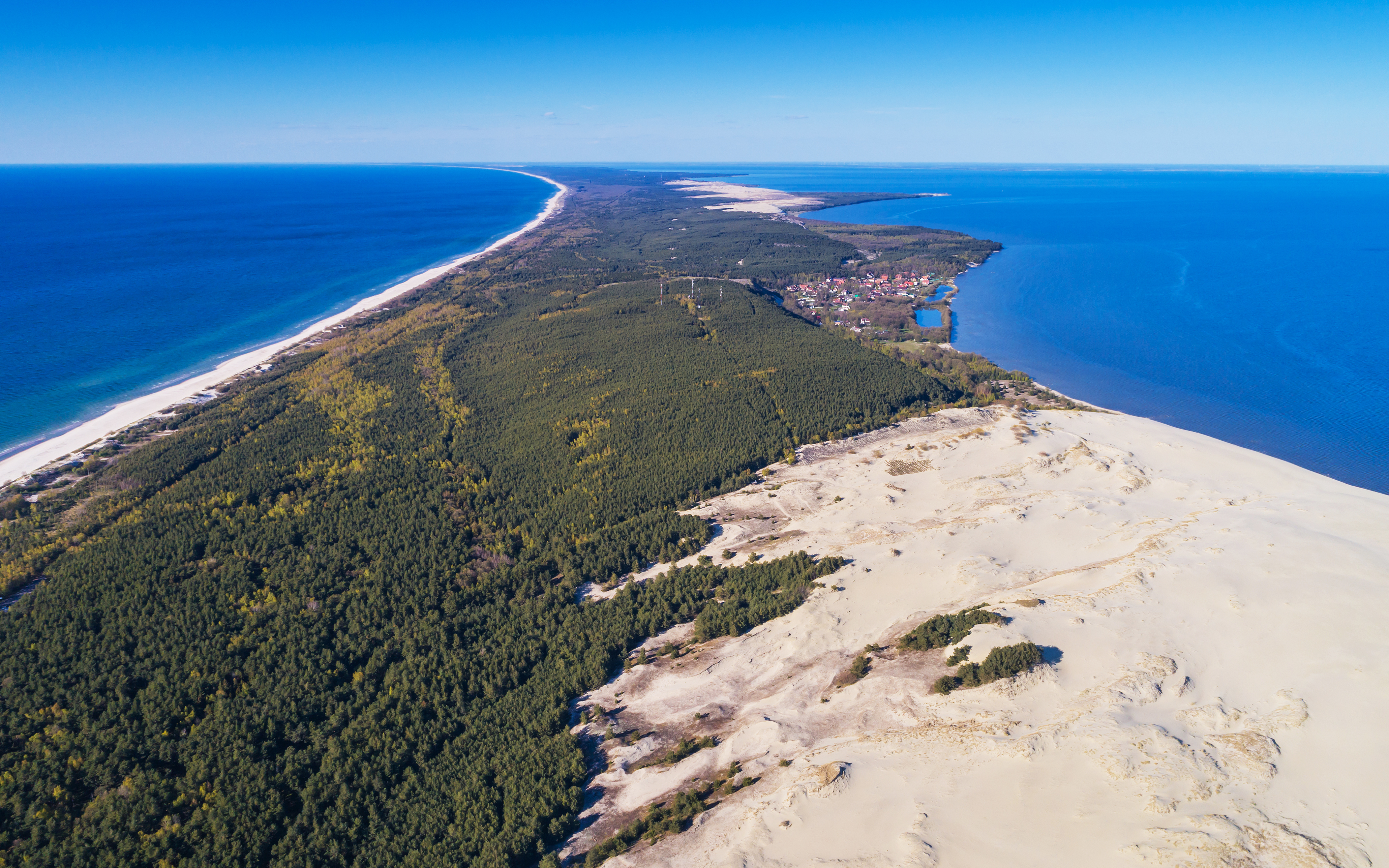
Head west to the Baltic coast to discover the Curonian Spit, a 98-kilometer-long peninsula of sand dunes and pine forests shared between Lithuania and Russia.
- The Landscape: Accessible via a short ferry from the port city of Klaipėda, this UNESCO-protected national park feels like a different world. It features massive, shifting sand dunes (some of the highest in Europe) that drop down into the Baltic Sea.
- Source- By A.Savin - Own work, FAL
- Nida: Rent a bicycle and ride down to Nida, a picturesque fishing village famous for its traditional wooden cottages painted in vibrant colors.
6. A Taste of Lithuania
Lithuanian cuisine is built for cold winters and active days, relying heavily on potatoes, root vegetables, and dairy.
- Šaltibarščiai (Cold Pink Soup): This is the most photogenic dish in the country. It is a bright pink, refreshing summer soup made from blended kefir (fermented milk) and beets, served cold with cucumber, dill, a hard-boiled egg, and a side of hot potatoes.
- Cepelinai (Zeppelins): The undisputed national dish. These are massive, zeppelin-shaped potato dumplings. For a rich, savory experience, look for Cepelinai su varške (filled with creamy curd cheese) or ones stuffed with earthy wild mushrooms.
- Kepta Duona: The ultimate cafe snack. It is dark, dense rye bread that is cut into strips, pan-fried until crispy, rubbed with fresh garlic, and smothered in melted cheese.
- Kibinai: A legacy of the Karaite ethnic minority who settled in Trakai centuries ago. These are flaky, hand-held pastry pockets traditionally baked with savory fillings like minced beef, mutton, or mushrooms.
Why Go Now?
Lithuania is a destination that rewards curiosity. It is safe, walkable, and deeply proud of its heritage. Whether you are wandering through a medieval courtyard in Vilnius or cycling through the pine forests of the Baltic coast, a trip here is unforgettable.