
Liberia: West Africa’s Unfiltered Frontier
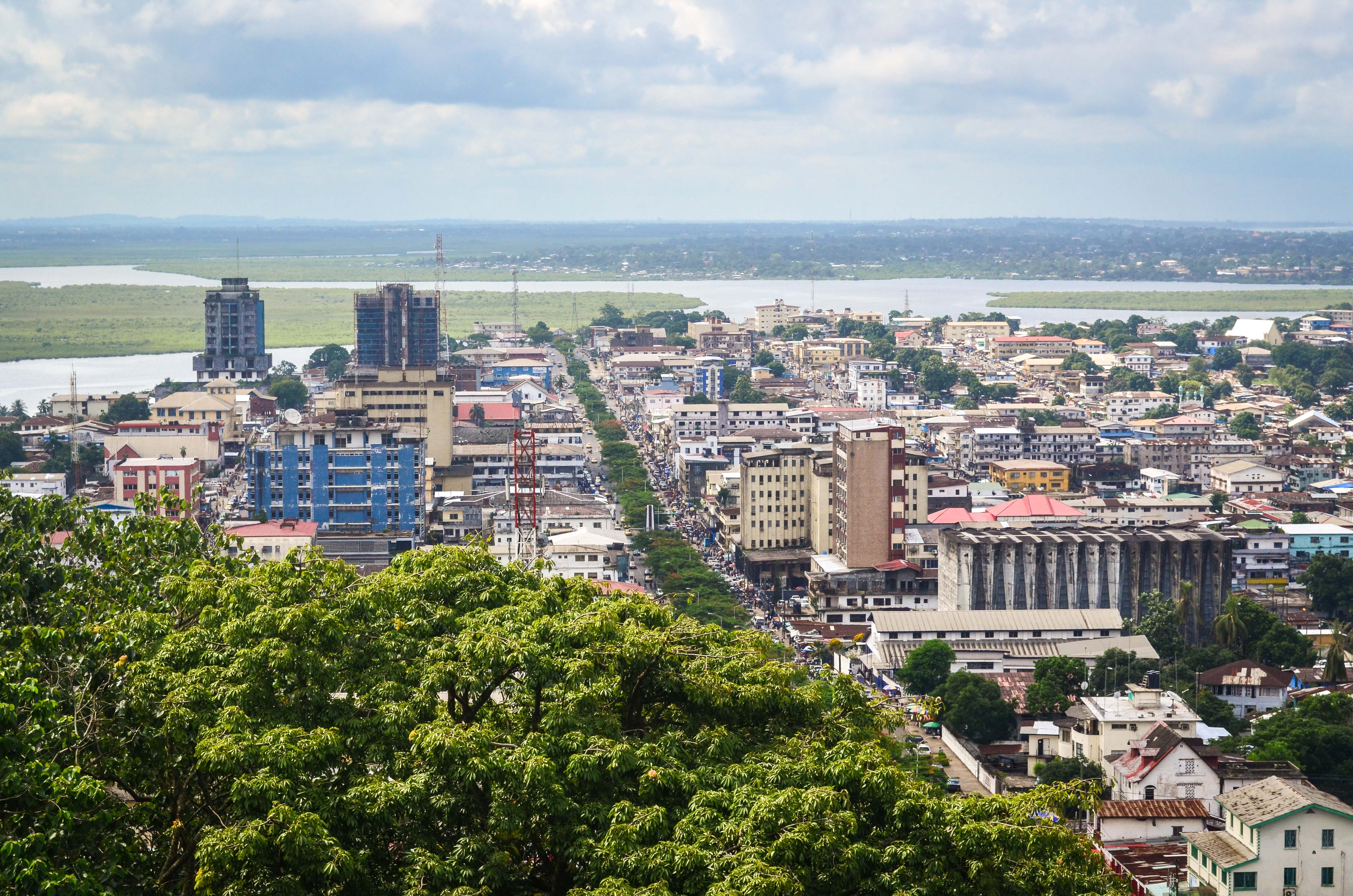
Liberia is not your typical tourist destination. It is a country for the intrepid traveler—a place where raw, unfiltered beauty meets a profound and complex history. As Africa’s oldest modern republic, founded in the 1820s by freed African Americans, Liberia offers a cultural landscape completely distinct from its neighbors.
From the lush, emerald canopies of its national parks to the sweeping, empty surf breaks of the Atlantic coast, Liberia rewards those willing to step off the beaten path. If you are ready for a genuine West African adventure, here is your factual guide to the "Pepper Coast."
1. Monrovia: The Coastal Capital
Your journey will begin in Monrovia, a bustling city where colonial-era architecture meets vibrant street markets.
- Providence Island: This UNESCO World Heritage tentative site is a must-visit. It is the exact location where the first freed American slaves arrived in 1822 to build a new life. It stands as a powerful monument to the country's unique origins.
- Liberian National Museum: Located in the former legislature building, this museum offers an excellent primer on the traditions of Liberia’s 16 major ethnic groups and the history of its founders.
- Ducor Hotel Ruins: Once the most luxurious hotel in West Africa, it now stands in ruins on the highest point in the city. It is a striking, haunting piece of modern history that offers sweeping panoramic views of the Monrovia skyline and the Atlantic Ocean.
2. Robertsport: The Surfer’s Secret
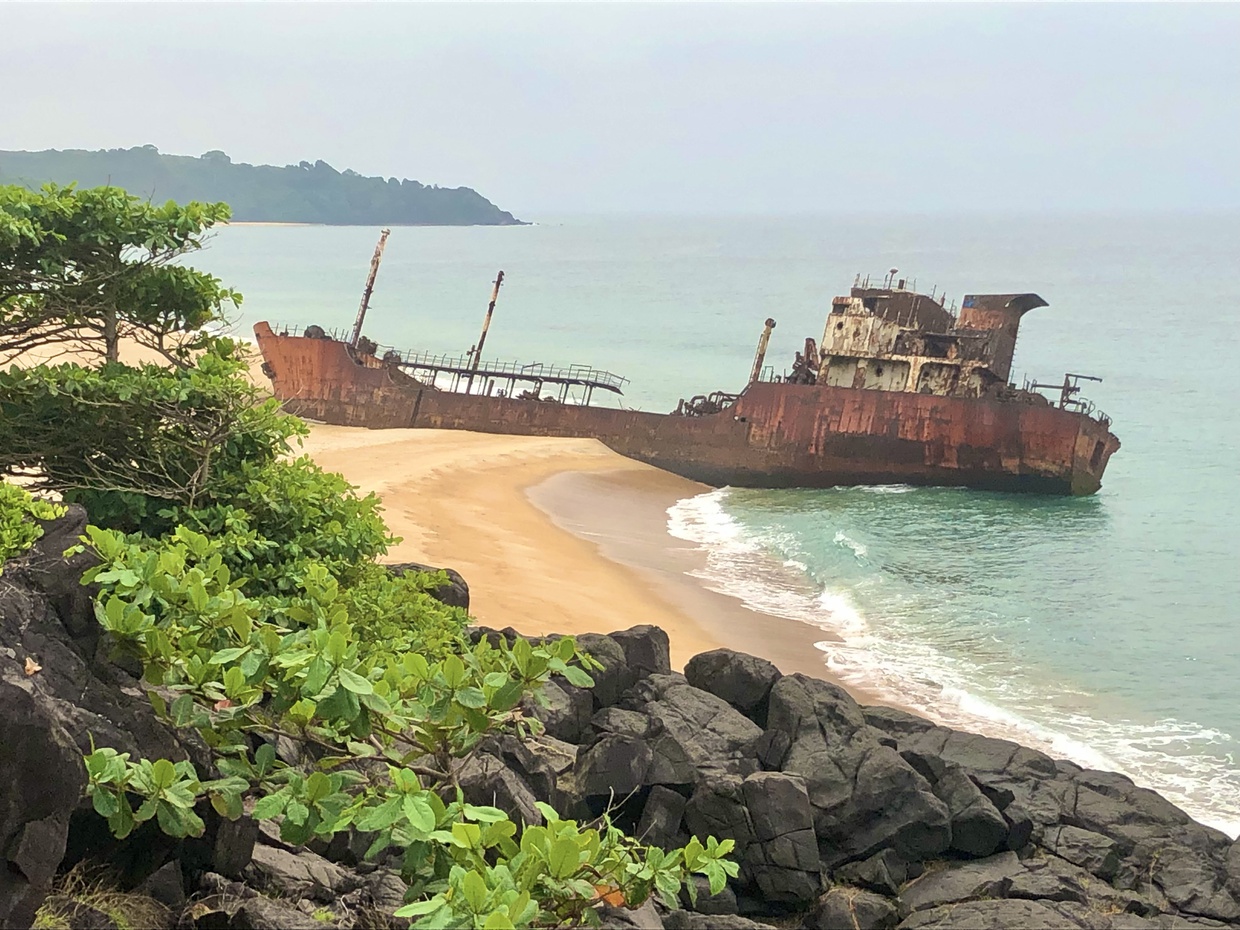
About 100 kilometers from the capital lies Robertsport, a laid-back coastal town framed by dense rainforest and golden sand.
- The Waves: Robertsport is internationally recognized among serious surfers for having some of the longest and best left-hand point breaks in Africa. Even if you don't surf, the beaches here—like Cotton Tree Beach—are stunning, empty, and perfect for walking.
- The Vibe: The town is dotted with remnants of 19th-century settler architecture and features eco-lodges and surf clubs where you can rent a board, take a lesson, or simply watch the waves roll in.
- Source- Liberia Tourism
3. The Connectivity Reality: Why You Need an eSIM
Here is a critical logistical fact for traveling in Liberia. The country’s tourism and digital infrastructure are still developing, making constant connectivity a matter of safety as much as convenience.
The Navigation & Security Challenge
- Transport: Official travel advisories strongly recommend against using local public transport, motorbikes, or hailing random street taxis. You need internet access to coordinate with pre-arranged, reputable drivers or your hotel shuttle.
- Infrastructure: Power outages are common, and relying on hotel Wi-Fi can be unpredictable. When traveling outside the capital, road signs are scarce, making live GPS essential.
The Solution: The eSIM To ensure you have a lifeline the moment you land, purchase a Liberia-compatible eSIM data plan before you fly.
- The Benefit: An eSIM connects you to local networks (like Lonestar Cell MTN or Orange) immediately upon arrival at Roberts International Airport.
- Why it helps: It allows you to use WhatsApp to contact your local guide, download offline maps for navigating rural roads, and maintain a vital communication link without the hassle of locating a physical SIM vendor in an unfamiliar city.
4. Into the Wild: Waterfalls and Rainforests
Liberia contains a staggering 50% of the remaining Upper Guinean rainforest, making it a hotspot for biodiversity.
- Kpatawee Waterfall: Located in Bong County, this cascading waterfall is a favorite for nature lovers. A short hike through a lush bamboo forest brings you to a series of refreshing, misty pools surrounded by vibrant greenery.
- Mount Nimba Strict Nature Reserve: In the north, this mountainous reserve offers incredible hiking. If you make it to the peak, you are rewarded with panoramic views spanning Liberia, Guinea, and Ivory Coast.
- Sapo National Park: This is Liberia’s largest protected area of rainforest. It is completely wild and home to incredible primate species, including Western chimpanzees and the endangered Diana monkey.
5. A Taste of Liberia (Spicy and Hearty)
Liberian cuisine is incredibly flavorful, leaning heavily on rice, cassava, and fiery scotch bonnet peppers.
- Jollof Rice: A West African staple, but Liberians fiercely defend their version as the best. It is rice cooked in a rich, spiced tomato and pepper broth, usually served with chicken or beef.
- Cassava Leaf Stew: Tenderized, ground cassava leaves are braised in a savory broth with red palm oil and served over rice. It is rich, earthy, and distinctly Liberian.
- Dumboy and Fufu: These are starchy staples made from boiled and pounded cassava. They are swallowed rather than chewed, used to scoop up spicy broths like Pepper Soup (a fiery, clear broth made with fish or chicken) or Palm Butter Soup.
- Kala: For a quick street snack, look for Kala—deep-fried balls of dough (similar to puff-puff) that are often dipped in a blisteringly hot pepper sauce.
6. Practical Survival Tips
- Travel by Day: Unlit roads and roaming livestock make driving outside Monrovia hazardous at night. Always aim to reach your destination before sunset.
- Cash Economy: Liberia operates heavily on cash. Both US Dollars (newer bills in good condition) and Liberian Dollars are used simultaneously. Credit cards are only accepted at major international hotels.
- Greetings: Liberians are incredibly hospitable and polite. Always take the time to greet people properly ("Good morning," "How are you?") before asking a question or requesting a service.
Why Go Now?
Liberia is not a package-holiday destination; it requires patience and a sense of adventure. But for those willing to make the journey, it offers empty beaches, untouched wilderness, and the warmth of a resilient people ready to share their story.