
Kuwait: A Modern Oasis with an Ancient Soul
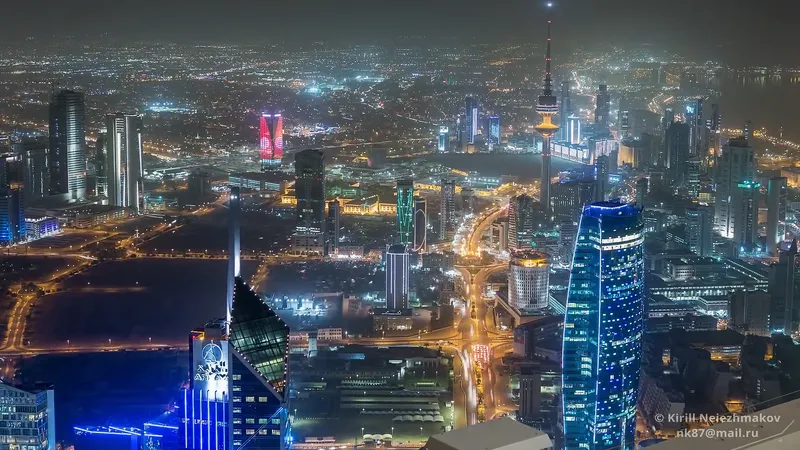
Source: Britannica
Kuwait is often overlooked by travelers rushing to Dubai or Doha, but to skip it is to miss out on one of the most authentic corners of the Gulf. This small, oil-rich nation is a fascinating blend of traditional Arab hospitality and unapologetic modernity.
It is a place where you can wander through a 200-year-old souq smelling of burning oud and cardamom in the morning, and dine in a glass sphere suspended 120 meters above the sea by evening. It is quiet, safe, and deeply proud of its heritage.
If you are curious about the "Hollywood of the Gulf" (a nickname earned in the 70s for its booming art scene), here is your factual guide to Kuwait.
1. Kuwait Towers: The Icons of the Skyline
You cannot visit Kuwait without seeing the Kuwait Towers. Standing on a promontory into the Persian Gulf, these three slender towers are the symbol of the nation.
- The View: The main tower features a massive rotating viewing sphere 123 meters up. From here, you get a 360-degree view of the city’s grid contrasting with the turquoise waters of the Gulf.
- The Design: Look closely at the spheres. They are covered in 55,000 enameled steel discs in shades of blue, green, and gray, designed to mimic the scales of a fish—a nod to Kuwait’s history as a pearl diving and fishing community.
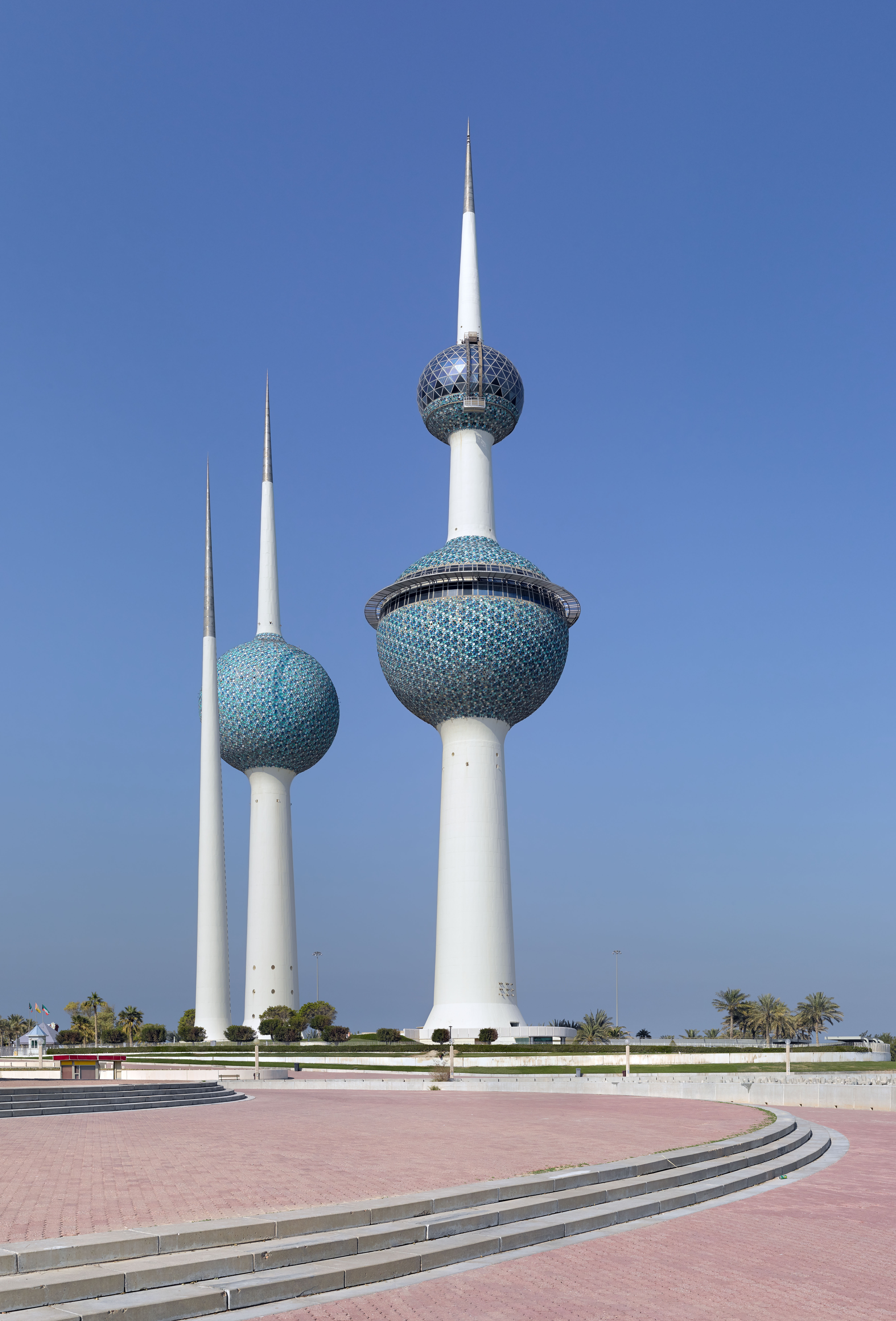
- Source- Richard Bartz, Wikipedia
2. Souq Al-Mubarakiya: The Heartbeat of the Old City
For a taste of life before the oil boom, head to Souq Al-Mubarakiya. This market has been the center of trade for over 200 years.
- The Sights: It is a labyrinth of covered streets selling Persian carpets, perfumes, dates, and spices. It is cleaner and more organized than many other regional souqs, making it a stress-free place to explore.
- The Atmosphere: The best time to visit is at night. The air cools down, and locals gather at the open-air cafes to drink tea and chat. It is the perfect place to buy high-quality saffron or a bottle of oud perfume.
3. The Connectivity Reality: Why You Need an eSIM
Here is a logistical reality check. Kuwait is a highly digital society. From ordering a taxi to checking museum opening hours, everything happens online.
The "High Cost" Trap
- Roaming: Roaming charges in the Gulf region can be astronomical for international travelers. A few megabytes of data to load a map could cost more than your lunch.
- Registration: Buying a physical SIM card locally often requires passport registration and biometric fingerprinting at a telecom store, which can be time-consuming.
The Solution: The eSIM To ensure you can navigate the highways and translate Arabic menus instantly, purchase a Kuwait-compatible eSIM data plan before you fly.
- The Benefit: An eSIM connects you to local networks (like Zain or Ooredoo) the moment you land at Kuwait International Airport.
- Why it helps: You will need reliable data to use Google Maps (essential for navigating the sprawling city) and Careem (the local ride-hailing app). It eliminates the hassle of finding Wi-Fi in the desert heat.
4. The Grand Mosque: A Masterpiece of Art
The Grand Mosque is not just a place of prayer; it is an architectural marvel.
- The Scale: It is the largest mosque in the country, capable of holding 10,000 worshippers.
- The Tour: Tourists are welcome to visit (outside of prayer times), and free guided tours are often available. The interior is stunning, featuring a massive central dome decorated with the Asma al-Husna (the 99 names of God) in intricate calligraphy.
- Note: Modest dress is required. Women are usually provided with an abaya (a loose cloak) and headscarf at the entrance for the tour.
5. Al Shaheed Park: The Green Lungs
On the edge of the city lies Al Shaheed Park, the largest urban park in the country.
- The Oasis: It is a miracle of landscaping in a desert country, featuring botanical gardens, jogging tracks, and two museums (The Habitat Museum and The Memorial Museum).
- The Vibe: It is the best place to see modern Kuwaiti life. Families picnic on the grass, joggers run the trails, and the fountains light up at night. It is pristine, peaceful, and completely free to enter.
6. A Taste of Kuwait (Spiced & Savory)
Kuwaiti cuisine is a rich fusion of Arabian, Indian, and Persian flavors. It is hearty and strictly Halal.
- Machboos: This is the national dish. It consists of basmati rice cooked in a rich broth of cardamom, cinnamon, and dried limes (loomi), topped with tender chicken or lamb. It is served with a red chili sauce called Daqoos.
- Mutabbaq Samak: A favorite for seafood lovers. It is spiced fried fish (often Zubaidi, the national fish) served over savory rice.
- Gers Ogaily: For dessert, try this traditional sponge cake. It is perfumed with saffron, cardamom, and rose water, and covered in toasted sesame seeds. It pairs perfectly with a cup of strong Arabic coffee.
- Harees: A comfort dish made of wheat and meat, slow-cooked and beaten until it has the consistency of a smooth porridge. It is savory, filling, and traditional.
Why Go Now?
Kuwait is a destination for the traveler who appreciates subtlety. It doesn’t shout for attention; it invites you in. It offers world-class museums, incredible food, and a window into a culture that values hospitality above all else. By sorting your connectivity with an eSIM and respecting local traditions, you unlock a side of the Middle East that is authentic, welcoming, and undeniably unique.