
Kosovo: Europe’s Youngest and Coolest Secret
Source: Britannica
Kosovo is the diamond in the rough of the Balkans. As the youngest country in Europe (declaring independence in 2008), it vibrates with a youthful energy that is infectious. Half the population is under the age of 25, and this vitality spills out into the streets, the mountains, and the endless string of cafes.
It is a country where you can hike through untouched alpine meadows in the morning and sip the best macchiato outside of Italy in the afternoon. It is safe, incredibly affordable, and still largely undiscovered by mass tourism.
If you are ready to explore the heart of the Balkans, here is your factual guide to Kosovo.
1. Pristina: The Concrete Cool
The capital, Pristina, is a city of contrasts. It mixes Ottoman history with brutalist Yugoslav architecture and a modern, cosmopolitan vibe.
- The NEWBORN Monument: This is the symbol of the nation. Unveiled on the day of independence, the massive letters are repainted every year to reflect a new theme. It is the ultimate photo op.
- The National Library: You have to see it to believe it. Covered in metal grates and 99 white domes, it is frequently listed as one of the "ugliest" buildings in the world, but locals love its unique, brutalist charm.
- Coffee Culture: Pristina takes coffee seriously. Locals claim their macchiato is better than in Italy, and they might be right. The cafe culture here isn't about grabbing a cup to go; it’s about sitting for hours, socializing, and watching the world go by.
2. Prizren: The Ottoman Jewel
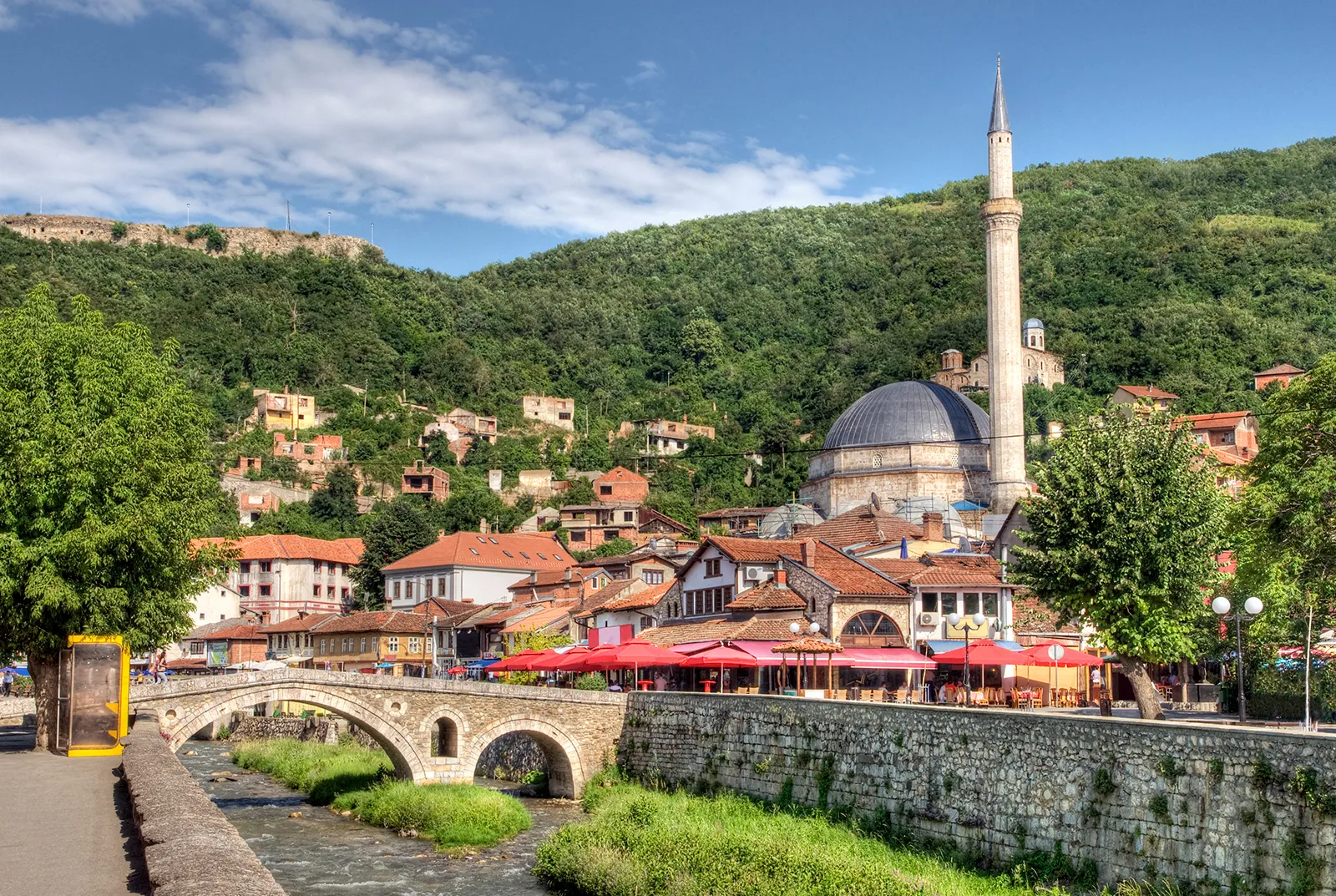
If Pristina is the modern brain, Prizren is the historical soul. Located in the south, this city feels like a living museum.
- The Fortress (Kalaja): Hike up the hill to the medieval fortress just before sunset. The walk takes about 20 minutes from the city center. From the top, you get a sweeping view of the terracotta rooftops, the winding Bistrica river, and the minarets of the city's many mosques.
- Sinan Pasha Mosque: Dominating the skyline, this 17th-century mosque is a masterpiece of Ottoman art. Its interior is adorned with intricate floral paintings and verses from the Quran.
- The Stone Bridge: Dating back to the 15th century, this bridge connects the two sides of the old town and is the perfect spot to cool off by the river.
3. The Connectivity Reality: Why You Need an eSIM
Here is a critical logistical fact. Kosovo is not in the European Union, and it is not part of the standard "Roam Like at Home" zone for most European carriers.
The Roaming Trap
- The Cost: If you use your home SIM card, you will likely be charged "Zone 2" or "Rest of World" roaming rates, which can be astronomically expensive.
- The Network: Kosovo has its own country code (+383). While coverage is excellent (even in the mountains), getting a local physical SIM requires finding a store and dealing with language barriers.
The Solution: The eSIM To navigate the streets of Prizren or post your view from the fortress instantly, purchase a Kosovo-compatible eSIM data plan before you fly.
- The Benefit: An eSIM connects you to local networks (like IPKO or Vala) the moment you cross the border.
- Why it helps: You will need data to use Google Maps (essential for finding trailheads in Rugova) and translation apps to read menus in rural restaurants. It is the cheapest and most efficient way to stay connected.
4. Rugova Canyon: The Outdoor Playground
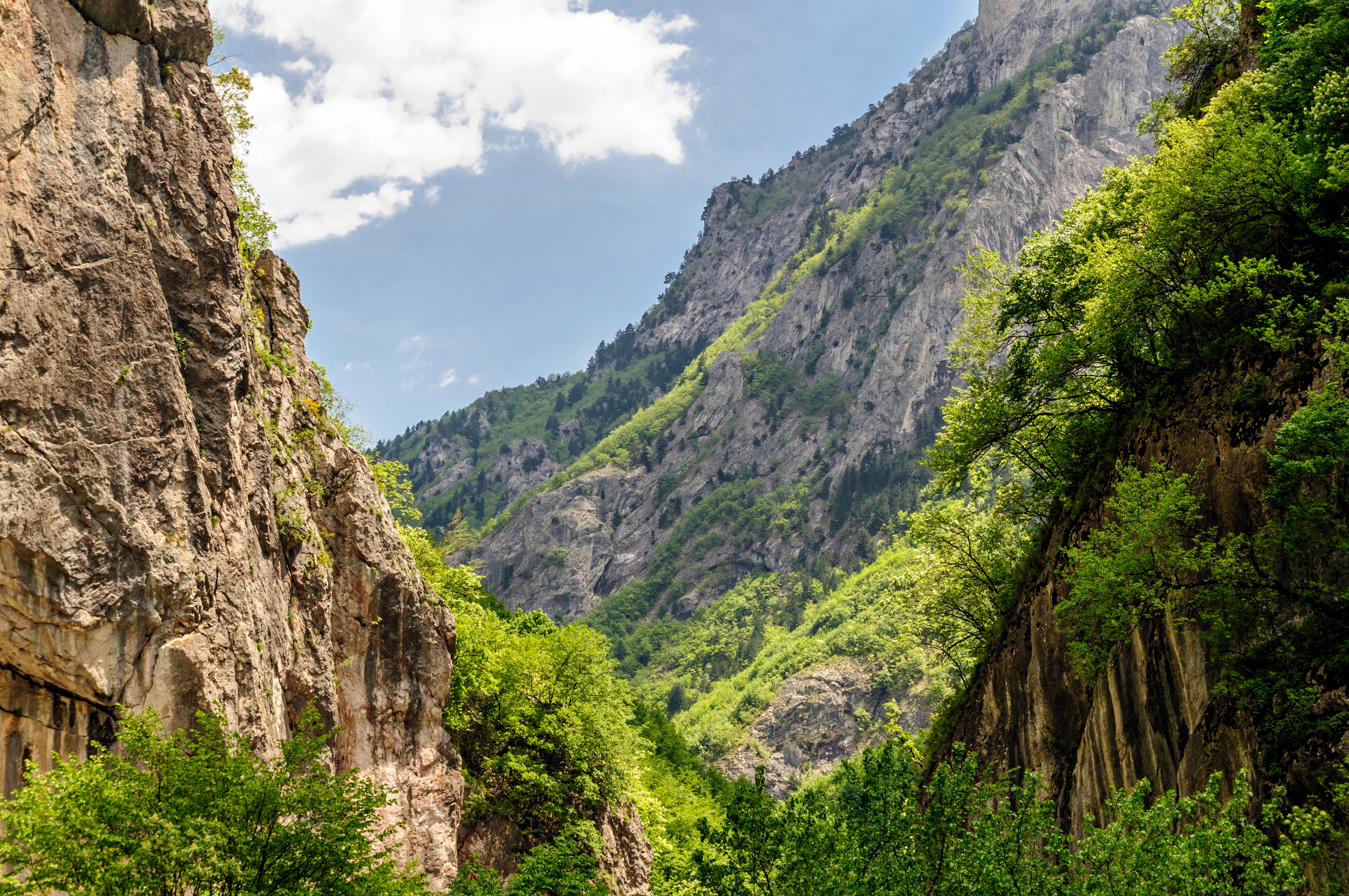
West of the city of Peja lies the Rugova Canyon, one of Europe’s deepest and longest canyons.
- The Landscape: The canyon stretches for 25km, with vertical walls rising up to 1,000 meters. It is the gateway to the "Accursed Mountains" (Bjeshkët e Nemuna).
- Source- Otaulant, CC BY-SA 3.0, via Wikimedia Commons
- Activities: You can drive through the canyon for spectacular views, but the best way to experience it is to hike. The trails range from easy walks to challenging climbs.
- Bear Sanctuary Prishtina: On your way back to the capital, stop at this sanctuary near Lake Badovc. It provides a sprawling, forested home for "restaurant bears" that were rescued from captivity. Seeing these massive brown bears roaming freely in the forest is a heartwarming experience.
5. A Taste of Kosovo
Kosovan cuisine is a delicious mix of Albanian, Turkish, and Balkan influences. It is farm-to-table by default.
- Flija: This is the national dish of the countryside. It is a layered pastry made of simple batter, cooked slowly over hours on a specialized outdoor fire. It is served with fresh cheese or honey.
- Peppers with Cream (Speca me Maz): Simple and incredibly rich. Green peppers are fried and then simmered in a thick, salted cream. It is usually served in a clay pot and eaten with fresh bread.
- Tavë Kosi: A baked dish of lamb and rice covered in a savory yogurt and egg mixture. It is fluffy, tangy, and comforting.
- Sarma: Grape or cabbage leaves stuffed with minced beef and rice. They are bite-sized and addictive.
Why Go Now?
Kosovo offers a rare travel experience: the feeling of discovery. The people are genuinely curious about visitors and overwhelmingly welcoming. You can pay for your world-class dinner in Euros (the official currency), hike in solitary mountains, and explore Ottoman cities without the crowds of Dubrovnik or Kotor.