
Jordan: Ancient Cities, Mars-like Deserts, and Bedouin Hospitality
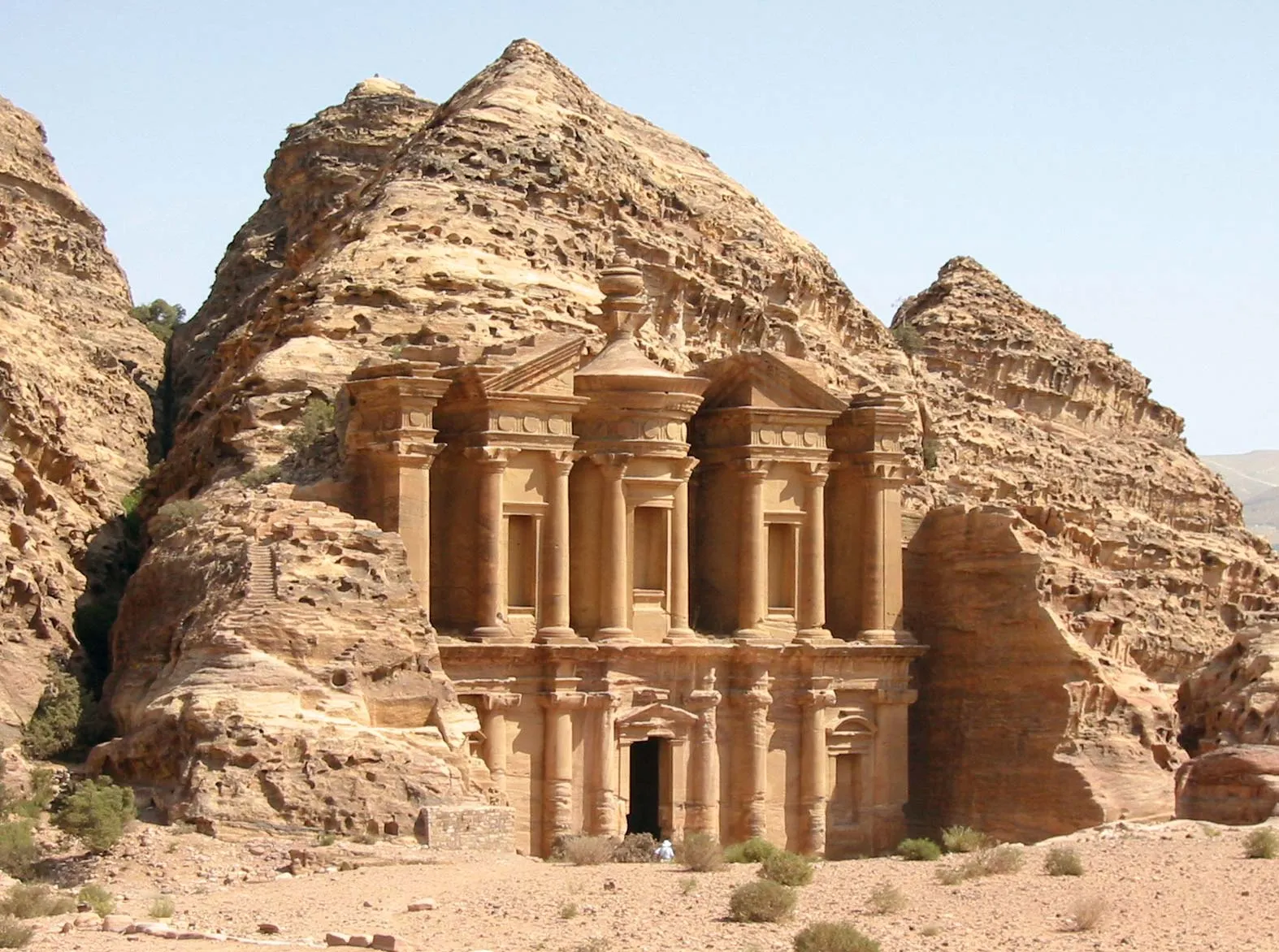
Source: Britannica
Jordan is a destination that feels like stepping into a history book. It is a land of prophets and kings, where Roman columns stand tall against the skyline of modern cities and where the desert sand turns a deep, burning red at sunset.
For the traveler, Jordan is surprisingly accessible. It is widely regarded as one of the safest countries in the Middle East, offering a peaceful, welcoming atmosphere that rivals any European destination. From the lost city of Petra to the lowest point on Earth, here is your factual guide to the Hashemite Kingdom.
1. Petra: The Lost City
You cannot visit Jordan without seeing Petra. Carved directly into vibrant red, white, and pink sandstone cliffs by the Nabataeans over 2,000 years ago, it was "lost" to the Western world until 1812.
- The Siq: Your journey begins with a walk through the Siq, a narrow gorge flanked by towering cliffs that block out the sun. It is a mile-long suspense builder.
- The Treasury (Al-Khazneh): The moment the Siq ends and the Treasury comes into view is one of the greatest reveals in travel. Standing 40 meters high, this intricate facade was carved from the rock face from the top down.
- The Monastery (Ad Deir): If you have the energy, hike the 800 steps up to the Monastery. It is larger than the Treasury and offers stunning views over the Wadi Araba valley. It is quiet, majestic, and worth every drop of sweat.
2. Wadi Rum: The Valley of the Moon
Drive south to Wadi Rum, a protected desert wilderness that looks so alien it has served as the filming location for The Martian and Star Wars.
- The Landscape: Massive granite and sandstone mountains rise vertically from the red sand. It is silent, vast, and achingly beautiful.
- The Experience: Take a 4x4 jeep tour deep into the desert. You will visit ancient petroglyphs (rock carvings), natural rock bridges, and red sand dunes.
- Bedouin Hospitality: Stay overnight in a bubble tent or a traditional goat-hair tent. The lack of light pollution means the stars here are brighter than almost anywhere else. You will be welcomed with endless cups of sweet sage tea and stories by the fire.
3. The Connectivity Reality: Why You Need an eSIM
Here is a logistical reality check. Jordan is a desert nation. While Amman is modern, the roads to Petra, Wadi Rum, and the Dead Sea can be long and desolate.
The Navigation Necessity
- The Desert Highway: The main road connecting the north and south (the Desert Highway) is vital but can be tricky to navigate. Signage is sometimes sparse. You need live GPS to ensure you don't miss the turnoff for Wadi Rum or your campsite.
- Translation: In rural areas and smaller towns like Dana, English is less common. You will rely on translation apps to communicate with shopkeepers or ask for directions.
The Solution: The eSIM Roaming charges for international carriers in the Middle East can be incredibly high.
- The Fix: Purchase a Jordan-compatible eSIM data plan before you fly.
- Why? An eSIM connects you to reliable local networks (like Zain or Orange) the moment you land at Queen Alia International Airport.
- The Benefit: It allows you to download offline maps for the canyon hikes in Wadi Mujib and keep in touch with your desert guides via WhatsApp. It is a safety net that lets you explore with confidence.
4. The Dead Sea: Floating at the Lowest Point on Earth
At 430 meters (1,410 ft) below sea level, the Dead Sea is the lowest point on dry land.
- The Float: The water is nearly 10 times saltier than the ocean. You cannot sink if you try. The moment you lie back, you pop up like a cork. It is a surreal, weightless sensation.
- The Mud: The mud along the shore is mineral-rich. Visitors cover themselves in the dark, sulfurous mud, let it bake in the sun, and then wash it off in the sea. It leaves your skin feeling incredibly soft.
5. Jerash: The Pompeii of the East
North of the capital lies Jerash, one of the best-preserved Roman cities in the world outside of Italy.
- The Scale: This isn't just a few columns; it is an entire city. You can walk through the Oval Plaza, sit in the South Theatre (where the acoustics are so perfect you can hear a whisper from the stage), and walk under the massive Hadrian’s Arch.
- The History: Seeing the ruts in the stone streets worn down by chariot wheels thousands of years ago brings history to life in a tangible way.
6. A Taste of Jordan (Mansaf and Mezze)
Jordanian cuisine is a celebration of community. Meals are often shared, and the flavors are rich and savory.
- Mansaf: This is the national dish and a source of immense pride. It consists of tender lamb cooked in a sauce of fermented dried yogurt (jameed) and served over rice and thin bread (shrak). It is traditionally eaten with the right hand while standing around a large communal platter.
- Falafel and Hummus: You will find the best falafel of your life here—crispy on the outside, fluffy and green on the inside. Hummus is a staple at every meal, drizzled with high-quality local olive oil.
- Zarb: If you visit Wadi Rum, you must try Zarb. It is a Bedouin barbecue where meat (usually chicken or lamb) and vegetables are buried in an underground oven with hot coals and slow-cooked in the sand for hours. The result is incredibly tender and smoky.
- Kunafa: For dessert, head to downtown Amman for Kunafa. It is a warm, gooey pastry made of spun dough, soaked in sweet syrup, and layered with cheese. It is rich, sweet, and best eaten hot on the street.
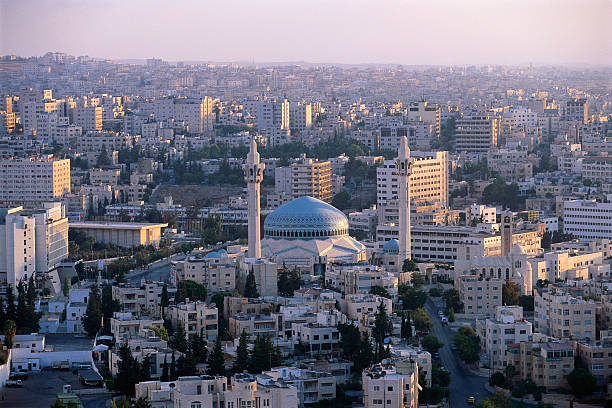
City of Amman, Jordan. Source- The Hashemite Kingdom of Jordan
Why Go Now?
Jordan is a timeless destination. It offers the perfect blend of adventure and history, all wrapped in a culture of hospitality that treats every stranger as a guest. Whether you are sipping tea in a cave in Petra or floating in the salty waters of the Dead Sea, Jordan offers memories that are as enduring as the stone it is carved from.