
Japan: Where the Future Greets the Past
Source: Britannica
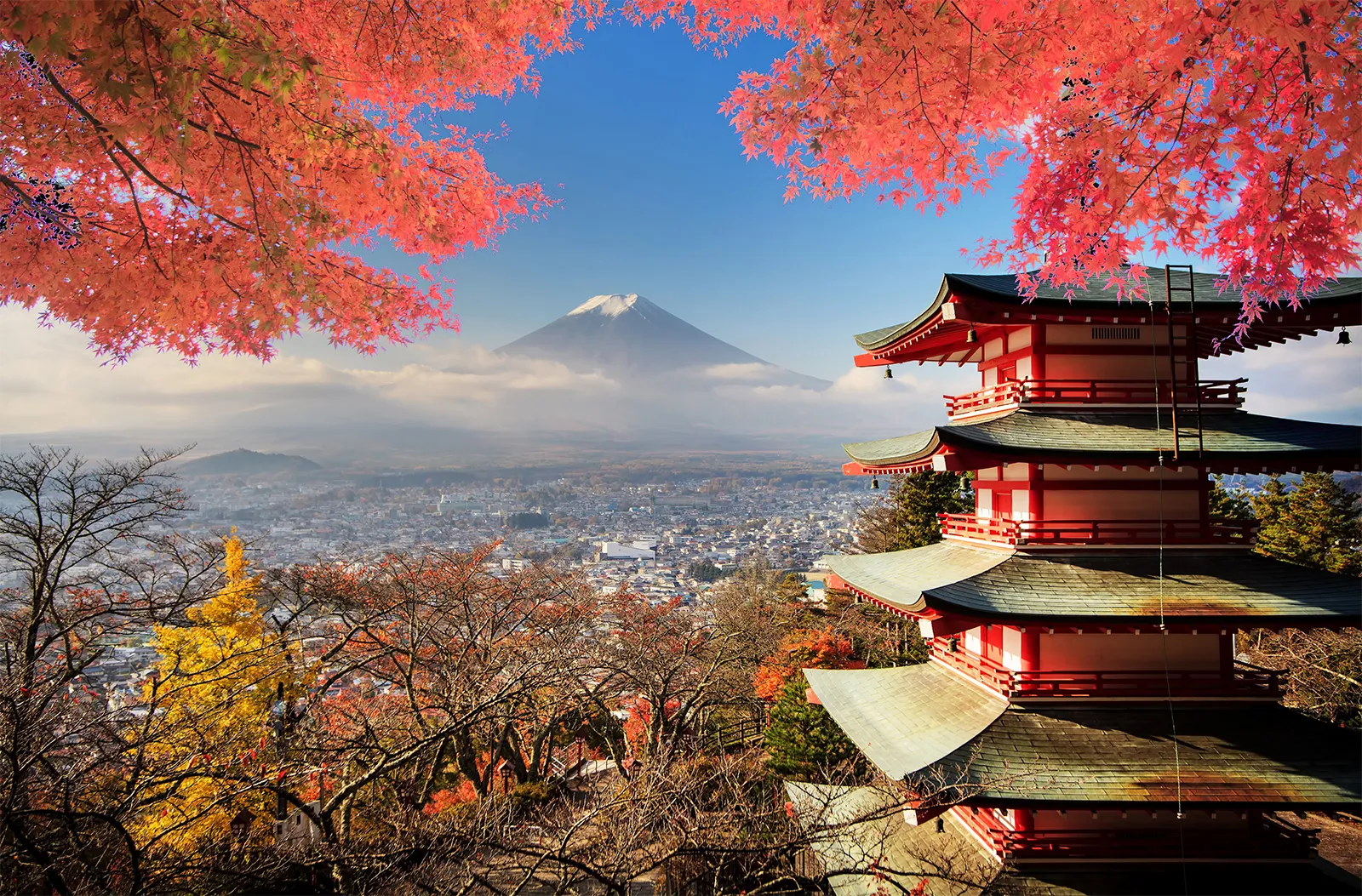
Japan is a country of beautiful contradictions. It is a place where you can ride a bullet train at 300km/h to visit a temple that has stood for a thousand years. It is a land of quiet discipline and chaotic energy, of neon skyscrapers and moss-covered stone lanterns.
For the first-time traveler, Japan offers an experience unlike anywhere else on Earth. It is safe, clean, and culturally profound. From the electric pulse of Tokyo to the silent bamboo groves of Kyoto, here is your factual guide to the Land of the Rising Sun.
1. Tokyo: The Electric Capital
Your journey likely begins in Tokyo, a sprawling metropolis that feels like a glimpse into the future.
- Senso-ji Temple: Located in Asakusa, this is Tokyo’s oldest temple. You enter through the massive Kaminarimon (Thunder Gate) and walk down a street lined with stalls selling traditional fans and sweets. The smell of incense fills the air, offering a moment of peace in the middle of the city.
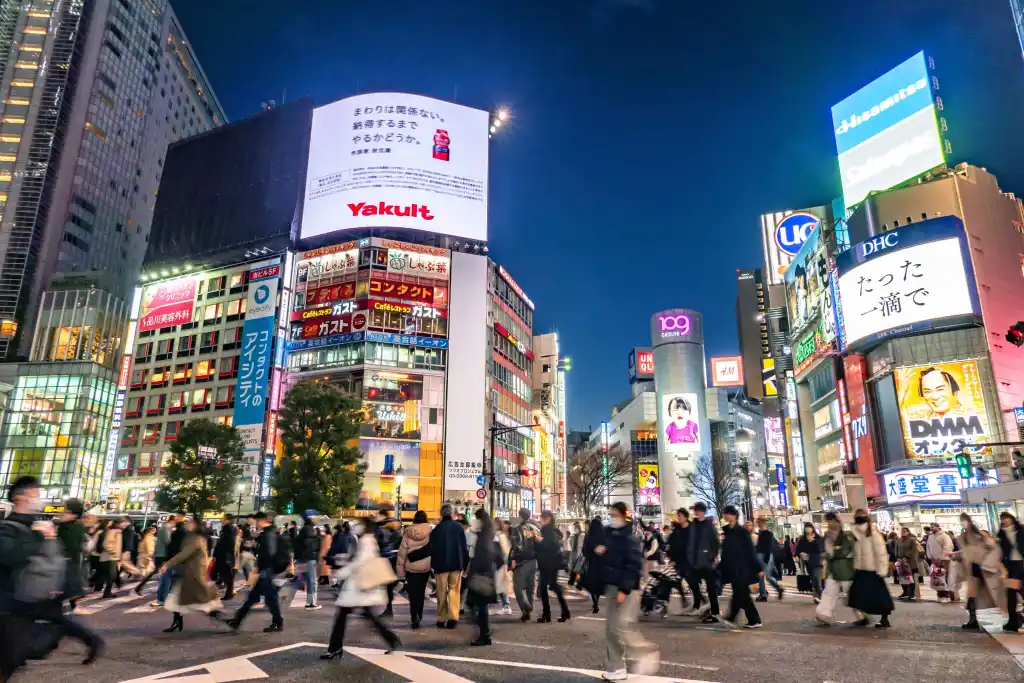
- Shibuya Crossing: This is the world’s busiest pedestrian crossing. When the lights turn red, as many as 2,500 people cross the street from all directions at once. It is organized chaos and a perfect symbol of Tokyo’s energy. Watch it from a distance to appreciate the scale.
- TeamLab Planets: For a modern twist, visit this digital art museum. You walk barefoot through water and crystal lights. It is immersive, artistic, and entirely unique to Tokyo.
- Source- Tourist Japan
2. The Connectivity Reality: Why You Need an eSIM
Here is a logistical reality check. Japan is incredibly high-tech, but navigating it can be surprisingly difficult for tourists without a constant internet connection.
The Navigation Challenge
- The Trains: The Tokyo subway map looks like a bowl of spaghetti. To get from A to B, you need real-time navigation apps (like Google Maps or Navitime) to tell you exactly which train car to board and which exit to take.
- The Language: While English signs exist in major stations, they disappear quickly in local neighborhoods. You will need translation apps to read restaurant menus or ask for directions.
The Solution: The eSIM Roaming charges in Japan can be expensive, and hunting for a physical SIM card shop at Narita or Haneda airport can waste precious time.
- The Fix: Purchase a Japan-compatible eSIM data plan before you fly.
- Why? An eSIM connects you to reliable local networks (like Docomo or KDDI) the moment you land.
- The Benefit: It allows you to load your Suica or Pasmo card (the digital transit card used for trains) directly on your phone and top it up using data. It ensures you never get stranded at a ticket gate or lost in the winding streets of Shinjuku.
3. Kyoto: The Soul of Japan
If Tokyo is the brain, Kyoto is the heart. This was the imperial capital for over 1,000 years and is home to 17 UNESCO World Heritage sites.
- Fushimi Inari Taisha: You have likely seen photos of the thousands of vermilion torii gates winding up the mountain. It is a shrine dedicated to Inari, the Shinto god of rice. The hike to the top takes about 2-3 hours, but the lower paths are equally stunning and accessible.
- Arashiyama Bamboo Grove: Walking through this towering bamboo forest feels otherworldly. The stalks sway in the wind, creating a soft, rustling sound that the Japanese government has designated as one of the "100 Soundscapes of Japan."
- Kinkaku-ji (The Golden Pavilion): This Zen temple is covered in real gold leaf. It sits in the middle of a calm pond, reflecting its golden shimmer on the water. It is one of the most beautiful buildings in the country.
4. Nara: The City of Deer
A short train ride from Kyoto lies Nara, Japan’s first permanent capital.
- Nara Park: The main attraction here is the wildlife. Over 1,000 wild Sika deer roam freely in the park. In the Shinto religion, they are considered messengers of the gods. They are surprisingly polite; if you bow to them, they will often bow back in exchange for a shika senbei (deer cracker).
- Todai-ji Temple: This massive wooden hall houses one of the largest bronze Buddha statues in the world. Standing 15 meters tall, the "Daibutsu" is an awe-inspiring feat of ancient engineering.
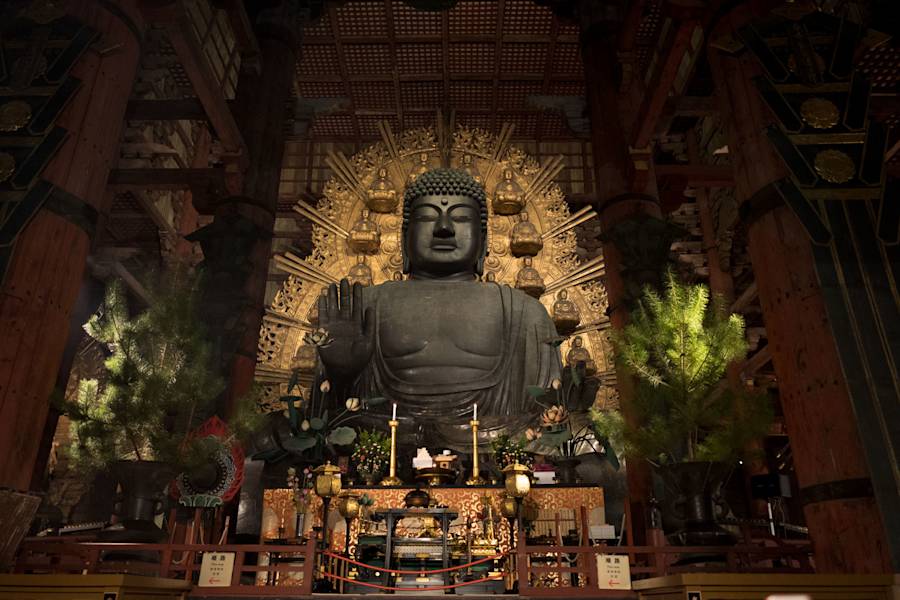
- Todai-ji Temple. Source- VisitNara.jp
5. A Taste of Japan (Beef, Seafood, and Sweets)
Japanese cuisine is celebrated for its freshness and quality.
- Sushi and Sashimi: This is the gold standard. Whether it is fatty tuna (otoro) or sweet shrimp (amaebi), the seafood here is fresher than anywhere else. Try a "Kaitenzushi" (conveyor belt sushi) restaurant for a fun, affordable experience.
- Wagyu Beef: Japan is famous for its high-quality beef. Kobe Beef or Hida Beef is marbled with fat that melts at body temperature. It is usually served grilled (teppanyaki) or in a hot pot (shabu-shabu). It is rich, buttery, and unforgettable.
- Tempura: Lightly battered and fried seafood and vegetables. A bowl of shrimp and vegetable tempura over rice (Tendon) is a hearty, safe, and delicious meal.
- Matcha: Kyoto is the home of matcha (powdered green tea). You will find it in everything: tea, ice cream, cakes, and even chocolate. It is distinctively earthy and not too sweet.
6. Practical Survival Tips
- Cash is Still King: While digital payments are growing, many temples, ticket machines, and small shops still only accept cash (Yen). Always carry some with you.
- Trash Cans are Rare: You will notice there are almost no public trash cans, yet the streets are spotless. You are expected to carry your trash with you until you find a bin (usually at convenience stores) or take it home.
- Shoes Off: Be prepared to take your shoes off frequently—at temples, traditional restaurants, and some hotel rooms. Wear nice socks!
Why Go Now?
Japan is a destination that demands to be seen. It is a place where efficiency meets beauty, where the trains run to the second, and where hospitality (omotenashi) is an art form. By securing your connectivity with an eSIM and respecting the local customs, you unlock a travel experience that is as smooth as it is spectacular.