
Ireland: A Land of Myth, Music, and Endless Green
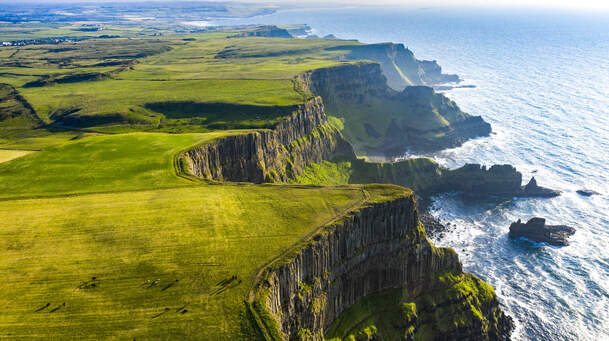
Source: Tourism Ireland
Ireland is a place that feels familiar even if you’ve never been there. It is the land of "one hundred thousand welcomes" (Céad Míle Fáilte), where the history is older than the pyramids and the landscapes look like they were painted by hand.
From the rugged cliffs of the Atlantic coast to the quiet, mystical valleys of the ancient east, Ireland is a destination that invites you to slow down. It is a country of storytellers, musicians, and breathtaking nature.
If you are ready to explore the island of saints and scholars, here is your factual guide to Ireland.
1. The Wild Atlantic Way: Nature at its Edge
The west coast of Ireland is dominated by the Wild Atlantic Way, one of the longest defined coastal driving routes in the world.
- The Cliffs of Moher: This is the most iconic sight in the country. Standing 702 feet (214 meters) above the Atlantic Ocean, the cliffs stretch for five miles. On a clear day, you can see the Aran Islands and the Maumturk mountains. Tip: Go in the late afternoon to avoid the tour buses and watch the sun set over the ocean.
- The Ring of Kerry: This 179km circular route takes you through deep forests, past crashing waterfalls (like Torc Waterfall), and along rugged coastlines. It passes through Killarney National Park, home to the last surviving indigenous herd of red deer in Ireland.
- Skellig Michael: For the adventurous, a boat trip to this UNESCO World Heritage site is unforgettable. It is a jagged rock island where monks lived in stone beehive huts in the 6th century. It famously appeared as Luke Skywalker’s refuge in Star Wars.
2. Dublin: History and Heritage
The capital city, Dublin, is compact, walkable, and steeped in history.
- Trinity College: Founded in 1592, this university houses the Book of Kells, a 9th-century illuminated manuscript of the four Gospels. It is widely considered Ireland’s finest national treasure. The "Long Room" library, with its barrel-vaulted ceiling and busts of philosophers, is magnificent.
- St. Stephen’s Green: Escape the city noise in this Victorian park. It is filled with manicured gardens, a lake, and history—it was a key battleground during the 1916 Easter Rising.
- Kilmainham Gaol: To understand Ireland’s struggle for independence, a tour of this former prison is essential. It is a somber, powerful experience that details the country's turbulent path to freedom.
3. The Connectivity Reality: Why You Need an eSIM
Here is a logistical reality check. Ireland is modern, but its most beautiful parts are rural and remote.
The Navigation Challenge
- Rural Roads: The "real" Ireland is found down narrow, winding lanes (boreens) that often lack street signs. You will rely heavily on GPS to find hidden beaches or your B&B in County Donegal.
- Booking Tickets: Many major attractions, like the Book of Kells or the Carrick-a-Rede Rope Bridge, now require timed digital tickets booked in advance. You need internet access on the go to manage these bookings.
The Solution: The eSIM Roaming charges for international travelers can be high. To ensure you don't get lost in the Connemara boglands, purchase an Ireland-compatible eSIM data plan before you fly.
- Why? An eSIM connects you to local networks (like Vodafone IE or Three) immediately upon landing at Dublin or Shannon Airport.
- The Benefit: It allows you to use Google Maps for real-time navigation and WhatsApp to communicate with local hosts. It is the most efficient way to stay connected without dealing with physical SIM cards.
4. Ireland’s Ancient East: Older than the Pyramids
While the west is about wild nature, the east is about ancient mystery.
- Newgrange: Located in County Meath, this Stone Age passage tomb was built around 3200 BC—making it older than Stonehenge and the Great Pyramids of Giza. It is an engineering marvel; during the Winter Solstice, a beam of sunlight perfectly illuminates the inner chamber.
- Glendalough: Tucked into the Wicklow Mountains, this early medieval monastic settlement was founded by St. Kevin in the 6th century. The famous Round Tower and ancient stone churches are set against a backdrop of two dark, glassy lakes.
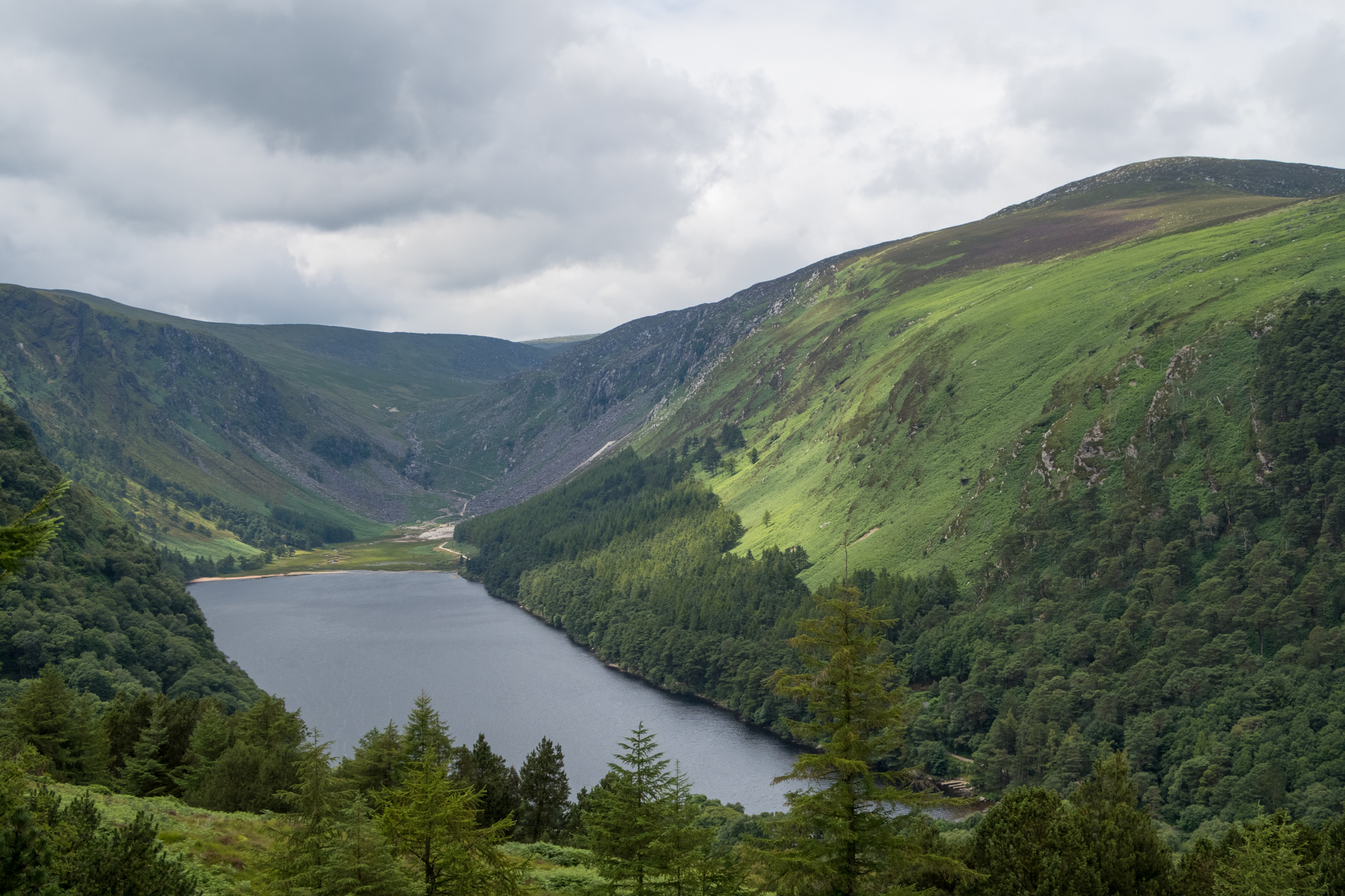
- Source- Kevin Decherf, CC BY-SA 2.0, via Wikimedia Commons
5. A Taste of Ireland (Fresh and Wholesome)
Irish food has undergone a renaissance. It is no longer just potatoes; it is about world-class dairy and fresh seafood.
- Seafood Chowder: You will find this on almost every menu on the coast. It is a creamy, hearty soup packed with fresh salmon, haddock, and mussels. It is usually served with homemade Brown Soda Bread and plenty of Kerrygold butter.
- Irish Stew: The traditional version is simple and comforting. It is made with lamb or mutton, potatoes, onions, and parsley. It is slow-cooked until the meat is tender enough to eat with a spoon.
- Boxty: This is a traditional potato pancake found largely in the north and west. It can be boiled, baked, or fried, and is often served with smoked salmon or crème fraîche.
- Waterford Blaa: If you are in the south, try a "Blaa." It is a soft, floury white bread roll protected by EU heritage status, typically filled with butter or salty beef.
6. The Sound of Ireland
You cannot visit Ireland without experiencing the music.
- The "Session" (Seisiún): In towns like Doolin or Galway, you will find musicians gathered in circles playing fiddles, flutes, and bodhráns (goatskin drums). This isn't a performance for a stage; it is a communal gathering.
- The Atmosphere: You don't need to be in a noisy environment to enjoy this. Many coffee shops and cultural centers host afternoon sessions where the focus is purely on the craft of the music and the storytelling.
Why Go Now?
Ireland is a destination that warms the heart. The weather may be changeable (pack a raincoat!), but the spirit of the people is consistently bright. Whether you are standing at the edge of a cliff in Clare or listening to a fiddle tune in Galway, you will feel the magic of a place that values story, song, and memory above all else.