
Iraq: The Cradle of Civilization Reawakens
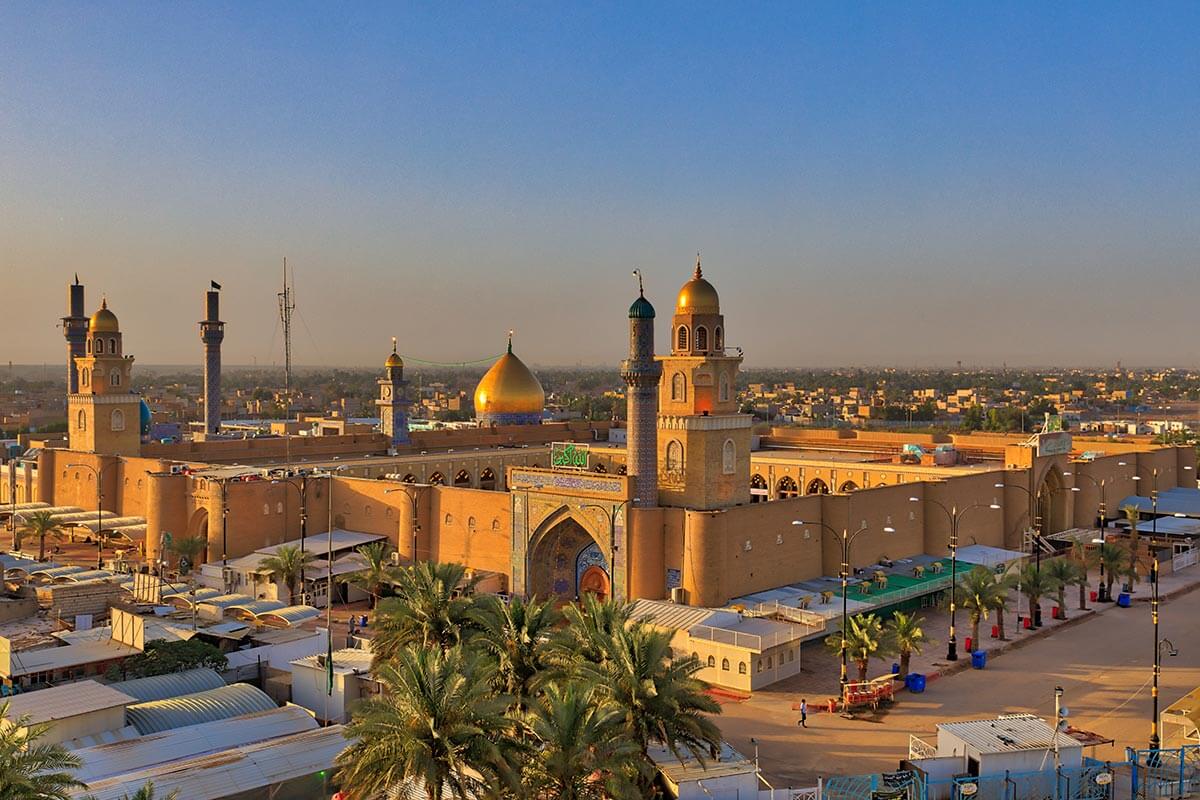
Source: Iraq Travel and Tours
For decades, Iraq was a destination seen only on the news, often for the wrong reasons. But times are changing. Today, the "Cradle of Civilization" is slowly opening its doors to intrepid travelers who are willing to look past the headlines to find a land of immense historical significance and overwhelming hospitality.
From the bustling book markets of Baghdad to the serene marshes of the south and the mountains of Kurdistan, Iraq is a destination for the true explorer. It is not a typical holiday spot—it requires patience, respect, and careful planning—but the rewards are profound.
If you are ready to walk the same paths as the Babylonians and Sumerians, here is your factual guide to Iraq.
1. Baghdad: The City of Peace
Your journey likely begins in the capital, a city that has survived Mongol sieges and modern wars.
- Al-Mutanabbi Street: This is the intellectual soul of Baghdad. On Fridays, this street is packed with booksellers, poets, and artists. There is a local saying: "Cairo writes, Beirut prints, and Baghdad reads." Stop at the legendary Shabandar Café for a glass of sweet tea and to soak in the atmosphere of old Baghdad.
- The Iraq Museum: After years of closure, this museum is open and houses some of the most important artifacts in human history, including treasures from Ur and Babylon.
- Abbasid Palace: Overlooking the Tigris River, this 12th-century brick masterpiece is one of the last remaining buildings from the Abbasid Caliphate, famous for its intricate arches and muqarnas (honeycomb vaulting).
2. Babylon: The Ancient Legend
About 85km south of Baghdad lies Babylon, once the largest city in the world.
- The Ishtar Gate: While the original is in Berlin, a massive reconstruction stands on the original site, giving you a sense of the grandeur of King Nebuchadnezzar II’s reign.
- The Ruins: Walking through the maze of ancient walls, you can see the processional way and the foundations of what many believe was the site of the Hanging Gardens. It is a UNESCO World Heritage site that feels raw and undiscovered.
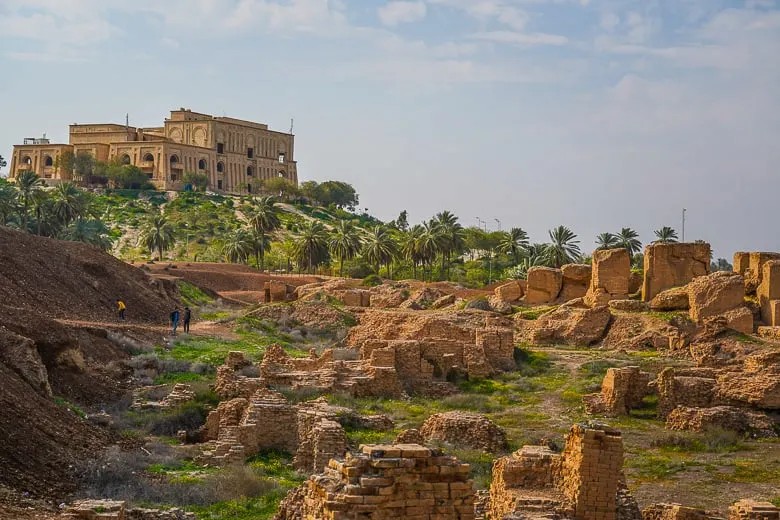
- Source- Iraq Travel and Tours
3. The Connectivity Reality: Why You Need an eSIM
Here is the most critical logistical tip for traveling in Iraq. Security is tight, and checkpoints are frequent.
The "Checkpoint" Challenge
- Navigation: You will need live maps to navigate the complex streets of Baghdad or the roads between cities.
- Translation: Outside of the Kurdish north and high-end hotels, English is not widely spoken. You will rely on translation apps to communicate with taxi drivers or read menus.
- Security: At checkpoints, you may need to show digital copies of your visa or hotel bookings instantly. Fumbling for a connection can cause unnecessary delays.
The Solution: The eSIM Buying a local SIM card can be a bureaucratic hassle involving passport registration and fingerprinting at specific offices.
- The Fix: Purchase an Iraq-compatible eSIM data plan before you fly.
- Why? An eSIM connects you to local networks (like Asiacell or Korek Telecom) the moment you land at Baghdad or Erbil International Airport. It ensures you have a lifeline for maps, translation, and communication without the stress of finding a vendor.
4. The Marshes: The Venice of the Middle East
In the deep south lies one of the world's most unique ecosystems: the Mesopotamian Marshes (Ahwar). This is believed by some to be the location of the biblical Garden of Eden.
- The Landscape: It is a water world of endless reeds and water buffalo.
- The Mudhif: You will likely be invited into a Mudhif, a massive arched guest house built entirely from reeds without a single nail. It is an architectural tradition that dates back to the Sumerians (5,000 years ago).
- The Experience: Take a boat trip in a Mashoof (traditional canoe) to glide silently through the reeds and watch the birdlife. It is peaceful, timeless, and completely unlike the arid desert that surrounds it.
5. Holy Cities: Najaf and Karbala
Religious tourism is the heartbeat of Iraq. Even if you are not religious, the scale of these cities is awe-inspiring.
- Imam Ali Shrine (Najaf): The burial site of the cousin and son-in-law of the Prophet Muhammad. The gold-plated dome dazzles in the sun, and the interior is a kaleidoscope of crystal and mirrors.
- Wadi-us-Salaam: Located in Najaf, this is the largest cemetery in the world. Millions of graves stretch as far as the eye can see, a city of the dead that rivals the size of the city of the living.
6. Iraqi Kurdistan: The Mountainous North
For a completely different vibe, head north to Erbil. The semi-autonomous Kurdistan region is mountainous, green in spring, and generally more relaxed for tourists.
- Erbil Citadel: This UNESCO site claims to be one of the oldest continuously inhabited settlements in the world, sitting on a tell (mound) formed by generations of people living in the same spot for 6,000 years.
- Shanidar Cave: Famous for the discovery of Neanderthal remains, this cave offers stunning views of the Zagros Mountains.
7. A Taste of Mesopotamia
Iraqi cuisine is rich, ancient, and centers around communal dining.
- Masgouf: This is the national dish. It is freshwater carp, cut open butterfly-style, seasoned with salt, pepper, and tamarind, and grilled vertically next to an open fire. It is smoky, crispy, and typically eaten with hands.
- Dolma: Iraqi Dolma is legendary. It involves onions, vine leaves, peppers, and zucchini stuffed with spiced rice and minced lamb, all simmered in a tangy pomegranate and lemon broth.
- Samoon: You will see this diamond-shaped bread everywhere. It is baked in stone ovens and is hot, fluffy, and perfect for scooping up hummus or stew.
- Kahi and Geymar: The quintessential breakfast. Kahi is crisp, flaky pastry (like phyllo), served with Geymar (a rich, clotted cream made from water buffalo milk) and date syrup. It is sweet, heavy, and delicious.
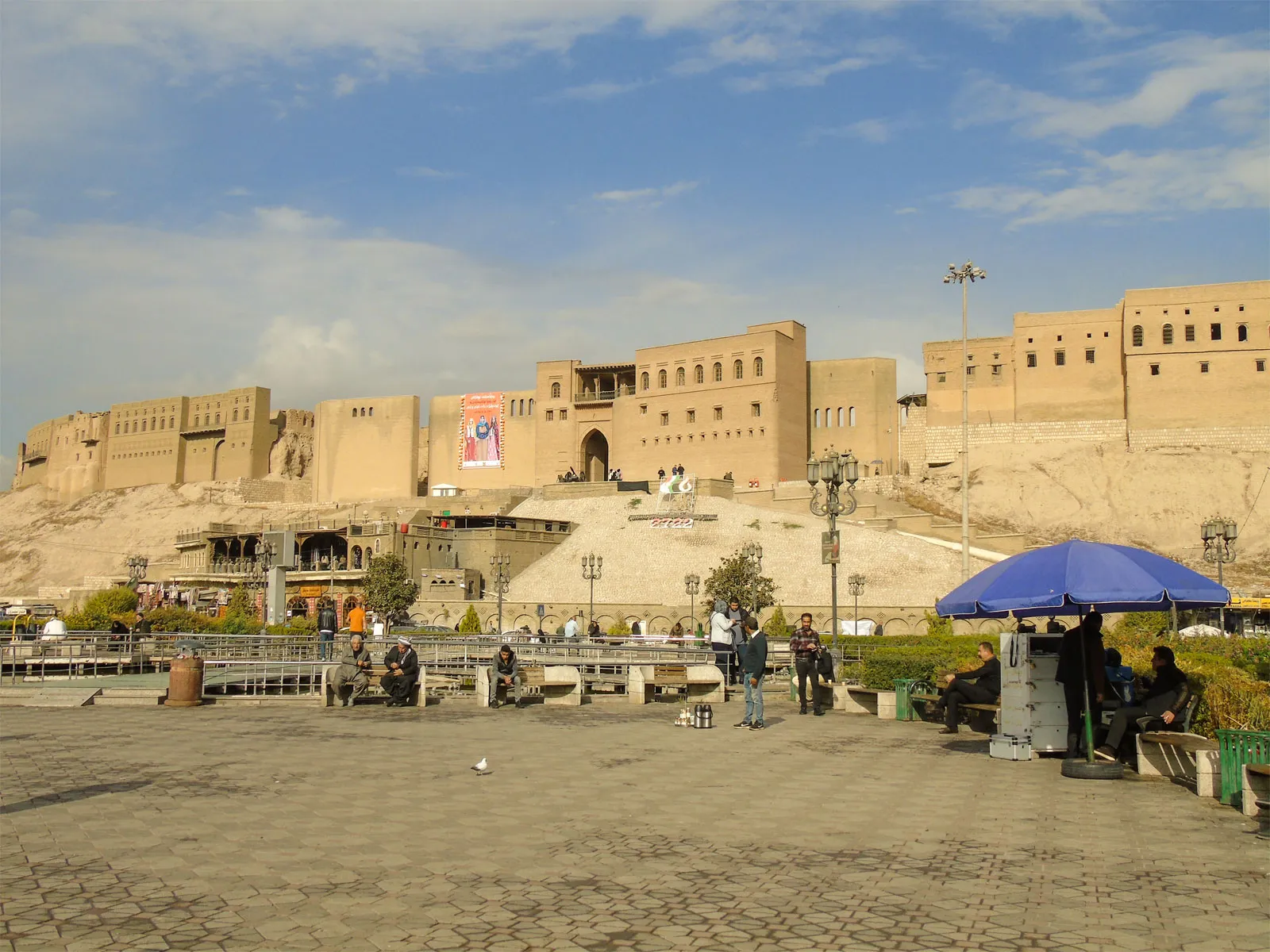
Citadel of Erbil, Iraq. Source- Britannica
Why Go Now?
Iraq is for the traveler who wants to learn. It is a place where you sit for tea with strangers who treat you like family, where you touch bricks laid by Babylonians, and where you witness a nation rebuilding itself with pride. It is complex and challenging, but for those who go, it is often the most rewarding trip of their lives.