
Iran: Ancient Empires, Persian Gardens, and Smart Travel
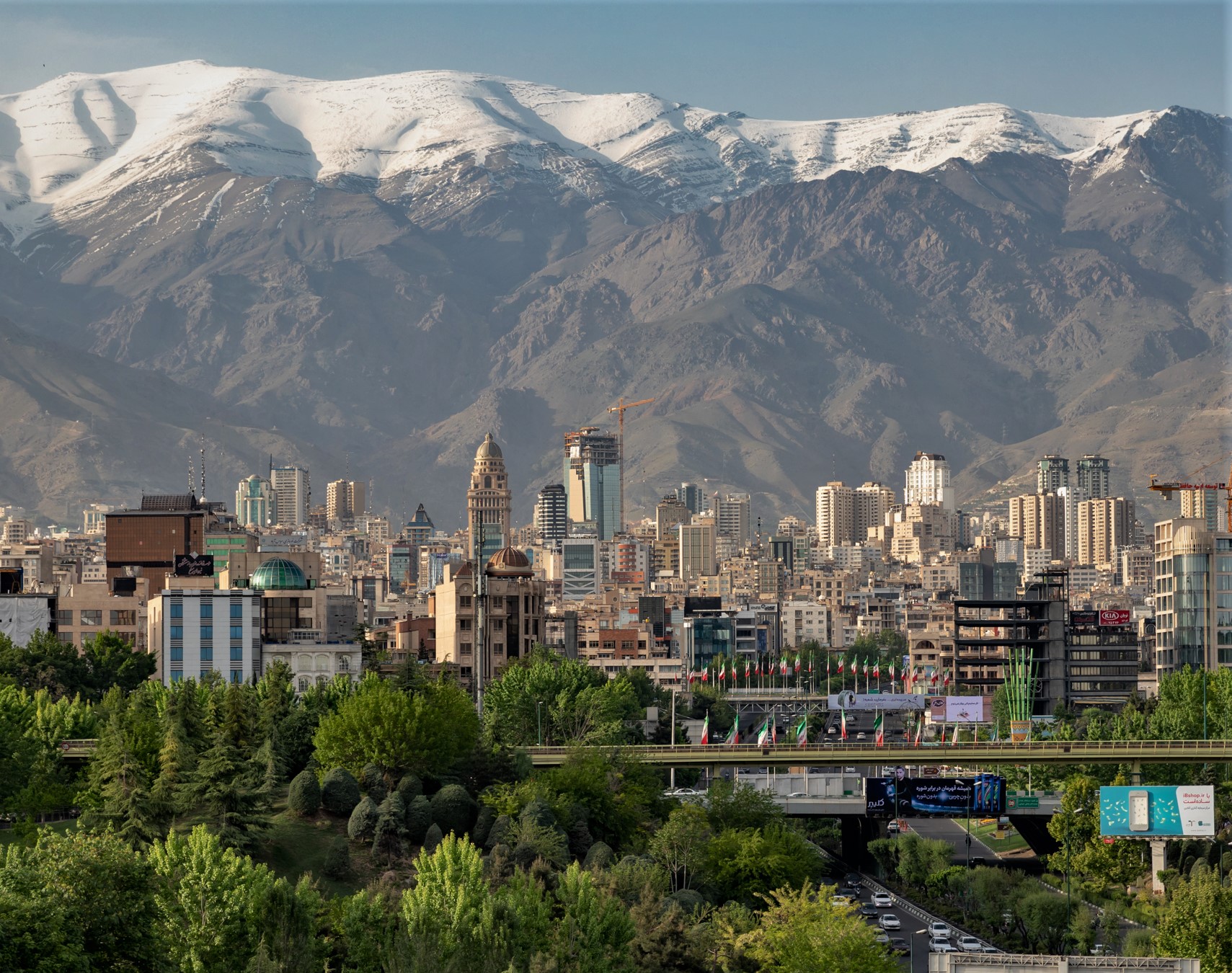
Iran is a destination that defies expectations. For many, it is a country seen only through the lens of news reports, but for the traveler who steps onto its soil, it reveals itself as the jewel of the ancient world. It is a land of turquoise-tiled domes, poetry-loving locals, and a history that stretches back to the dawn of civilization.
This is not a typical holiday spot. It requires preparation, respect for local laws, and an open mind. But the reward is an experience that feels like stepping into a different era—one of profound beauty and hospitality.
If you are ready to explore the heart of the Silk Road, here is your factual guide to Iran.
1. Isfahan: "Half the World"
There is a 16th-century Persian proverb that says "Isfahan nesf-e-jahan" (Isfahan is half the world). Once you stand in Naqsh-e Jahan Square, you might agree.
- The Square: This UNESCO World Heritage site is one of the largest public squares in the world. It is anchored by the Shah Mosque, a masterpiece of blue mosaic tiles that change color with the light.
- The Bridges: In the evening, locals gather at the Si-o-se-pol (Bridge of 33 Arches). It is not just a crossing; it is a social hub. Under the arches, the acoustics are perfect, and you will often hear men singing traditional folk songs, their voices echoing over the Zayandeh River.
2. Persepolis: The City of Persians
An hour’s drive from Shiraz lies the ruins of Persepolis, the ceremonial capital of the Achaemenid Empire.
- The History: Built by Darius the Great in 518 BC, this was the center of the known world until Alexander the Great burned it down.
- The Gate of All Nations: You enter through this massive stone gateway, flanked by giant winged bulls with human heads (Lamassu). Even in ruins, the scale is humbling. You can still see the intricate bas-relief carvings of dignitaries from 23 subject nations bringing gifts to the Persian King—a testament to the empire's diversity.
3. The Connectivity Reality: Why You Need an eSIM
Here is a critical logistical fact that catches many travelers off guard. Internet access in Iran is heavily restricted (censorship is common), and getting a local SIM card can be a bureaucratic maze.
The "Registration" Hurdle
- The Process: Buying a SIM card (like Irancell or MCI) as a foreigner often requires passport registration, fingerprinting, and a waiting period for activation.
- The Block: Many major apps (Instagram, WhatsApp, YouTube, Facebook) are blocked. To access them, you need a VPN. However, you cannot download a VPN if you don't have internet access first.
The Solution: The eSIM To ensure you are connected the moment you land, purchase an Iran-compatible eSIM data plan before you fly.
- Why? An eSIM bypasses the physical registration queue at the airport.
- The Benefit: It gives you immediate data to turn on your VPN (which you should install before arrival) so you can communicate with your guide or family via WhatsApp. It is the single most important digital tool for a smooth trip.
4. Shiraz: The City of Poetry
Shiraz is the cultural heart of Iran, famous for its gardens and poets.
- Nasir al-Mulk Mosque: Known as the "Pink Mosque," this is perhaps the most photographed building in Iran. Go early in the morning (8:00 AM – 10:00 AM) to catch the sunlight streaming through the stained-glass windows, painting the Persian rugs on the floor in a kaleidoscope of colors.
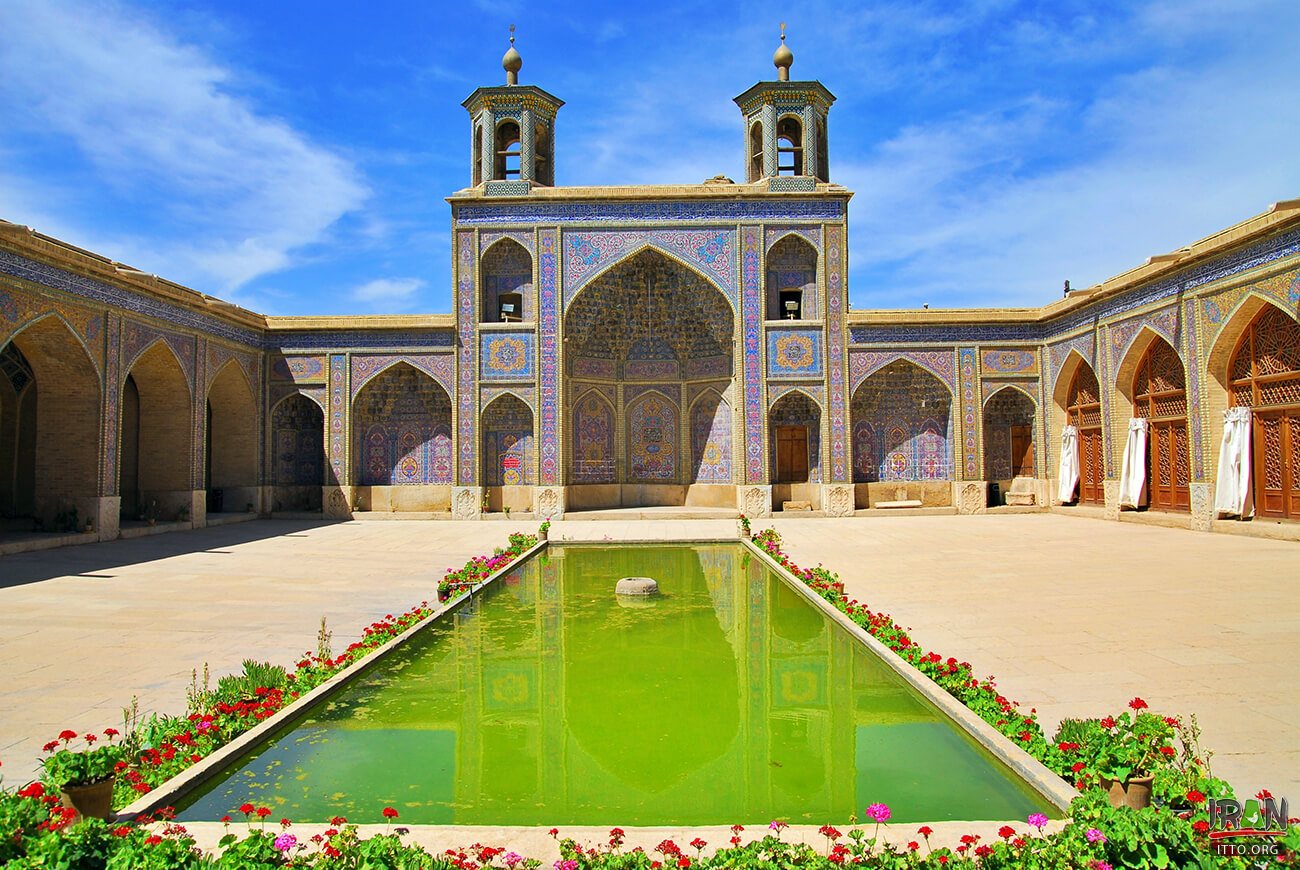
Source- Photo by Pawel Ryszawa, Iran Tourism and Touring Organization
- Tomb of Hafez: Hafez is Iran’s most beloved poet. His tomb is set in a beautiful garden where locals come to pay respects, recite his verses, and seek guidance. It is a deeply emotional and peaceful place.
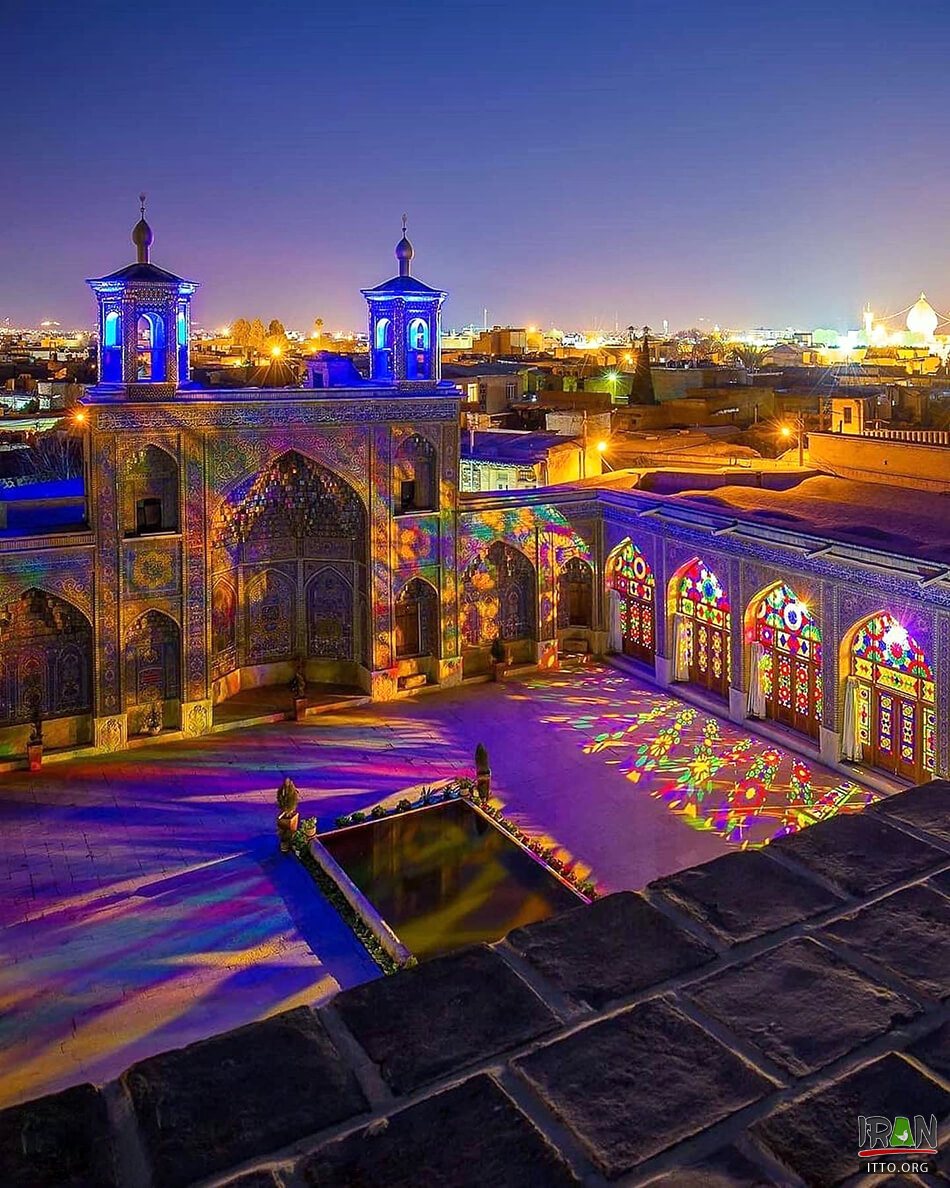
- Source- Photo by Amir Tavakoli, Iran Tourism and Touring Organization
5. A Taste of Persia
Persian cuisine is ancient, sophisticated, and strictly Halal. It is not "spicy" like Indian food; instead, it is sour, sweet, and fragrant, using ingredients like saffron, pomegranates, and dried limes.
- Chelo Kabab: The national dish. It consists of buttery, saffron-infused rice (Chelo) served with grilled lamb or beef (Kabab). The most famous variety is Kabab Koobideh (minced meat). It is usually served with a grilled tomato and raw onions.
- Fesenjan: A rich, dark stew made from ground walnuts and pomegranate molasses, usually cooked with chicken or duck. It has a unique sweet-and-sour flavor profile that is unlike anything else.
- Ghormeh Sabzi: This is the ultimate comfort food. It is a green herb stew (parsley, cilantro, fenugreek) cooked with kidney beans, dried limes (Limoo Amani), and chunks of lamb. The dried limes give it a distinctive, zesty punch.
- Tahdig: This isn't a dish; it's an obsession. It is the crispy, golden crust of rice from the bottom of the pot. At a family table, the Tahdig is the most prized part of the meal.
6. Yazd: The Desert Survivor
Head to the desert city of Yazd to see how humans have survived in extreme heat for millennia.
- Windcatchers: The skyline is dotted with Badgirs (windcatchers), ancient engineering marvels that catch the slightest breeze and funnel it down into homes to cool them naturally—essentially ancient air conditioning.
- Silence: Visit the Towers of Silence on the outskirts of the city. These are ancient Zoroastrian sky burial sites where the dead were left to the elements. It is a stark, quiet place that offers a view into Iran's pre-Islamic past.
Why Go Now?
Iran is complex, but the hospitality of its people is simple and overwhelming. It is a culture that welcomes guests with tea, conversation, and genuine curiosity. By handling your logistics smart—like securing your visa in advance and setting up your eSIM and VPN—you free yourself to focus on the incredible history and human connection that defines this misunderstood nation.