
Indonesia: The Emerald of the Equator
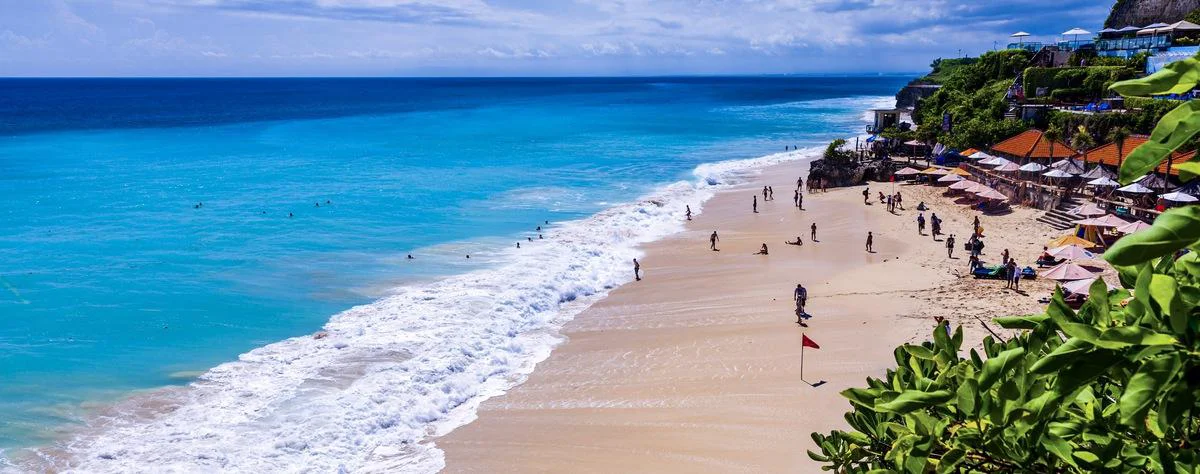
If you look at a map, Indonesia isn't just a country; it’s a galaxy of islands. Stretching over 5,000 kilometers along the equator, it is the largest archipelago on Earth. It is a land where jagged volcanic peaks pierce the clouds, ancient stone temples hide in misty jungles, and the ocean is so biodiverse it feels like an aquarium.
For the traveler, Indonesia is overwhelming in the best possible way. You can watch the sunrise over a smoking crater in Java, swim with manta rays in Komodo, and walk through emerald rice terraces in Bali—all in the same week.
If you are ready to explore the ultimate tropical frontier, here is your factual guide to Indonesia.
1. Java: The Ring of Fire
Your journey likely begins in Java, the cultural and political heart of the nation.
- Borobudur: This 9th-century Mahayana Buddhist temple is the largest of its kind in the world. It consists of nine stacked platforms, topped by a central dome and surrounded by 72 Buddha statues, each seated inside a perforated stupa. Watching the sunrise here, as the mist clears over the surrounding Kedu Plain and Mount Merapi, is a spiritual experience.
- Mount Bromo: Located in East Java, this active volcano sits inside a massive ancient caldera called the "Sea of Sand." You don't just look at it; you hike it. The landscape is stark and lunar, contrasting sharply with the lush green valleys below.
2. Bali and the Gili Islands
While Bali is famous for its beaches, its soul is inland.
- Ubud: This is the cultural capital. Visit the Tegallalang Rice Terraces, where an ancient irrigation system (subak) creates stunning green steps down the valley. It is a UNESCO World Heritage landscape.
- Gili Trawangan: A short boat ride away lies "Gili T." These islands have no cars or motorbikes—only bicycles and horse-drawn carts (cidomos). It is the perfect place to snorkel with sea turtles just meters from the shore.
3. The Connectivity Reality: Why You Need an eSIM
Here is a critical logistical fact that catches many travelers off guard. Indonesia has strict regulations regarding mobile phones.
The IMEI Registration Rule
- The Law: To use a local physical SIM card, the Indonesian government requires you to register your phone's IMEI number (its unique identity code) with customs. This often involves queuing at the airport, showing your passport, and sometimes paying tax if your phone is worth over $500.
- The Hassle: If you skip this step, your phone will be blocked from connecting to local networks (Telkomsel, XL, etc.) after a short grace period.
The Solution: The eSIM To bypass the bureaucracy and the customs queue, purchase an Indonesia-compatible eSIM data plan before you fly.
- Why? Many travel-focused eSIM providers operate on "roaming" arrangements. This means your phone is technically roaming on a foreign network, which exempts you from the mandatory local IMEI registration.
- The Benefit: You get instant data the moment you land in Jakarta or Denpasar without handing your phone over to a customs officer. It is the seamless, stress-free way to keep your maps and translation apps working.
4. Komodo National Park: Land of Dragons
Fly east to Labuan Bajo to enter a prehistoric world.
- The Dragons: Komodo Island and Rinca Island are the only places in the wild where you can see the Komodo Dragon. These lizards can grow up to 3 meters (10 feet) long and are apex predators. You must visit with a ranger; this is not a petting zoo.
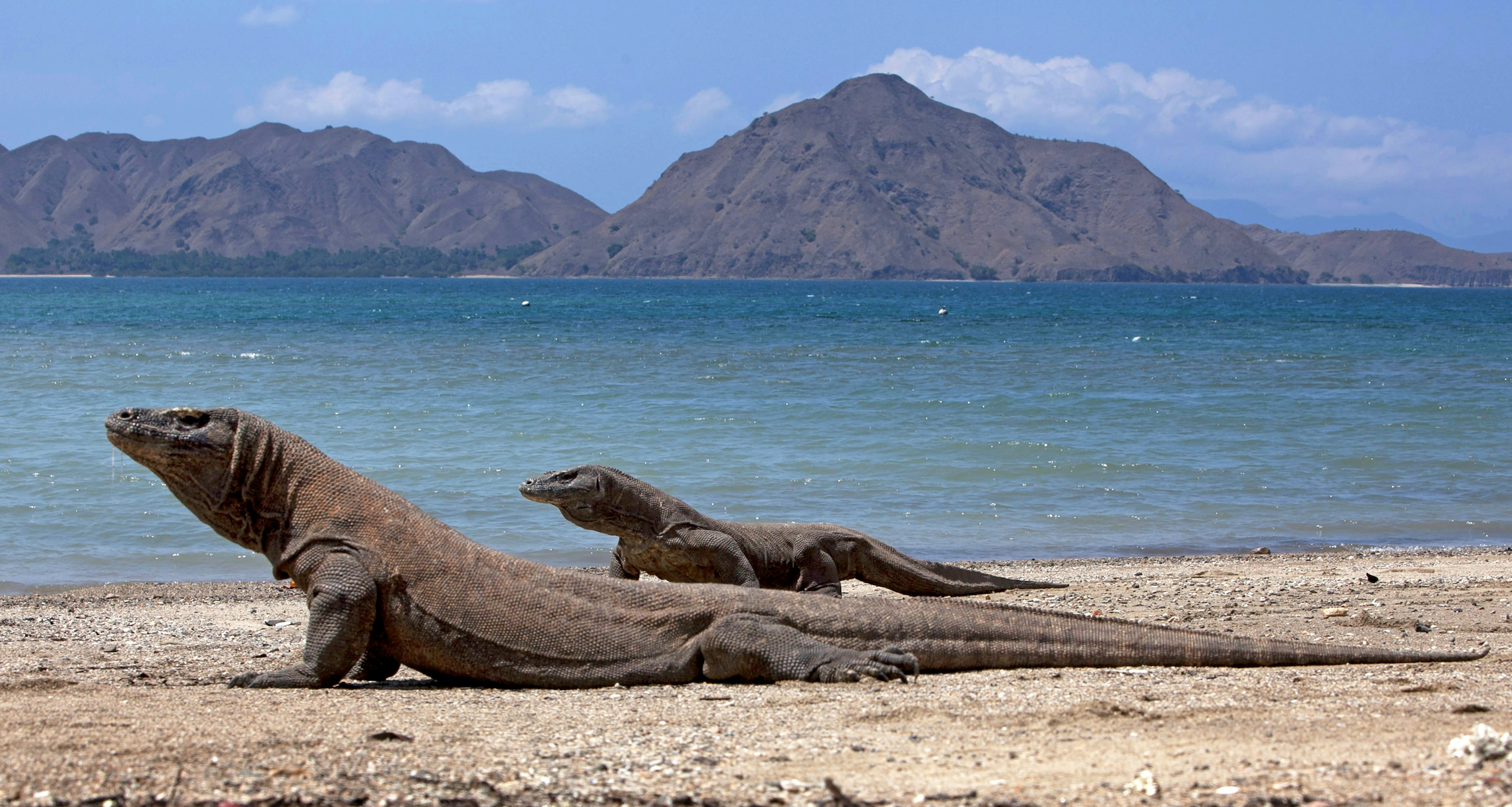
- Source- insidekomodo.com
- Pink Beach: Just a boat ride away is Pantai Merah, one of only seven pink beaches in the world. The color comes from microscopic animals called Foraminifera that produce a red pigment on the coral reefs.
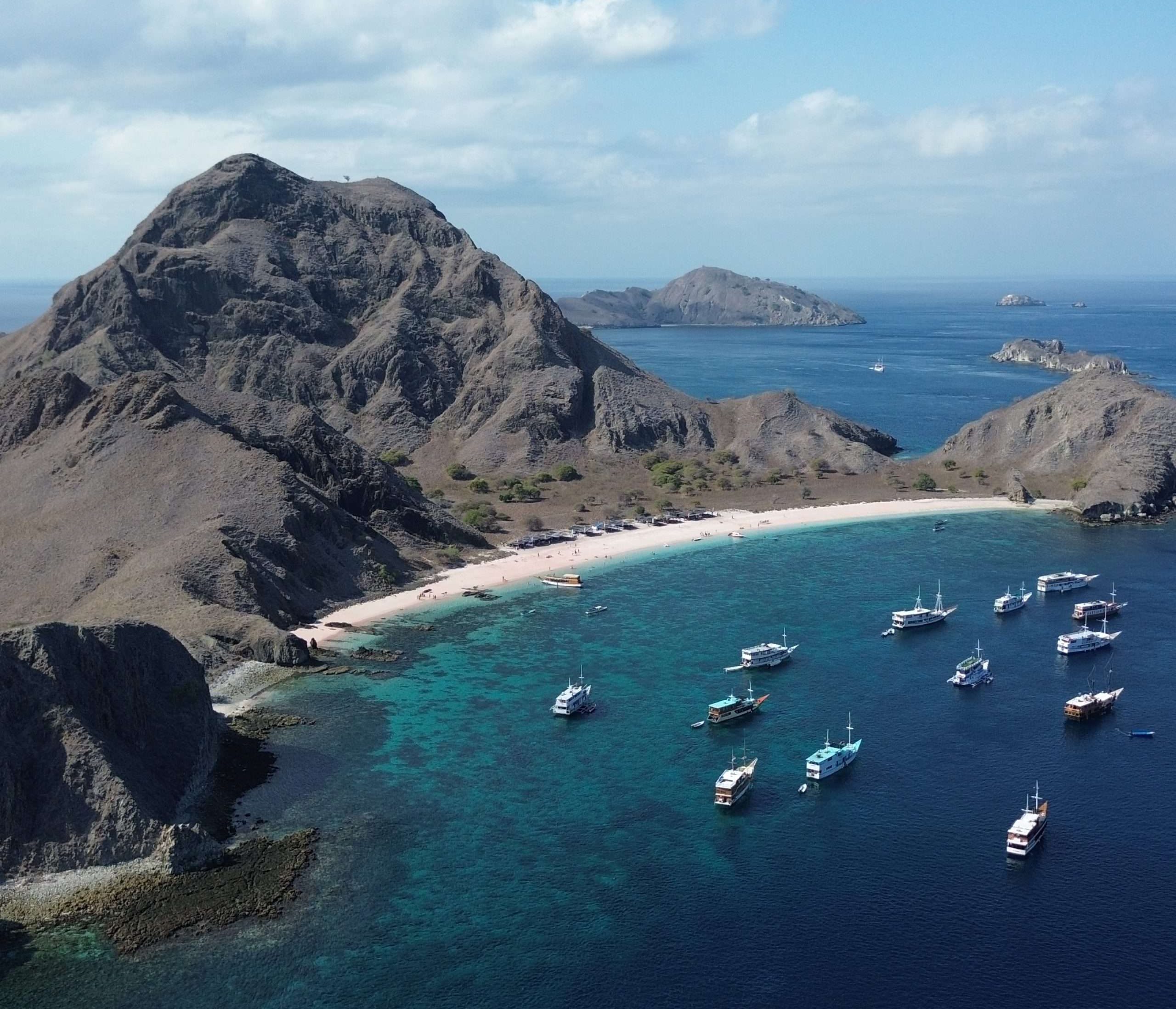
- Komodo National Park. Source- insidekomodo.com
5. Raja Ampat: The Last Paradise
For divers and nature lovers, Raja Ampat in West Papua is the holy grail.
- Biodiversity: This region holds the record for the most marine life diversity on the planet. You can find 75% of all known coral species here.
- Wayag Islands: The iconic view of karst limestone islands rising out of turquoise water is found here. It is remote, pristine, and difficult to reach, which keeps it beautifully preserved.
6. A Taste of the Archipelago (Halal & Hearty)
Indonesian food is explosive in flavor, utilizing fresh spices, coconut milk, and peanuts. It is largely Halal-friendly.
- Rendang: Originating from Sumatra, this is often voted the world's most delicious food. It is beef slow-cooked in coconut milk and a mixture of lemongrass, galangal, garlic, turmeric, ginger, and chili until the liquid evaporates and the meat caramelizes. It is tender, rich, and dry (not saucy).
- Gado-Gado: A warm salad of boiled vegetables, hard-boiled eggs, fried tofu, and tempeh, all smothered in a thick, savory peanut sauce. It is usually served with krupuk (crackers).
- Sate Ayam: Chicken satay here is different. The meat is marinated in sweet soy sauce (kecap manis) before being grilled over charcoal, giving it a smoky, caramelized glaze.
- Nasi Goreng: The national fried rice. It is distinguished by the use of sweet soy sauce, which turns the rice dark brown and caramel-sweet. It is typically served with a fried egg on top.
Why Go Now?
Indonesia is a country that rewards curiosity. It offers a level of adventure that is hard to find elsewhere—hiking active volcanoes, sailing through uncharted islands, and encountering wildlife that exists nowhere else. It is affordable, the hospitality is legendary, and the scenery is unmatched.