
India: Palaces, Spirituality, and Seamless Travel
Source: Britannica
India is not just a destination; it is an immersion. It is a country that operates on a different frequency, where ancient history breathes through the chaotic energy of modern life. From the snow-capped Himalayas in the north to the tropical backwaters of the south, India offers a diversity of landscapes and cultures that could fill a dozen lifetimes.
For the first-time traveler, India can be overwhelming—in the best possible way. It is a land of sensory richness: the scent of jasmine and spices in the air, the vibrant saris flashing against desert sands, and the echo of temple bells at sunrise.
If you are ready to embrace the extraordinary, here is your factual guide to navigating the incredible subcontinent.
1. The Golden Triangle: The Classic Introduction
For a perfect primer on Indian history and architecture, start with the Golden Triangle: Delhi, Agra, and Jaipur.
- Delhi: The capital is a city of layers. Visit Old Delhi to see the massive Red Fort and the Jama Masjid, one of the largest mosques in India. Then, contrast it with the wide, leafy avenues of New Delhi and the towering Qutub Minar, a 73-meter high minaret built in 1193.
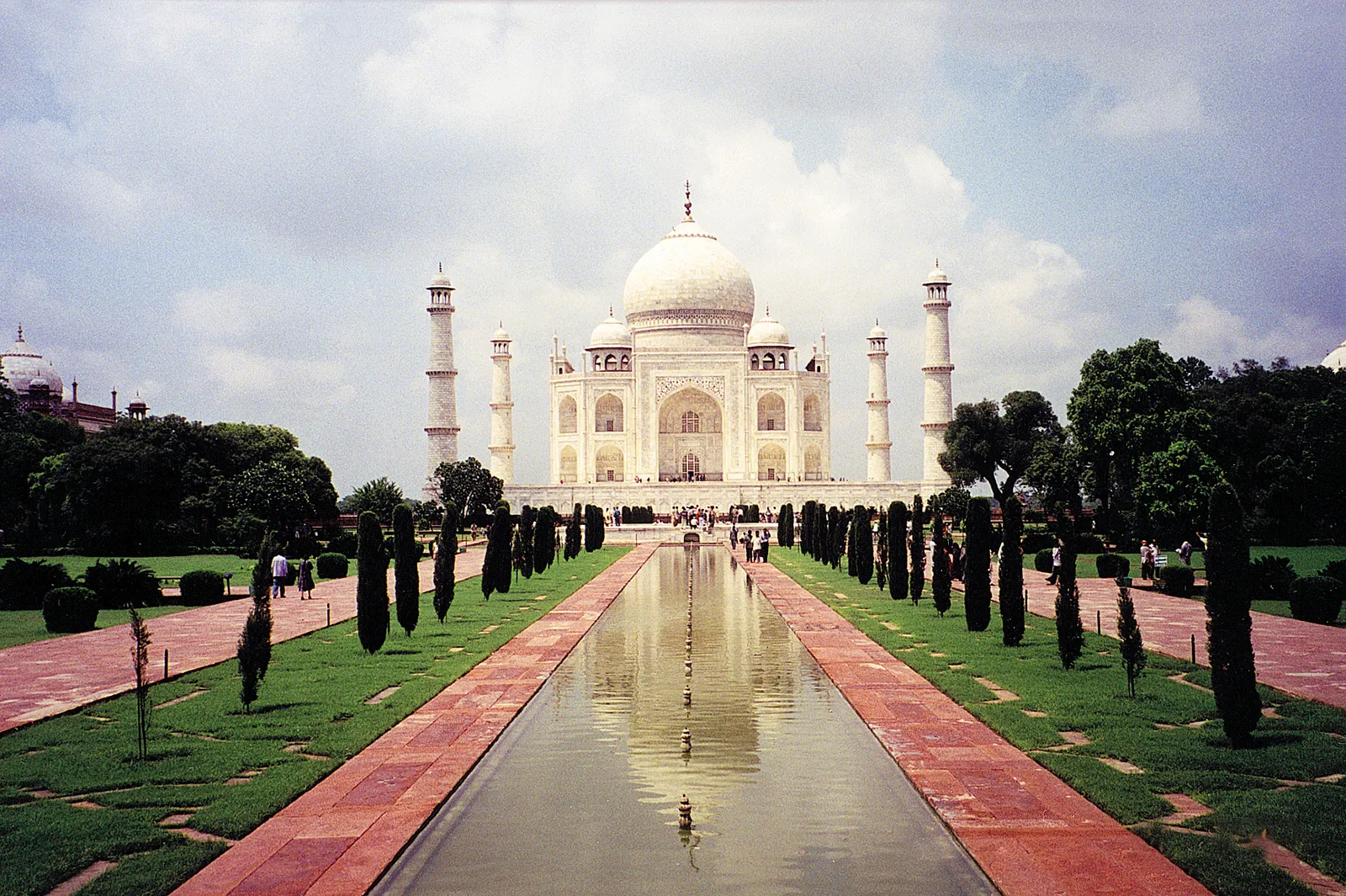
- Agra: A short train ride away lies the home of the Taj Mahal. Built by Emperor Shah Jahan for his favorite wife, Mumtaz Mahal, this white marble mausoleum is even more beautiful in person than in photos. Pro tip: Arrive at sunrise. The crowds are thinner, and the marble changes color from soft pink to blinding white as the sun ascends.
- Jaipur: Known as the "Pink City," Jaipur is the capital of Rajasthan. The Hawa Mahal (Palace of Winds) is iconic, with its 953 small windows designed to allow royal ladies to watch street festivals without being seen. Don't miss the Amber Fort, a massive hilltop fortress that glows golden in the morning light.
2. Kerala: God’s Own Country
If the north is about majesty, the south is about serenity. Fly down to Kerala for a completely different pace of life.
- The Backwaters: The highlight here is a houseboat cruise in Alleppey (Alappuzha). You drift silently through a network of canals lined with palm trees and rice paddies, watching village life unfold along the water's edge.
- Tea Plantations: Head up to Munnar, a hill station covered in endless carpets of emerald-green tea gardens. The air here is cool and crisp—a refreshing break from the tropical heat of the coast.
3. The Connectivity Reality: Why You Need an eSIM
Here is a logistical reality check that can save your trip. Getting a SIM card in India as a foreigner is notoriously bureaucratic.
The "Paperwork" Trap
- The Process: Buying a physical SIM card at a shop often requires a passport, a printed visa, passport-sized photos, and sometimes a local Indian reference contact. Even after submitting all this, activation can take anywhere from 12 to 24 hours.
- The Need for Data: You will rely on data for everything. You need Google Maps to navigate the winding streets of Varanasi, Uber or Ola to book safe rides without haggling, and translation apps to read signs.
The Solution: The eSIM To bypass the paperwork and instant-activation delays, purchase an India-compatible eSIM data plan before you fly.
- Why? An eSIM connects you to major local networks (like Jio or Airtel) the moment you land.
- The Benefit: It allows you to use UPI (Unified Payments Interface) apps designed for tourists (like CheqUPI). India is a digital-first economy; from high-end boutiques to roadside chai stalls, almost everyone accepts digital QR code payments. Having data ensures you can pay easily without worrying about carrying small change.
4. Spiritual Immersion: Varanasi
No article on India is complete without mentioning Varanasi, one of the oldest continuously inhabited cities in the world.
- The Ghats: Life here revolves around the Ghats—stone steps leading down to the sacred Ganges River. Taking a sunrise boat ride allows you to witness the morning rituals of pilgrims bathing and praying in the river.
- The Aarti: Every evening, the Ganga Aarti ceremony takes place at Dashashwamedh Ghat. It is a mesmerizing ritual involving fire, chanting, and music, attended by thousands of devotees. It is a powerful display of faith that defines the spiritual heart of the country.
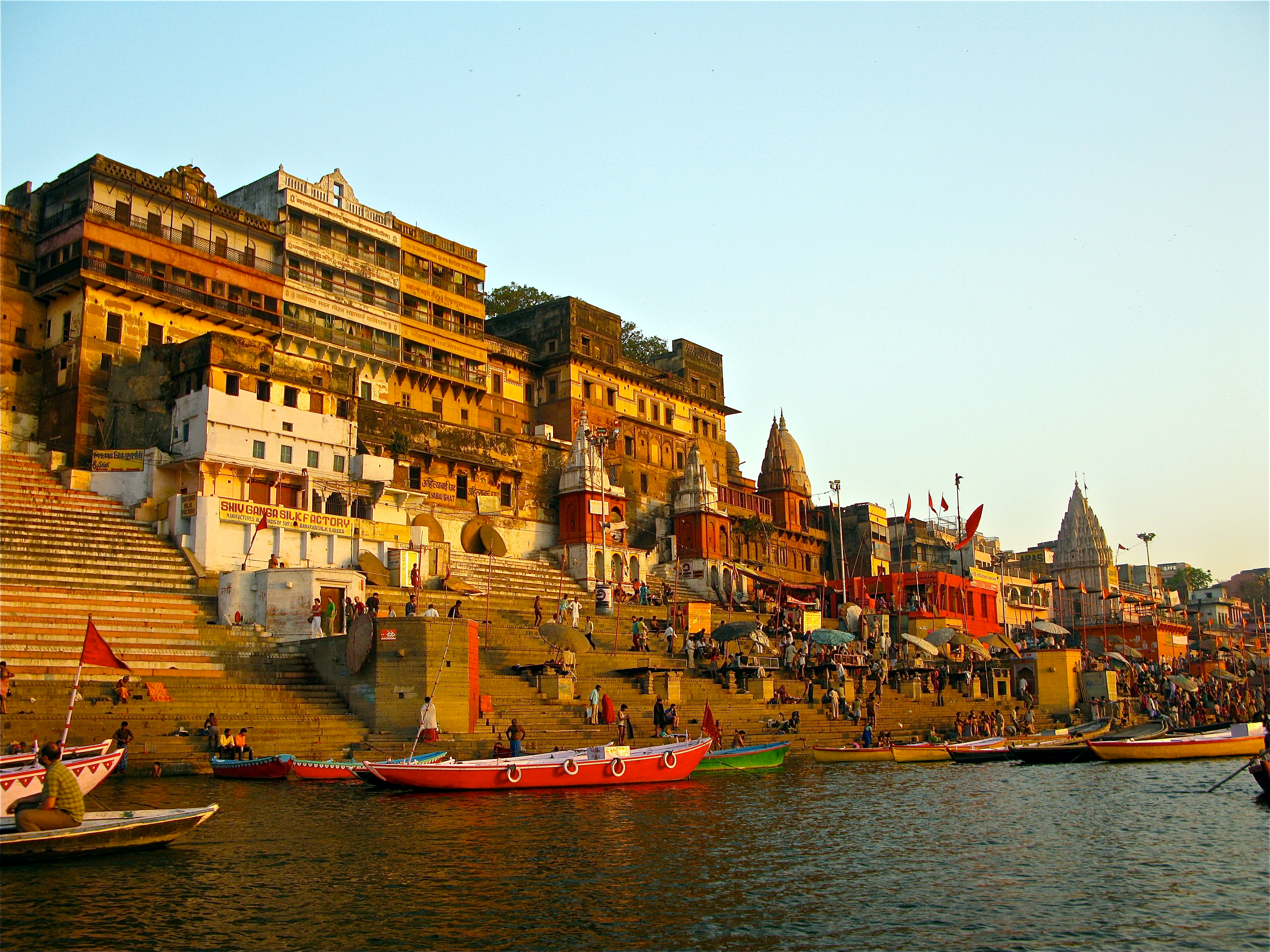
- Ganges River, Varanasi. Source- Ken Wieland, CC BY-SA 2.0, via Wikimedia Commons
5. A Taste of India (Safe & Savory)
Indian cuisine is a universe of flavor. While it can be spicy, it is incredibly diverse and offers endless options for every palate.
- North Indian Staples: Try Dal Makhani (black lentils simmered with butter and cream) and Palak Paneer (cottage cheese cubes in a smooth spinach gravy). These are rich, mild, and universally loved. Pair them with Naan or Roti straight from the tandoor oven.
- South Indian Breakfast: Start your day with a Masala Dosa, a crispy fermented crepe filled with spiced potatoes, served with coconut chutney and sambar (a vegetable lentil stew). It is light, healthy, and delicious.
- Biryani: A fragrant rice dish cooked with aromatic spices and usually chicken or mutton (goat). Hyderabad is famous for this, but excellent versions are found countrywide.
- Chai: You will see "chai wallahs" everywhere. This sweet, milky tea spiced with cardamom and ginger is the fuel of the nation. It is boiled thoroughly, making it generally safe to drink even from street vendors.
Why Go Now?
India is modernizing rapidly while holding tight to its roots. It is a place where you can ride a high-speed metro train to a 2,000-year-old temple. The hospitality is warm and taken seriously here. With an eSIM to smooth out the logistics, you are free to lose yourself in the magic, the colors, and the unforgettable spirit of India.