
Iceland: The Land of Fire and Ice
Source: Britannica
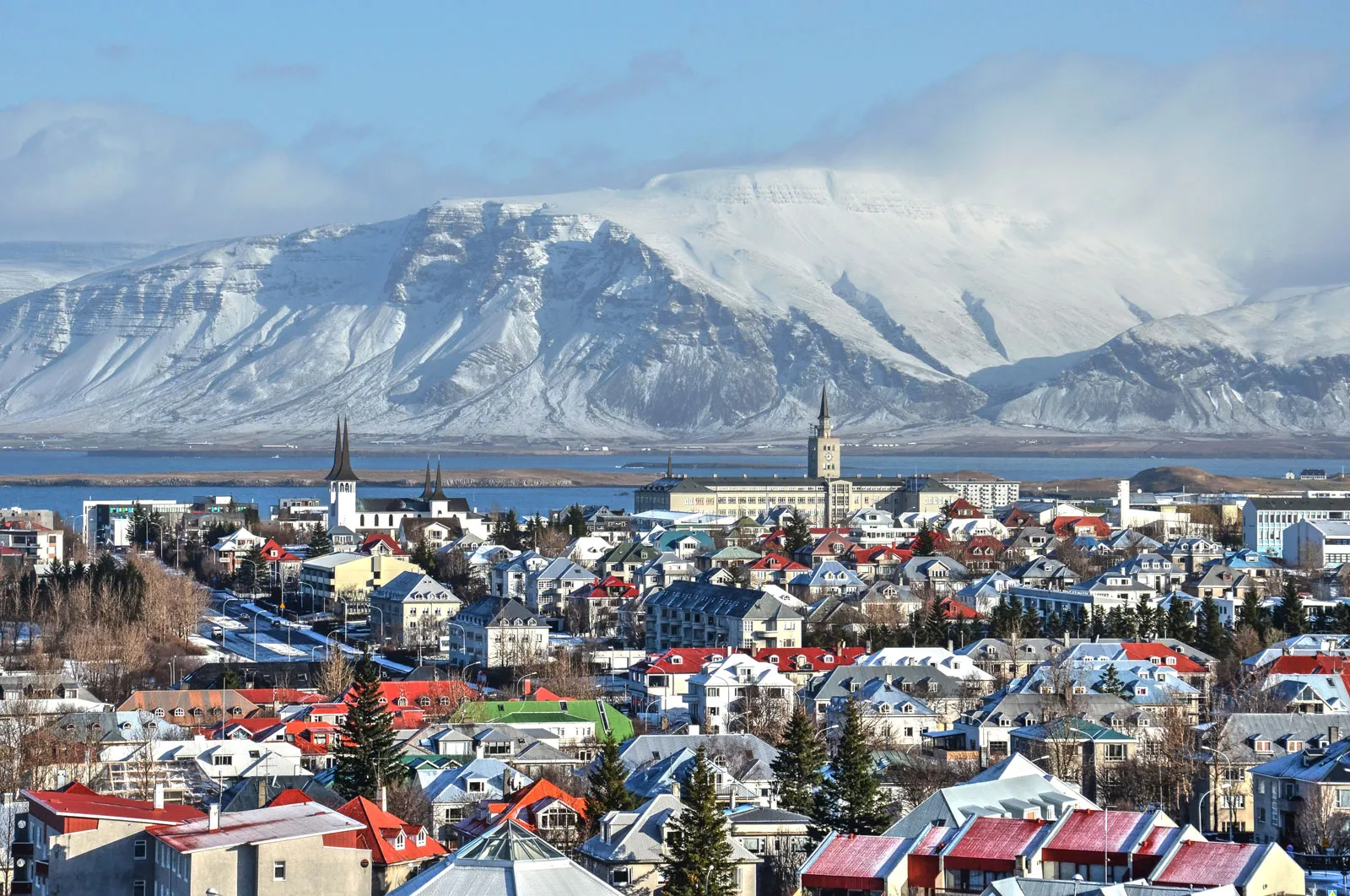
Iceland is a place that feels less like a country and more like a different planet. It is a land where the earth smokes, the water boils, and massive glaciers grind against jagged black lava fields.
For the traveler, it is the ultimate road trip destination. You can stand behind a thundering waterfall in the morning and walk on a glacier in the afternoon. If you are ready to explore the edge of the Arctic Circle, here is your factual guide to the Land of Fire and Ice.
1. The Golden Circle: The Classic Loop
If you have a rental car, your first day should be spent on the Golden Circle. It is a 190-mile loop from Reykjavik that hits three of the country's most famous sites.
- Thingvellir National Park: This is where history and geology meet. You can walk through the Almannagjá gorge, which marks the boundary between the North American and Eurasian tectonic plates. It is also the site of the world’s oldest parliament, established in 930 AD.
- Geysir Geothermal Area: This is home to Strokkur, a geyser that erupts every 6–10 minutes, shooting boiling water up to 20 meters into the air. The smell of sulfur (rotten eggs) is strong here, a reminder of the volcanic heat just below your feet.
- Gullfoss: The "Golden Falls" is a massive two-tiered waterfall that plummets into a deep canyon. In winter, the edges freeze into glittering ice sculptures; in summer, the spray creates permanent rainbows.
2. The South Coast: Waterfalls and Black Sand
Driving south on Route 1 offers some of the most dramatic scenery in the world.
- Seljalandsfoss: This is the famous waterfall you can walk behind. Bring a waterproof jacket—you will get soaked by the spray, but the view from behind the curtain of water is unmatched.
- Skógafoss: Just down the road lies Skógafoss, one of the biggest waterfalls in the country. You can walk right up to the flat ground at the bottom or climb the steep staircase to the top for a bird's-eye view.
- Reynisfjara: This is the world-famous black sand beach near the village of Vík. The sand is jet black, created by eroded volcanic lava.
- Safety Warning: The waves here are "sneaker waves"—they are powerful and unpredictable. Never turn your back on the ocean here, and stay well back from the water's edge.
3. The Connectivity Reality: Why You Need an eSIM
Here is a logistical reality check. Iceland is safe and modern, but the weather is volatile and the roads can be lonely.
The "Safety" Necessity
- Road Conditions: Weather changes in minutes. You need a data connection to check Vedur.is (the official weather site) and Road.is (for road closures) constantly.
- The 112 App: You should download the 112 Iceland app before you drive. It allows you to send your GPS location to emergency services with a single tap if you get stuck in snow or have an accident.
The Solution: The eSIM Roaming charges for international travelers can be high. To ensure you have a lifeline in the middle of a lava field, purchase an Iceland-compatible eSIM data plan before you fly.
- Why? An eSIM connects you to local networks (like Siminn, Nova, or Vodafone) immediately upon landing at Keflavík Airport.
- The Benefit: It ensures you can pull up offline maps when the road signs are obscured by snow and allows you to use safety apps without worrying about data costs.
4. The Blue Lagoon: Geothermal Healing
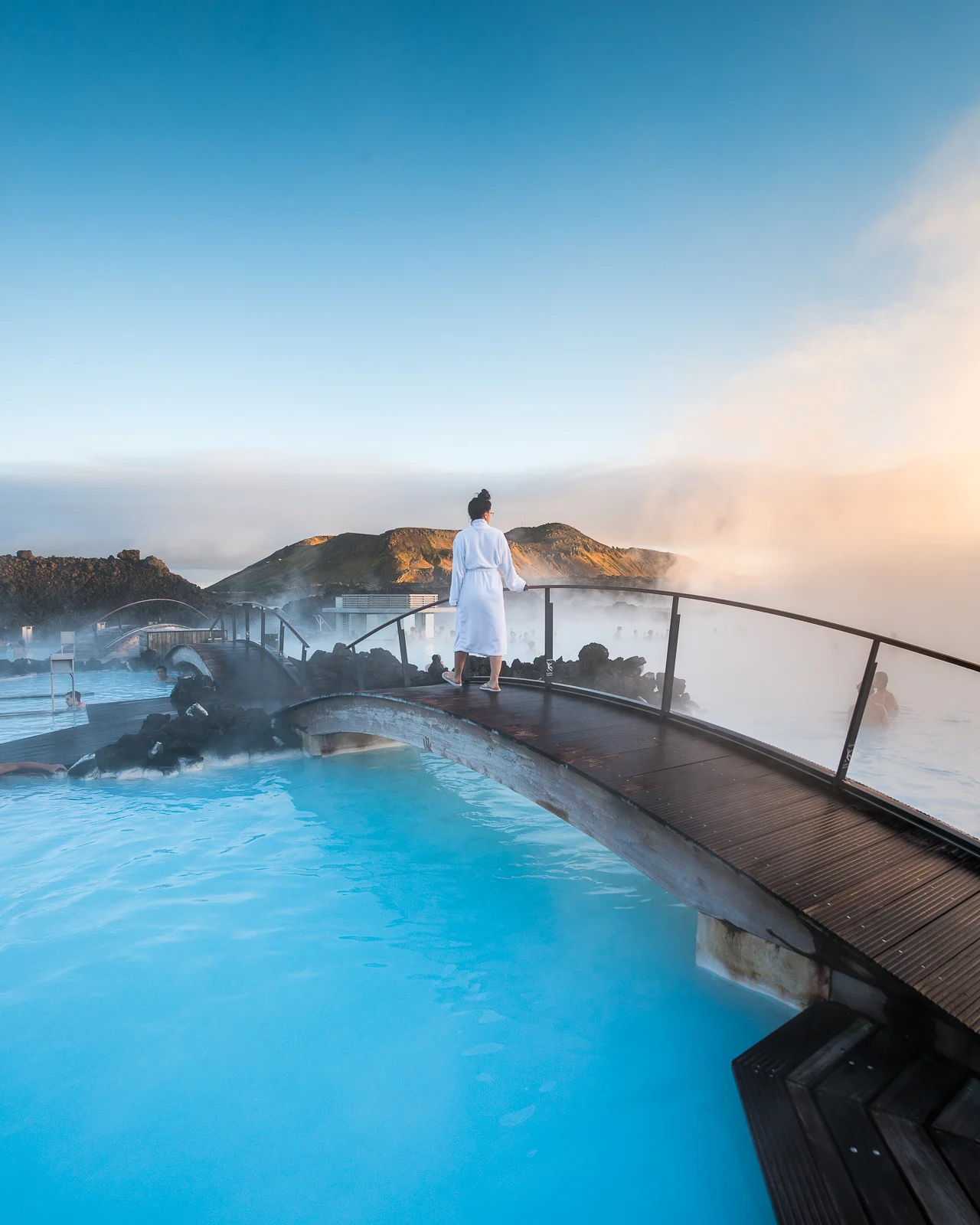
Located in a lava field near the airport, the Blue Lagoon is Iceland’s most famous spa.
- The Water: The water is a milky blue color, rich in silica and sulfur. It stays at a warm 38°C (100°F) year-round.
- The Experience: It is not just about swimming; it is about floating in warm, mineral-rich water while surrounded by black volcanic rocks and steam. It is quiet, restorative, and distinctively Icelandic.
- Tip: Pre-booking is mandatory. If you want a more rustic alternative, try the Secret Lagoon in the Golden Circle or the ocean-side Sky Lagoon near Reykjavik.
- Source- The Blue Lagoon
5. A Taste of Iceland (Lamb and Seafood)
Icelandic food is shaped by its isolation. It relies on fresh catch and free-roaming livestock.
- Icelandic Lamb: This is considered some of the best in the world. The sheep roam free in the highlands all summer, eating wild herbs and berries. Try Kjötsúpa, a traditional lamb soup with root vegetables. It is the ultimate comfort food on a cold day.
- Plokkfiskur: This is a hearty fish stew made from boiled cod or haddock, mashed with potatoes and a white sauce, then baked. It is creamy, filling, and served with dark rye bread.
- Skyr: Technically a cheese but eaten like yogurt, Skyr has been a staple here for 1,000 years. It is high in protein and usually served with fresh berries and cream.
- Rye Bread (Rúgbrauð): This dense, sweet bread is traditionally baked by burying a pot in the ground near a hot spring, using the geothermal heat to cook it slowly over 24 hours.
6. The Northern Lights and Midnight Sun
When you visit dictates what you see in the sky.
- Winter (Sept–April): This is Aurora Borealis season. You need dark, clear skies to see the Northern Lights dancing in green and purple waves.
- Summer (June–July): The sun never truly sets. The Midnight Sun means you can visit waterfalls at 1:00 AM in broad daylight, avoiding the crowds entirely.
Why Go Now?
Iceland is a reminder of nature’s power. It is a place where you can feel the heat of the earth and the chill of the glacier in the same hour. Whether you are driving the Ring Road or soaking in a geothermal pool, Iceland offers an adventure that is raw, beautiful, and completely unforgettable.