
Honduras: The Central American Jewel You’ve Been Overlooking
Source: Wikimedia Commons
If you are looking for a destination that offers the Caribbean’s turquoise waters without the Caribbean’s price tag, or the mystery of the Maya without the crowds of Chichén Itzá, welcome to Honduras.
Often overshadowed by its neighbors, Honduras is an ecological powerhouse. It is a land where you can start your day feeding wild macaws in a mist-covered valley and end it swimming with sea turtles on the second-largest barrier reef in the world.
If you are ready to explore the road less traveled, here is your factual guide to the heart of Central America.
1. Copán Ruinas: The Paris of the Mayan World
Your journey into the past begins in the western highlands at Copán Ruinas. While Tikal in Guatemala is known for its height, Copán is known for its art.
- The Intricacy: This UNESCO World Heritage site is famous for its remarkably preserved stelae (stone monuments) and the Hieroglyphic Stairway. The stairway is the longest known Maya text, with over 1,800 individual glyphs carved into the stone steps, telling the history of the city’s rulers.
- The Macaws: You won't just see stone here. The ruins are also a sanctuary for Scarlet Macaws, the national bird of Honduras. They fly freely throughout the archaeological park, their bright red, yellow, and blue feathers creating a stunning contrast against the grey stone temples.
- The Town: The nearby town of Copán Ruinas is charming, safe, and walkable, filled with cobblestone streets and cafes serving excellent locally grown high-altitude coffee.
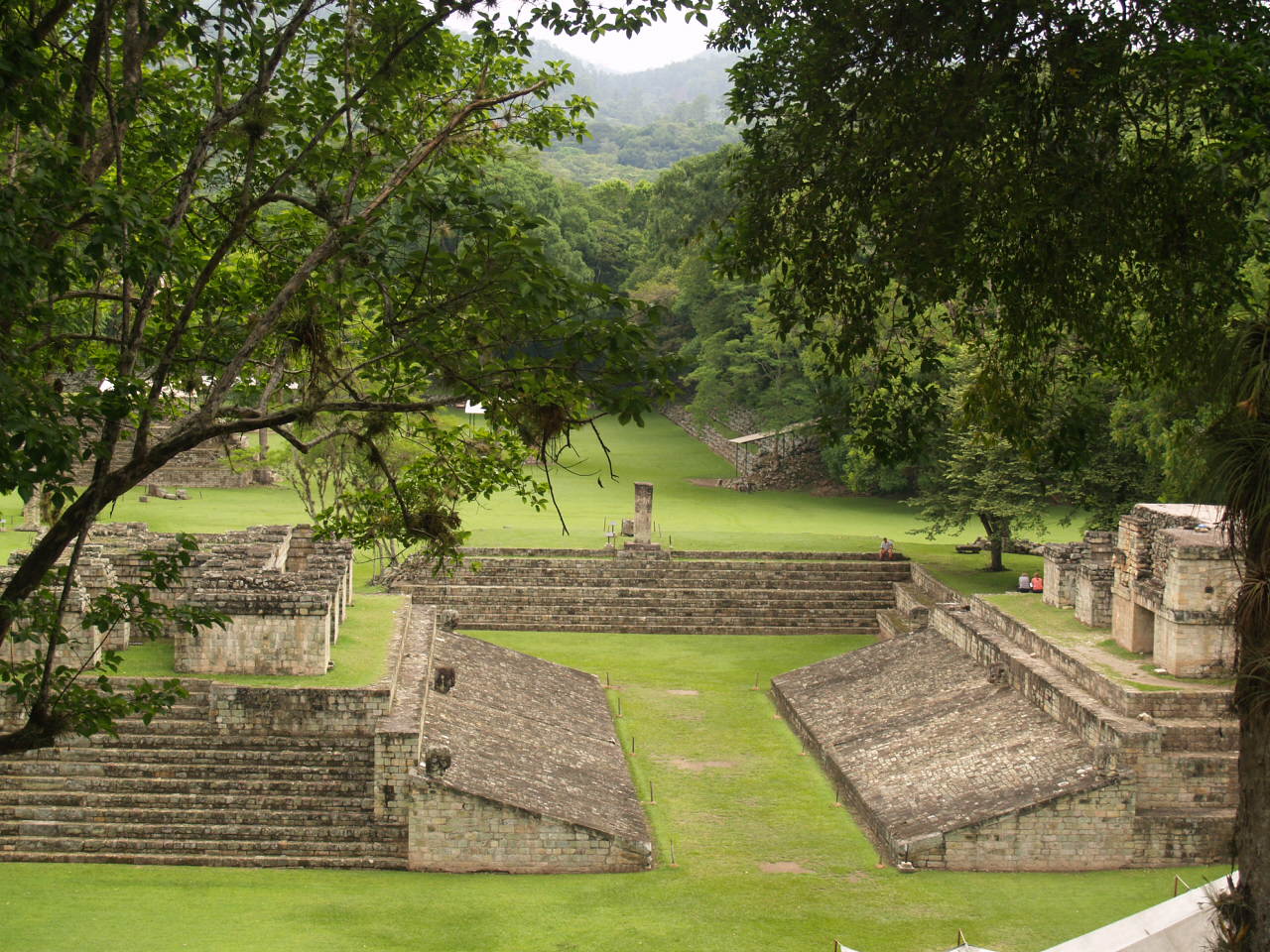
Copan Ballcourt at Copan Ruinas, Honduras.
Source- Adalberto Hernandez Vega from Copan Ruinas, Honduras, CC BY 2.0, via Wikimedia Commons
2. The Bay Islands: Roatán and Utila
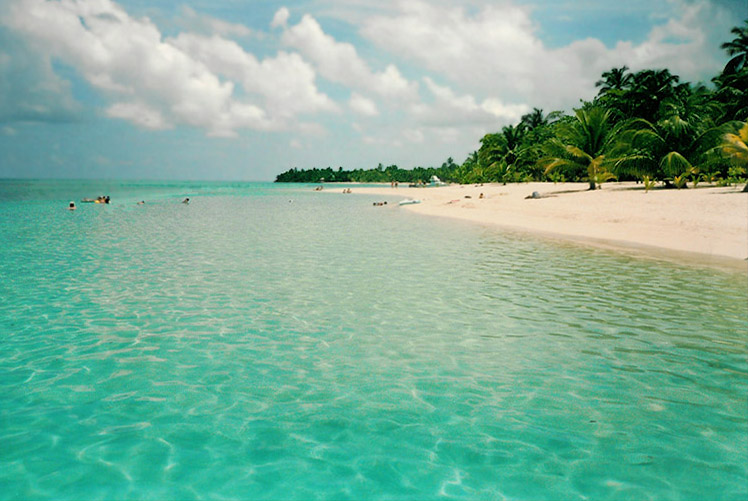
Head north to the Caribbean coast and take a ferry (or flight) to the Bay Islands. These islands sit on the Mesoamerican Barrier Reef System, second only to Australia’s Great Barrier Reef in size.
- Roatán: This is the larger, more developed island. It is world-famous for its diving and snorkeling. You don't need a boat to see the reef here; at West Bay, you can walk into the water and be surrounded by coral and tropical fish within twenty feet of the shore.
- Utila: Known as the backpacker’s alternative, Utila is smaller, flatter, and famous for one thing: Whale Sharks. It is one of the few places on Earth where you can reliably spot these gentle giants year-round, though March to April is the prime season.
3. The Connectivity Reality: Why You Need an eSIM
Here is a logistical reality check. While Honduras is beautiful, it is rugged. You will be moving between dense jungles, remote islands, and busy cities.
The "Roaming" Trap
- The Cost: For many North American and European travelers, Honduras falls into expensive "Zone 3" roaming categories. Using your home carrier’s data plan to navigate can lead to a bill shock.
- The Safety Factor: Infrastructure can be unpredictable. Public buses may not run on time, and road signage in rural areas is often non-existent. You need a working phone to use Google Maps or Waze to navigate, and WhatsApp to communicate with tour operators and hotels (it is the primary business tool here).
The Solution: The eSIM To ensure you are never stranded without a map, purchase a Honduras-compatible eSIM data plan before you fly.
- Why? An eSIM allows you to connect to local networks (like Tigo or Claro) the moment you land at San Pedro Sula (SAP) or Roatán (RTB).
- The Benefit: It eliminates the need to negotiate with SIM card vendors in a language you might not speak fluently. It gives you immediate access to translation apps and verified transport options (like radio taxis), which is a crucial safety step in major cities.
4. Pico Bonito: The Jungle Playground
Near the coastal city of La Ceiba lies Pico Bonito National Park. This is the place for adventure.
- The Landscape: The park is a massive triangular peak that rises from the coastal plain. It is covered in lush rainforest and clouded forests.
- The Kangrejal River: The border of the park is marked by the Rio Cangrejal. This is one of the best spots in Central America for white-water rafting. The rapids range from Class II to Class IV, winding through massive boulders with the jungle towering on both sides.
- Hiking: Trails here are well-maintained. You can hike to waterfalls like El Bejuco, a misty cascade that drops 80 meters down the mountainside.
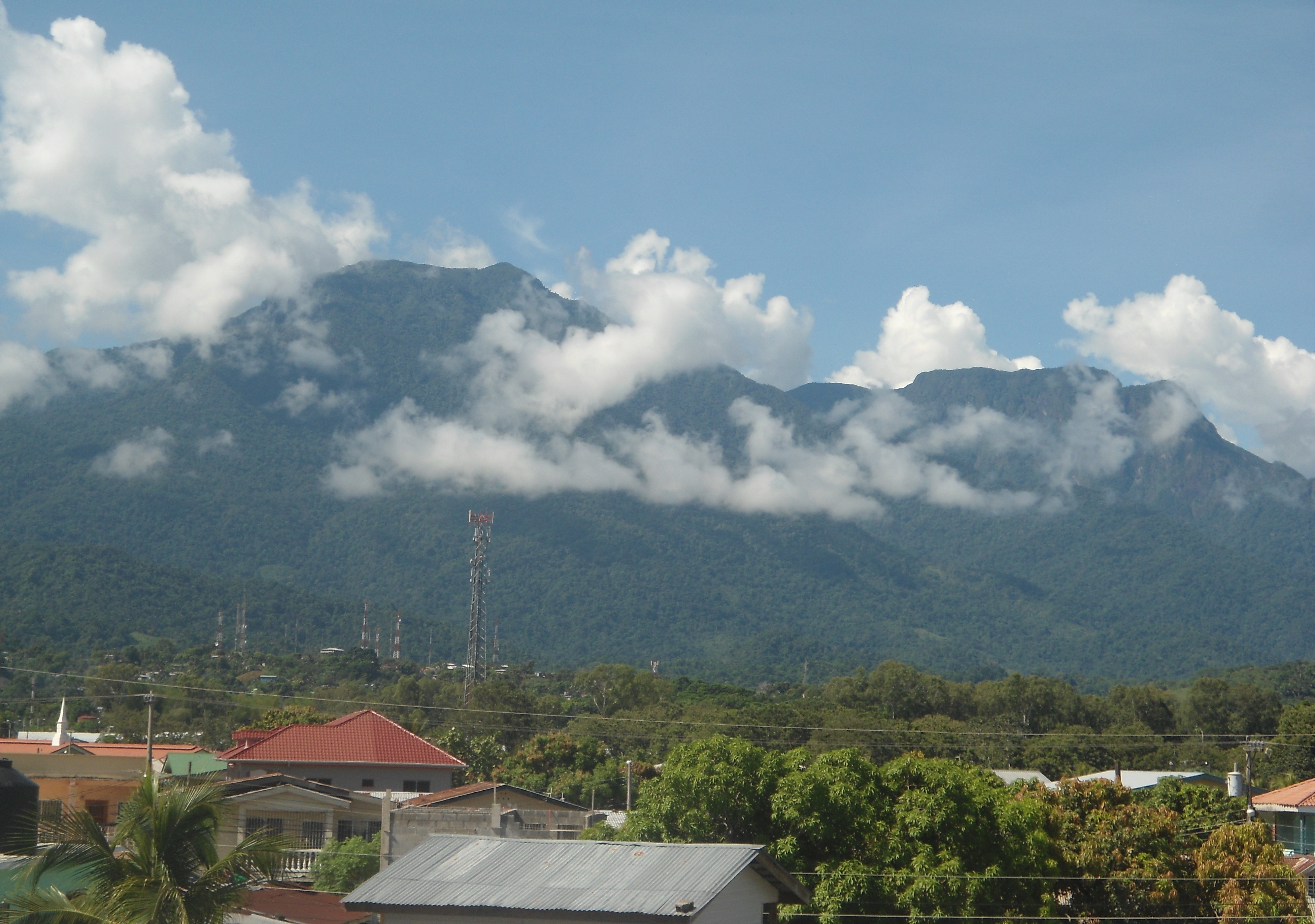
Cordillera Nombre de Dios mountains in Pico Bonito taken from La Ceiba
5. Lake Yojoa: The Birdwatcher’s Paradise
Located in a volcanic depression in the center of the country, Lake Yojoa is the largest natural lake in Honduras.
- The Wildlife: This area boasts over 400 species of birds. It is a hotspot for spotting toucans, motmots, and herons.
- Pulhapanzak Waterfalls: Just north of the lake, you’ll find this stunning 43-meter waterfall. It was reportedly an inspiration for the jungle settings in Disney’s The Jungle Book. You can take a guided tour behind the curtain of water for a soaking wet, adrenaline-filled experience.
6. A Taste of Honduras: The Baleada
You cannot leave without eating a Baleada. It is the ultimate Honduran comfort food.
- What is it? A thick, handmade flour tortilla, folded in half and filled with mashed red beans, mantequilla (a salty, distinctive Honduran cream similar to crème fraîche), and crumbled salty cheese.
- The Extras: You can add scrambled eggs, avocado, or grilled steak. It is simple, filling, and delicious.
- Seafood: On the coast, try Tapado, a rich coconut milk soup filled with fresh fish, plantains, and cassava. It is sweet, savory, and hearty.
Why Go Now?
Honduras is often misunderstood, but those who visit find a country of immense warmth and natural splendor. It offers the same reefs as Belize and the same ruins as Guatemala, often with fewer crowds. By taking sensible safety precautions—like using an eSIM for reliable communication and sticking to trusted transport—you unlock a destination that feels like a true discovery.