
Hawaii: An Island Symphony of Volcanoes, Valleys, and Veracity
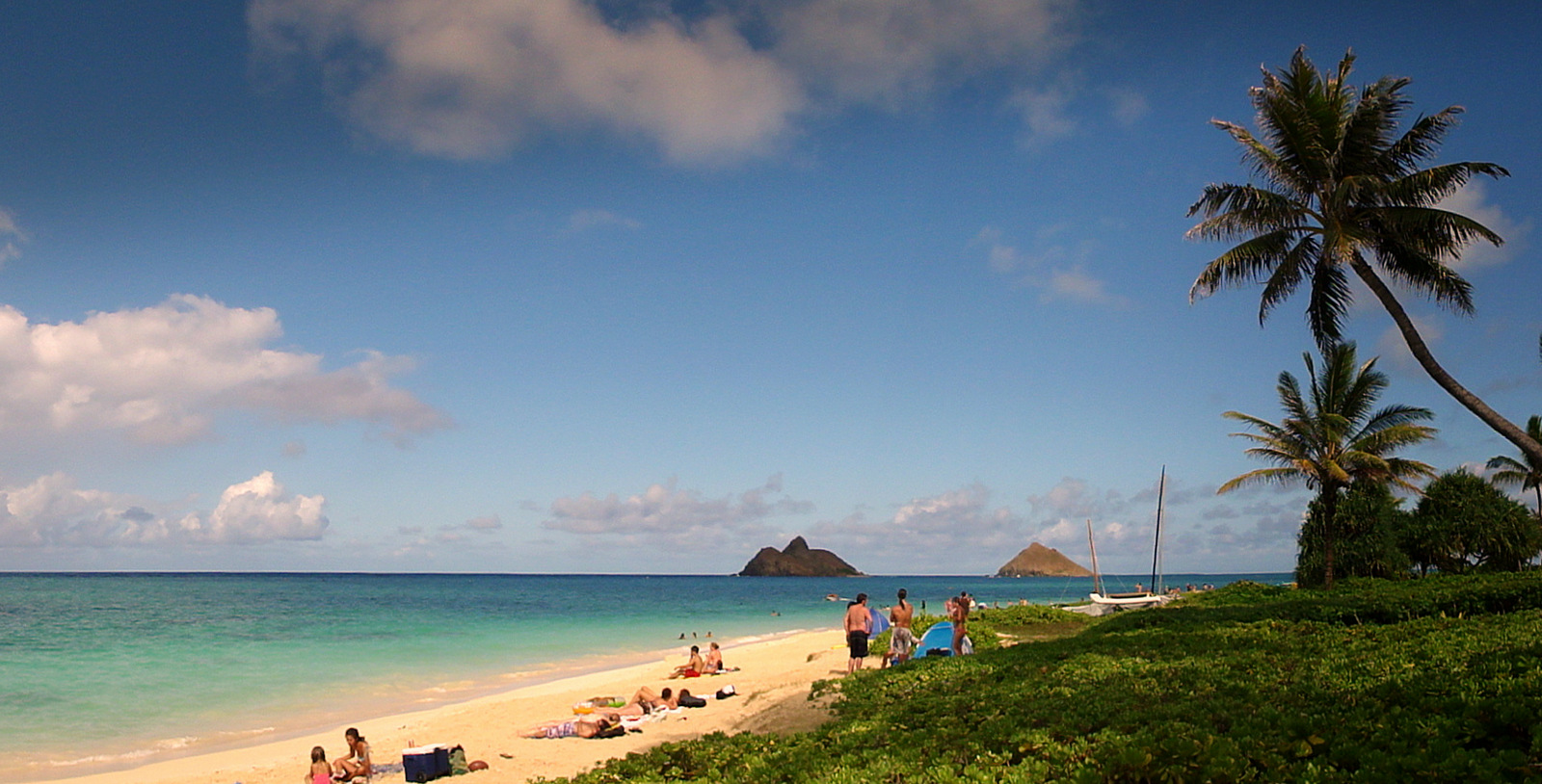
Hawaii is a place that exists in the collective imagination as a paradise of emerald cliffs and turquoise waters, but in 2026, it has become something even more profound. It is now a global leader in regenerative tourism, a destination where the "Aloha Spirit" is not just a greeting, but a commitment to the land (ʻāina) and its people. As you step off the plane into the fragrant, humid air, you aren't just a tourist; you are a guest in a vibrant, living culture.
Whether you are seeking the quiet power of a dormant volcano or the rhythmic pulse of a traditional hula, Hawaii offers a refined serenity. This guide focuses on the authentic, nature-driven, and family-friendly side of the islands, staying strictly within the parameters of a respectful and mindful 2026 journey.
1. The Urban and the Ancient: Oahu’s Dual Identity
Your journey likely begins on Oahu, the "Gathering Place." Honolulu has evolved into a masterclass of tropical urbanism, balancing high-tech convenience with deep historical roots.
- Pearl Harbor National Memorial: A visit here remains one of the most moving experiences in the Pacific. To see the USS Arizona Memorial, you must book your timed tickets weeks in advance. It is a place of absolute quiet and reflection, honoring the history that shaped the modern world.
- Iolani Palace: As the only royal palace on U.S. soil, this landmark tells the story of the Hawaiian Kingdom’s monarchs. The meticulous restoration of the throne room and the private galleries offers a dignified look at the islands' sovereign history.
- Hanauma Bay Nature Preserve: In 2026, access is strictly limited to protect the coral health. This volcanic crater is a sanctuary for green sea turtles (honu) and hundreds of species of tropical fish. Watching a turtle glide through the crystalline shallows is a reminder of why conservation is the islands' top priority.
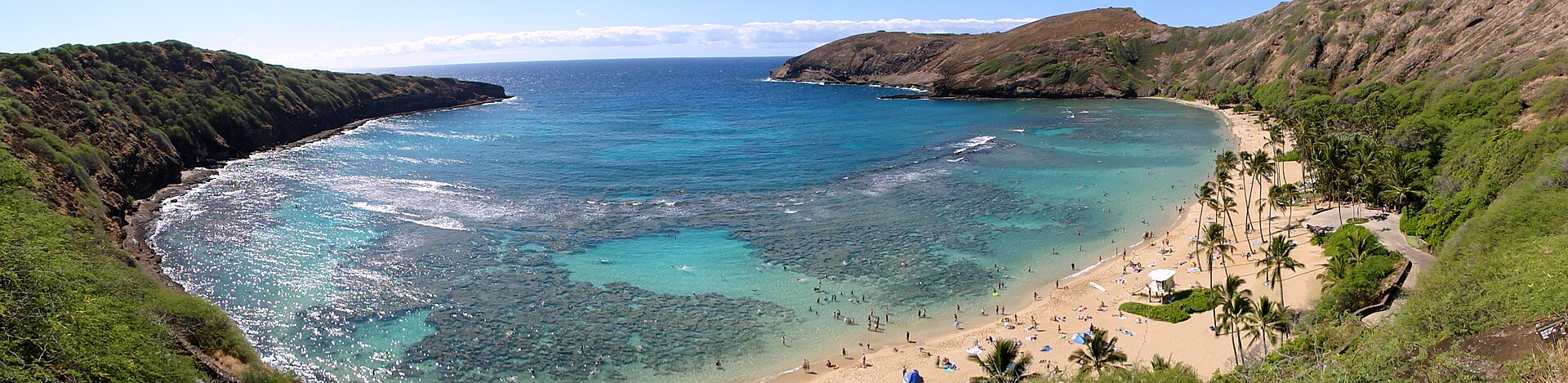
- Source- By Cristo Vlahos - Own work, CC BY-SA 3.0
2. Nature’s Masterpieces: From Fire to Ice
Each island offers a distinct geological personality, and 2026 is the perfect year to explore the diverse extremes of the archipelago.
- Hawaii Volcanoes National Park (Big Island): This is where the earth is still being born. You can hike across the vast, steaming caldera of Kīlauea or explore the Thurston Lava Tube, a subterranean tunnel formed by ancient rivers of fire. The park is a laboratory of life, showing how rainforests spring from the cooling black basalt.
- Mauna Kea Stargazing: Rising 4,207 meters above sea level, the summit of Mauna Kea is home to the world’s most advanced telescopes. At night, the sky becomes a velvet canvas of stars so bright they seem within reach. Remember that the summit is sacred; many travelers prefer the guided programs at the Visitor Information Station to learn about both the science and the Hawaiian celestial navigation traditions.
- The Na Pali Coast (Kauai): The "Garden Isle" is defined by the rugged, cathedral-like spires of the Na Pali Coast. Whether you witness them from a catamaran at sea or by hiking the challenging Kalalau Trail, the scale of these 1,000-meter cliffs is staggering.
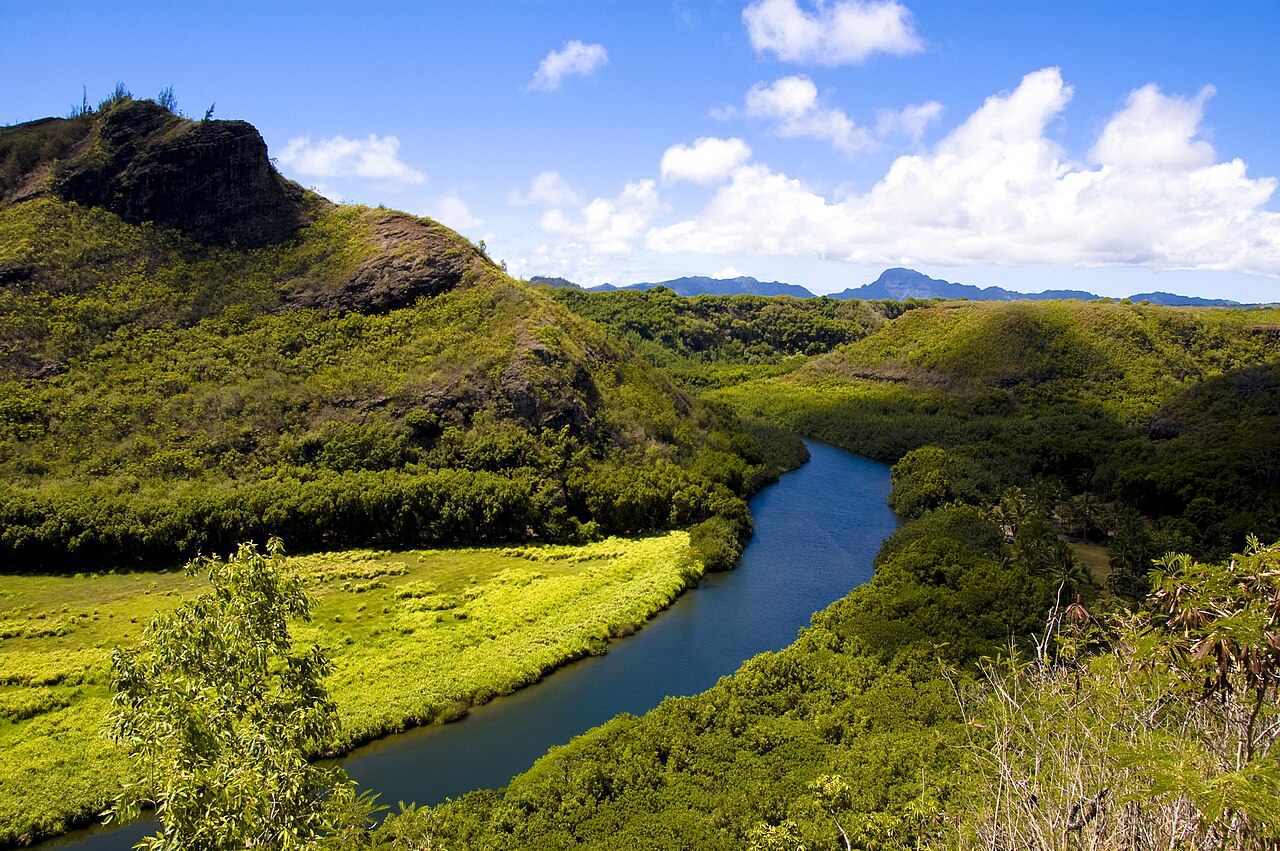
- Wailua River State Park. Source- By Bret Robertson - Flickr: Wailua River, CC BY 2.0
3. The Digital Lifeline: Why You Need an eSIM
In 2026, Hawaii is a hyper-connected society, but its unique geography—deep valleys and remote volcanic slopes—presents a connectivity challenge. While the goal is to immerse yourself in nature, staying connected is a primary safety and logistics essential.
The Logistics Challenge
- Real-Time Navigation: The "Road to Hana" on Maui or the winding tracks of the Big Island require precise, live GPS. Missing a turn on these narrow roads can lead to long delays or safety issues in areas with shifting weather.
- Digital Reservations: Most state parks, including Diamond Head and Hāʻena State Park, now require digital reservations made through official apps. Without a stable data connection, accessing your entry QR codes or checking real-time parking availability is impossible.
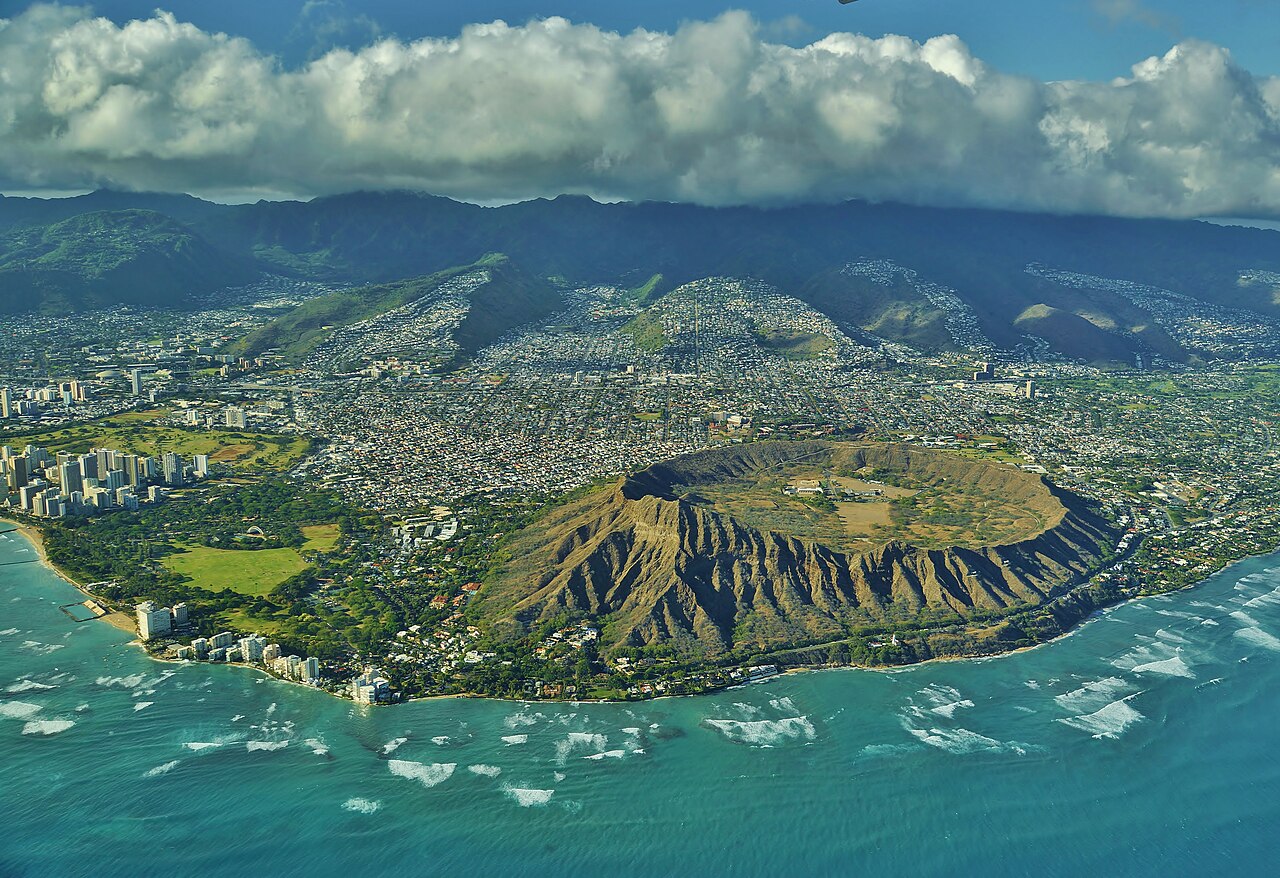
- Source- By Eric Tessmer, CC BY 3.0
- Emergency Connectivity: In the mountains or on remote beaches, having a reliable line to local weather alerts and emergency services is vital.
The Solution: To avoid the high costs of international roaming or the hassle of finding a physical SIM kiosk (which often requires passport registration), securing a Hawaii-compatible eSIM before you fly is the smartest move.
- Instant Activation: An eSIM allows you to connect to local 5G networks the moment you land.
- Seamless Transition: It ensures your digital entry permits are ready, your maps are live for the drive to your accommodation, and you can keep your primary number active for emergencies while using affordable local data for your navigation and translation tools.
4. A Taste of the Islands
Hawaiian cuisine is a sophisticated blend of Polynesian staples and Asian influences. Travelers seeking delicious and traditional options will find a wealth of savory and sweet choices.
- Poke (Tuna or Octopus): The quintessential Hawaiian dish. Fresh, cubed Ahi tuna is marinated in soy sauce, sesame oil, and sea salt, often mixed with Maui onions and seaweed (limu). It is a fresh, protein-rich staple of island life.
- Poi: A thick, starchy paste made from pounded taro root. While its mild, slightly tangy flavor is an acquired taste for some, it is the sacred "soul food" of Hawaii and pairs perfectly with savory fish.
- Huli Huli Chicken: A savory, grilled chicken marinated in a sweet and tangy blend of pineapple juice, soy sauce, and ginger. It is a staple of roadside stands and community gatherings.
- Haupia: A refreshing, gelatin-like dessert made from coconut milk. It is light, subtly sweet, and the perfect way to conclude a meal.
5. The Traveler’s Handbook: Laws and Ecology
Hawaii has introduced several key laws aimed at preserving its delicate ecosystem. Being aware of these will ensure a smooth and respectful trip.
- The "Green Fee" and TAT: As of January 1, 2026, the Transient Accommodations Tax (TAT) has increased. Travelers should expect to pay approximately 18% to 19% in total taxes on hotel and vacation rental bills. This "Green Fee" directly funds the restoration of native forests and coral reefs.
- The 20-Foot Parking Rule: Hawaii’s Act 171 strictly prohibits parking within 20 feet of any crosswalk or intersection. Even without a red curb or "No Parking" sign, rental cars are frequently ticketed or towed for this violation. Always use a parking app or a designated lot in busy areas like Waikiki or Lahaina.
- Plastic Bottle Ban: All Hawaii lodging properties must now provide large refillable bottles or wall-mounted dispensers rather than small plastic toiletry bottles.
- Macadamia Nut Labeling: To protect local farmers, a new law requires clear disclosure if macadamia nuts were not grown in Hawaii. Look for the "Grown in Hawaii" label for authentic souvenirs.
Why Visit Now?
Hawaii is a destination that rewards the mindful traveler. It is a place where you can witness the raw power of a volcano in the morning and the quiet dignity of a royal palace in the afternoon. By securing your digital connection with an eSIM for seamless navigation and traveling with a spirit of "Malama Pono" (to take good care), you can witness the spectacular, enduring soul of the islands for yourself.