
Haiti: Unveiling the Pearl of the Antilles
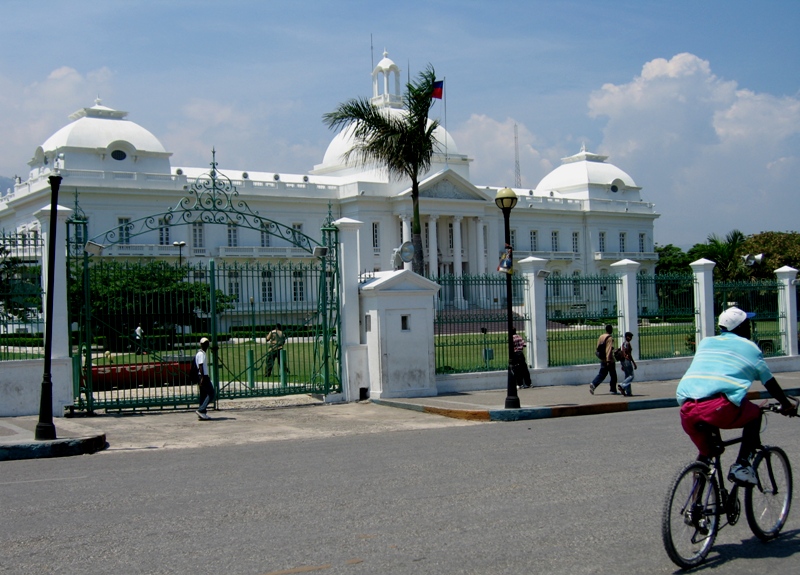
Haiti is not just a destination; it is an experience that stays with you forever. Often called the "Pearl of the Antilles," this Caribbean nation shares the island of Hispaniola with the Dominican Republic, yet it offers a culture, history, and landscape entirely its own.
As the world's first Black republic, Haiti is a place of profound historical significance. It is a land where mountaintop fortresses touch the clouds, where art spills out of studios onto the streets, and where the cuisine is as vibrant as the people. While travel here requires careful planning and a spirit of adventure, the rewards are unmatched.
If you are ready to look beyond the headlines and explore the deep soul of the Caribbean, here is your factual guide to Haiti.
1. The Kingdom in the Clouds: The Citadelle Laferrière
If you visit only one place in Haiti, it must be the Citadelle Laferrière in the north, near Cap-Haïtien. UNESCO has designated it a World Heritage site, but locals simply call it the "Eighth Wonder of the World."
- The Fortress: Built in the early 19th century to defend the newly independent nation against French retaliation, this massive stone fortress sits atop the Bonnet a L’Eveque mountain at 3,000 feet. It is the largest fortress in the Western Hemisphere. The sheer scale of the stone walls, hauling hundreds of cannons up the steep mountainside, is a feat of engineering that rivals the Pyramids.
- Sans-Souci Palace: At the foot of the mountain lies the ruins of the Sans-Souci Palace. Once the royal residence of King Henri Christophe, it was known as the "Versailles of the Caribbean." Although damaged by an earthquake in 1842, its grand staircases and arched windows still hint at its former opulence.
- The Journey: Most travelers access these sites from the city of Cap-Haïtien (or "Le Cap"), a city known for its colonial French architecture and relaxed atmosphere compared to the capital.
2. Jacmel: The Creative Heart
Head to the southern coast to find Jacmel, the artistic capital of Haiti. This sleepy, walkable town is famous for its French colonial buildings with intricate cast-iron balconies, similar to New Orleans but with a distinctly Haitian flair.
- Papier-Mâché: Jacmel is the center of Haitian papier-mâché art. You can walk into workshops and see artisans creating vibrant, surreal masks used in the famous local Carnival. These aren't just souvenirs; they are masterpieces of folklore.
- Bassin Bleu: Just outside Jacmel lies one of the Caribbean’s best-kept secrets. Bassin Bleu is a series of three cobalt-blue pools linked by waterfalls, hidden deep in the lush hills.
- The Experience: To reach the main pool, you often have to rappel down a small rock face (with local guides assisting). The water is cool, mineral-rich, and shockingly blue against the green jungle canopy. It feels prehistoric and untouched.
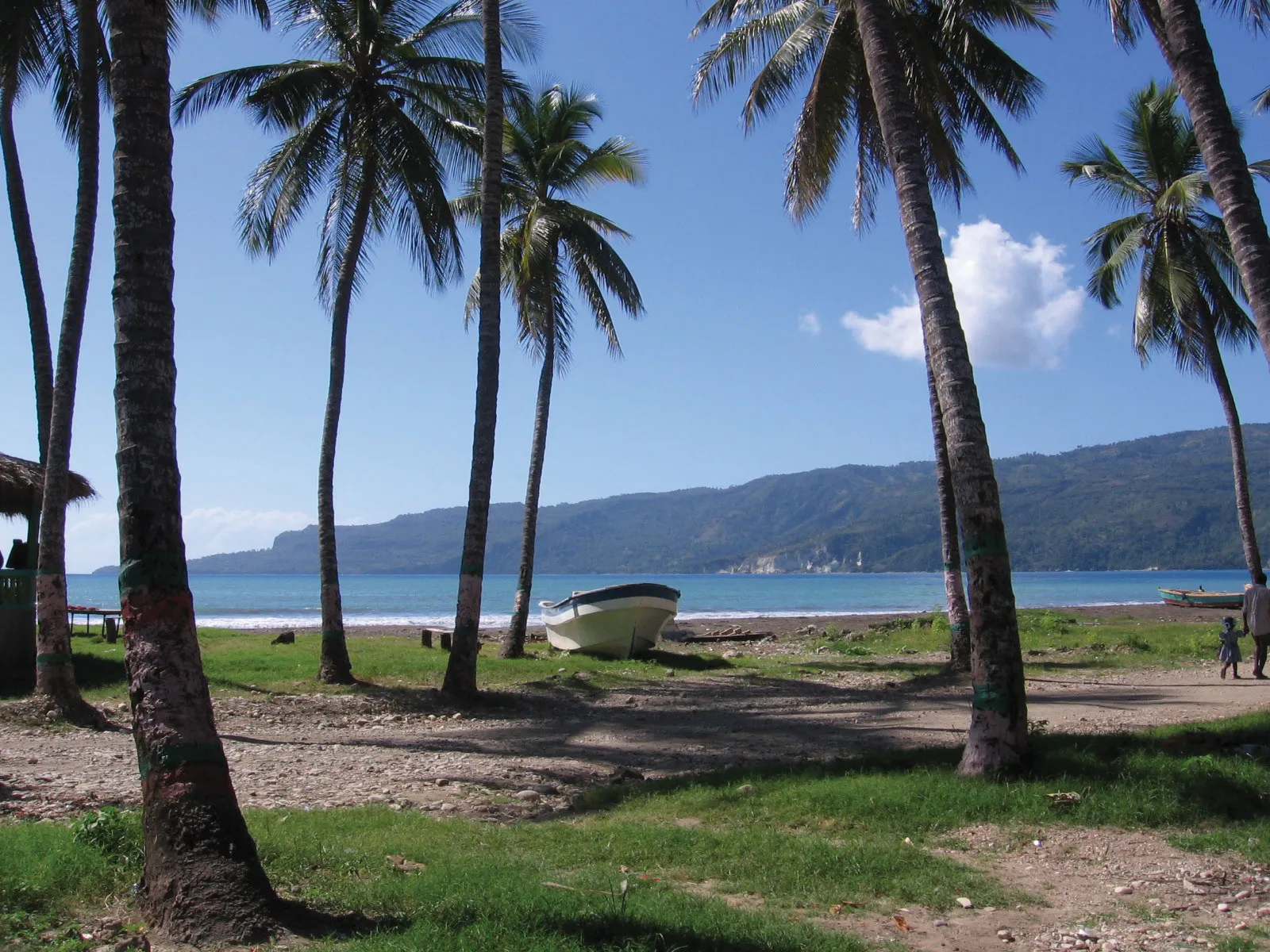
- Source- Britannica
3. The Connectivity Reality: Why You Need an eSIM
Here is a critical logistical tip for your trip. Infrastructure in Haiti can be unpredictable, and staying connected is essential for safety and navigation.
The Roaming Challenge
- Cost: Roaming charges for international carriers in Haiti can be exorbitant. Many providers classify it as "Rest of World," charging high rates per megabyte.
- Reliance: You will need data constantly. Whether it is using WhatsApp to communicate with your local guide (the primary mode of communication here) or using Google Maps to navigate the streets of Cap-Haïtien, a working phone is your lifeline.
The Solution: The eSIM To ensure you have a reliable connection without the shock of a massive bill, purchase a Haiti-compatible eSIM data plan before you fly.
- The Benefit: An eSIM connects you to local networks (like Digicel or Natcom) the moment you land.
- Why it helps: It allows you to translate Kreyòl menus instantly using Google Lens and keep your family updated on your movements. In a country where logistics can change quickly, having immediate access to information is a travel necessity.
4. A Taste of Freedom: Haitian Gastronomy
Haitian food is bold, spicy, and deeply symbolic. It is a fusion of African, French, and Taino influences.
- Soup Joumou: This is more than just soup; it is history in a bowl. Made from squash (pumpkin), vegetables, and beef, this savory yellow soup is traditionally eaten on January 1st to celebrate Independence Day. Under French rule, enslaved people were forbidden from eating it; today, eating it is a proud act of freedom.
- Diri ak Djon Djon: This is the most luxurious rice dish in the country. It is made with black mushrooms (djon djon) native to the north of Haiti. The mushrooms are soaked to release a black coloring and a distinct, earthy flavor that tastes like truffle. It is usually served with green peas and cashews.
- Poulet aux Noix: A specialty of the north (Cap-Haïtien), this is chicken stewed in a rich, savory sauce made from cashew nuts (noix). It is creamy, nutty, and incredibly satisfying.
- Pikliz: You will find a jar of this on every table. It is a spicy pickled slaw made of cabbage, carrots, onions, and fierce Scotch bonnet peppers. It adds a crunchy, acidic kick to any meal.
Why Go Now?
Haiti is not a destination for the passive tourist. It demands respect, patience, and an open mind. But for those who make the journey, it offers a glimpse into a culture of immense pride and creativity. Standing on the ramparts of the Citadelle, looking out over the green mountains and the Atlantic Ocean, you understand why this nation fought so hard for its freedom. It is, undeniably, a place of beauty.