
Guinea: West Africa’s Green Jewel
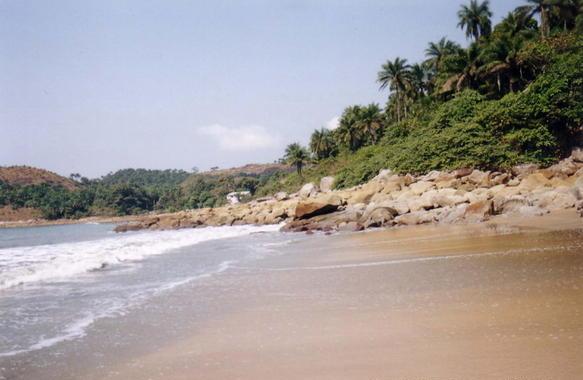
If you are looking for a destination that is completely untouched by mass tourism, Guinea is it. This isn't the kind of place where you’ll find air-conditioned tour buses or polished resorts. It is raw, vibrant, and incredibly green.
Known as the "Water Tower of West Africa," Guinea is the source of twenty-two rivers, including the mighty Niger and Gambia. It offers a landscape that shifts from chaotic coastal cities to cool, mist-covered highlands that look like they belong in Scotland rather than West Africa.
For the traveler who wants to earn their adventure, Guinea is a challenge—but the reward is one of the most stunningly beautiful landscapes on the continent. Here is your factual guide to the land of the Fouta Djallon.
1. Conakry: The Pulse of the Nation
Your journey begins in Conakry, a city that sits on a long, narrow peninsula jutting into the Atlantic.
- The Vibe: Conakry is intense. It is loud, humid, and constantly moving. But within the chaos, there is culture.
- The Grand Mosque: This is the city’s landmark. Built with funding from Saudi Arabia, it is one of the largest mosques in West Africa. It can hold 10,000 worshippers. The architecture is stunning, with tall, slender minarets rising above the botanical gardens. Note: Dress modestly; women must cover their heads to enter.
- The National Museum: Small but significant, it houses masks, statues, and instruments from Guinea’s various ethnic groups. It’s a quiet break from the city noise and a great history lesson.
2. Fouta Djallon: The Hiking Capital of West Africa
The real reason to come to Guinea is the Fouta Djallon. This massive highland region in the center of the country is a hiker’s paradise.
- The Landscape: Imagine rolling green hills, sandstone canyons, and waterfalls around every corner. The climate here is cooler and fresher than the coast.
- The Waterfalls: You have to hike to see them. Kambadaga Falls is a three-tiered giant that crashes into a deep gorge. Ditinn Falls is the highest, a single plume of water dropping 120 meters down a sheer cliff.
- Doucki: This small village is legendary among travelers. It is run by a local guide named Hassan, who takes visitors on treks through "Guinea’s Grand Canyon," squeezing through rock fissures and climbing vine ladders. It is adventurous, physical, and absolutely breathtaking.
3. The Connectivity Reality: Why You Need an eSIM
Here is a logistical reality check. Guinea is a developing nation where infrastructure can be unpredictable.
The Registration Struggle
- The Law: Guinea enforces strict SIM card registration. To buy a local SIM (Orange or MTN), you must go to an official agency, present your passport and visa, and have your fingerprints and photo taken. The systems often go offline, meaning you could spend your first half-day in Conakry waiting in a plastic chair.
- The Coverage: While cities have 4G, the Fouta Djallon region can be spotty. You will need a reliable connection to check offline maps or contact your guide if a road is washed out.
The Solution: The eSIM To bypass the bureaucracy and the wait times, purchase a Guinea-compatible eSIM data plan before you fly.
- Why? An eSIM allows you to connect to local networks immediately upon landing at Conakry International Airport (CKY).
- The Benefit: You can use Google Translate to communicate with taxi drivers (French is the official language, but many speak Susu or Pular) and use WhatsApp to coordinate your transport to the interior. It is a safety net that allows you to hit the ground running.
4. Îles de Los: The Island Escape
Just a short pirogue (wooden boat) ride from Conakry lie the Îles de Los.
- The Contrast: If Conakry is the stress, these islands are the valium. The water is calm, and the pace is slow.
- Roume Island: This was the inspiration for Robert Louis Stevenson’s Treasure Island. It is quiet, with golden sand beaches and clear water. It is the perfect place to wash off the red dust of the highlands.
- Kassa: The most accessible island, popular with locals on weekends. It has a festive atmosphere with music and grilled fish on the beach.
5. Mount Nimba: The Forbidden Mountain
In the far southeast lies the Mount Nimba Strict Nature Reserve, a UNESCO World Heritage site shared with Côte d'Ivoire.
- The Biodiversity: It is home to unique species found nowhere else, like the viviparous toad (a toad that gives birth to live young instead of laying eggs).
- The Access: This is for serious nature lovers. Access is strictly controlled to protect the environment, and you need a guide and a permit. It is rugged, remote, and feels like the edge of the world.
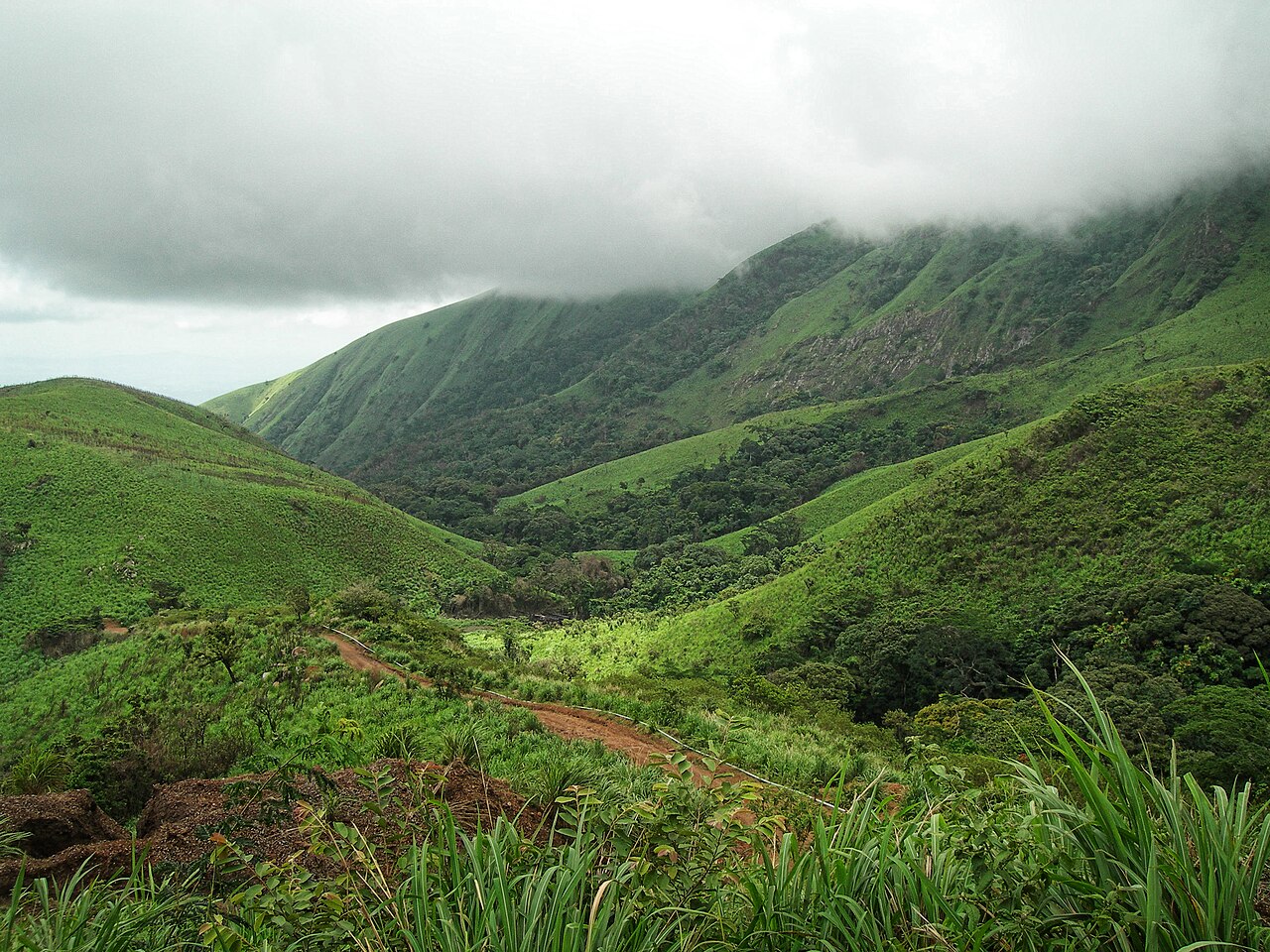
- Source- Guy Debonnet, CC BY-SA 3.0 IGO, via Wikimedia Commons
6. Practical Survival Tips
The "Yellow Card" is Mandatory
- Health: You cannot enter Guinea without a valid Yellow Fever vaccination certificate. They will check this at the airport before you even reach immigration.
Money Matters
- Currency: The Guinean Franc (GNF).
- Cash Only: Guinea is a cash economy. Credit cards are accepted only in the top 5-star hotels in Conakry. You need to bring Euros or US Dollars (pristine notes only, printed after 2013) to exchange at forex bureaus. ATMs are available in major cities but often run out of cash.
Language
- French: It is the official language. English is rarely spoken outside of the mining community and high-level business. A few phrases of French are essential for survival.
Why Go Now?
Guinea is not the easiest country to travel in. The roads are pot-holed, the transport is slow, and the infrastructure is basic. But that is exactly the appeal. It is a place where adventure is still genuine. When you stand at the top of a waterfall in the Fouta Djallon, looking out over miles of green canyon with not a single other tourist in sight, you realize that the effort was entirely worth it.