
Grenada: The Caribbean’s Spice-Scented Secret
Source: Britannica
If you close your eyes in Grenada and take a deep breath, you don’t just smell the ocean. You smell nutmeg. You smell cocoa, cinnamon, and rich, wet earth.
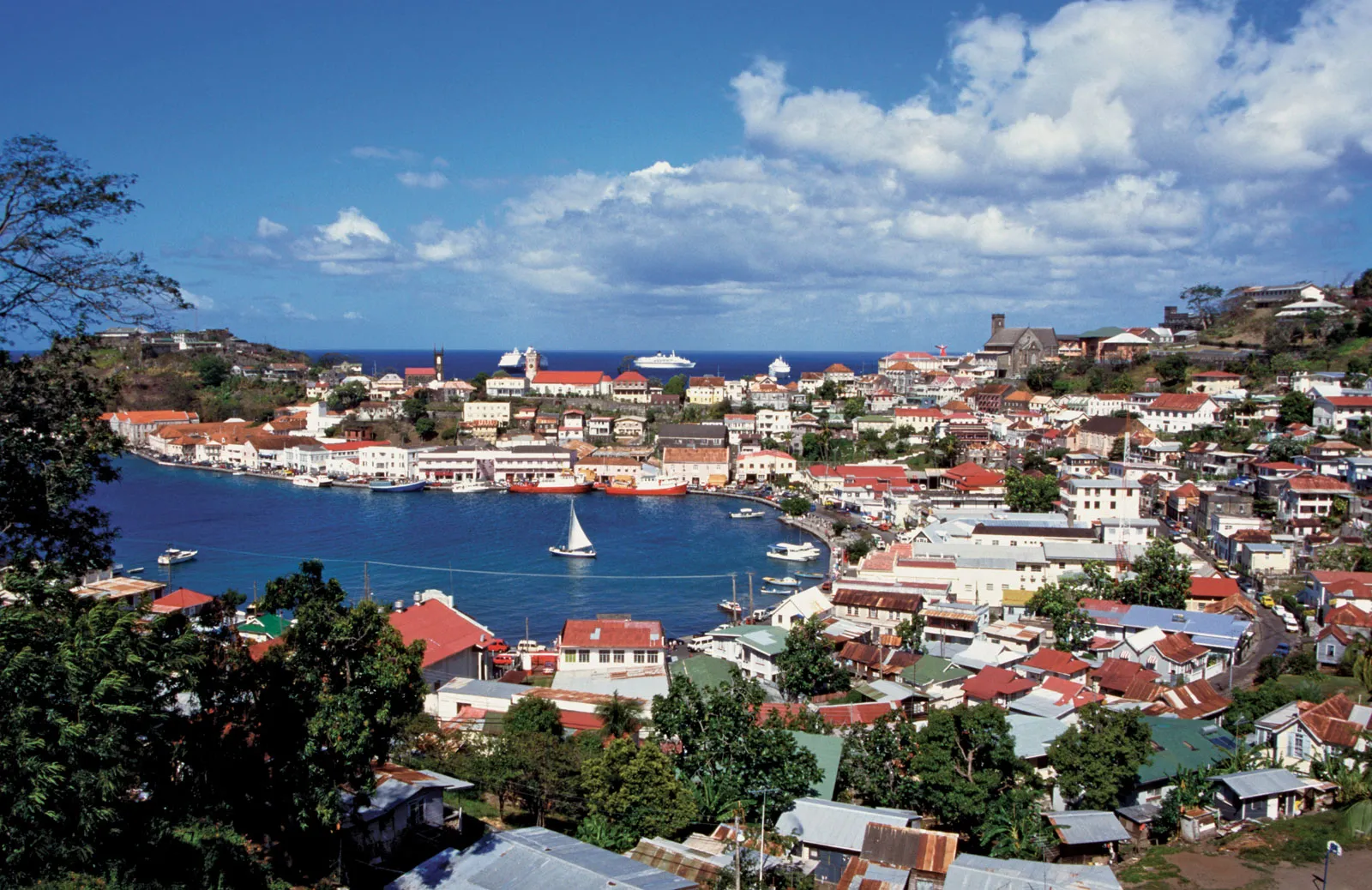
Known as the "Spice Isle," Grenada is often overshadowed by its noisier neighbors like Barbados or St. Lucia. But this lack of mass tourism is exactly why you should go. It is one of the few places in the Caribbean that feels genuinely lived-in rather than staged for visitors. It’s a place where the rainforest crashes into the sea, where chocolate is made from bean to bar on-site, and where the welcome is as warm as the trade winds.
If you are ready to trade the mega-resorts for boutique charm and winding mountain roads, here is your factual guide to Grenada.
1. The "Grand" and the Quiet: Choosing Your Beach
Grenada’s coastline is jagged and green, hiding dozens of coves.
- Grand Anse Beach: This is the postcard. Two miles of blindingly white sand and calm turquoise water. It is the most popular spot on the island, lined with hotels and beach bars (try Umbrellas for a burger). Despite its popularity, no building is allowed to be taller than a coconut tree, preserving the view.
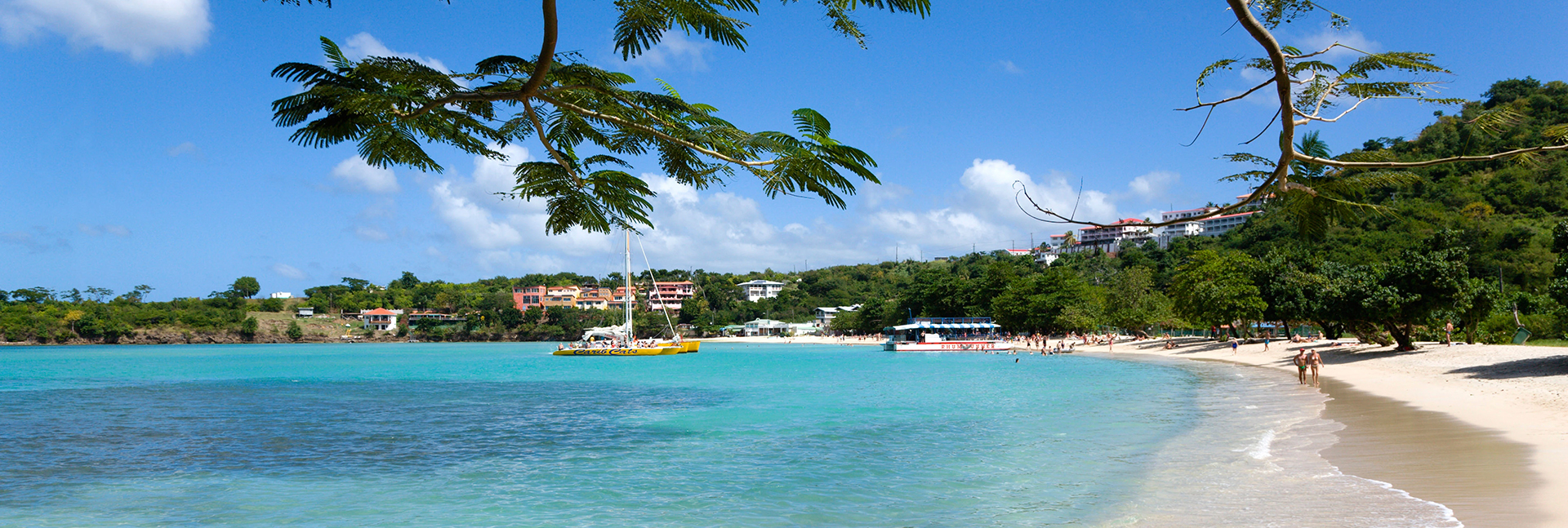
- Morne Rouge (BBC Beach): If Grand Anse is for the scene, Morne Rouge is for the soul. Located just around the headland, it is a horseshoe-shaped bay with water so calm it looks like glass. It is often empty on weekdays.
- Tip: The water here is shallow for a long way out, making it the perfect spot for a lazy afternoon floating with a rum punch.
Source- Grenada Tourism Authority
2. The Underwater Gallery: Molinere Bay
You cannot visit Grenada without seeing the Molinere Underwater Sculpture Park. Created by artist Jason deCaires Taylor, it was the first of its kind in the world.
- The Sights: The most famous piece is Vicissitudes, a circle of life-sized children holding hands. Over time, the ocean has claimed the art; coral grows on the faces, and fish swim through the limbs. It is haunting, beautiful, and strictly protected.
- How to see it: You don't need to be a diver. The sculptures are shallow enough (3–5 meters) to be seen clearly while snorkeling.
3. The Connectivity Reality: Why You Need an eSIM
Here is a logistical reality check. Grenada is mountainous, and the roads are notoriously winding and often poorly signed.
The Navigation Challenge
- The "Shortcuts": Google Maps is essential here. A wrong turn can lead you down a steep, single-lane farm track. You need live GPS to navigate the route to remote spots like the Seven Sisters Waterfalls.
- The Safety Net: While the island is generally safe, hiking in the rainforest or driving at night requires a connection. Reliance on spotty hotel Wi-Fi isn't enough when you are out exploring.
The Solution: The eSIM Roaming charges for US, UK, and European carriers in the Caribbean can be astronomical (often classified as "Zone 3" or "Rest of World").
- The Fix: Purchase a Grenada-compatible eSIM data plan before you fly.
- Why? An eSIM connects you to the local network (Flow or Digicel) the moment you land at Maurice Bishop International Airport. It allows you to use WhatsApp to call your taxi driver (local calls are rare; everyone uses data) and look up restaurant reviews on the go. It is the single best tool for a smooth trip.
4. The Chocolate & Spice Trail
Grenada produces about 20% of the world's nutmeg. You will see the yellow fruit and its red, lacy covering (mace) drying on the side of the road everywhere.
- Belmont Estate: Go here for the chocolate. It is a fully functioning 17th-century plantation. You can watch the cocoa beans being fermented, dried, and roasted, and then taste the high-quality dark chocolate produced on-site. It is "tree-to-bar" in the truest sense.
5. Into the Rainforest: Grand Etang
Drive inland, and the temperature drops. The Grand Etang National Park is the heart of the island.
- The Lake: The park is centered around a crater lake in an extinct volcano.
- The Mona Monkeys: You will likely encounter Mona monkeys near the visitor center. They were introduced from West Africa centuries ago and are now endemic to the island.
- Seven Sisters Waterfalls: This is the best hike on the island. It’s a muddy, 45-minute trek down through a nutmeg plantation to reach a series of cascading pools. You can jump from the top of the falls into the deep, cool water below.
6. Practical Survival Tips
- Currency: The Eastern Caribbean Dollar (XCD). It is pegged to the US Dollar (approx 2.70 XCD = 1 USD). USD is accepted almost everywhere, but you will get change in XCD.
- Driving: They drive on the left. Be prepared for steep hills and drivers who use their horns to say "hello," "thank you," and "watch out."
- Food: Try Oil Down, the national dish. It’s a one-pot stew of breadfruit, dumplings, salted meat, and calligraphy (local spinach) cooked in coconut milk and turmeric. It is heavy, hearty, and delicious.
Why Go Now?
Grenada is currently in a "sweet spot." It has the luxury boutique hotels and the fine dining, but it hasn't lost its agricultural soul. You can eat a 5-star meal and then drive ten minutes to watch a farmer harvest cocoa with a machete. It is vibrant, flavorful, and refreshingly real.