
Germany: The Land of Poets, Thinkers, and Precise Chaos
There is a version of Germany that exists in the collective imagination: a land of lederhosen, giant pretzels, and punctual trains. And while you can certainly find all three, the reality of modern Germany is far more complex—and arguably more interesting.
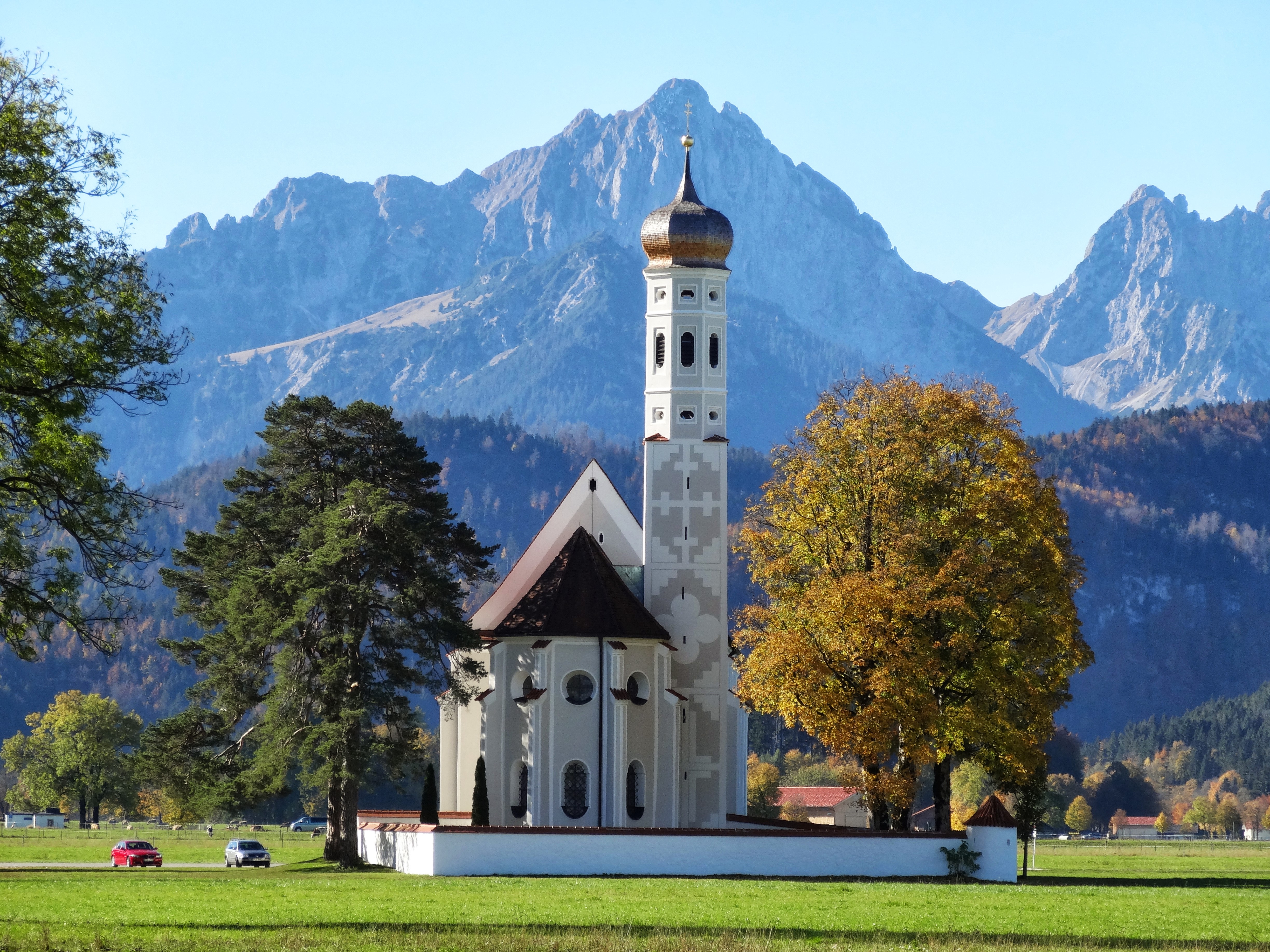
Germany is a federal republic of 16 distinct states (Bundesländer), each with a personality so strong it feels like a different country. In the north, the wind-battered brick architecture of Hamburg feels like Scandinavia. In the south, the baroque onion domes of Bavaria look toward Italy. In the east, the brutalist concrete of Berlin tells the story of a century of conflict.
If you are ready to look beyond the Oktoberfest tent, here is your factual guide to navigating the Bundesrepublik.
1. Berlin: The Capital
While gentrification has raised the prices in Berlin, the spirit remains. Berlin is not polished. It is a city of graffiti, techno, and heavy history.
- The History: You cannot avoid it. The Berlin Wall Memorial at Bernauer Straße is essential; unlike the painted "East Side Gallery," this section preserves the "death strip" to show the terrifying reality of the division. Visit the Reichstag (parliament) to walk up the glass dome—it is free, but you must book online weeks in advance.
- Tempelhofer Feld: This is unique to Berlin. It is a massive former Nazi-era airport that was turned into a public park in 2010. Today, instead of planes, you see locals kitesurfing on the runways and growing vegetables in community gardens.
- The Vibe: Berlin runs on its own clock. For a more relaxed evening, sit by the Landwehr Canal in Kreuzberg.
2. Bavaria: The Postcard Germany
If you want the fairytale, you go south to Munich and the Alps.
- Munich: It is wealthy, clean, and conservative—the polar opposite of Berlin. Visit the English Garden (which is larger than New York’s Central Park) to watch surfers ride the artificial standing wave on the Eisbach river. It happens year-round, even in snow.
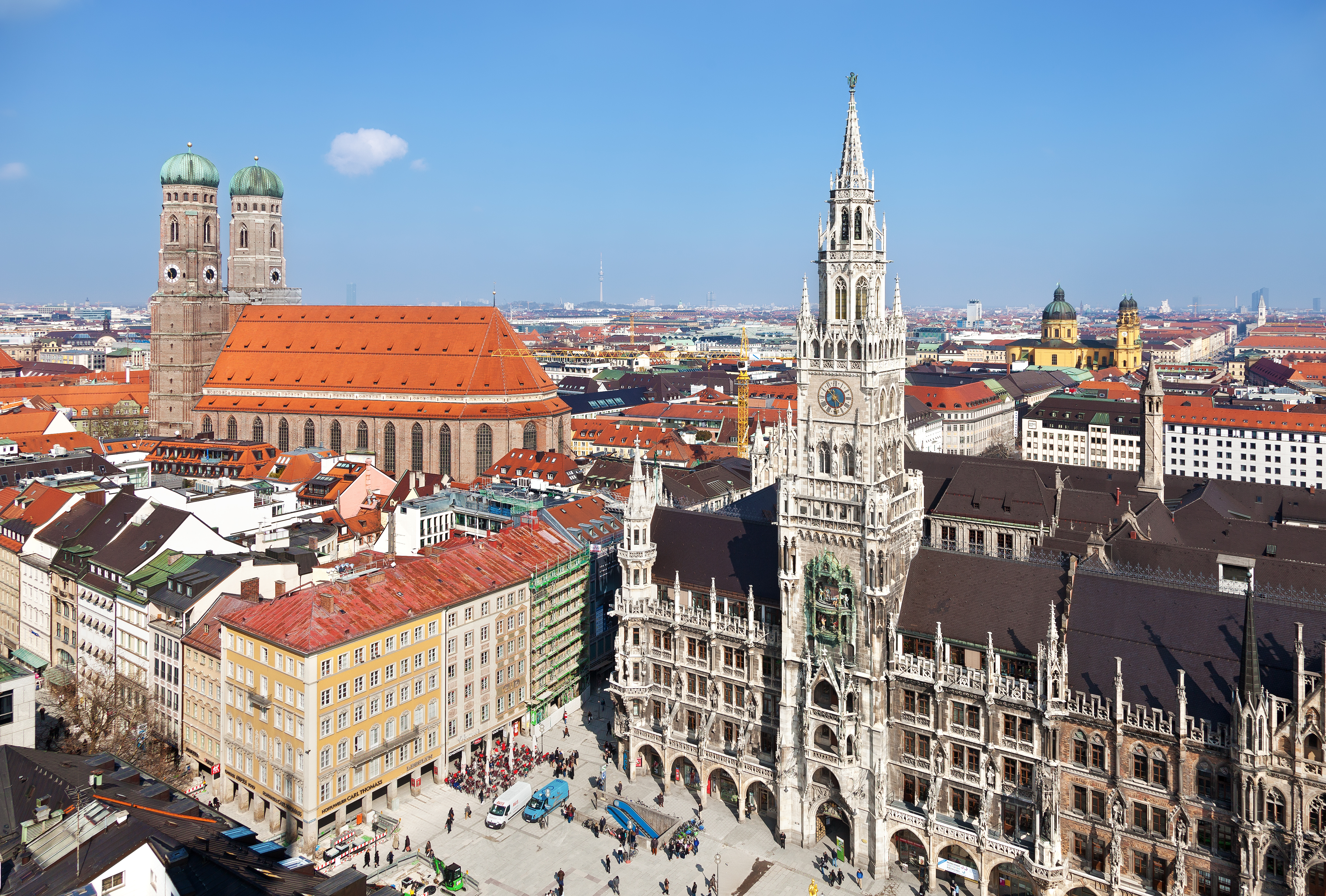
- Source- Thomas Wolf, www.foto-tw.de, CC BY-SA 3.0 DE, via Wikimedia Commons
- The Castles: Yes, Neuschwanstein is crowded. It was the inspiration for Disney’s castle, and it sees 6,000 visitors a day. Pro tip: The bridge (Marienbrücke) offers the famous view, but if you cross the bridge and hike 15 minutes further up the mountain, you get a better view with zero crowds.
- The Beer Halls: The Hofbräuhaus is for tourists. For a local experience, go to the Augustiner-Keller. The rule is simple: you can bring your own food (picnic style), but you must buy the drinks there.
3. The Connectivity Reality: Why You Need an eSIM
Here is a logistical reality check that surprises many first-time visitors: Germany is not as digital as you think.
While the country is technically advanced, it lags behind neighbors like the Netherlands or Scandinavia in terms of free public Wi-Fi. Strict privacy laws (known as Störerhaftung) historically made businesses hesitant to offer open Wi-Fi, and the culture hasn't fully caught up.
The Navigation & Translation Gap
- Transport: The German train system (Deutsche Bahn) is complex. Platforms change last minute. You need the DB Navigator app to track live delays and find your carriage.
- Language: While English is widely spoken in cities, menus in rural Franconia or the Black Forest will be in German. You need Google Lens to translate Spätzle (egg noodles).
The Solution: The eSIM Roaming charges for non-EU travelers can be steep. To navigate the trains and translate the menus, purchase a Germany-specific eSIM data plan before you fly.
- Why? Buying a physical SIM card in Germany is bureaucratic. Since 2017, anti-terror laws require you to register your passport and video-verify your identity to activate a prepaid SIM. This can take hours and often requires a German address.
- The Benefit: An eSIM bypasses this. You connect to local networks (Telekom, Vodafone, or O2) the moment you land. It is the difference between seamlessly jumping on an S-Bahn train or standing confused at a ticket machine.
4. The "Autobahn" vs. The "Bahn"
Getting around Germany is half the experience.
- The Train (Deutsche Bahn): The train network is incredibly extensive. You can get to almost any tiny village by rail. However, the stereotype of German punctuality dies here. As of 2024/2025, long-distance trains have faced significant delays. Always pad your connection times. If the app says a 5-minute transfer is possible, do not believe it. Give yourself 20 minutes.
- The Autobahn: Yes, there are sections with no speed limit. They are marked by a white circular sign with five diagonal black lines. However, much of the Autobahn is limited to 120km/h or 130km/h due to construction (Baustelle). If you drive, stay out of the left lane unless you are overtaking. If you are doing 150km/h, someone will appear behind you doing 200km/h.
5. Cash is King ("Nur Bares ist Wahres")
This is the most important cultural tip for Americans and Brits. Germany loves cash.
- The Reality: While the pandemic forced many places to accept cards, you will still find bakeries, kiosks, and traditional restaurants that are "Cash Only" (Barzahlung).
- The ATM: Always carry €50 in cash. Do not use the freestanding "Euronet" ATMs found in tourist centers; they charge massive fees. Use ATMs attached to real banks like Sparkasse, Deutsche Bank, or Volksbank.
6. The Romantic Road and The Black Forest
If you have a car, drive the Romantic Road (Romantische Straße).
- Rothenburg ob der Tauber: This is the best-preserved medieval walled town in Germany. It is incredibly touristy, but for a reason. Go early in the morning (before 9:00 AM) or late at night to walk the city walls without the bus tours.
- The Black Forest: This is the home of the cuckoo clock and the brothers Grimm fairy tales. Skip the tourist trap of Titisee and head to Triberg for the waterfalls, or hike the Ravennaschlucht (Ravenna Gorge).
7. Food: Beyond the schnitzel
German food is heavy, hearty, and delicious.
- Bread (Brot): Germany has over 3,000 types of bread. It is a UNESCO cultural heritage. Go to a bakery (Bäckerei) and order a Brötchen (roll) with cheese for breakfast. Do not buy supermarket toast bread; it is considered a crime against taste.
- Döner Kebab: This is arguably the most popular street food in Germany, brought by Turkish guest workers in the 60s and 70s. A Berlin Döner is a crispy flatbread filled with grilled meat, salad, and garlic sauce. It costs about €6-€8 and is better than any fast food burger.
- Spargelzeit: If you visit in spring (April-June), you will see "White Asparagus" everywhere. The entire country goes crazy for it. Restaurants create special "Spargel" menus. It is served with hollandaise sauce, and potatoes.
Why Go Now?
Germany is a country that is constantly reinventing itself. It is a place where you can stand in a Roman amphitheater in Trier, drive a Porsche on the Autobahn, and dance in a repurposed power plant in Berlin—all in the same weekend. It is efficient yet chaotic, modern yet deeply traditional. Just remember to bring cash, download your eSIM, and never, ever walk in the bike lane.