
Gabon: Africa’s Last Eden (and Why You Probably Haven’t Heard of It)
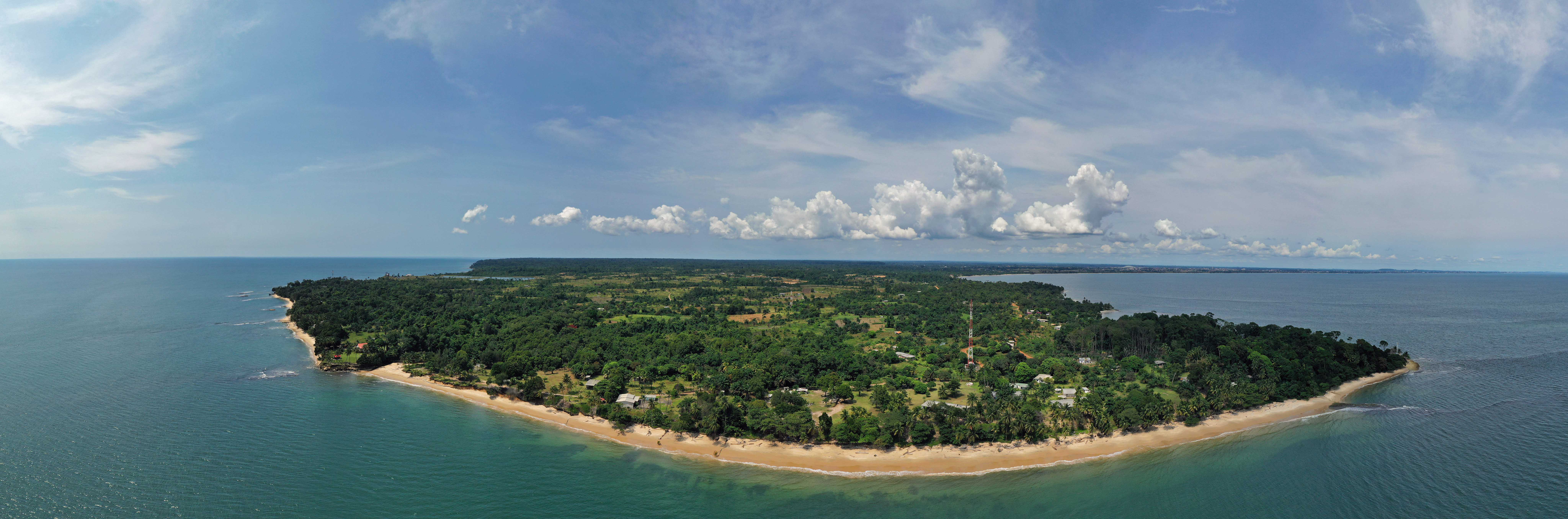
If you look at a map of Central Africa, you will find a country roughly the size of the UK, covered in 88% dense rainforest. This is Gabon.
It is not a budget destination. It is not an easy destination. It is a place where tourism is so new that you might be the only foreigner in a national park the size of a small European country. But for those willing to brave the bureaucracy and the price tag, Gabon offers something almost extinct in the modern world: true, unmanicured wilderness.
This is the land where elephants walk on the beach, hippos surf in the Atlantic waves, and gorillas inhabit forests that have never been logged. If you are ready for the deep end of travel, here is your factual guide to the "Last Eden."
1. Loango National Park: The "Land of Surfing Hippos"
You are here for Loango. Located on the coast, this park is world-famous for a phenomenon that sounds like a cartoon plot but is entirely real: surfing hippos.
- The Phenomenon: During the rainy season, the forest animals—forest elephants, red river hogs, buffalo, and hippos—leave the dense jungle to graze on the open grassy savannahs right next to the beach. Occasionally, the hippos venture into the ocean to cool off, looking like they are body-surfing the Atlantic rollers.
- When to Go: Timing is critical.
- Surfing Hippos & Beach Elephants: You must visit between November and April (the rainy season). In the dry season, the animals retreat deep into the forest.
- Whale Watching: From July to September, Humpback whales migrate past the coast. You can see them breaching from the beach.
- The Reality Check: Seeing a hippo in the surf is rare. It requires patience and a good guide. But seeing forest elephants walking on the sand is almost guaranteed in season. It is a surreal sight—a prehistoric giant strolling past driftwood and crashing waves.
2. Lopé National Park & The Trans-Gabon Railway
To get to the center of the country, you take the train. The Trans-Gabon Railway runs from Libreville to Franceville, cutting through the heart of the jungle. It is an adventure in itself (expect delays and shaky air conditioning).
Your stop is Lopé National Park.
- The Landscape: Unlike the dense jungle of the rest of the country, Lopé is a mosaic of rainforest and ancient savannah. It looks like the Africa of 10,000 years ago.
- The Mandrills: Lopé is one of the best places in the world to see Mandrills (the colorful primates that look like Rafiki from The Lion King).
- The Event: In July and August, huge hordes of hundreds of mandrills gather in the park. It is one of the largest primate gatherings on earth. Tracking them on foot with a radio-collar guide is an adrenaline-pumping experience; they are loud, colorful, and fast.
3. The Connectivity Reality: Why You Need an eSIM
This is the most critical logistical tip for your trip. Gabon is a modern, oil-rich nation, but its telecommunications bureaucracy is stuck in the past.
The "Sim Card" Headache Buying a local SIM card is not a simple transaction. It involves finding an official agency (often closed for long lunch breaks), presenting your passport and visa, and sometimes waiting 24 hours for the activation to process. Street vendors can no longer legally activate SIMs for tourists.
The Language & Safety Gap
- Language: The official language is French. English is virtually non-existent outside of high-end hotels. You will need Google Translate to read menus, talk to taxi drivers, or negotiate in markets.
- Navigation: Libreville is sprawling and addresses are vague. You need Google Maps or Waze to find your way.
The Solution: The eSIM To ensure safety and ease of travel, purchase a regional African or Gabon-specific eSIM data plan before you fly.
- Why? An eSIM allows you to connect to local networks immediately upon landing at Léon-Mba International Airport (LBV).
- The Benefit: You avoid the bureaucracy entirely. You can order a taxi, translate "I am allergic to peanuts," and pull up your hotel confirmation the second you touch down. In a country where logistics are difficult, a working data connection is your most valuable tool.
4. Pongara National Park: The Turtle Nursery
Just a short boat ride across the estuary from the capital, Libreville, lies Pongara.
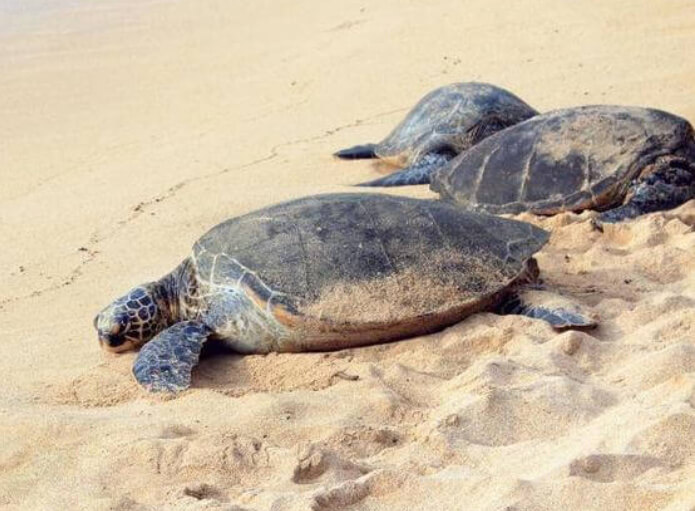
- The Leatherbacks: This stretch of beach is one of the most important nesting sites in the world for the Leatherback Turtle, the largest sea turtle on earth.
- The Season: Visit between November and February. At night, you can watch these 1,500-pound dinosaurs haul themselves out of the ocean to lay eggs. It is a silent, ancient ritual that happens under the cover of darkness.
- The Hatchlings: If you visit between January and April, you might see the babies erupting from the sand and scrambling to the water.
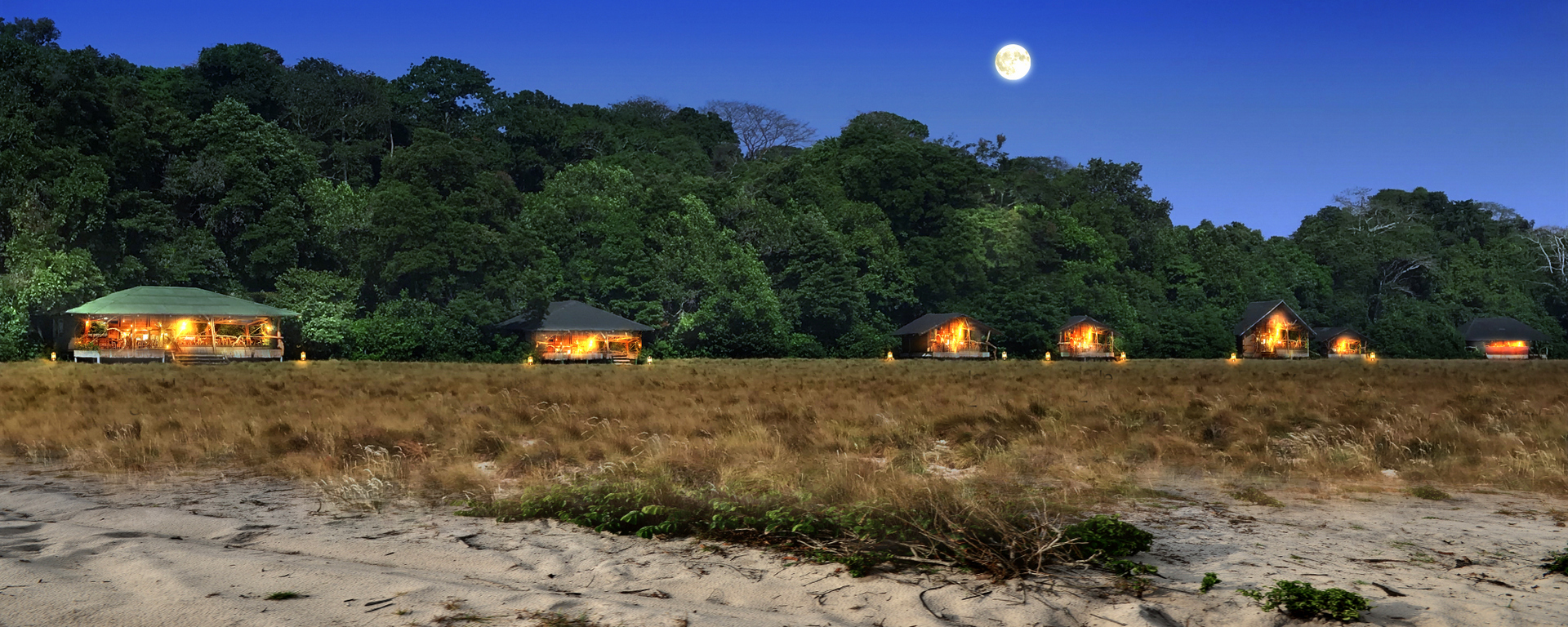
- Source- Gabon Wildlife Camps & Safaris
- Source- Gabon Wildlife Camps & Safaris
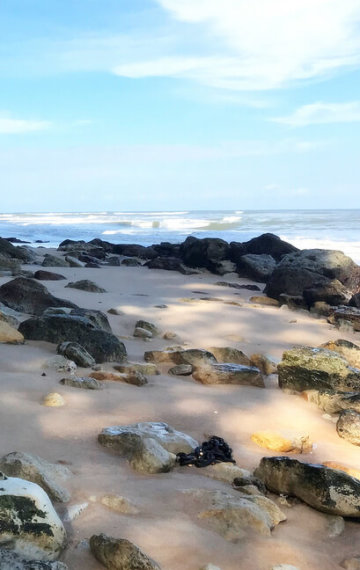
- Source- Gabon Wildlife Camps & Safaris
5. Libreville: The Champagne Capital
The capital, Libreville, will surprise you. Fueled by oil money, it is one of the most expensive cities in Africa.
- The Vibe: The seafront (Bord de Mer) is lined with massive sculptures and palm trees. You will see Ferraris parked next to street sellers.
- Mont-Bouët Market: This is the largest market in the country. It is chaotic, loud, and intense. You can buy anything from wax print fabrics to traditional medicines. Warning: Watch your pockets and do not take photos here—locals can be aggressive about photography.
- St. Michael’s Church (Église Saint-Michel): A must-visit. The church is famous for its 31 massive wooden columns, carved by a blind local craftsman. Each column depicts a scene from the Bible with an African twist.
6. Practical Survival Tips
The "Yellow Card" is Non-Negotiable
- Entry Rule: You cannot enter Gabon without a valid Yellow Fever vaccination certificate. They check it before they even look at your passport. If you don't have it, you will be vaccinated at the airport (for a fee) or denied entry.
Money Matters
- Currency: The Central African CFA Franc (XAF). It is pegged to the Euro.
- Cash is King: Credit cards are accepted only in the top international hotels (Radisson, Hilton). For everything else—taxis, meals, guides—you need cash. ATMs are reliable in Libreville but non-existent in the national parks. Bring plenty of Euros to exchange.
Photography is Sensitive
- The Rule: Do not photograph the Presidential Palace, the airport, bridges, or any military/police personnel. You will be detained and your camera will be confiscated. When in doubt, keep the camera hidden.
Why Go Now?
Gabon is currently pivoting from an oil-based economy to "Green Oil"—eco-tourism. The government is investing heavily in protecting its 13 national parks (created in 2002). Visiting now supports this conservation model. It tells the world that a standing forest is worth more than a logged one. It is a trip that requires patience and a healthy budget, but standing on a beach with a wild elephant is a memory that money usually can't buy.