
French Polynesia: Beyond the Overwater Bungalow
Source: Britannica
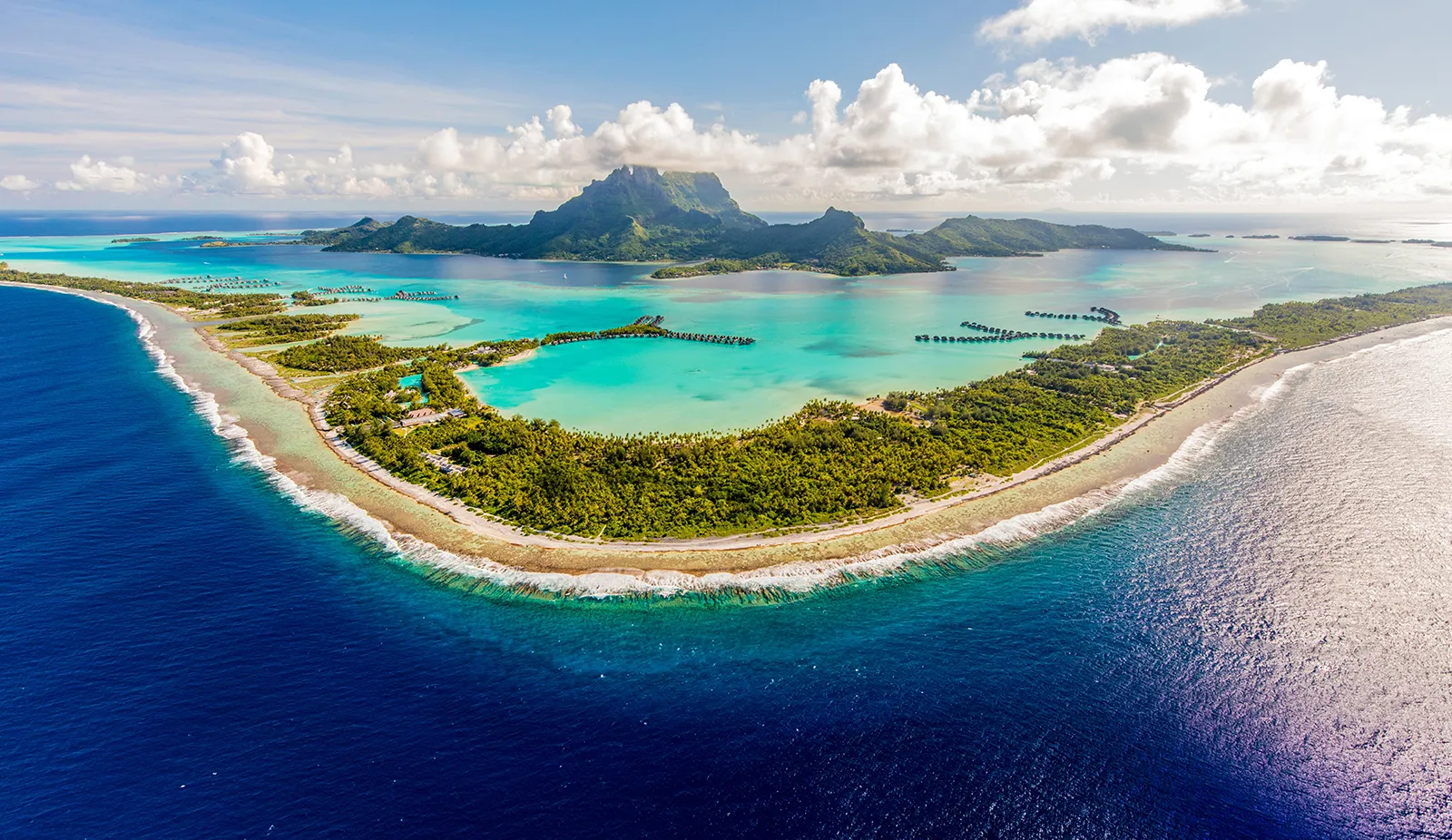
When you close your eyes and picture paradise, you probably see French Polynesia. But chances are, you’re seeing a very specific, manicured version of it: the wooden walkway of a St. Regis resort in Bora Bora.
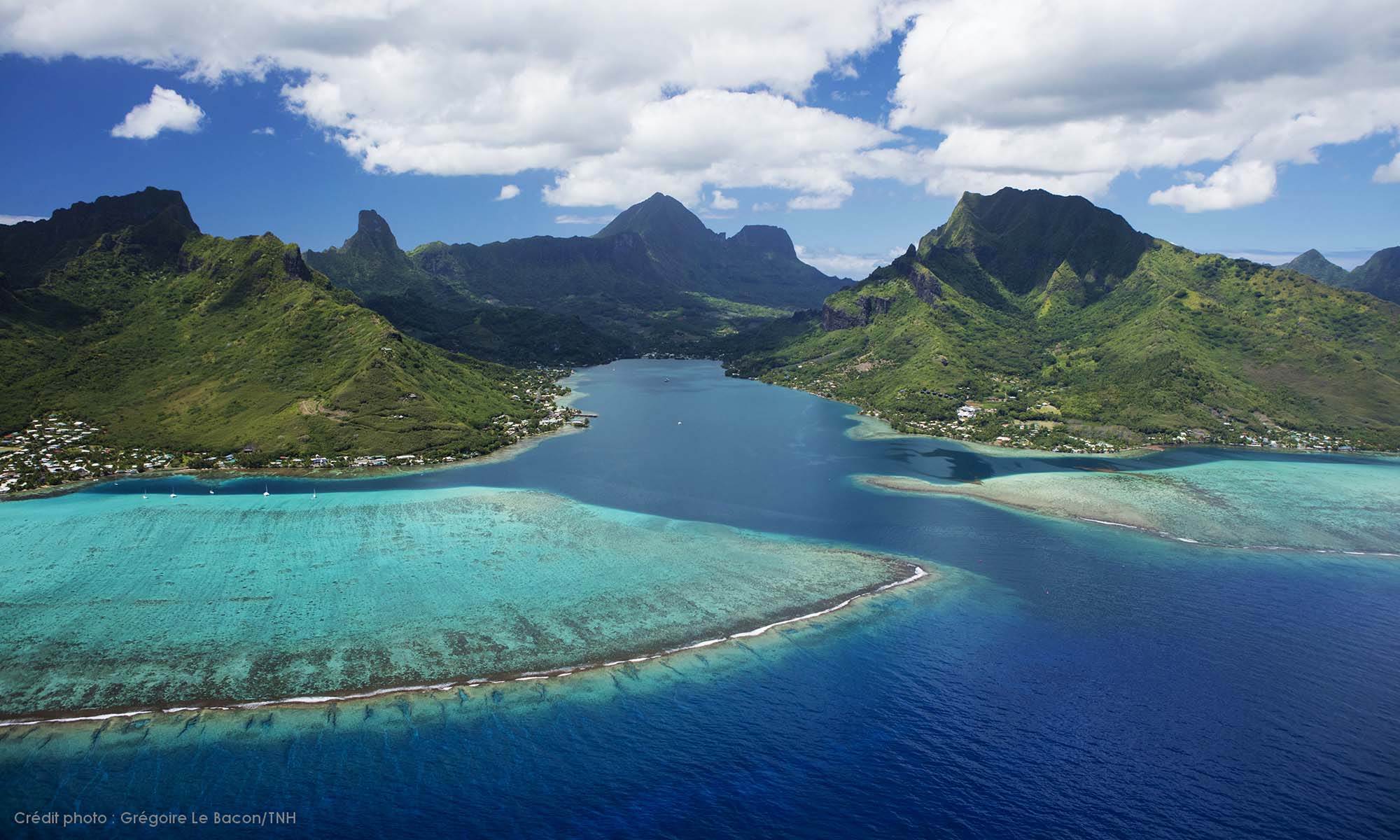
That version is beautiful, yes. But it is just the front cover of a very thick, very complex book. French Polynesia is scattered across an area of the ocean the size of Western Europe. It includes islands that look like Scottish highlands (The Marquesas), atolls that consist entirely of coral rings (The Tuamotus), and mountains so jagged they look like dragon’s teeth (Moorea).
If you are ready to visit the real Tahiti—the one that smells of tiare flowers and grilled fish, not just luxury linen—here is your factual guide to the islands of Mana.
1. The Three Archipelagos You Need to Know
Most visitors stick to the Society Islands, but the true magic happens when you venture further out.
The Society Islands (The Classics)
- Moorea: If you can only visit one island, make it Moorea. A 30-minute high-speed ferry from Tahiti, it offers the perfect balance. You can hike the "Three Coconuts Pass" in the morning and swim with stingrays in the afternoon. It is less polished than Bora Bora, but far more dramatic.
- Source- Tahiti.com. Photo by Gregoire Le Bacon
- Huahine: Known as the "Garden Island," this is where you go to slow down. It’s wild, lush, and full of ancient Polynesian temples (marae). The vibe here is sleepy and authentically Polynesian.
The Tuamotus (The Infinite Aquarium)
- Rangiroa & Fakarava: These aren't islands in the traditional sense; they are atolls—thin strips of land ringing massive lagoons.
- The Dive: This is arguably the best diving in the world. In Fakarava’s "Wall of Sharks," you can drift dive through a channel with hundreds of grey reef sharks swimming below you. It isn't scary; it’s hypnotic.
The Marquesas (The Wild North)
- Nuku Hiva & Hiva Oa: These islands have no lagoons. They are sheer volcanic cliffs dropping straight into the dark ocean. This is the cultural heart of Polynesia, famous for intricate tattoos, wood carving, and wild horses roaming the valleys. It feels more like Jurassic Park than a beach resort.
2. Understanding Mana
You will hear the word Mana constantly. It is the most important concept in the islands.
- What it is: It is a spiritual life force that connects all living things—the land, the sea, and the people. It isn’t just a folklore term; it is something you feel when you stand in a sacred valley or watch a massive wave crash on the reef.
- How to respect it: When visiting a marae (ancient stone temple), do not stand on the stones. These are sacred places. Treat the ocean with the same reverence; never touch the coral or harass the marine life.
3. The Connectivity Reality: Why You Need an eSIM
Here is a logistical reality check that catches many travelers off guard: French Polynesia is incredibly remote.
While the 5-star resorts have Wi-Fi, once you leave the lobby, you are often on your own. The moment you step onto a boat, a hiking trail, or a rental scooter, you lose your connection.
The "Lagoon" Navigation Problem
- The Scenario: You rent a small boat or a jet ski to explore the lagoon (a must-do activity). The lagoons are massive mazes of coral heads (patates) that can damage a boat.
- The Fix: You need satellite imagery on Google Maps to navigate the channels safely.
- The Logistics: Ferries between islands (like the Aremiti or Maupiti Express) often change schedules based on swells. You need real-time updates to avoid being stranded at the dock.
The Roaming Trap For most US, UK, and European carriers, French Polynesia is classified as "Zone 3" or "Rest of World."
- The Cost: Turning on your home data plan here can cost $10–$15 per megabyte. A single Instagram upload could cost you $50.
- The Solution: Purchase a specialized French Polynesia eSIM before you fly.
- The Benefit: An eSIM connects you to the local Vini or Vodafone networks instantly. It allows you to use WhatsApp to coordinate with your guesthouse owner (who usually picks you up at the airport) and keeps you connected in case of emergency while hiking the remote trails of Moorea.
4. How to Travel on a "Human" Budget
You don't need a trust fund to visit these islands. You just need to change your strategy.
Stay in "Pensions"
- What they are: Family-run guesthouses.
- The Cost: Instead of $1,000 a night, you pay $100–$150.
- The Experience: You usually get a private bungalow and breakfast/dinner included. The best part? You eat with the family. You’ll eat fresh tuna caught that morning, breadfruit (uru), and po’e (fruit pudding), while hearing stories you’d never hear at a resort concierge desk.
Eat at the "Roulottes"
- The Food Trucks: In Papeete (Place Vai'ete) and on Moorea, dinner happens at the Roulottes.
- The Menu: You can get a massive plate of Poisson Cru (raw tuna marinated in lime juice and coconut milk), steak frites, or Chinese chow mein for about $15–$20. It is safe, delicious, and socially vibrant.
The Air Tahiti Pass
- The Hack: Do not book individual flights between islands. Buy an Air Tahiti Multi-Island Pass.
- The Deal: For a fixed price (usually around €400–€600), you can visit multiple islands (e.g., Tahiti -> Moorea -> Huahine -> Raiatea -> Bora Bora -> Tahiti).
- The Rule: You must follow a circular route and you cannot backtrack, but it saves you hundreds of dollars compared to individual tickets.
5. Practical Survival Tips
- Currency: The Pacific Franc (XPF). It is pegged to the Euro (1 Euro = ~119 XPF).
- Tip: ATMs are available on the main islands, but scarce in the Tuamotus. Bring plenty of cash if heading to remote atolls.
- Tipping: Tipping is not customary in Polynesian culture. It goes against the spirit of hospitality. A sincere smile and a warm "Māuruuru" (Thank you) is the best reward.
- Sun Protection: The sun here is violent. Use reef-safe sunscreen (mandatory to protect the coral) and wear a rash guard while snorkeling. You will burn in 15 minutes without it.
Why Go Now?
French Polynesia is currently finding a new voice. There is a resurgence of cultural pride—traditional voyaging canoes are being built, the tattoo arts are thriving, and the language is being spoken more loudly. It is a destination that offers the rare combination of extreme luxury and extreme wildness. Whether you are swimming with humpback whales in Moorea or eating mangoes on a roadside in Huahine, you will feel the Mana.