
French Guiana: Rockets, Rainforests, and the "France" You Didn't Know Existed
Source: Britannica
If you look at a map of South America, sandwiched between Suriname and Brazil, there is a small slice of land that technically belongs to the European Union.
This is French Guiana (Guyane). It is not a colony; it is fully France. The currency is the Euro, the police are Gendarmes imported from Paris, and the croissants are flaky. Yet, look out the window, and you aren't in Europe. You are in the Amazon rainforest.
It is a place of jarring contrasts. It is home to the European Space Agency’s futuristic launchpad, but also the haunting ruins of the "Papillon" penal colony. It has high-speed internet in the capital, but uncontacted tribes in the south.
For the traveler who thinks they have seen it all, French Guiana is the final boss of off-the-beaten-path destinations. Here is your factual guide to visiting the EU’s jungle department.
1. The Space Coast: Kourou
The most surreal thing about French Guiana is the Guiana Space Centre (CSG) in Kourou.
- Why here? It is located just 500km north of the equator. The earth spins faster here than in Europe, giving rockets a "slingshot" effect that saves massive amounts of fuel. It is the most efficient launch site on the planet.
- The Visit: You can tour the facility for free, but you must book at least 48 hours in advance (and up to weeks in advance for launch days) via the CSG website. The tour takes you by bus to the launchpads of the Ariane 5, Ariane 6, and Vega rockets. Seeing a 50-meter rocket assembly building rising out of the dense jungle canopy is a sci-fi image you won’t forget.
- Launch Day: If you time your trip with a launch (check the Arianespace schedule), head to Carapa (the VIP observation site, requires booking) or join the locals at Plage des Roches beach. Watching a rocket tear through the atmosphere while standing on a tropical beach is the definitive Guiana experience.
2. The Dark History: Îles du Salut (Devil’s Island)
A short catamaran ride from the space port lies the Îles du Salut (Salvation Islands). These were the headquarters of the infamous penal colony system, immortalized in the book and movie Papillon.
- Île Royale: This is the main island you will visit. It is hauntingly beautiful—lush, green, and filled with playful monkeys and agoutis. But as you walk the paths, you find the crumbling stone cells where prisoners were kept in solitary confinement. The contrast between the paradise-like setting and the brutal history is heavy.
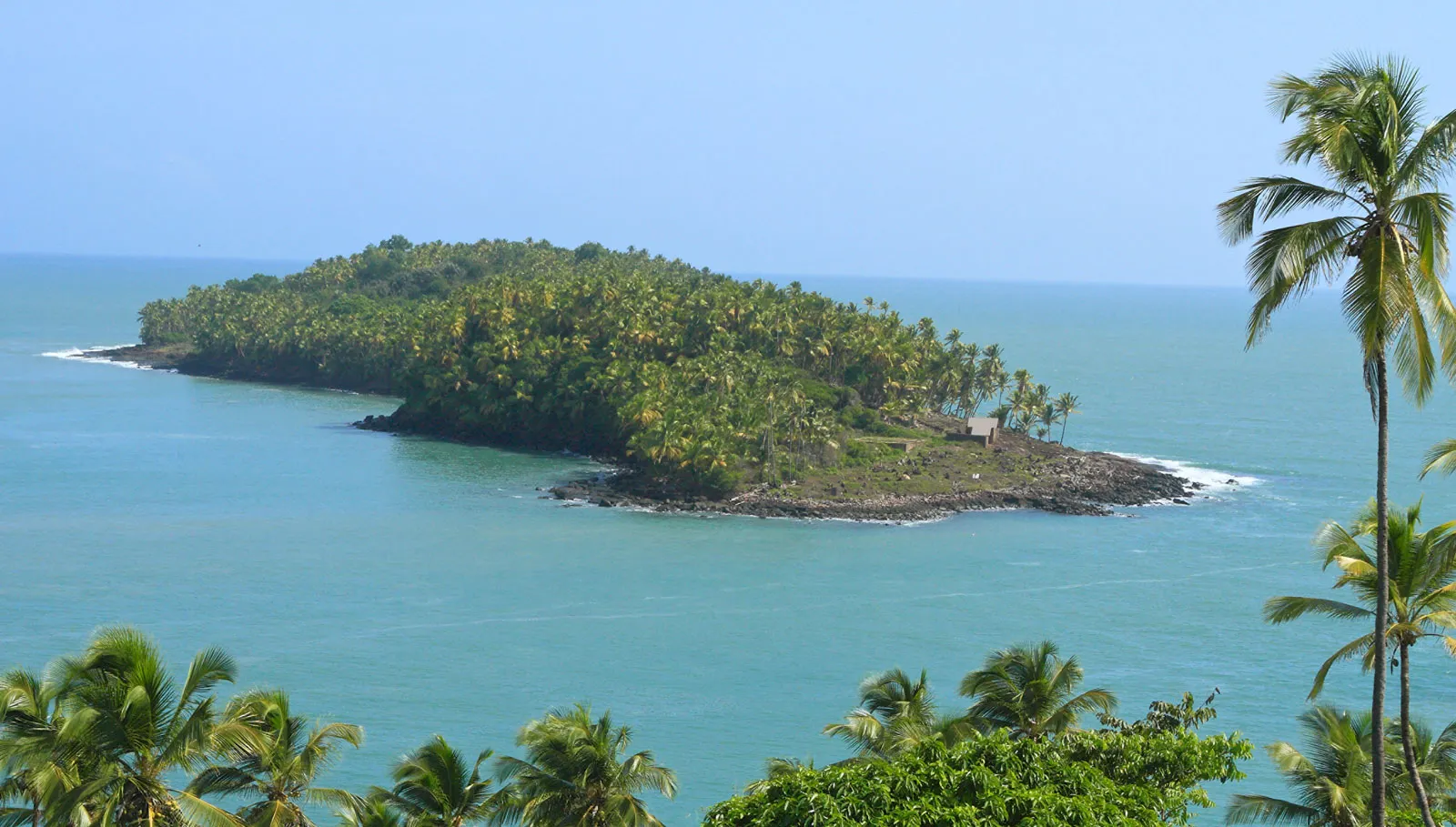
- Devil’s Island (Île du Diable): You cannot set foot on Devil’s Island itself (currents are too dangerous, and it is strictly preserved), but you can view it from the shore of Île Royale. It remains an overgrown, forbidden rock where political prisoners like Alfred Dreyfus were once exiled.
3. The Connectivity Reality: Why You Need an eSIM
This is the most critical logistical tip for your trip. French Guiana presents a unique problem. While it is politically "France," geographically it is South America.
- The Roaming Trap: If you are an EU citizen, "Roam Like at Home" should apply, but coverage can be spotty on foreign networks near the borders. If you are from the US, UK, or Asia, your home carrier likely classifies this as "South America" or "Rest of World," meaning roaming fees can hit $10+ per megabyte.
- The Infrastructure: Once you leave the coastal cities of Cayenne and Kourou, you are in the deep Amazon. Road signage is often nonexistent or obscured by vegetation. You will need a reliable connection to use Waze (which works better here than Google Maps) to navigate the pot-holed roads to jungle lodges.
- The Solution: Purchase a French Guiana-specific eSIM data plan before you fly.
- Why? An eSIM allows you to connect to local networks (like Orange Caraïbe or Digicel) the moment you land at Cayenne–Félix Eboué Airport.
- The Safety Factor: English is rarely spoken outside of the space center. Having immediate data for Google Translate is not a luxury; it is a necessity for ordering food, reading bus schedules, or communicating with a Gendarme at a checkpoint.
4. The Hmong Village of Cacao
On Sundays, half of the country drives into the mountains to the village of Cacao.
- The History: In the 1970s, France resettled Hmong refugees from Laos here. They were given land that was considered "unfarmable" jungle. Through incredible work, they turned it into the agricultural breadbasket of the country.
- The Market: The Sunday market is legendary. You come here to eat Hmong Soup (a rich broth with noodles, chicken, and fresh herbs) and buy exotic fruits like rambutan and dragon fruit.
- The Museum: Don't miss the small insect museum (Le Planeur Bleu) in the village. It houses massive tarantulas and beetles found in the surrounding jungle. It’s a terrifying reminder of what lives in the green wall around you.
5. Nature: Turtles and The Amazon
French Guiana is 98% rainforest. It is part of the Guiana Shield, one of the oldest geological formations on earth.
- Awala-Yalimapo: Drive to the far northwest, near the Suriname border. This beach is one of the most important nesting sites in the world for the Leatherback Turtle.
- When to go: From April to July, you can watch these 1,000-pound giants haul themselves onto the beach to lay eggs. From July to September, you can watch the hatchlings scramble to the sea.
- Marais de Kaw (Kaw Wetlands): Accessible only by boat, this vast wetland is the best place to see wildlife. You can take a night boat tour to spot Black Caimans (some reaching 4-5 meters in length) and the bizarre Hoatzin bird.
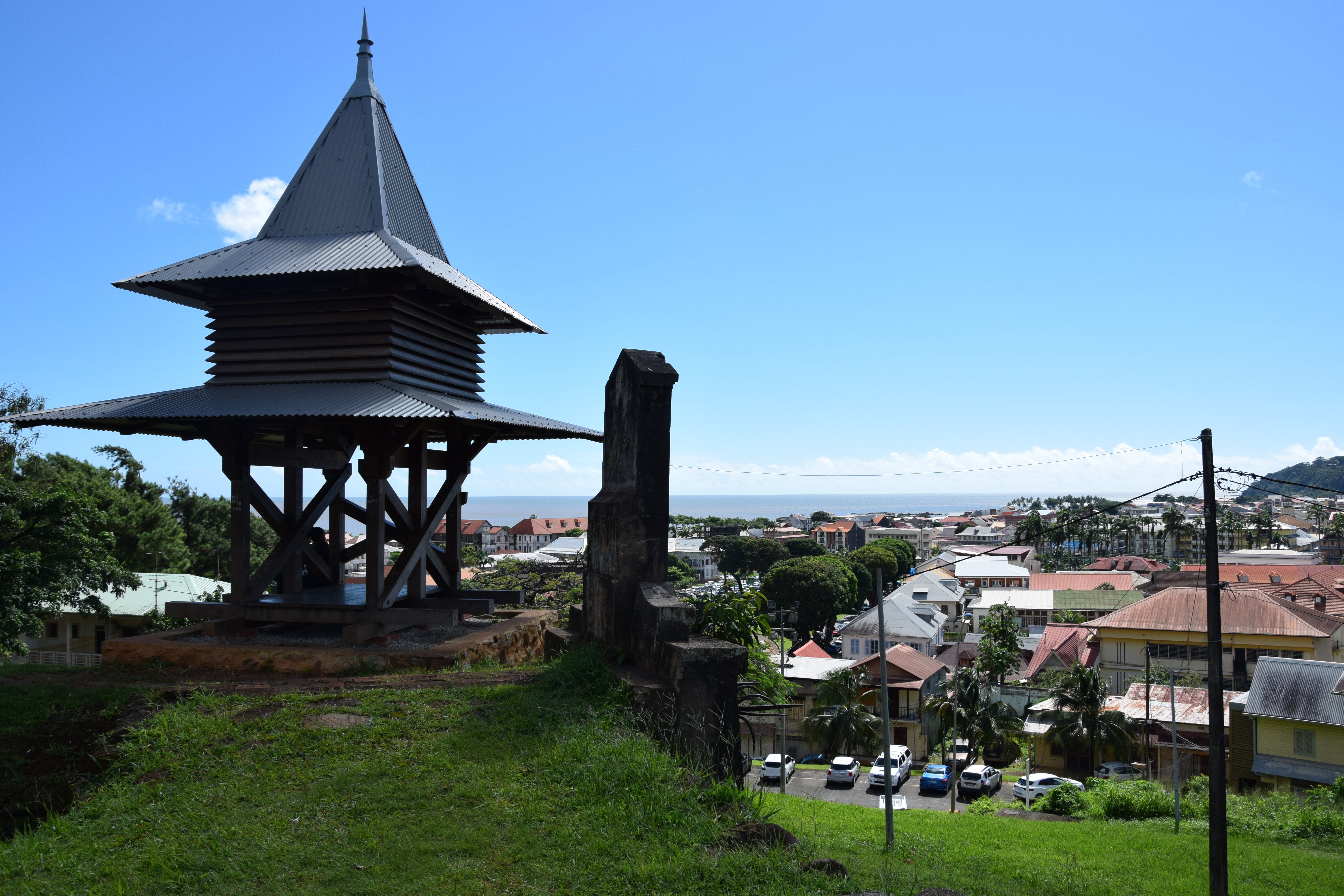
- View of the renovated pagoda in Cayenne. Source- Chatsam, CC BY-SA 3.0, via Wikimedia Commons
6. Practical Survival Tips
Health: The Yellow Card
- Mandatory: You absolutely cannot enter French Guiana without a Yellow Fever vaccination certificate. They will check this before they check your passport. No certificate, no entry.
Money: The Euro Shock
- Cost: Because everything is imported from France or paid in Euros, French Guiana is expensive. Expect to pay Parisian prices for food and accommodation. A simple lunch can cost €20–€25.
- Cash: Credit cards work in cities, but bring cash for the Cacao market and rural pirogue (canoe) operators.
Language: Parlez-vous Français?
- The Barrier: Do not expect English. The lingua franca is French and French Guianese Creole. Learn the basics (Bonjour, L'addition s'il vous plaît) or have your translation app ready.
Why Go Now?
French Guiana is not for the faint of heart. It is hot, humid, and expensive. But it is also completely authentic. It hasn't been manicured for tourists. When you watch a rocket launch over the Amazon jungle, you realize you are seeing something that exists nowhere else on the planet—a collision of the primitive and the futuristic, right on the equator.