
Eswatini: The Kingdom Inside a Country
Source: The Kingdom of Eswatini
If you look at a map of South Africa, you will see a small, heart-shaped bite taken out of the eastern side. That is Eswatini (formerly Swaziland).
It is one of the last absolute monarchies in the world, a tiny kingdom that packs the "Big Five," massive festivals, and stunning mountain scenery into a country smaller than New Jersey. For travelers, Eswatini is often a drive-through on the way to Kruger National Park. This is a mistake. Eswatini isn't a detour; it is a destination.
It is a place where rhinos block your rental car, where the King dances with his people once a year, and where the vibe is distinctly, refreshingly laid-back.
If you are ready to explore the "Switzerland of Africa" (but with more zebras), here is your factual guide to Eswatini.
1. Hlane Royal National Park: Rhinos on the Road
You come here for the Rhinos. Hlane (which means "Wilderness" in SiSwati) is the home of the country's largest herds of game.
- The Experience: Unlike the massive, crowded parks in South Africa, Hlane is intimate. The main camp is famous for its waterhole, which is frequently visited by white rhinos, elephants, and hippos. You can relax on the restaurant deck while a 2-ton rhino sips water ten feet away.
- The Lions: Hlane is also home to lions, but they are kept in a separate, fenced section of the park to protect the endangered antelope species. You need to book a guided game drive to see them, but it is worth it to track them in an open Land Rover.
2. Mlilwane Wildlife Sanctuary: Walk with Zebras
In most African game reserves, getting out of your car is a death wish. In Mlilwane, it is the point.
- The "No Predator" Rule: Because there are no dangerous predators (lions or buffalo) in the main area of the sanctuary, you are free to hike, mountain bike, or ride horses among the wildlife.
- The Scene: Walking casually past a herd of grazing zebra or warthogs gives you a perspective you simply cannot get from a vehicle seat. It is perfect for families or anyone wanting to stretch their legs without fear of being eaten.
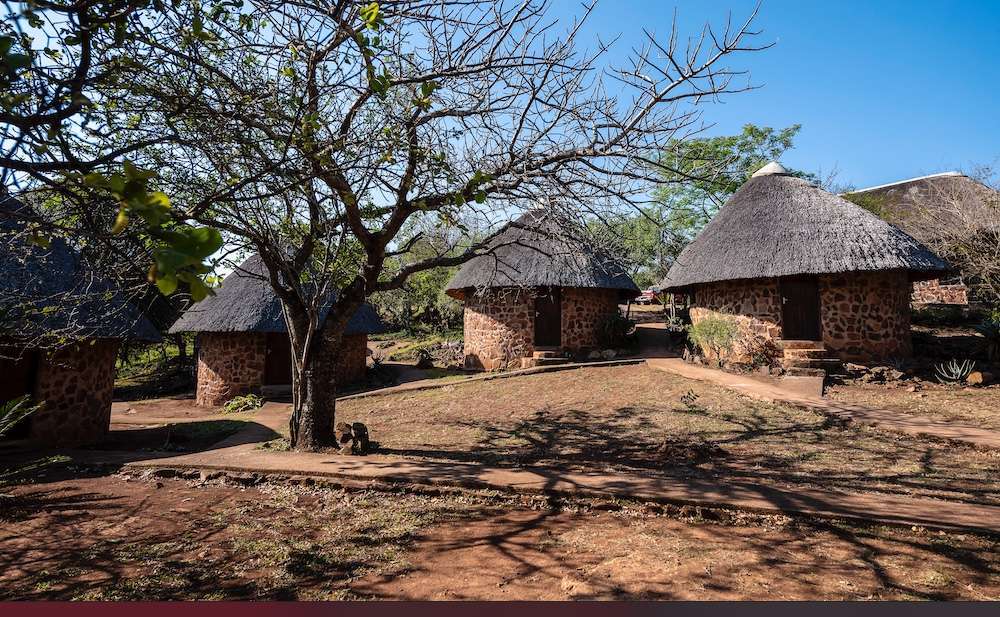
- Accommodation: Stay in a traditional "beehive" hut. These are domed grass huts (with modern interiors) arranged in a semi-circle, mimicking a traditional Swazi homestead.
3. The Cultural Heart: Incwala and Umhlanga
Eswatini’s culture isn’t put on for tourists; it is lived.
- The Reed Dance (Umhlanga): Held in late August or early September, this is the country's most famous event. Tens of thousands of unmarried women travel to the royal village to present reeds to the Queen Mother. It is a spectacle of singing, dancing, and colorful traditional attire.
- Incwala: Held in late December or January, this is the "First Fruits" ceremony. It is more solemn and spiritual, focusing on the King. Photography is often restricted here, making it a rare, un-Instagrammed authentic experience.
4. The Connectivity Reality: Why You Need an eSIM
Here is a logistical reality check. Eswatini is small, but its terrain is rugged. You will likely be self-driving, and the road network—while surprisingly good—can be confusing once you leave the main highway (MR3).
The "Google Maps" Necessity
- Navigation: Road signs are decent in the valley (Ezulwini), but spotty in the mountains. You will rely on GPS to find the turnoff for Malolotja Nature Reserve or your guesthouse in the Malkerns Valley.
- Safety: While Eswatini is generally safe, cattle and goats frequently sleep on the roads at night. You want a live GPS to warn you of upcoming curves, and the ability to call for help if you hit a pothole.
The Solution: The eSIM To avoid getting stranded without a signal in the middle of a sugar cane field, purchase an eSIM data plan before you cross the border.
- Why? If you are driving in from South Africa, your South African SIM card will enter "International Roaming" mode the second you cross the border (at Oshoek or Golela). The fees can be exorbitant.
- The Fix: An eSIM allows you to connect to local networks (like Eswatini Mobile or MTN) immediately. You avoid the hassle of finding a vendor in Mbabane to sell you a physical chip and can keep your WhatsApp live to communicate with your lodge.
5. Malolotja Nature Reserve: The Highlands
If you crave cooler air and dramatic views, head to the northwest.
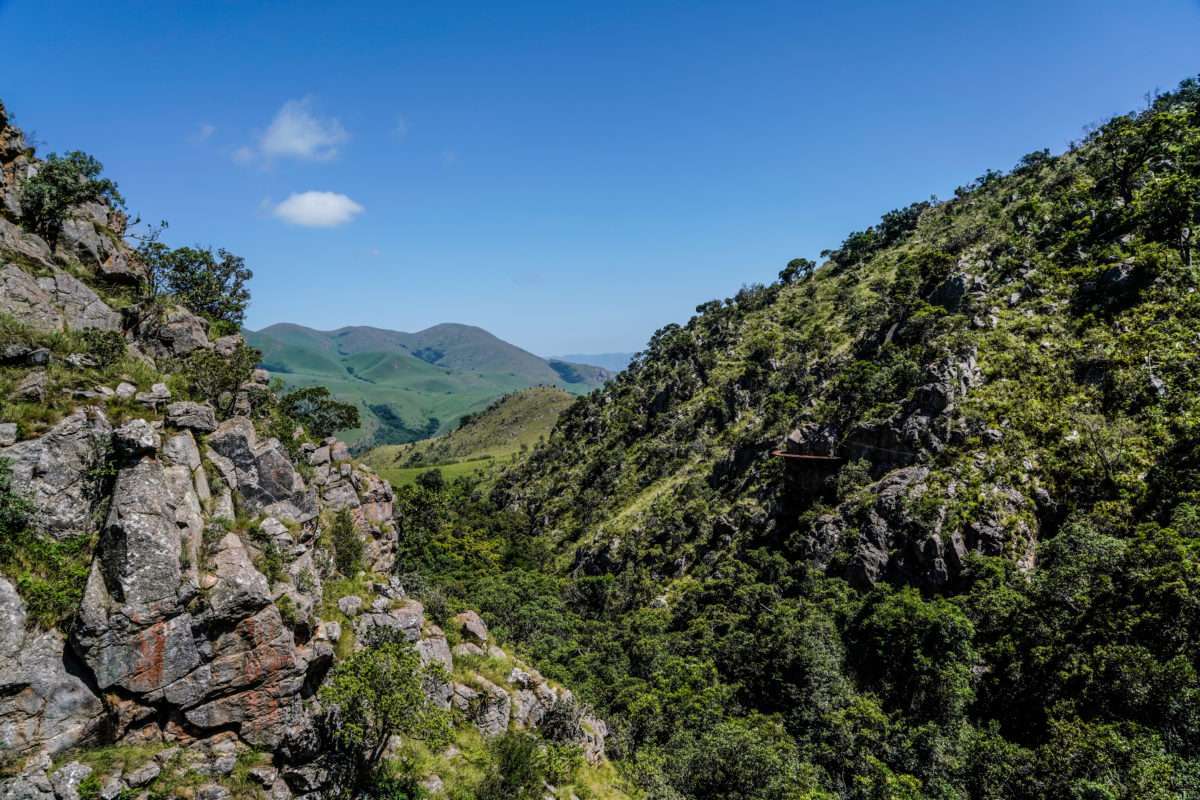
- The Landscape: Malolotja is a true wilderness area of high rolling hills and deep river valleys. It feels more like the Scottish Highlands than Africa.
- The Canopy Tour: This is one of the best zip-lines in Southern Africa. You slide across 11 platforms and 10 slides, suspended high above the forest canopy. The views down into the gorge are terrifyingly beautiful.
- Hiking: The trails here are serious. You can hike to the Malolotja Falls (the highest in the country), but bring plenty of water—the hike back up is steep.
- Source- The Kingdom of Eswatini
6. Practical Survival Tips
Money Matters
- The Peg: The currency is the Lilangeni (SZL). It is pegged 1:1 with the South African Rand (ZAR).
- The Hack: You can use South African Rands everywhere in Eswatini. They are accepted freely. However, the reverse is not true—you cannot use Eswatini coins or notes back in South Africa. Spend all your Emalangeni before you leave!
Getting There
- The Drive: Most visitors drive in from South Africa. The Oshoek Border Post (closest to Johannesburg) is the busiest. Try smaller borders like Jeppes Reef for a faster crossing and a scenic entry through the mountains.
- The Gate: Gates usually close around 10:00 PM or midnight depending on the border post. Do not be late.
The "Glass" Souvenir
- Ngwenya Glass: Visit this factory near the border. They blow glass from 100% recycled bottles. You can watch the glassblowers at work from a viewing deck. It is mesmerizing, and the glassware is world-class (and sold worldwide).
Why Go Now?
Eswatini offers the "Africa" you have in your head—huts, hills, and wildlife—without the logistical nightmare of larger nations. It is accessible, friendly, and compact enough to see in 3-4 days. It is a kingdom that feels suspended in time, yet completely welcoming to the modern traveler.