
Estonia: The Silicon Valley of Medieval Europe
Source: Visit Estonia
Estonia is a country that feels like it shouldn't exist. It is a place where you can stand in a 13th-century watchtower looking down at a preserved medieval city, and then pay for your coffee by scanning a QR code with a phone that has 5G reception in the middle of a forest.
This small Baltic nation has quietly become one of the most interesting destinations in Europe. It balances a deep, pagan reverence for nature with a futuristic digital society that is decades ahead of the rest of the world.
If you are ready to visit the land of bogs, bears, and high-speed Wi-Fi, here is your factual guide to Estonia.
1. Tallinn: A Tale of Two Cities
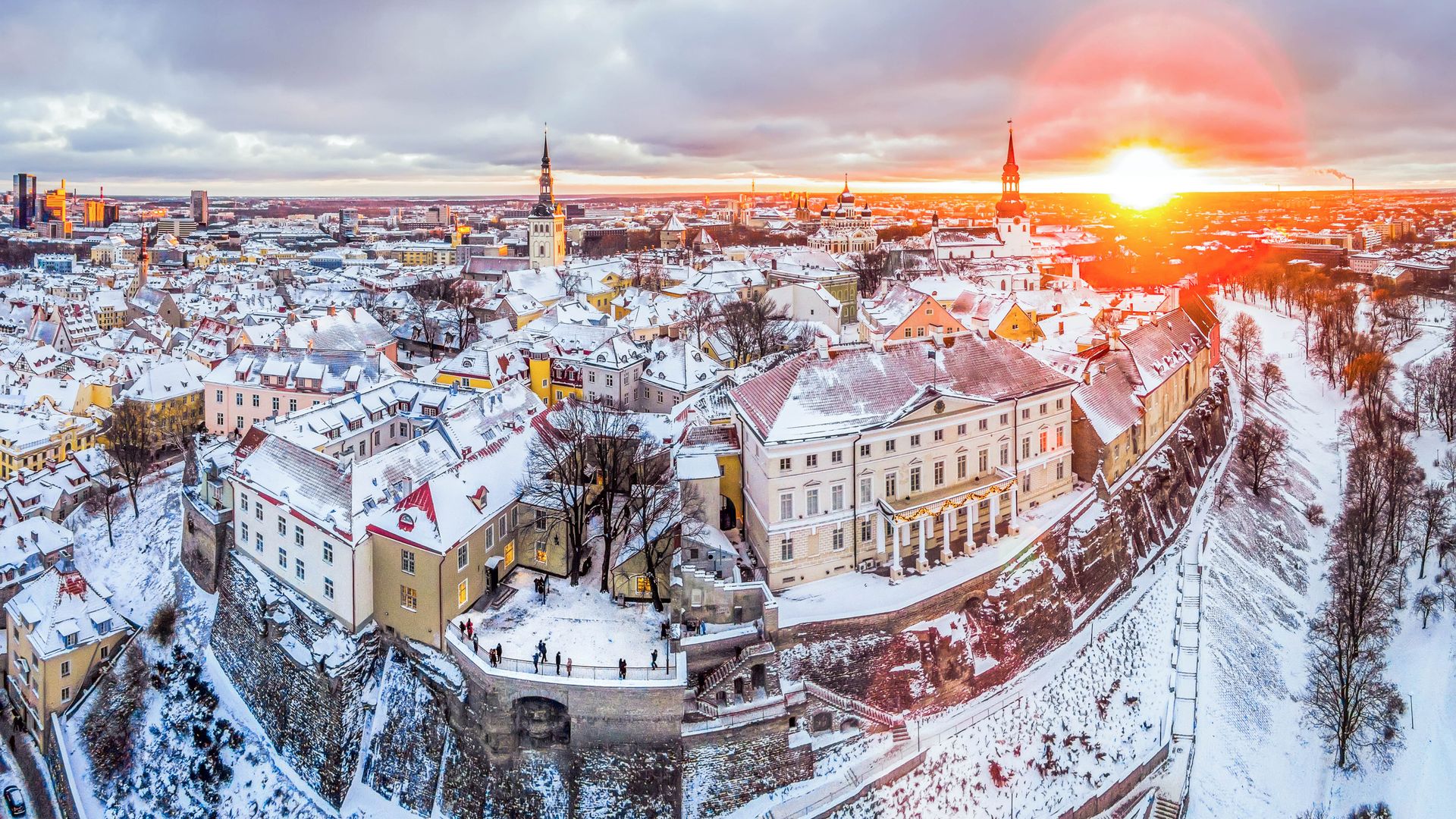
Your trip begins in Tallinn, one of the best-preserved medieval capitals in Northern Europe. But don’t let the cobblestones fool you; under the hood, this city is a tech giant.
- The Old Town (Vanalinn): This UNESCO World Heritage site is split into two parts. Toompea Hill (Upper Town) was historically the seat of power. Go here to see the pink Parliament building and the Alexander Nevsky Cathedral. Lower Town was the Hanseatic trading center.
- The View: Head to the Kohtuotsa viewing platform. You’ll see the red terracotta rooftops against the backdrop of the steel-grey Baltic Sea.
- Telliskivi Creative City: Just a 15-minute walk from the medieval gates, the vibe changes instantly. This former industrial complex is now the hipster heart of the city, filled with street art and Fotografiska (a world-class photography museum).
- The Contrast: Walking from the 14th-century Town Hall Square to the glass skyscrapers of the Rotermann Quarter takes ten minutes, but spans 600 years of history.
2. The Nature: Bogs and Silence
Estonians have a spiritual connection to their forests, which cover 50% of the country. The most unique landscape here is the bog.
- Viru Bog: Located in Lahemaa National Park (a 45-minute drive from Tallinn), this is the most accessible bog. A wooden boardwalk floats over the spongy, waterlogged ground, leading you through a landscape of stunted bonsai-like pines and dark pools.
- Bog Swimming: Yes, you can swim. The water is freezing, dark, and highly acidic (which makes it incredibly clean). Locals believe it rejuvenates the skin.
- The "Fifth Season": In Soomaa National Park, spring floods are so intense that roads disappear, and the only way to get around is by canoe. Locals call this the "fifth season."
3. The Islands: Saaremaa and Muhu
Estonia has over 2,000 islands. If you only visit one, make it Saaremaa.
- The Meteorite: Visit the Kaali Crater. It is a perfectly round lake formed by a meteorite impact 3,500 years ago. It was considered sacred by ancient pagans and likely contributed to Estonia’s rich folklore.
- Kuressaare Castle: This is the most formidable fortress in the Baltics. It looks exactly like a child’s drawing of a castle—square, surrounded by a moat, and utterly impenetrable.
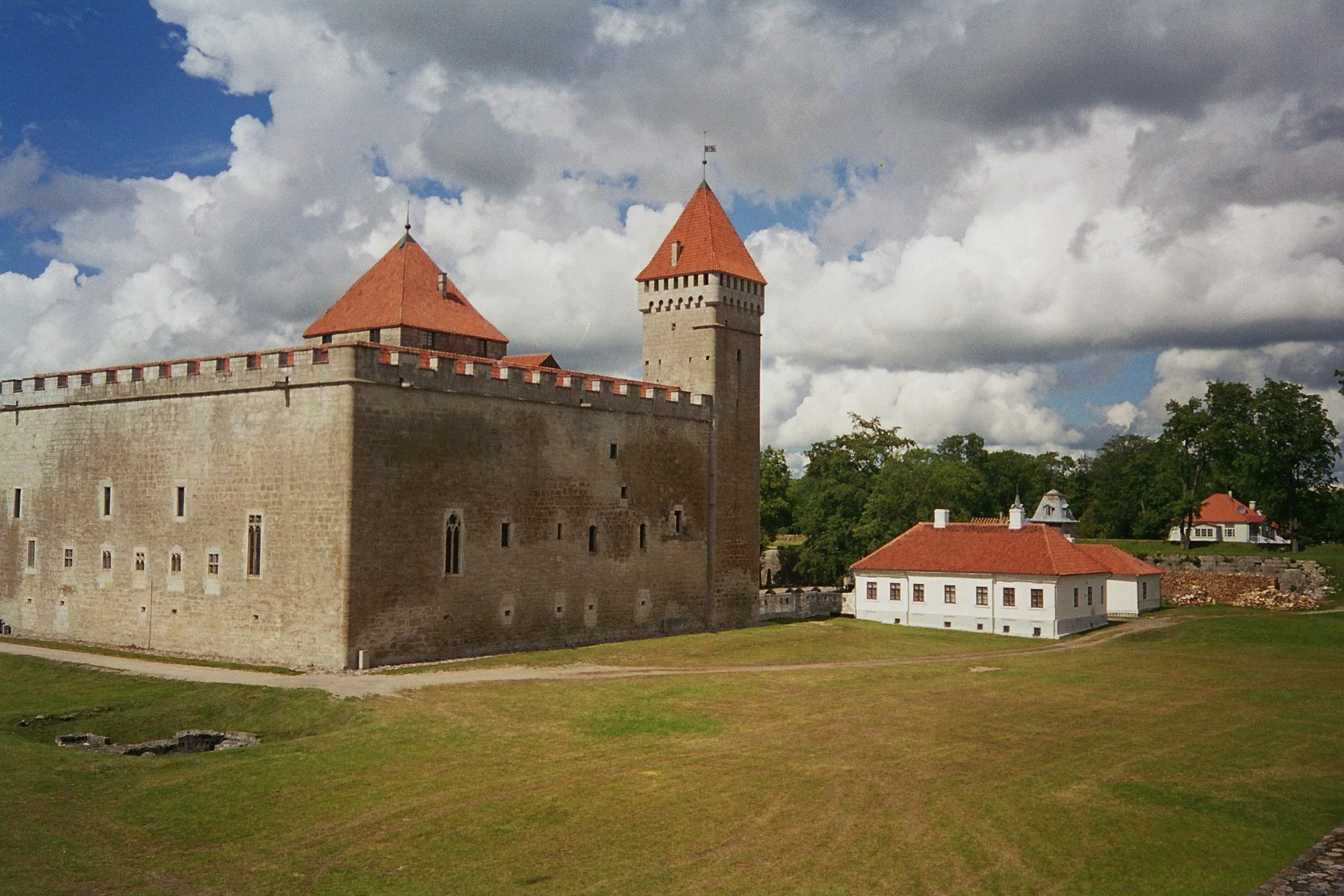
- Source- Vonsoeckchen, CC BY-SA 3.0, via Wikimedia Commons
- Muhu: On your way to Saaremaa, you will cross Muhu island. Stop at Pädaste Manor for lunch. It is arguably the best fine dining in the country, using ingredients foraged from the local woods.
4. The Digital Reality: Why You Need an eSIM
Here is a unique paradox: Estonia is famous for being "e-Estonia," where Wi-Fi is considered a human right. You will find public Wi-Fi in parks, squares, and even intercity buses. However, relying on public Wi-Fi is a rookie mistake.
The Security & Utility Gap
- The "Smart" City: To truly experience the efficiency of Estonia, you need to use the local apps. You will use Bolt (founded in Estonia) to get cheap taxis, Waze to navigate the forests where signs are scarce, and mobile banking to pay for parking.
- The Risk: Public Wi-Fi networks, while abundant, are often unsecured. Entering credit card details on a public park network is never safe.
The Solution: The eSIM To match the locals' connectivity, purchase an eSIM data plan before you fly.
- Why? An eSIM connects you to Estonia's lightning-fast 4G/5G networks (Telia, Elisa, or Tele2) immediately.
- The Benefit: It allows you to order a Bolt the second you step off the ferry from Helsinki without struggling with the port Wi-Fi. It ensures you have Google Maps when you are deep in a bog in Lahemaa. In a country that lives online, being offline makes you feel blind.
5. Food: Black Bread and New Nordic
Forget the stereotype of heavy Soviet food. Estonian cuisine is "New Nordic" for half the price of Copenhagen.
- Black Bread (Leib): This is not just food; it is a national symbol. It is dark, dense, slightly sweet, and served with every meal. You will miss it when you leave.
- Kohuke: Go to any supermarket and buy this. It is a chocolate-coated curd snack that looks like a candy bar but tastes like cheesecake. It is the national snack.
- Rataskaevu 16: This restaurant in Tallinn’s Old Town is legendary. It serves high-end local food (try the elk roast) at mid-range prices. Tip: Book a table at least two weeks in advance.
6. Practical Survival Tips
- Transport: Trains (Elron) are bright orange, wide, and clean. They are the best way to get to university towns like Tartu. Buses (Lux Express) are surprisingly luxurious, often featuring individual screens and free coffee machines.
- Reflectors: If you visit in winter, it gets dark at 3:00 PM. By law, pedestrians must wear a small plastic reflector dangling from their coat. You can buy them at any supermarket. Police do fine people for not wearing them.
- Currency: Estonia uses the Euro (€). Card payments are accepted absolutely everywhere—even by grandmas selling knitted socks in the market.
Why Go Now?
Estonia is in a sweet spot. It has the infrastructure of Scandinavia but (for now) remains cheaper than its northern neighbors. It is safe, silent, and fiercely independent. Whether you are wandering the Hanseatic streets of Tallinn or watching the sunrise over a misty bog, you will feel like you have discovered a secret that the rest of Europe hasn't quite figured out yet.