
Equatorial Guinea: Inside Africa’s Spanish Secret
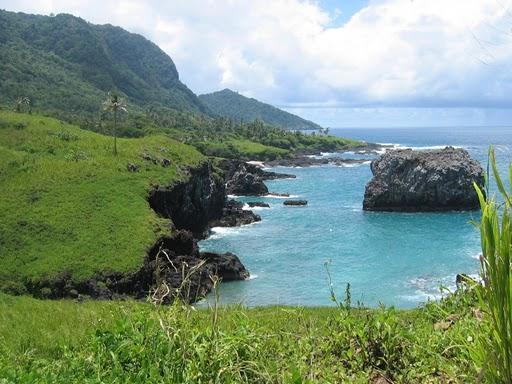
If you are looking for a destination that your friends have never visited—and likely couldn't find on a map—this is it. Equatorial Guinea is the "unicorn" of African travel. It is the only country in Africa where Spanish is the official language. It is a nation split in two: a volcanic island floating in the Gulf of Guinea (Bioko) and a rectangular slice of thick jungle on the mainland (Rio Muni).
For decades, it was virtually closed off to tourism. Today, fueled by immense oil wealth, it is slowly opening its doors, revealing a surreal mix of pristine colonial architecture, high-end infrastructure, and wild, impenetrable rainforests that feel like the set of a prehistoric movie.
It is expensive, bureaucratic, and undeniably weird. But for the traveler who craves the unknown, it is a fascinating puzzle waiting to be solved. Here is your factual guide to the Secret Span of Africa.
1. Malabo: The Capital on the Volcano
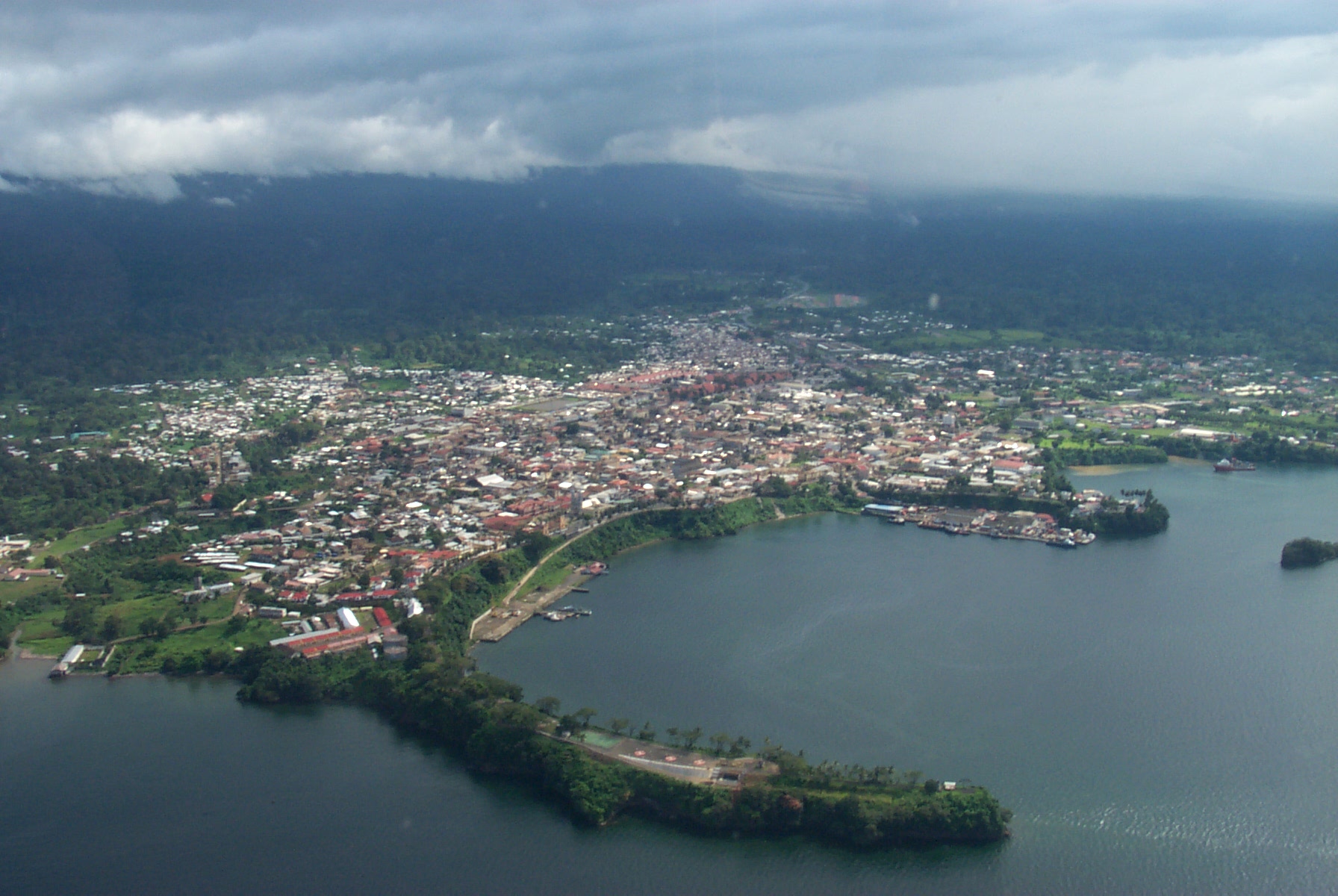
Your flight lands in Malabo, located on the island of Bioko. It feels less like an African capital and more like a sleepy Caribbean town that won the lottery.
- The Architecture: The heart of the city is dominated by the Cathedral of Santa Isabel. Its apricot-colored gothic spires rise above the palm trees, framing a plaza that is spotlessly clean. Walk the Paseo Marítimo (the seaside promenade) to see the contrast between crumbling Spanish colonial mansions and the gleaming glass towers of "Malabo II," the new business district built by oil money.
- The Vibe: It is safe, quiet, and strangely orderly. You can walk the streets at night—a rarity in many Central African capitals—but the atmosphere is subdued. There is no chaotic market shouting here; just the humid Atlantic breeze and the sound of Spanish chatter.
- Source- Ipisking, CC BY-SA 3.0, via Wikimedia Commons

- Santa Isabel Cathedral, Malabo. Source- Denis Barthel, CC BY-SA 3.0, via Wikimedia Commons
2. Bioko Island: Jurassic Park Realized
Leave the capital, and the paved roads give way to a vertical wall of green. Bioko Island is a biodiversity hotspot.
- Pico Basile: Looming over Malabo is Pico Basile, a volcano rising over 3,000 meters (9,800 ft). On a clear day, you can see all the way to Mount Cameroon on the mainland. The upper slopes are often shrouded in mist, home to rare primates and specialized flora.
- Arena Blanca: This is the only white-sand beach on the island (the rest are volcanic black sand). During the dry season, thousands of butterflies descend on the beach, creating a swirling cloud of orange and yellow against the blue ocean. It is a magical, seasonal phenomenon that draws locals for weekend picnics.
- The Drill Monkey: Bioko is the critical habitat for the Drill, one of Africa’s most endangered primates. The Luba Crater Scientific Reserve in the south is their stronghold. It is rugged, difficult to access, and absolutely wild.
3. The Mainland: Rio Muni and Monte Alén
To see the "real" Africa, you must fly or take the ferry to Bata, the bustling commercial hub on the mainland. From here, you head inland to Monte Alén National Park.
- The Landscape: This is 1,400 square kilometers of dense, humid rainforest. It is not a safari park with groomed trails; it is a true jungle.
- The Wildlife: The park is a sanctuary for forest elephants, chimpanzees, and lowland gorillas. Seeing them here is not guaranteed—the vegetation is thick and the animals are shy—but the tracking experience is authentic. You are following machete-wielding guides through terrain that has barely changed in thousands of years.
4. The Connectivity Reality: Why You Need an eSIM
Equatorial Guinea presents a unique challenge for the modern traveler: it is both wealthy and isolated. While the infrastructure (roads, hotels) is surprisingly good, the digital infrastructure for tourists is tricky.
The "Zone 3" Trap Because the country is not a major tourist hub, most international carriers categorize it as a "high cost" roaming zone. Turning on your home data plan here can result in astronomical bills (often $10+ per megabyte).
The Bureaucracy of Local SIMs Buying a local SIM card is possible but frustrating. It requires:
- Finding an official store (which often has erratic hours).
- Presenting your passport and visa.
- Dealing with registration forms in Spanish.
- Waiting for activation, which can take hours or even a day.
The Solution: The eSIM To bypass the bureaucracy and the bill shock, purchase a regional African eSIM data plan before you fly.
- Why? An eSIM allows you to connect to local networks immediately upon landing at Malabo International Airport (SSG).
- The Utility: You will need data instantly.
- Translation: Unless you speak fluent Spanish, you will need Google Translate for menus and taxi negotiations. English is rarely spoken.
- Navigation: While Malabo is small, finding specific embassies or restaurants requires a live map.
- Safety: Having a working connection to check in with your hotel or arrange a driver gives you peace of mind in a country where tourism support is minimal.
5. The "No Photo" Rule
This is the most critical rule in Equatorial Guinea. The government is extremely sensitive about photography.
- The Law: It is illegal to take photos of the Presidential Palace, military personnel, police, airports, or any government building.
- The Reality: Even taking photos of "strategic" locations like bridges or the harbor can lead to your camera being confiscated or a heavy fine.
- The Advice: Only take photos in clearly distinct tourist spots (like the beach or the Cathedral). If you are in the city streets, keep your camera in your bag. If in doubt, ask a police officer first (in Spanish: "¿Puedo tomar una foto?").
6. Practical Survival Tips
Visa & Entry
- The Golden Ticket: For years, US citizens have been the lucky exception, often allowed visa-free entry (check the latest rules before flying). For almost everyone else, getting a visa is a rigorous process involving letters of invitation and bank statements.
- The Checkpoints: You will encounter police checkpoints on the roads, especially on the mainland. Have your passport and visa copies ready. Smile, be polite, and speak Spanish if you can.
Money Matters
- Currency: The Central African CFA Franc (XAF).
- Cash is King: Credit cards are accepted only in the top luxury hotels (like the Sofitel). For everything else—meals, taxis, souvenirs—you need cash. ATMs are available in Malabo and Bata, but they can be unreliable with foreign cards. Bring plenty of Euros (easy to exchange) or US Dollars.
Language
- Spanish: It is the official language, spoken with a unique Guinean accent. French is also understood due to neighbors Gabon and Cameroon. English will get you nowhere with taxi drivers or police.
Why Go Now?
Equatorial Guinea is not for the budget backpacker (hotels are expensive) or the faint of heart. It is for the "country collector," the traveler who wants to see a side of Africa that defies the stereotypes. It is a place where you can eat tapas in the jungle and hike a volcano in the morning before swimming in the Atlantic at sunset. It is polished yet wild, familiar yet alien.