
El Salvador: The Comeback Kid of Central America
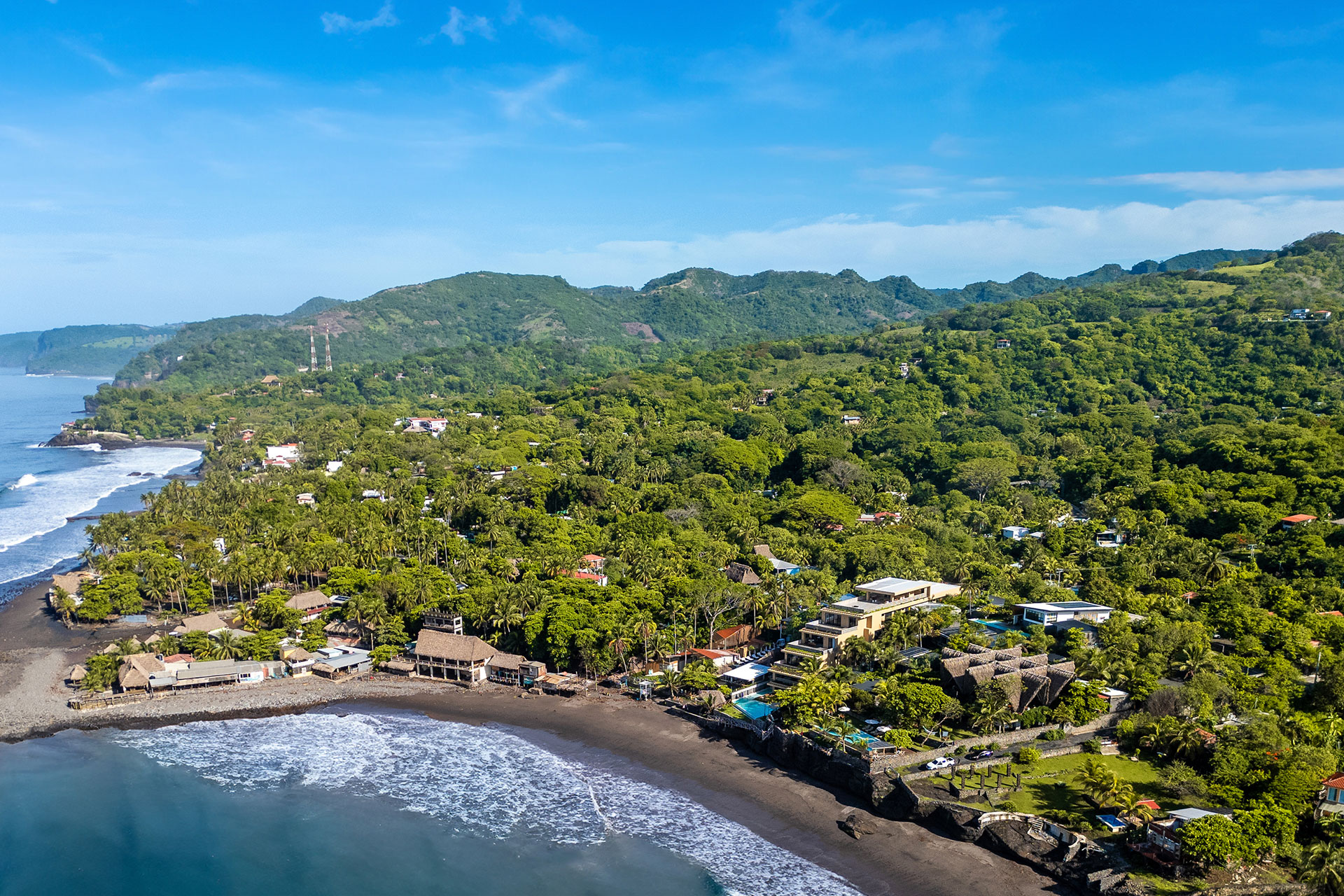
Let’s address the elephant in the room immediately: El Salvador has changed.
Ten years ago, this tiny nation—the smallest in Central America—was defined by headlines you wanted to avoid. It was a place you flew over, not to. But if you are planning travel in 2026, you are looking at a completely different country.
Thanks to an aggressive (and controversial) security crackdown that began years ago and has settled into a "new normal," El Salvador has transformed from a no-go zone into one of the hottest destinations in the Americas. The gangs are largely invisible, the surf is world-class, and the coffee will ruin Starbucks for you forever.
It is raw, it is affordable, and it is undeniably cool. If you are ready to see the country that everyone is talking about, here is your factual guide to the Land of Volcanoes.
1. Surf City: The Tourist Bubble
Your trip will likely start or end in "Surf City." This isn't a single city, but a government-designated stretch of coastline in the La Libertad department.
- El Tunco: This is the party hub. It’s a two-street town where the days are spent in the water and the nights are spent socializing. It’s safe, walkable, and packed with backpackers and digital nomads.
- El Zonte (Bitcoin Beach): Drive 20 minutes west, and the vibe changes. El Zonte is quieter, dustier, and famous for being the testing ground for the country’s Bitcoin experiment. Here, you can buy a pupusa or a coconut using the Lightning Network. Even if you aren't a crypto-bro, watching a local vendor scan a QR code for a $1 snack is a glimpse into a futuristic micro-economy.
- The Waves: You don't have to be a pro to enjoy the water, but be warned: the Pacific here is heavy. If you are a beginner, stick to the wash at El Zonte. If you are a pro, the point break at Punta Roca is legendary.
2. The Santa Ana Volcano Hike
You cannot visit the "Land of Volcanoes" without climbing one. The Santa Ana Volcano (Ilamatepec) is the highest in the country and the most popular hike for a reason.
- The Hike: It takes about 1.5 to 2 hours to reach the summit. It is moderately steep but accessible for anyone with decent fitness.
- The Reward: The crater at the top is massive, housing a steaming, turquoise sulfur lake that looks like it belongs on Mars. On a clear day, you can see the Pacific Ocean in one direction and the sparkling blue Lake Coatepeque in the other.
- The Logistics: You generally need a guide or a police escort to hike (a rule from the old days that has stuck around for organization). Tours leave daily from Santa Ana town or San Salvador.
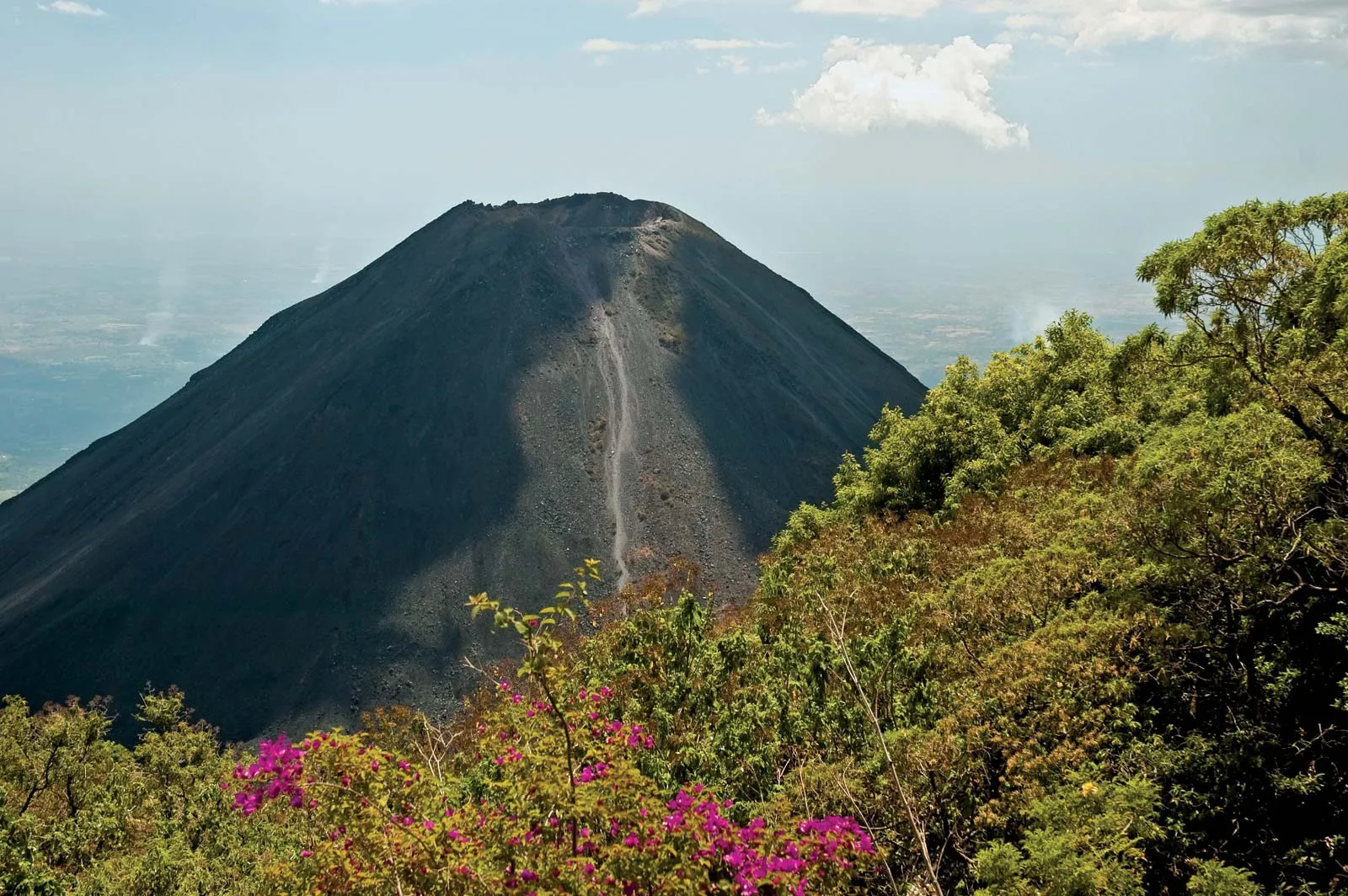
- Izalco Volcano, Santa Ana. Source- Britannica
3. The Connectivity Reality: Why You Need an eSIM
Here is a logistical reality check. While El Salvador is safer, it is still a developing nation where "winging it" with connectivity can lead to headaches.
The "Bitcoin" & Safety Factor
- Crypto Payments: While the 2025 reforms made Bitcoin "optional" for businesses, it is still widely used in tourist zones like El Zonte. To pay for your coffee via Lightning wallet, you need data—Wi-Fi in beach shacks is spotty at best.
- Navigation: El Salvador’s roads are a maze of winding mountain passes and coastal highways. Road signage is often missing. You will rely 100% on Waze (which works better here than Google Maps) to dodge traffic and potholes.
- Safety: While violent crime has plummeted, getting stranded without a signal is never a good idea. You want to be able to order an Uber or check your location instantly.
The Solution: The eSIM To ensure you are never offline, purchase an eSIM data plan before you fly.
- Why? Buying a physical SIM card can involve long queues and passport registration.
- The Benefit: An eSIM allows you to connect to local 4G/LTE networks the moment you land at San Salvador (SAL) airport. It gives you the ability to order an Uber from the arrivals curb (avoiding the aggressive taxi touts) and keeps your GPS live while you navigate the "Ruta de las Flores."
4. Ruta de las Flores: The Magic Villages
Ruta de las Flores is for unwinding. This winding mountain road connects five colonial towns, famous for their cool climate, coffee plantations, and weekend food festivals.
- Juayúa: Come here on a weekend. Every Saturday and Sunday, the town hosts a massive Feria Gastronómica (Food Festival). You can eat grilled rabbit, frog skewers (yes, really), and endless shrimp for a few dollars, all while listening to live cumbia music in the plaza.
- Ataco: This is the most photogenic town. Almost every wall is covered in colorful murals depicting local folklore and history. It is filled with artisan shops selling colorful textiles and high-end coffee.
- The Coffee: This region produces some of the best coffee in the world. Visit a finca (farm) like El Carmen to see the process from bean to cup. The high-altitude Bourbon beans here are sweet and complex.
5. San Salvador: The Revitalized Capital
For years, tourists were told to "get in and get out" of the capital. That is no longer the advice. The Centro Histórico has been aggressively cleaned up and renovated.
- The Library (BINAES): The massive, futuristic National Library (opened late 2023) is open 24/7. It looks like a spaceship landed in the middle of the colonial square. It’s a symbol of the "new" El Salvador.
- The Church: Visit El Rosario Church. From the outside, it looks like a concrete bunker. Inside, it is a rainbow of light. The arched roof is embedded with colored glass that washes the grey concrete in neon blues, reds, and yellows. It is an architectural masterpiece.
6. Practical Survival Tips
Money: The Dual Economy
- USD is King: The US Dollar has been the official currency since 2001. Bring small bills ($1, $5, $10). Nobody has change for a $20.
- Bitcoin: As of 2026, Bitcoin is still legal tender but largely optional. You can use it in tourist hubs, but don't rely on it for street food in rural areas. Cash is still the daily driver.
Getting Around
- Uber: It works great in San Salvador and Santa Ana. It is safe, cheap, and trackable.
- Chicken Buses: These are the painted, retired US school buses. They are incredibly cheap ($0.50 - $1.00) and an experience in themselves. They are safer than they used to be, but keep your bag on your lap and your phone in your pocket.
The "State of Exception"
- The Reality: You will see military and police everywhere—on beaches, street corners, and buses. For tourists, this usually translates to a feeling of safety. However, it means you must always carry a copy of your passport. If stopped at a checkpoint, stay calm, show your ID, and be respectful.
Why Go Now?
El Salvador is in a "Goldilocks" period. It is safe enough to visit with your family, but it hasn't yet been overrun by the massive resort chains that dominate Mexico or Costa Rica. The pupusas are $1, the sunsets are free, and the welcome is genuine. Go now, before the secret gets too loud.