
Egypt: A 6-Minute Guide to Pyramids, Chaos, and the New Grand Museum
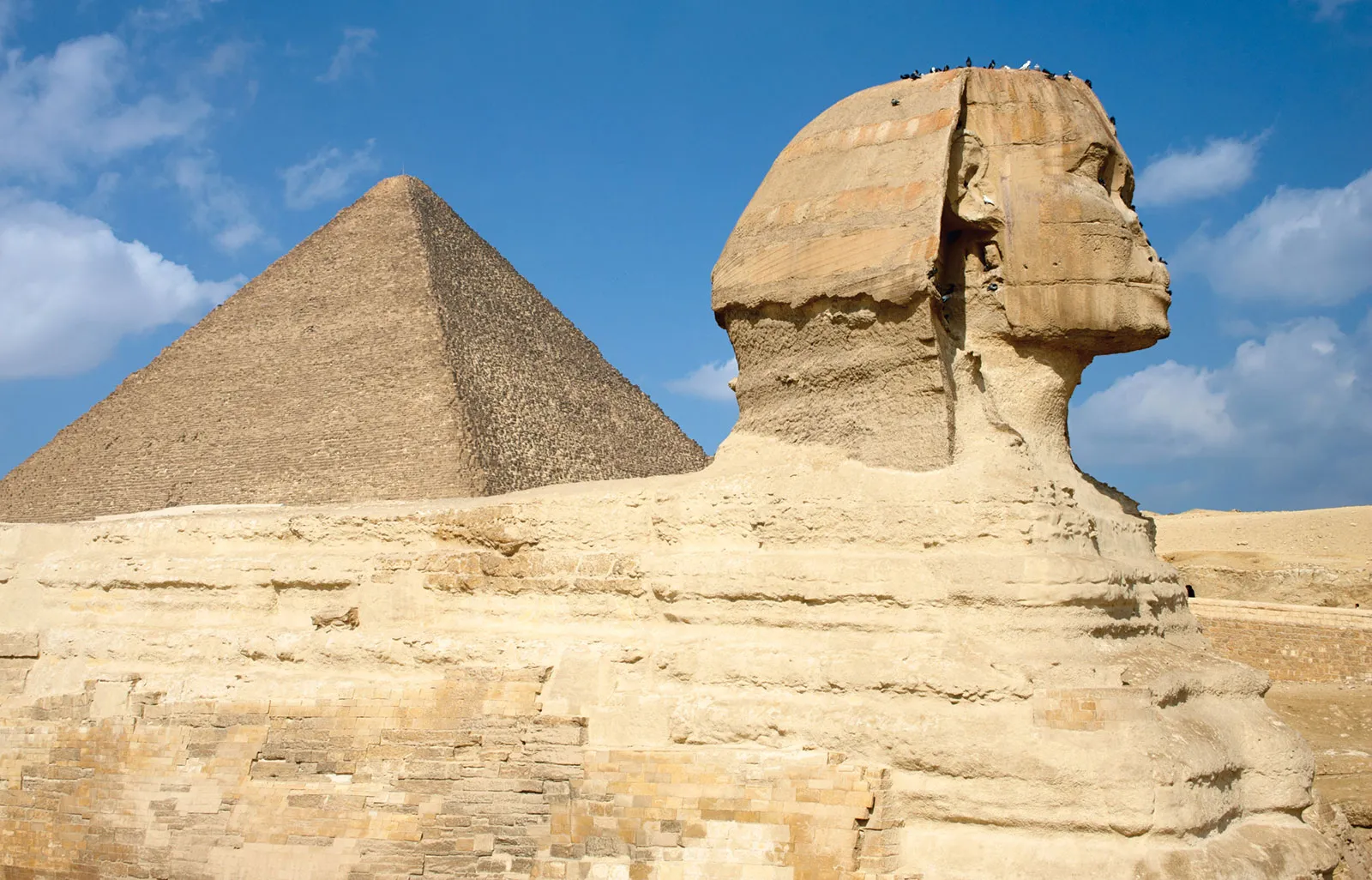
Source: Britannica
Egypt is not a vacation. Egypt is an initiation. It is a country that grabs you by the shoulders and shakes you awake with a chaotic mix of history, dust, noise, and glory.
For years, travelers have had to grade Egypt on a curve: "It’s amazing, but the traffic is insane," or "The history is incredible, but the museums are dusty."
However, 2025 and 2026 have marked a shift. The long-awaited Grand Egyptian Museum is finally, officially open. The infrastructure is modernizing. The chaos is still there—oh, it is definitely still there—but for the first time, you can navigate it on your own terms.
If you are ready to stand in the shadow of the Sphinx without losing your mind, here is your factual guide to the new Egypt.
1. The Grand Egyptian Museum (GEM): It’s Actually Open
For two decades, the GEM was a myth—a billion-dollar construction project near the Pyramids that seemed destined to never finish. As of late 2025, the wait is over.
- The Scale: This is the largest archaeological museum in the world dedicated to a single civilization. It is roughly the size of a major airport terminal.
- The Highlight: For the first time in history, the entire collection of King Tutankhamun’s treasures (over 5,000 objects) is on display in one place. In the old museum, they were crammed into dusty cases. Here, they are lit like crown jewels.
- The Strategy: The museum is located just 2km from the Pyramids of Giza. Do the Pyramids in the morning (start at 7:30 AM to beat the heat), then head to the GEM for the afternoon when the air conditioning is a lifesaver.
2. The Pyramids of Giza: Surviving the Hustle
The Pyramids are the only surviving Wonder of the Ancient World. They are majestic, but the area around them can be a gauntlet of aggressive sellers.
- The Scam: "Hey friend, the entrance is this way!" (It isn’t). "Free gift!" (It isn’t).
- The Fix: Wear sunglasses and headphones (even if nothing is playing). Walk with purpose. If someone approaches you, a firm "La, shukran" (No, thank you) usually works.
- The View: For the best photo, skip the camel ride at the pyramids. Instead, go to the Pizza Hut/KFC rooftop across the street (yes, really) or the Marriott Mena House garden for lunch. You get the billion-dollar view without the hassle.
3. The Connectivity Reality: Why You Need an eSIM
This is the single most important survival tip for modern Egypt. Navigating Cairo without a smartphone is not "adventurous"; it is a safety risk.
The "Taxi" Problem In Cairo, white taxis have meters, but drivers often "forget" to turn them on for tourists. Haggling is exhausting and often results in you overpaying by 300%.
The Solution: Ride-sharing apps like Uber and Careem are legal, safe, and incredibly cheap in Egypt. You can cross the entire city of Cairo for $3-$5 USD. The price is fixed, the route is tracked, and you don’t have to speak Arabic to explain your destination.
The eSIM Fix To use these apps the moment you step out of the airport (or when you are lost in the labyrinth of Khan el-Khalili market), you need reliable data.
- The Problem: Buying a SIM card at Cairo Airport involves long queues, passport scanning, and often a wait for activation.
- The Recommendation: Purchase an eSIM data plan before you fly.
- Why? An eSIM allows you to connect to local networks (Vodafone Egypt or Orange) instantly upon landing. You can order your Uber from the arrivals hall and bypass the aggressive taxi touts outside. It is your digital bodyguard.
4. Luxor: The Open-Air Museum
Fly south to Luxor (a 1-hour flight from Cairo) to see where the Pharaohs were buried.
- Valley of the Kings: This is where you go underground. Your general ticket gets you into three tombs. Tip: Pay the extra ticket price for the Tomb of Seti I. It is the most expensive ticket in the valley (approx. $30 USD), but the colors on the walls look like they were painted yesterday, not 3,000 years ago.
- Karnak Temple: It is massive. The Hypostyle Hall, with its 134 gigantic columns, is large enough to contain the Cathedral of Notre Dame.
- Hot Air Balloon: Luxor is one of the cheapest places in the world to do a sunrise hot air balloon ride (approx. $80-$100 USD). Drifting over the Nile and the Valley of the Kings at dawn is a core memory.
5. Aswan: The Chill South
If Cairo is the noise, Aswan is the silence. This is Nubian country, where the pace is slower and the Nile is cleaner.
- Philae Temple: This temple was dismantled and moved stone by stone to a new island to save it from flooding. You have to take a motorboat to get there. Go at sunset.
- Abu Simbel: This is the massive temple of Ramses II near the Sudan border. It is a 3-hour drive (or a short flight) from Aswan. Most convoys leave at 4:00 AM. It is grueling, but seeing the four colossal statues at sunrise is non-negotiable.
6. Practical Survival Tips
Money Matters
- Currency: The Egyptian Pound (EGP).
- The Float: The currency has fluctuated heavily in recent years. Prices in EGP may look high, but conversion rates are often favorable for USD/EUR/GBP holders.
- Cash is King: You need cash for everything small (tips, water, toilets). Keep a stack of small bills (10, 20, and 50 EGP notes).
- Tipping (Baksheesh): You will be expected to tip for everything. Bathroom attendant? Tip. Someone opens a door? Tip. Someone takes your photo? Tip. Keep small change accessible so you aren't forced to hand over a 200 EGP note.
Water & Health
- The Rule: Do not drink the tap water. Do not brush your teeth with it.
- The Strategy: Buy large bottled water jugs and refill your reusable bottle. dehydration is the number one reason tourists get sick here (it’s a desert, after all).
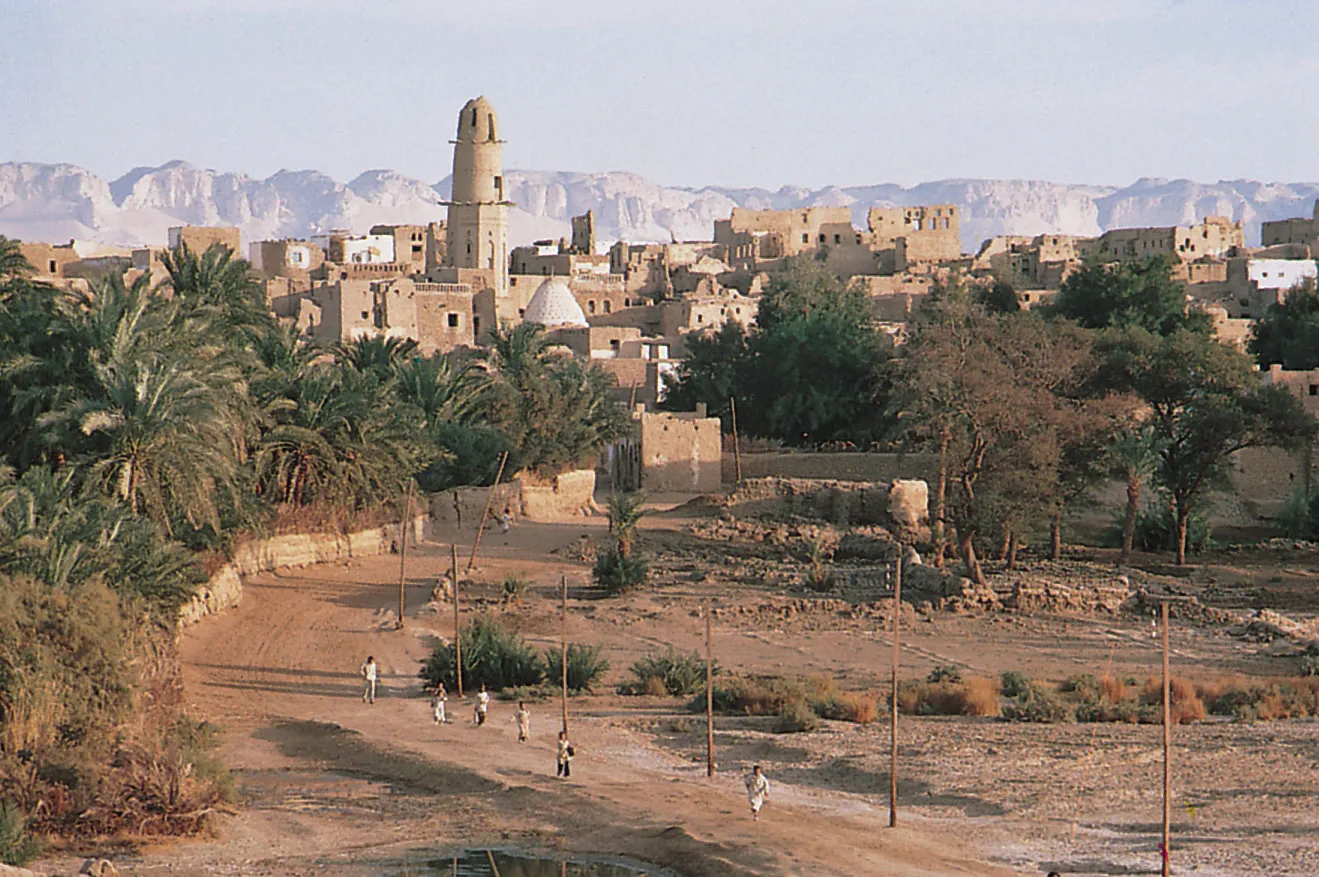
Al-Qasr oasis in Egypt's Western Desert. Source- Britannica
Why Go Now?
Egypt is currently having a moment. The opening of the GEM has revitalized the country's tourism infrastructure. It is safer than the headlines suggest, cheaper than Europe, and holds history that makes the rest of the world feel young. It is intense, yes. But looking up at the Great Pyramid, knowing it stood there for 4,000 years before Jesus was born, puts everything else into perspective.