
East Timor: Coffee, Crocodiles, and Untold Stories
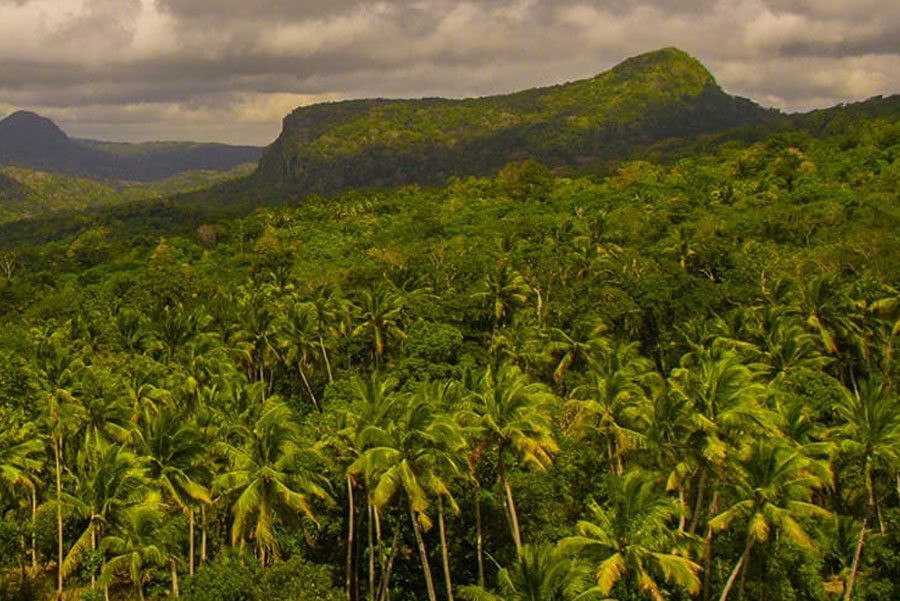
Source: Ministry of Tourism Timor Leste
Southeast Asia feels fully mapped. From the beaches of Thailand to the temples of Angkor Wat, the tourist trail is well-worn. But there is a blank spot on the map, a half-island nation that remains one of the least visited countries on Earth.
Timor-Leste (East Timor) is Asia’s newest nation, having only gained full independence in 2002. It is raw, rugged, and profoundly beautiful. This is not a place for luxury resorts or butler service. It is a place for travelers who want to see a country building itself from the ground up, where the coffee grows wild, the coral reefs are untouched, and the welcome is genuinely curious rather than commercially practiced.
If you are ready to trade the banana pancake trail for a 4x4 adventure, here is your factual guide to Timor-Leste.
1. Dili: The Quiet Capital
Your journey begins in Dili. Unlike the chaotic capitals of Jakarta or Bangkok, Dili feels like a sleepy seaside town.
- The Cristo Rei: Standing 27 meters tall on a headland overlooking the city is the Cristo Rei of Dili. It is the second-largest statue of Jesus in the world (after Rio’s). The 500-step climb at sunrise offers a panoramic view of the bay that explains why the Portuguese held onto this harbor for centuries.
- The Tais Market: This is the cultural heartbeat. Tais is a traditional hand-woven textile used for ceremonial wear and gifts. Each district has its own pattern and color palette. Buying here directly supports the women who weave them on backstrap looms.
- The History: You cannot visit without acknowledging the trauma. The Chega! Exhibition (located in a former prison) and the Santa Cruz Cemetery tell the brutal story of the Indonesian occupation. It is heavy, but essential to understanding the resilience of the Timorese people.
2. Atauro Island: The Biodiversity Champion
A short ferry ride across the wet straits lies Atauro Island.
- The World Record: In 2016, scientists discovered that the waters around Atauro hold the highest biodiversity of reef fish in the world—more species per site than anywhere else on the planet.
- The Experience: There are no cars on the island, only tuk-tuks and walking trails. You stay in eco-lodges like Barry’s Place, sleeping in thatched huts right on the beach. Snorkeling here isn't just "looking at fish"; it feels like swimming in an aquarium that has been overstocked.
- The Whales: The strait between Dili and Atauro is a superhighway for cetaceans. Between October and December, you can spot Blue Whales, Sperm Whales, and pods of dolphins migrating through the deep channel.
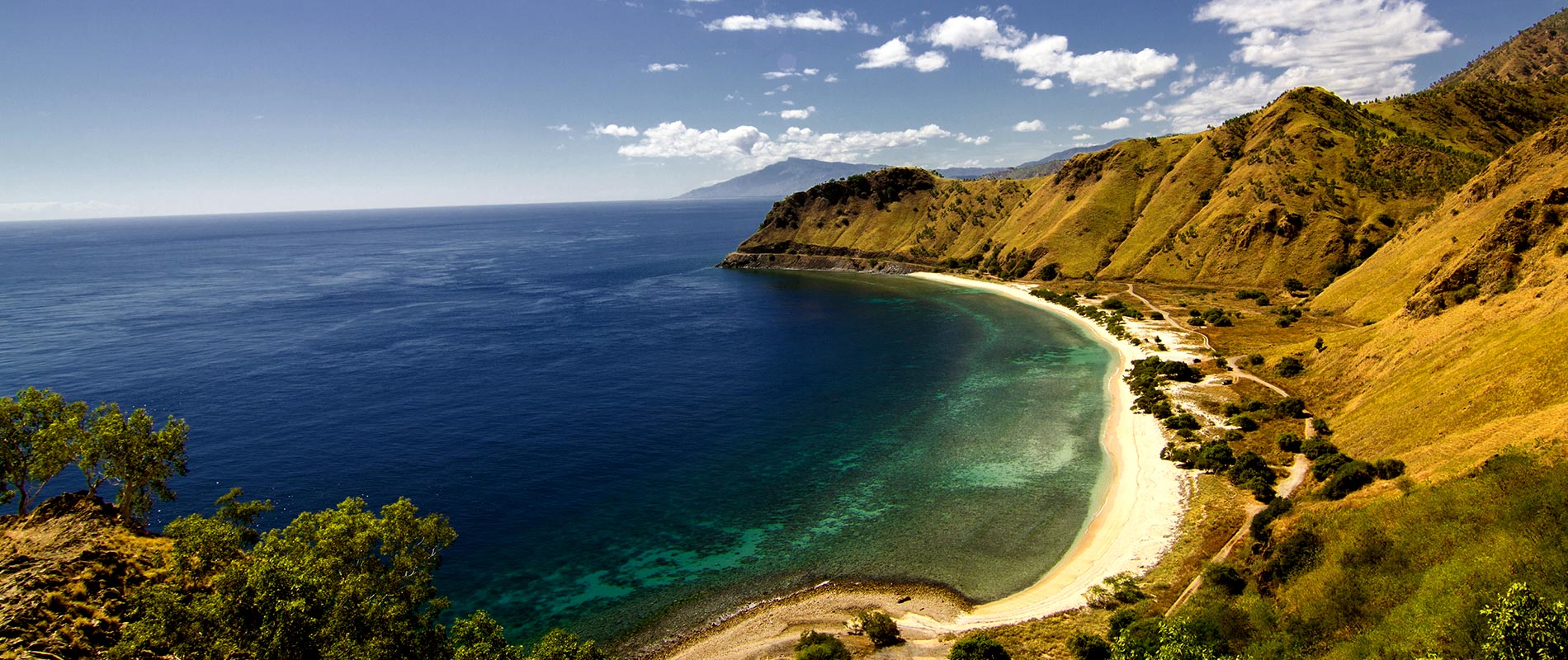
- Source- Atauro Tourism
3. Mount Ramelau: The Sunrise Pilgrimage
Drive inland, and the heat of the coast vanishes. The central spine of Timor is a jagged mountain range.
- Tatamailau: Rising 2,963 meters (9,721 ft), Mount Ramelau is the highest peak. It is a sacred site for both the indigenous animist culture and the Catholic majority.
- The Hike: You start from the village of Hato Builico in the pitch dark (around 3:00 AM). The hike takes about three hours.
- The Summit: At the top stands a statue of the Virgin Mary. As the sun breaks, the shadow of the mountain stretches across the entire island, often reaching all the way to the sea. It is a spiritual, silent, and freezing cold experience—bring layers.
4. The Connectivity Reality: Why You Need an eSIM
Timor-Leste is a developing nation with infrastructure that is still catching up.
- The Internet Gap: Wi-Fi is a luxury. Hotels will advertise it, but it is often slow, capped, or non-functional.
- The Local SIM Hurdle: Buying a local SIM card (from providers like Telemor or Timor Telecom) is possible, but not always straightforward. Shops close early, English is not always spoken, and registration can involve paperwork.
- The Navigation Necessity: Dili’s streets are often unnamed. To find your way to a hidden restaurant or to track your location on a "Microlet" (the local minibus), you need a live map.
- The Fix: Purchase an eSIM data plan before you fly.
- Why? An eSIM allows you to connect to local networks immediately upon landing at Presidente Nicolau Lobato International Airport.
- The Benefit: It gives you a safety net. You can use WhatsApp to contact your driver (who is likely waiting outside the chaotic arrivals hall) and use Google Translate to communicate with locals in Tetum or Portuguese. In a country where tourism infrastructure is thin, having reliable data is your best "fixer."
5. The "Wild East": Jaco Island
If you have the time and a sturdy spine, head east to the tip of the island.
- The Road: The drive to Lospalos and Tutuala is an adventure. Roads can disintegrate into potholes and mud. You need a 4x4.
- Jaco Island: This is the holy grail. It is a tiny, uninhabited island considered sacred by the local Fataluku people. You cannot stay overnight.
- The Crossing: You pay a local fisherman $10 to ferry you across the narrow channel. Once there, you are likely the only person on the white sand. It is arguably the most pristine beach in Asia.
6. Practical Survival Tips
- Currency: The official currency is the US Dollar (USD).
- Crucial Note: Bring small bills ($1, $5, $10, $20). Notes printed before 2006 (the "big head" series) or notes with any tears or ink marks will be rejected. The country also uses its own "centavo" coins for amounts under $1.
- Language: The official languages are Tetum and Portuguese. English is spoken by the younger generation, but Indonesian (Bahasa) is also widely understood by older adults.
- Crocodiles: The crocodile is the national animal and is considered a sacred ancestor ("Grandfather Crocodile"). Do not swim in rivers or beaches unless locals explicitly say it is safe. Attacks happen.
Why Go Now?
Timor-Leste is changing. New roads are being paved, and the internet is getting faster. But for now, it remains a place where "adventure" isn't a marketing slogan—it's just how you get from A to B. It is challenging, humid, and dusty, but the reward is seeing a country that feels entirely its own.