
Dominican Republic: Beyond the All-Inclusive Gate
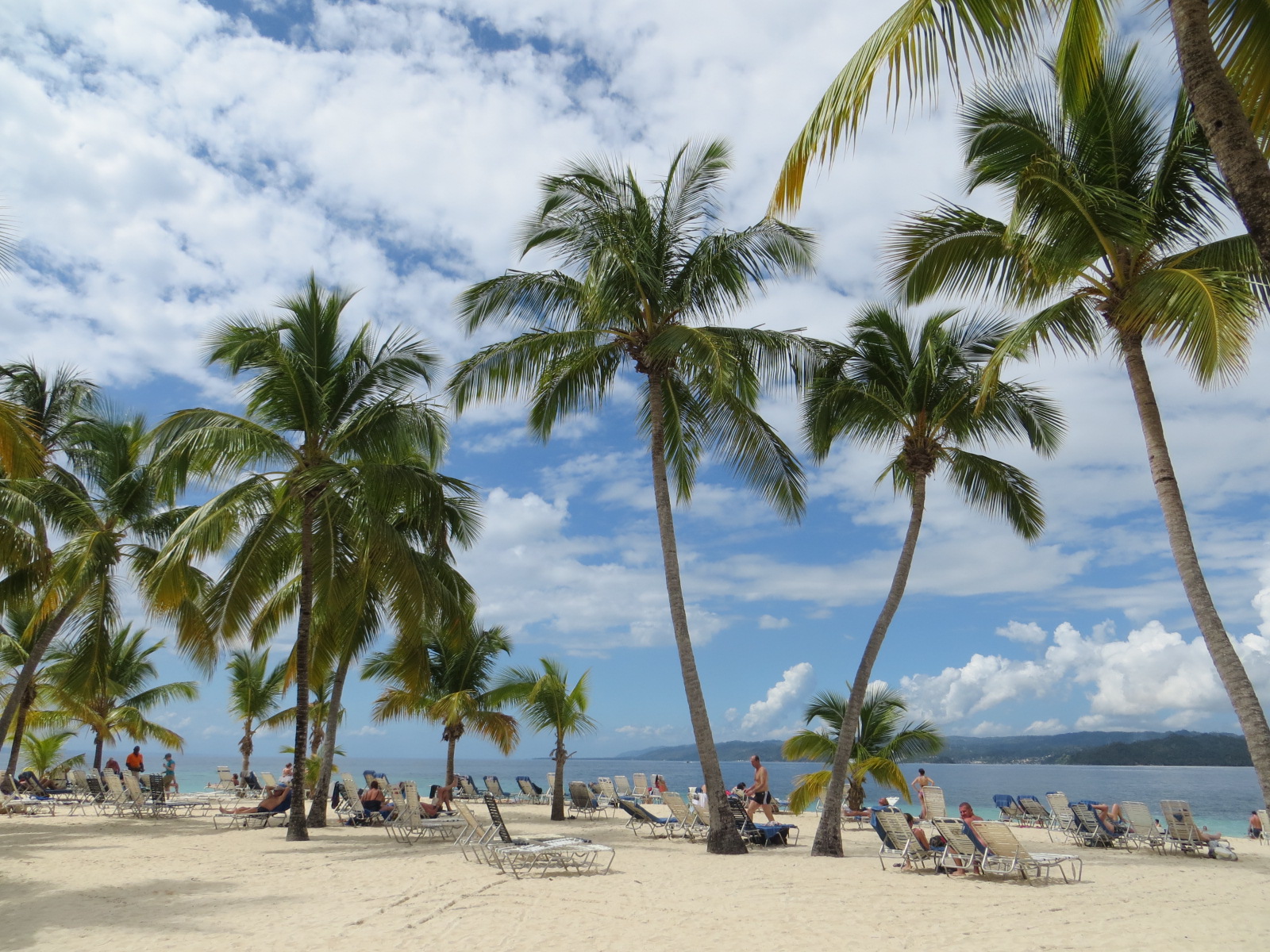
There is a version of the Dominican Republic that everyone knows: the one with the white gates, the wristbands, and the swimming in Punta Cana. And while that version is certainly relaxing, it is also incomplete.
The real "DR" is a continent in miniature. It is a place where you can climb the highest peak in the Caribbean (standing over 10,000 feet tall) in the morning and surf in the Atlantic in the afternoon. It is the oldest European city in the Americas, pulsating with bachata music and 500-year-old history. It is loud, vibrant, and unapologetically real.
If you are willing to trade the buffet line for a rental car and a sense of adventure, here is your guide to the Dominican Republic that most tourists never see.
1. Santo Domingo: The First City
Your journey should begin in Santo Domingo. As the oldest continuously inhabited European settlement in the Americas, this city is a time capsule.
- Zona Colonial: This UNESCO World Heritage site is the heart of the capital. Wander down Calle Las Damas, the oldest paved street in the New World. Visit the Catedral Primada de América, where the first stones were laid in 1514. But don't just look at the buildings; sit in Parque Colón with a coffee and watch the city breathe.
- Los Tres Ojos: Just outside the city center lies a limestone cave system housing three stunning turquoise lakes. It feels prehistoric, a stark contrast to the busy city above.
- The Vibe: At night, head to the Ruinas de San Francisco. On Sundays, crowds gather here for live music and dancing under the stars. It is not a show for tourists; it is how locals celebrate the end of the week.
2. Samaná: The Wild Peninsula
Drive north to the Samaná Peninsula, a finger of land jutting into the Atlantic. This is the DR’s eco-tourism capital.
- The Whales: From mid-January to March, thousands of North Atlantic Humpback Whales migrate to Samaná Bay to give birth. Seeing a 40-ton creature breach just meters from your boat is a life-changing experience.
- Las Terrenas: This town is a unique mix of Dominican chaos and European chic (due to a large French and Italian expat community). You can eat a fresh croissant for breakfast.
- Playa Rincón: Often voted one of the best beaches in the world, it is a 3-mile stretch of untouched white sand. At one end, a fresh, cold river (Caño Frío) flows into the warm ocean. You can float in the cool freshwater while looking out at the turquoise sea.
3. Jarabacoa: The Caribbean Alps
Forget the beach for a moment. Head to the center of the country, to the Cordillera Central mountain range. This is Jarabacoa, the "City of Eternal Spring."
- The Climate: The temperature drops here. At night, you might even need a sweater. Pine trees replace palm trees, and the air smells crisp and clean.
- Pico Duarte: For the serious hiker, this is the ultimate challenge. At 3,087 meters (10,128 ft), it is the highest peak in the Caribbean. The trek usually takes 2-3 days by mule or foot, offering views that make you feel like you are in the Andes, not the tropics.
- Salto de Jimenoa: If you aren't up for a multi-day trek, hike to this massive waterfall. The suspension bridges you cross to get there are an adventure in themselves.
4. The Connectivity Reality: Why You Need an eSIM
Here is a logistical reality check. The Dominican Republic is a middle-income nation with decent infrastructure, but navigation can be chaotic.
- The Challenge: Road signage is often missing or confusing ("turn left at the big mango tree" is a real direction). Driving in cities like Santo Domingo requires aggressive defensive driving and, more importantly, a working GPS.
- Safety via Data: Public transport (like guaguas) can be confusing and crowded. In cities, relying on apps like Uber is significantly safer and cheaper than hailing street taxis. To order an Uber the moment you step out of a restaurant, you need reliable data.
- The Fix: Purchase an eSIM data plan before you fly.
- Why? Roaming charges for US and European carriers in the DR can be steep (often $10/day). Buying a local SIM card involves finding a Claro or Altice shop, waiting in line, and registering with your passport.
- The Benefit: An eSIM allows you to connect to local 4G/LTE networks instantly upon landing at Punta Cana or Las Américas airport. It ensures you have Google Maps for the mountain roads of Jarabacoa and Google Translate for reading menus in rural comedores.
5. The Deep South: Bahía de las Águilas
If you really want to get off the grid, drive southwest to the border with Haiti, to the province of Pedernales.
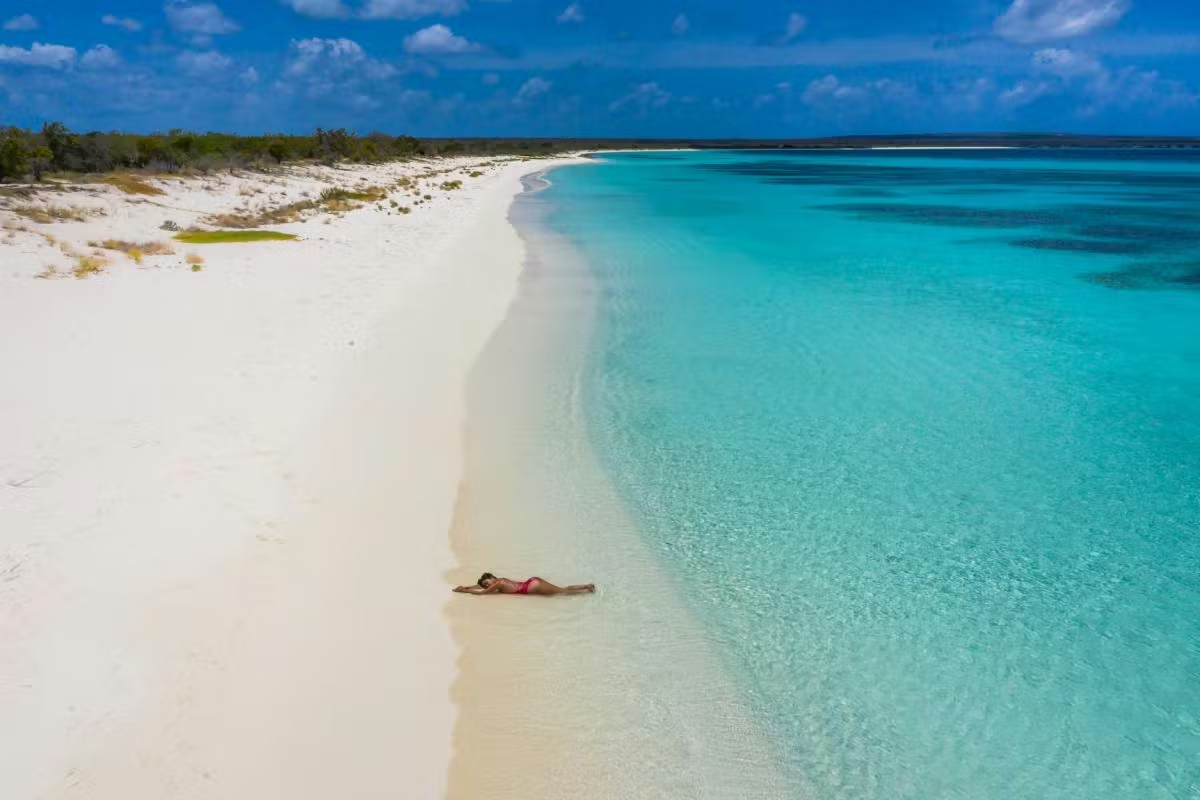
- The Beach: Bahía de las Águilas is widely considered the most beautiful beach in the country, perhaps the Caribbean. It is part of the Jaragua National Park. There are no hotels, no shops, and no electricity. Just five miles of blindingly white sand and water so clear it looks like glass.
- The Journey: You reach it by taking a small boat from the fishing village of Cabo Rojo. It is remote, hot, and dry (the landscape is cactus scrub, not jungle), but the isolation is the reward.
- Source- Dominican Republic
6. Eat Like a Dominican
Dominican food is heavy, hearty, and delicious.
- La Bandera: The "Flag." This is the standard lunch: white rice, stewed red beans, and meat (usually chicken or beef), served with fried plantains (tostones) and salad.
- Mangú: The breakfast of champions. Mashed green plantains topped with pickled red onions. It is usually served with "Los Tres Golpes" (The Three Hits): fried cheese, fried salami, and fried eggs.
- Sancocho: A massive stew made with seven types of meat and root vegetables. It is usually reserved for special occasions or rainy days.
7. Practical Survival Tips
- Currency: The Dominican Peso (DOP). While dollars are accepted in tourist zones, you will get ripped off on the exchange rate. Pay in Pesos everywhere else.
- Driving: Avoid driving at night. Lighting is poor, and animals (cows, dogs, horses) often sleep on the warm asphalt.
- Electricity: The voltage is 110V (same as the US), but power outages can happen in smaller towns. Bring a power bank.
Why Go Now?
The Dominican Republic is currently transforming. It is moving beyond the "sun and sand" reputation to embrace its mountains, its history, and its culture. It is a country that invites you to dance, to eat, and to shout over the noise of a domino game. It is not perfect, but it is vibrantly alive.