
Djibouti: The Mars of Africa
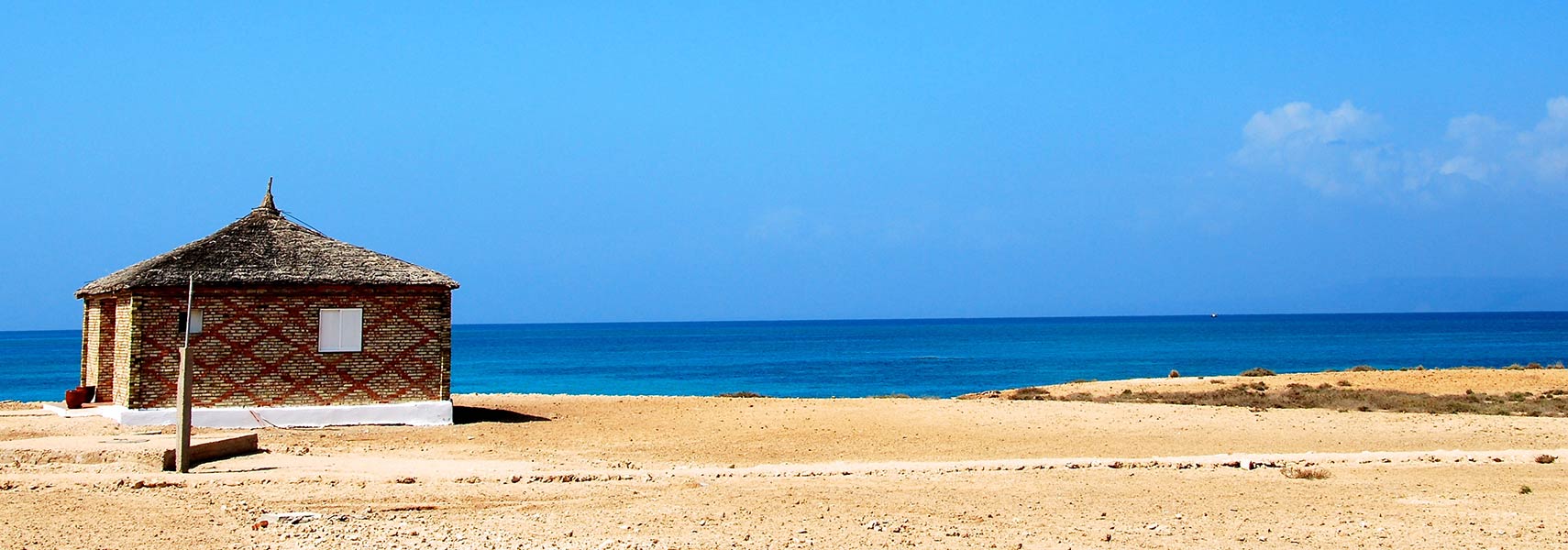
Source: nationsonline.org
Djibouti is not your average holiday destination. It is a tiny, sun-scorched nation on the Horn of Africa that feels less like a country and more like a geological science experiment. It is where three tectonic plates are slowly ripping each other apart, creating a landscape of salt lakes, dormant volcanoes, and limestone chimneys that look like they belong on a different planet.
For years, it was known primarily for its strategic military bases. But today, adventurous travelers are realizing that Djibouti offers something rare: the chance to see the Earth in its rawest, most violent form—and swim with the world’s biggest fish in the afternoon.
If you are ready for a trip that is equal parts adventure and endurance test, here is your factual guide to the Pearl of the Tadjoura.
1. Lake Lac Abbé: The Chimney Forest
If you have ever wanted to walk on a movie set for a post-apocalyptic sci-fi film, this is it. Located on the border with Ethiopia, Lac Abbé is a salt lake that has largely dried up, leaving behind hundreds of limestone chimneys.
- The Geology: These chimneys, some standing 50 meters (160 feet) tall, are formed by geothermal vents. Steam still puffs out of the ground, smelling of sulfur.
- The Scene: It is best visited at sunrise. As the light hits the jagged spikes, you’ll see Afar shepherds guiding their camels through the steam. It is an image so striking and strange that it feels computer-generated.
- The Flamingoes: Despite the harsh environment, the lake is home to thousands of pink flamingoes that feed on the algae in the remaining water.
2. Lake Assal: The Lowest Point
Drive back towards the center of the country, and the landscape shifts from red dust to blinding white. Lake Assal is the lowest point in Africa (155 meters below sea level) and the third lowest point on Earth.
- The Salt: The water here is ten times saltier than the ocean—even saltier than the Dead Sea. You don’t swim; you bob cork-like on the surface.
- The Heat: Be warned—this is arguably the hottest place on the planet. Temperatures regularly exceed 50°C (122°F). The shore is lined with a crust of salt crystals that looks like snow but burns to the touch. It is beautiful, painful, and unmissable.
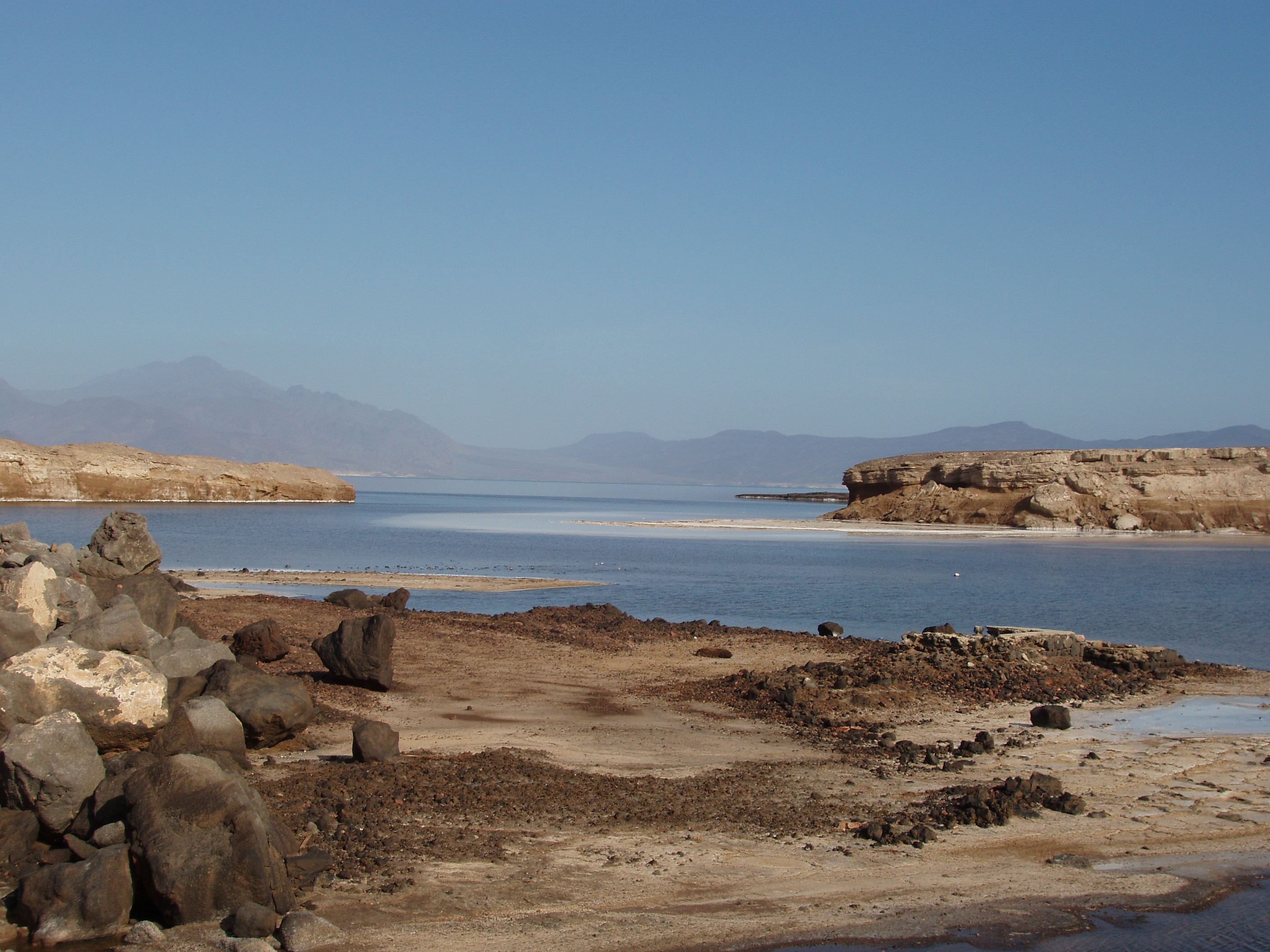
- Source- Fishercd, Public domain, via Wikimedia Commons
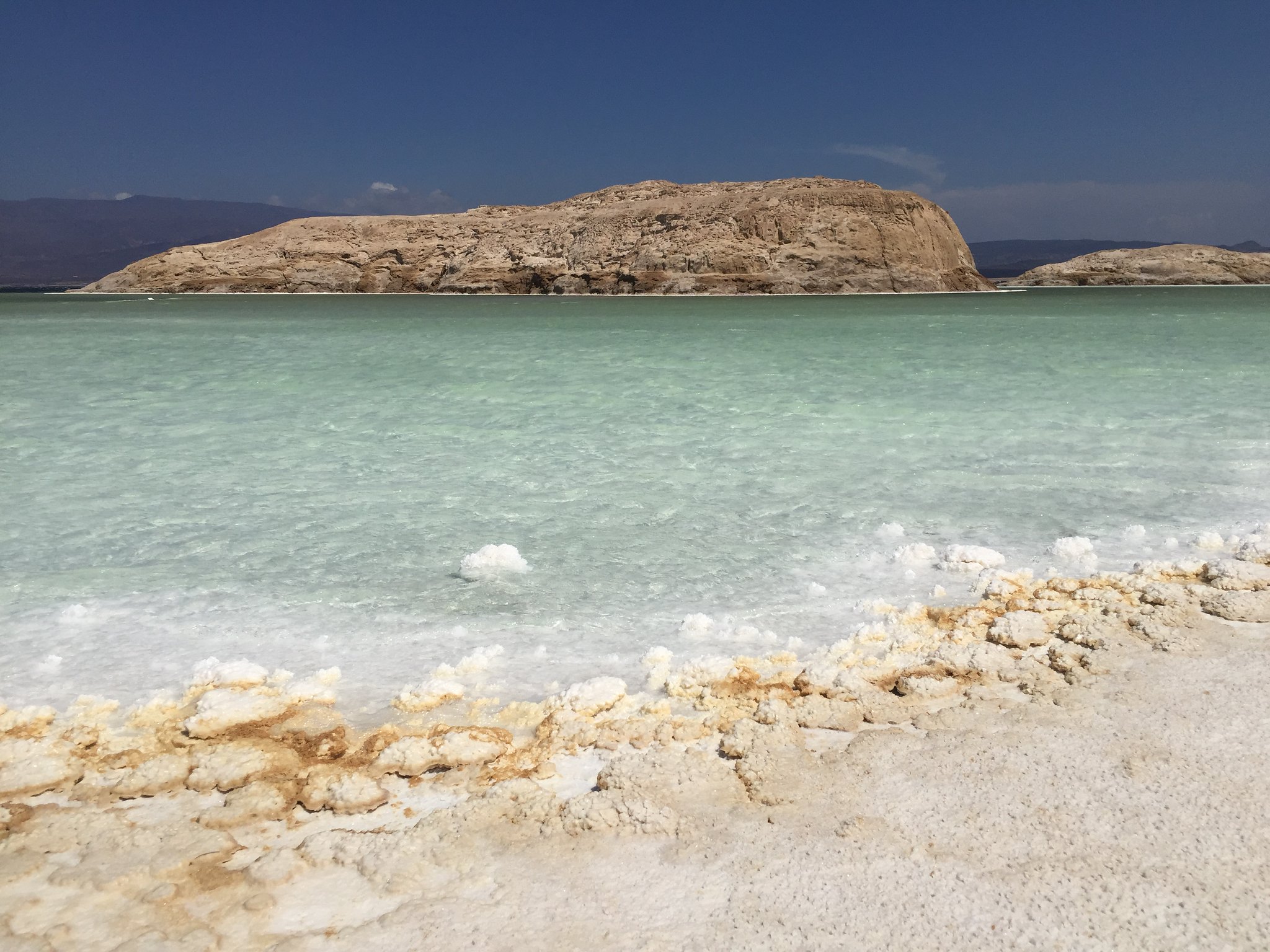
- Source- Somalia Security and Tours
3. The Giants of Ghoubbet
Djibouti is one of the best places in the world to swim with Whale Sharks.
- The Season: From November to January, plankton blooms in the Gulf of Tadjoura attract these massive, gentle giants.
- The Experience: Unlike other destinations where you might see one or two, here you can often spot dozens. They feed near the surface in the bay of Ghoubbet-el-Kharab. Snorkeling alongside a 10-meter spotted fish is a humbling experience.
- The Devil’s Island: In the middle of the bay sits Ginghe Baboma (Devil's Island), an eerie volcanic cone. Local legend says it was once a mountain that the devil dropped into the sea.
4. Djibouti City: The Cultural Melting Pot
The capital is a jarring mix of French colonial architecture, Arab influence, and African energy.
- The European Quarter: The area around Place du 27 Juin is laid out in a grid, filled with cafés and restaurants catering to the large expat and military community.
- The African Quarter: Cross into the chaotic streets of the African quarter for the markets. This is where the city comes alive.
- The Qat Factor: You will notice that every afternoon, the city slows down. This is "Qat time." Qat is a leaf imported daily from Ethiopia. Chewing it is a national pastime that defines the social rhythm of the country.
5. The Connectivity Reality: Why You Need an eSIM
Djibouti presents a unique logistical challenge. While the capital has decent infrastructure, the moment you leave for the interior (which is where all the sights are), you are in a digital desert.
The "Bureaucracy" Trap Djibouti is highly security-conscious. Buying a physical SIM card (from Djibouti Telecom) is not a simple transaction. It often involves finding an open official store (which may close for long lunch breaks), presenting your passport, and waiting for manual registration.
The Navigation Necessity
- Off-Roading: To get to Lac Abbé, you drive across 40km of unmarked desert flats. Drivers know the way, but having GPS as a backup is a critical safety measure.
- Language Barrier: The official languages are French and Arabic. English is not widely spoken outside of major hotels. You will need Google Translate to read menus or negotiate with a taxi driver.
The Solution: The eSIM To avoid the hassle and ensure safety, purchase a regional or global eSIM data plan before you fly.
- Why? An eSIM allows you to connect to local towers immediately upon landing at Ambouli International Airport.
- The Benefit: You avoid the roaming charges of your home carrier (which can be exorbitant in East Africa) and skip the physical registration queue. It ensures you can pull up your e-Visa confirmation or contact your 4x4 driver via WhatsApp the second you touch down.
6. Practical Survival Tips
The Price Tag Djibouti is surprisingly expensive.
- Why? Almost everything is imported, and the economy is distorted by the presence of multiple foreign military bases.
- Budget: Budget hotels are rare. A standard room can easily cost $100-$150 per night. Food and tours are similarly priced. Bring more money than you think you need.
Getting Around
- 4x4 is Mandatory: You cannot visit Lac Abbé or Lake Assal in a sedan. The roads are rough, and the desert crossings are sandy. You must hire a driver and a 4x4 vehicle. Do not attempt to self-drive the desert routes unless you are an expert in off-road navigation.
Visa & Entry
- The E-Visa: Most travelers need an e-Visa to enter. You must apply online at least 3 days before travel. Print the confirmation. The immigration system can be slow, and having a paper copy speeds up the process.
When to Go
- The Window: Only visit between November and February.
- The Warning: From May to September, the heat is unbearable (often 45°C+ / 113°F+). Tours stop, whale sharks leave, and simply being outside is dangerous.
Why Go Now?
Djibouti is safe, stable, and completely unique. It is one of the few places left where you can stand on the edge of a volcano, watch a caravan of camels disappear into the salt mist, and feel like you are the only tourist on the continent. It is raw, expensive, and difficult—but the memories are indelible.