
Curaçao: The Colorful Heart of the Dutch Caribbean
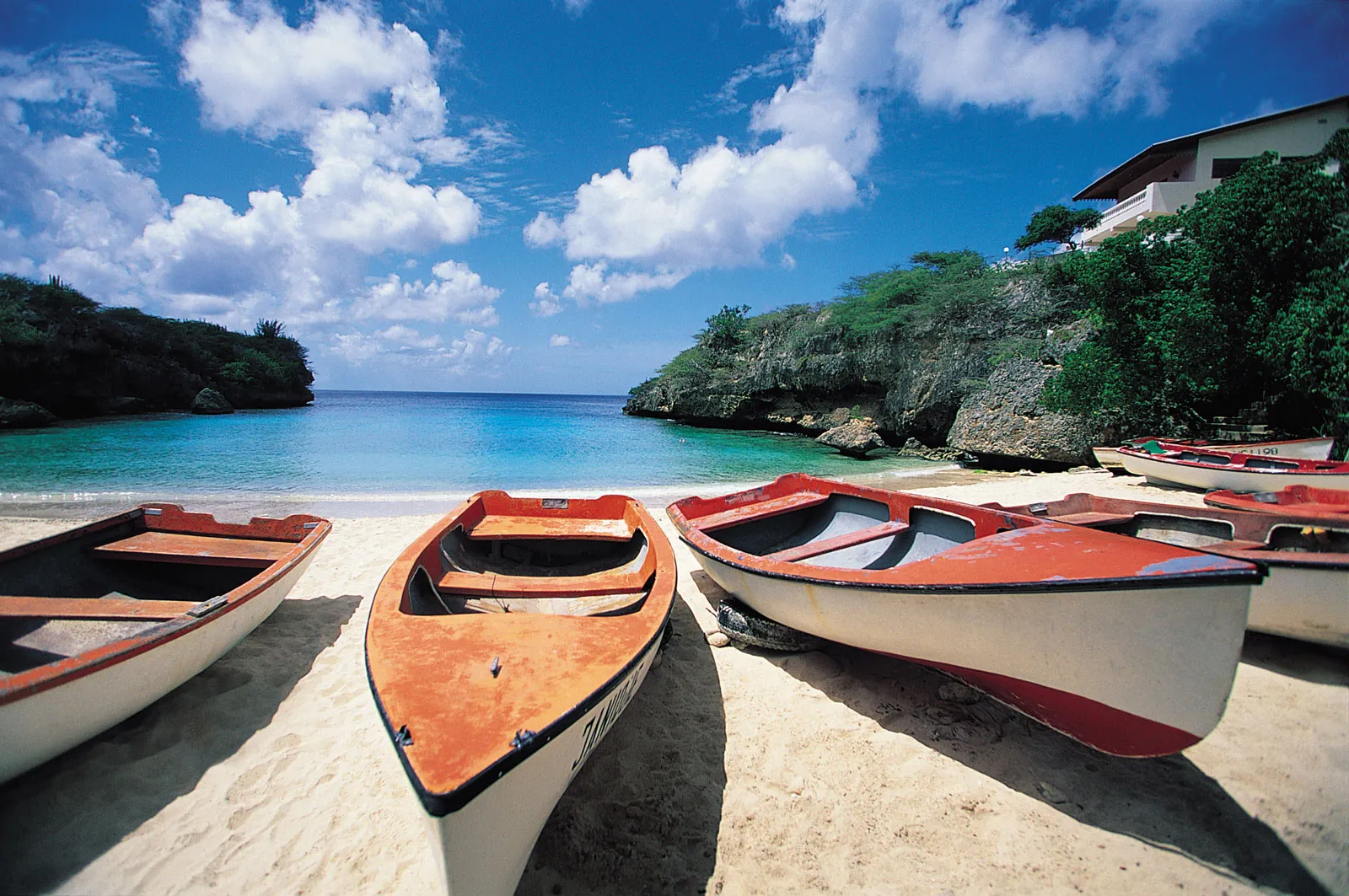
Source: Britannica
When people talk about the "ABC Islands" (Aruba, Bonaire, Curaçao), they usually assign them distinct personalities. Aruba is the resort-filled party host; Bonaire is the quiet diver’s paradise. But Curaçao? Curaçao is the cool, artistic cousin who speaks four languages and knows the best secret beaches.
It is an island of contradictions in the best way possible. You have a UNESCO World Heritage capital that looks like Amsterdam dipped in Skittles, sitting just minutes away from rugged, cactus-filled deserts that feel like Arizona. You have refined European dining on one street and raw, spicy Afro-Caribbean street food on the next.
If you are looking for a Caribbean destination that offers more than just a sun lounger, welcome to the "C" of the ABCs. Here is your guide to doing it right.
1. Willemstad: A City Painted by Law
Your journey begins in Willemstad, the capital. The first thing you will notice is the color. The waterfront buildings on the Handelskade are blindingly bright—mango yellow, sky blue, flamingo pink.
- The Legend: Local lore says an early governor suffered from migraines caused by the glare of the white colonial buildings. He ordered everyone to paint their houses any color but white to save his head. Whether true or not, the result is one of the most photogenic skylines in the world.
- The "Swinging Old Lady": You cannot visit without crossing the Queen Emma Bridge. It is a floating pontoon bridge that connects the two halves of the city (Punda and Otrobanda). When a boat needs to pass, the entire bridge unlatches and swings open horizontally. If you are stuck on it when the alarm sounds, don't panic—just enjoy the free boat ride while it opens.
2. The Beaches: Coves Over Coastlines
Unlike Aruba’s long, flat strips of sand, Curaçao’s coast is jagged. The magic here is found in the bokas (coves) carved into the limestone cliffs.
- Grote Knip (Kenepa Grandi): This is the one you have seen on Instagram. The water is a neon, electric blue that looks fake even when you are standing in it. It is free to enter, popular with locals, and often visited by a family of wild pigs who expect snacks.
- Cas Abao: If you want amenities, come here. It has a small entrance fee, but you get white sand, a beach shack, and massive palm trees. It is arguably the best swimming spot on the island.
- Playa Piskado (Playa Grandi): Visit this fisherman’s beach in the morning. Fishermen clean their catch on the pier, tossing scraps into the water, which attracts dozens of sea turtles. You can snorkel right next to them in waist-deep water—just remember the golden rule: look, but never touch.
3. Klein Curaçao: The Desert Island Trip
If you have a free day, book a boat trip to Klein Curaçao ("Little Curaçao"). It is a tiny, uninhabited island 15 miles off the coast.
- The Vibe: There are no paved roads, no shops, and no electricity. It is just a strip of blinding white sand, a rusted shipwreck, and an abandoned pink lighthouse.
- The Warning: The boat ride over can be rough (it is nicknamed the "Vomit Comet" for a reason). Take motion sickness pills, or book a larger catamaran for a smoother ride.
4. Shete Boka: The Raw North
Rent a car and head to the north coast to see nature’s violence at Shete Boka National Park.
- The Scene: The ocean here doesn't lap the shore; it hammers it. Massive waves crash into underground caverns, shooting water 20 feet into the air.
- Boka Pistol: Look for the inlet named "Boka Pistol." When the waves hit the limestone funnel, it sounds exactly like a gunshot.
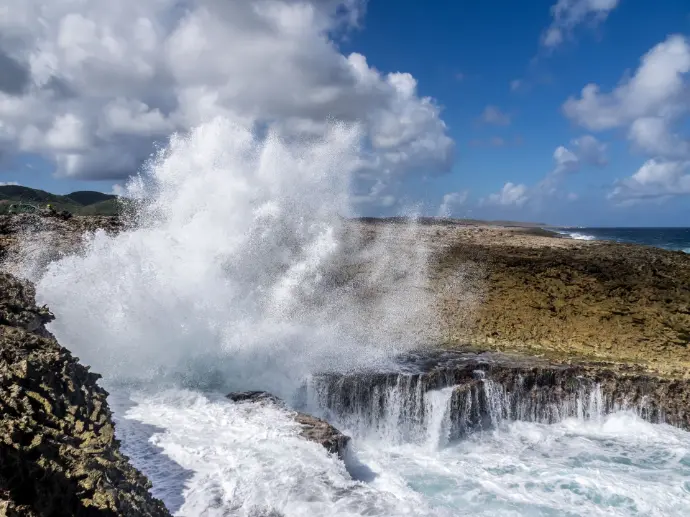
- Boka Pistol at Shete Boka National Park. Source- Shete Boka National Park
5. The Logistics: Driving & The "eSIM" Essential
Here is the reality of Curaçao: You need to rent a car. Public transport exists, but it won't get you to the hidden beaches like Grote Knip or the hiking trails of Christoffel Park. However, navigating the island can be tricky. Street signs are sometimes missing, and the roads can be a maze of roundabouts (remember: traffic inside the roundabout has the right of way).
The Connectivity Trap You will rely heavily on Google Maps or Waze to find your way.
- The Problem: Roaming charges in the Caribbean can be surprisingly high for US and European carriers (often $10/day or expensive pay-per-MB rates).
- The Solution: To navigate without stress, purchase an eSIM data plan before you fly.
- Why? An eSIM (digital SIM) allows you to connect to local networks (like Digicel or Flow) the moment you land at Hato International Airport. You avoid the hassle of finding a physical SIM kiosk, and most importantly, you have reliable data to find that hidden beach or translate a menu in a rural Snèk (snack bar). It is the smartest "insurance" you can buy for a road trip.
6. Eat Like a Local: Batidos and Iguana
Curaçaoan food (Krioyo) is hearty and unpretentious.
- Batidos: These are fresh fruit shakes sold at trucks all over the island. Try a mix of mango and passionfruit (parcha).
- Plasa Bieu: For lunch, go to the Old Market in Willemstad. It is a food hall with long picnic tables. Order Stoba (goat stew) or, if you are brave, Sopi Yuana (Iguana Soup). Locals claim the iguana adds vitality (and yes, it tastes like chicken).
- Bitterballen: You will see these deep-fried, gravy-filled balls at every happy hour. They are a Dutch staple and pair perfectly with an Amstel Bright beer.
7. Practical Tips
- The DI Card: Before you travel, you must fill out the Digital Immigration Card online. It’s free, but mandatory for entry. Do it 48 hours before your flight to breeze through the e-gates.
- Language: The locals speak Papiamentu—a lyrical mix of Spanish, Portuguese, Dutch, and African dialects. However, almost everyone also speaks English, Dutch, and Spanish fluently.
- Currency: The official currency is the Antillean Guilder (ANG), but US Dollars are accepted everywhere. You might pay in dollars and get change in guilders, so keep a currency converter app handy.
Why Go Now?
Curaçao is hitting its stride. It has the infrastructure of Europe but the soul of the Caribbean. It is safe and the water is warm. Whether you are cliff jumping at Grote Knip or walking the colorful streets of Punda, Curaçao feels vibrant, alive, and undeniably unique.