
Cuba: The Beautiful Paradox
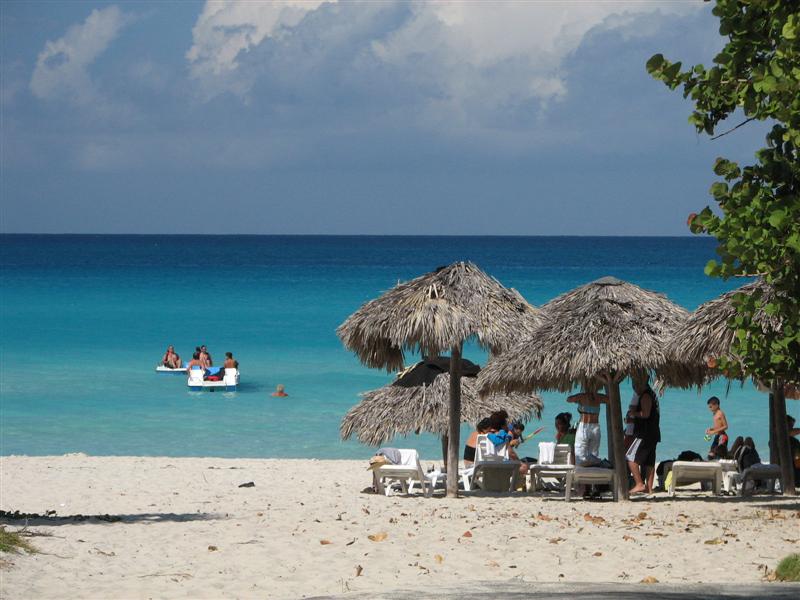
Cuba is not a vacation; it is an education. It is a country where 1957 Chevys rattle past colonial ruins, where doctors drive taxis because it pays better, and where the music—the constant, thrumming soundtrack of Son and Salsa—seems to be the only thing holding the crumbling buildings together.
Visiting Cuba feels less like traveling across space and more like traveling through time. But beneath the romantic "time capsule" veneer lies a complex, resilient, and challenging reality. It is a destination that requires more preparation than perhaps any other in the hemisphere.
If you are ready to look beyond the cigar smoke, here is your factual guide to navigating the Pearl of the Antilles.
1. Havana: The Faded Grandeur
Your trip begins in Havana (La Habana). The city is a masterpiece of neglect and beauty.
- Habana Vieja (Old Havana): This UNESCO World Heritage site is a walking district of restored colonial plazas and baroque cathedrals. But the real heartbeat is in the side streets of Centro Habana, where the paint is peeling, neighbors shout conversations across balconies, and life spills onto the pavement.
- The Malecón: This 8-kilometer seawall is known as "Havana's Sofa." At sunset, half the city gathers here to socialize, fish, and cool off in the sea spray. It is the best free entertainment in the country.
- Fusterlandia: In the Jaimanitas neighborhood, artist José Fuster has turned his entire community into a living mosaic, covering houses, bus stops, and benches in colorful tile work reminiscent of Gaudi.
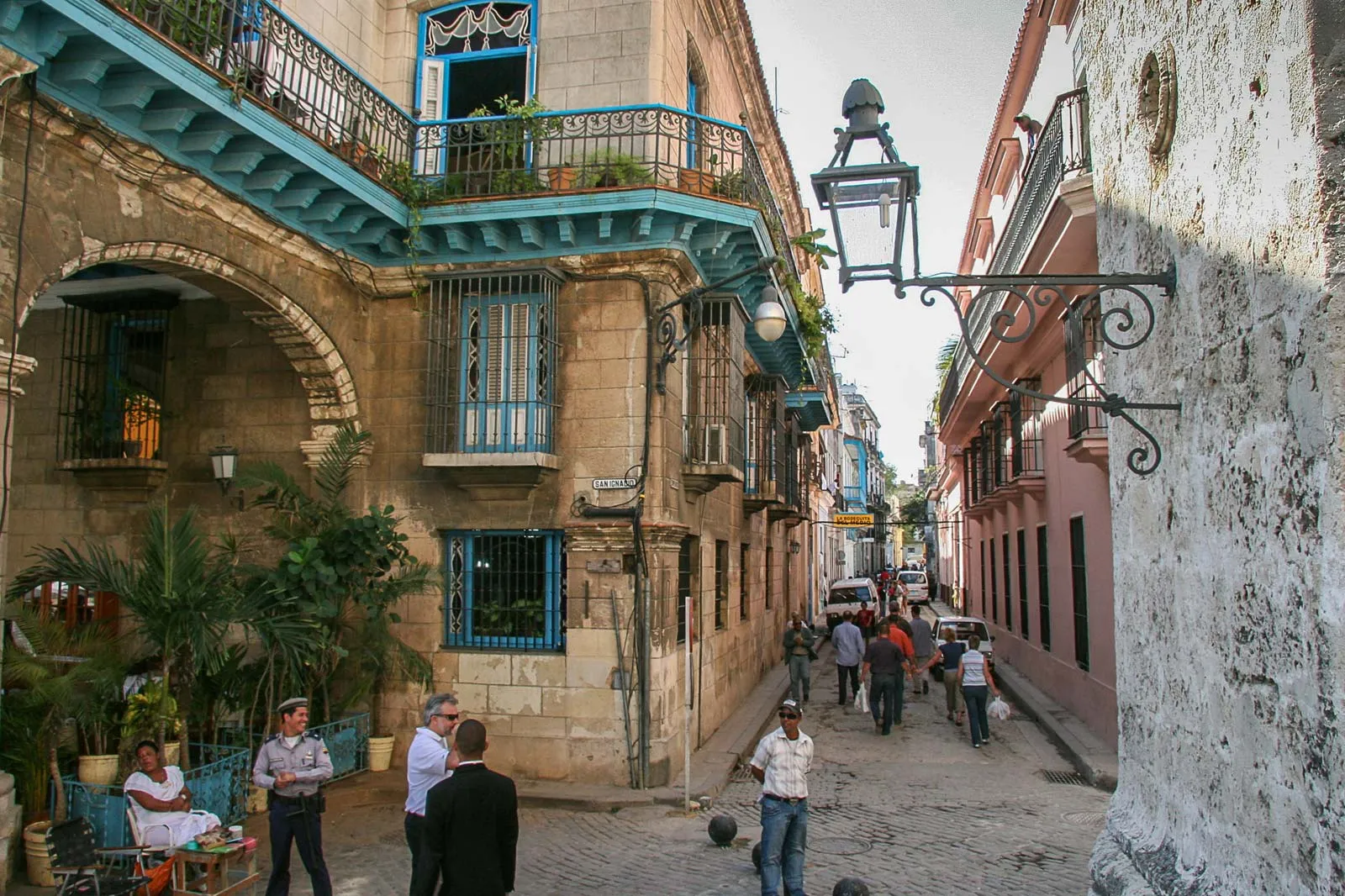
- Old Havana. Source- Britannica
2. Viñales: The Green Lungs
Drive three hours west to Viñales for a complete change of pace.
- The Landscape: The valley is famous for its mogotes—massive limestone hills that rise vertically. It looks prehistoric.
3. Trinidad: The Museum City
If Havana is the 1950s, Trinidad is the 1850s.
- The Cobblestones: The streets here are paved with uneven river stones (bring good shoes). The houses are painted in pastel blues, yellows, and pinks, with terracotta tiled roofs.
- Plaza Mayor: At night, the steps near the cathedral turn into an open-air salsa venue called the Casa de la Música. You sit on the stone steps, and watch the best dancers you’ve ever seen.
4. The "Offline" Reality & The eSIM Necessity
Here is the most critical logistical hurdle in Cuba: Connectivity is rare and complicated. For years, getting online meant buying a scratch card (Nauta card) from a government kiosk and standing in a specific public park to catch a weak Wi-Fi signal. While mobile data now exists (4G is available in cities), it is not simple for tourists.
The Roaming Trap If you are from the US, your home carrier likely has zero roaming coverage in Cuba due to sanctions. If you are from Europe or Canada, roaming rates are often astronomical (up to $10/MB).
The Solution: The eSIM To avoid spending your vacation in line at an ETECSA telecom office, purchase a specialized Cuba-supported eSIM before you fly.
- The Benefit: An eSIM gives you immediate data upon landing. This is a safety and logistics lifeline. It allows you to use offline maps (which you should download anyway), translate Spanish menus, and contact your casa particular host if your flight is delayed.
- Crucial Note: You must download and install a VPN (Virtual Private Network) before you arrive in Cuba. Many US-based apps (like Airbnb, PayPal, and some banking apps) will not work on Cuban internet without one.
5. The Money Maze
Cuba’s currency situation is confusing and volatile.
- The Currency: The official currency is the Cuban Peso (CUP).
- The Exchange: There is a massive gap between the "Official" government exchange rate (approx. 120 CUP = $1 USD) and the "Informal" street rate (which can be 300+ CUP = $1 USD).
- The Strategy:
- Cash is King: US credit cards do not work. Non-US cards work in government resorts, but you will be charged at the poor official rate.
- Bring Euros or USD: Bring your entire budget in cash. Small bills are best.
- Exchange wisely: Ask your host or guide to help you exchange money at the informal rate. If you go to a bank (CADECA), you will get less than half the value for your money compared to the street rate.
6. Eating in the Private Sector
Forget the myth that "Cuban food is bland." That applies to government ration food, not the real cuisine.
- Paladares: These are privately owned restaurants (often in people’s homes). This is where the innovation happens.
- Ropa Vieja: The national dish—shredded beef stewed in a tomato-based criollo sauce with peppers and onions.
- Lobster: In state hotels, it’s expensive. In a seaside paladar, you can often get a massive grilled lobster tail for $15–$20.
Why Go Now?
Cuba is changing, slowly but surely. The old cars won't run forever, and the digital isolation is cracking. Visiting now supports the local people—the taxi drivers, the casa hosts, and the chefs—who are the true magic of the island. It is a trip that will frustrate you, charm you, and ultimately, stay with you forever.